Showing Posts From
Indigenousfood
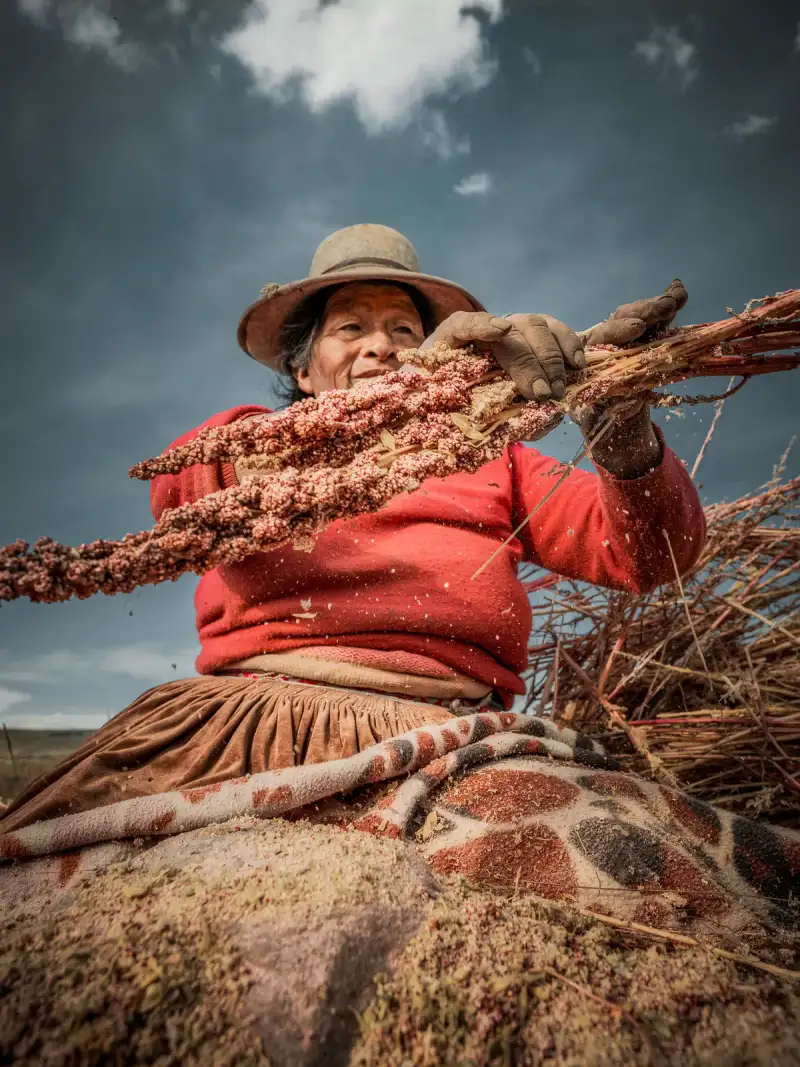
What if the most sophisticated culinary advancements weren't born in the gilded kitchens of European royalty, but beneath the unforgiving, sun-drenched peaks of the Andes, thousands of years before the first European spade ever broke ground on American soil? We often romanticize sourdough or kimchi, hailing them as pinnacles of fermented food, yet a largely untold story lies buried within the pre-Columbian diets of the Inca and their predecessors: a profound, almost mystical mastery of grain fermentation that sustained empires, nourished spiritual life, and unlocked nutritional secrets still being unraveled today. This is not a tale of simple brewing, but of an intricate, climate-driven alchemy that transformed humble seeds into lifelines, rituals, and the very foundation of civilization. The High-Altitude Crucible: Necessity as the Mother of Culinary Invention Imagine a civilization thriving at altitudes where frost claims crops for much of the year, where arable land is scarce, and the air itself thins the barrier between life and scarcity. For millennia, the indigenous peoples of the Andean highlands, from the Norte Chico to the Inca, faced these daunting conditions. Their genius wasn't just in cultivating resilient crops like quinoa, amaranth, kiwicha, and various forms of maize; it was in understanding how to extract maximum value from them, extending their shelf life, enhancing their nutritional profile, and making them digestible in ways that modern science is only beginning to fully appreciate. Fermentation, in this context, was not a luxury; it was an existential imperative. The severe climate demanded methods of preservation that went beyond simple drying. It required a deep, empirical understanding of microbial processes long before microscopes were conceived. The Andean peoples developed a vast lexicon of fermented products, many of which remain obscure outside remote communities, overshadowed by the more widely known chicha (corn beer). But chicha itself is merely the tip of a much larger, more diverse iceberg of fermented grains. Beyond Chicha: A Pantry of Probiotic Powerhouses While chicha holds an important place in Andean culinary and ceremonial history, its prevalence often eclipses a fascinating array of other fermented grain preparations. These lesser-known ferments served various purposes – from highly portable, nutrient-dense travel rations to vital sources of vitamins and minerals in a diet that often lacked fresh produce. Consider, for example, the fermentation of quinoa (Chenopodium quinoa). Quinoa, often lauded today as a "superfood," was a staple for ancient Andeans. While commonly consumed as flour or whole grains, evidence suggests that it was also subjected to various fermentation processes. One method involved soaking and then allowing the grains to naturally ferment, sometimes in combination with local fruits or herbs. This process would have served multiple functions:Detoxification: Raw quinoa contains saponins, bitter compounds that can inhibit nutrient absorption and cause digestive discomfort. Fermentation, much like soaking and rinsing, effectively reduces these antinutrients, making the grain more palatable and digestible. Nutrient Bioavailability: The fermentation process breaks down complex carbohydrates and proteins, making their constituent sugars and amino acids more readily available for absorption. It also synthesizes B vitamins and enhances the bioavailability of minerals like iron and zinc, which are crucial in diets that might be low in animal products. Preservation: The acidic environment created by lactic acid bacteria inhibits the growth of spoilage microorganisms, allowing the fermented product to be stored for extended periods, a critical factor for food security in a harsh climate.This fermented quinoa, perhaps consumed as a gruel or added to stews, would have been a nutritional powerhouse, a far cry from the bland, dried grain. It speaks to an intuitive understanding of biochemistry and microbiology that predates any modern scientific framework. The Enigma of Kispiñu and Cau-Cau Delving deeper, we encounter terms like kispiñu and cau-cau, which, while sometimes referring to different preparations across various regions, often hint at fermented grain components. Kispiñu, for instance, is a traditional Bolivian food typically made from quinoa flour, sometimes soaked and fermented before being shaped and cooked. The fermentation step is crucial for its distinct texture and digestibility. While modern versions might skip the fermentation, historical accounts suggest this was a foundational element, contributing a subtle tang and enhancing its nutritional properties. Cau-cau, another dish with variations, occasionally refers to a fermented grain or potato product. The very act of taking a staple and intentionally exposing it to microbial action suggests a deliberate, learned process passed down through generations. These were not accidental discoveries but refined techniques perfected over centuries of observation and survival. The subtle nuances in flavor, texture, and nutritional output of these ancient ferments would have been as significant to Andean palates as the difference between various cheeses is to a European gourmand. Spiritual Sustenance and Social Cohesion Food, especially fermented food, was never merely fuel in the Andes; it was a conduit for spiritual connection and social cohesion. Chicha, the most famous fermented beverage, played a central role in religious ceremonies, agricultural rituals, and social gatherings. Offering chicha to the Pachamama (Mother Earth) was a common act of reverence, and its consumption fostered communal bonds. The shared act of preparing and partaking in fermented foods reinforced social structures and identity. The knowledge of fermentation was often held by women, passed from mother to daughter, making them custodians of critical cultural and nutritional heritage. The patience required for fermentation mirrored the cyclical nature of Andean agriculture and the deep respect for natural processes. These foods weren't just fermented; they were consecrated, imbued with the spirit of the land and the ancestors. The Science of Ancient Nutrition: A Modern Perspective From a modern nutritional standpoint, the Andean practice of fermenting grains was remarkably advanced.Probiotic Benefits: The presence of lactic acid bacteria in these ferments would have contributed to gut health, a concept now widely recognized for its impact on overall well-being, immunity, and even mental health. Enhanced Nutrient Absorption: Fermentation reduces phytic acid, an antinutrient common in grains that binds to minerals like iron, zinc, and calcium, making them unavailable for absorption. By breaking down phytic acid, fermentation significantly boosts the bioavailability of these essential micronutrients. Reduced Glycemic Index: The partial breakdown of carbohydrates during fermentation can lead to a lower glycemic index, meaning a more stable release of energy, which would have been vital for sustained physical activity in a challenging environment.This intricate dance between grain and microbe represents an astounding level of empirical food science. Without petri dishes or biochemical assays, the Andean peoples harnessed invisible forces to optimize their food supply, creating a robust, resilient diet that fueled millennia of civilization. Legacy and Rediscovery: Bridging Ancient Wisdom and Modern Foodways Today, as the global food system grapples with issues of sustainability, nutrition, and food security, there is a growing interest in ancestral foodways. Chefs, nutritionists, and anthropologists are increasingly turning to indigenous practices for inspiration. The principles behind Andean grain fermentation – resourcefulness, respect for natural processes, and a holistic approach to nutrition – offer invaluable lessons. While many of these ancient fermentation traditions have been marginalized or lost due to colonization and modernization, efforts are underway to revive them. Indigenous communities are working to preserve their culinary heritage, recognizing the profound wisdom embedded in these practices. Contemporary chefs are experimenting with incorporating fermented quinoa or amaranth into modern dishes, not just for their unique flavors, but for their incredible nutritional benefits and the story they tell. The humble grain, transformed by microbial magic under the watchful eyes of Andean innovators, stands as a testament to humanity's enduring ingenuity. It reminds us that often, the most sophisticated solutions are not those forged in laboratories, but those whispered across generations, tested against the unforgiving canvas of nature, and perfected with a profound understanding of the world around us. These echoes of the Andes are not just a footnote in culinary history; they are a vibrant, living legacy offering a taste of forgotten brilliance and a path forward for a more sustainable and nourishing future.#AndeanFermentation #AncientGrains #CulinaryHistory #FermentedFoods #IndigenousFoodways Related InsightsIdli Sambar: The Ultimate Steamed Vegan Breakfast Delving into Sardinian Fregola with Seafood and Fennel: A High Protein Culinary Journey Shakshuka with Spinach and Spiced Poached Eggs: A Mediterranean Masterpiece{ "@context": "https://schema.org", "@type": "FAQPage", "mainEntity": [ { "@type": "Question", "name": "What is the main focus of Echoes of the Andes: Unearthing the Lost Alchemy of Ancient Fermented Grains?", "acceptedAnswer": { "@type": "Answer", "text": "Journey into the heart of the Andes to discover the forgotten world of fermented grains – a testament to ancient ingenuity and a treasure trove of flavor and nutrition." } }, { "@type": "Question", "name": "Who authored the comprehensive guide on Echoes of the Andes: Unearthing the Lost Alchemy of Ancient Fermented Grains?", "acceptedAnswer": { "@type": "Answer", "text": "This detailed article and its insights were carefully researched and authored by Demir Sef." } }, { "@type": "Question", "name": "Where can I find more related content about Food?", "acceptedAnswer": { "@type": "Answer", "text": "You can explore more articles, detailed reviews, and similar insights by browsing the Related Insights section at the bottom of this article or visiting our dedicated Food category page." } } ] }