Showing Posts From
Indonesia
-
 Zola Ndlovu
 - 12 Jul, 2026 17:32
Unleash Your Inner Explorer: Conquering Java's Fiery Peaks From Bali's Shores – A Definitive Guide
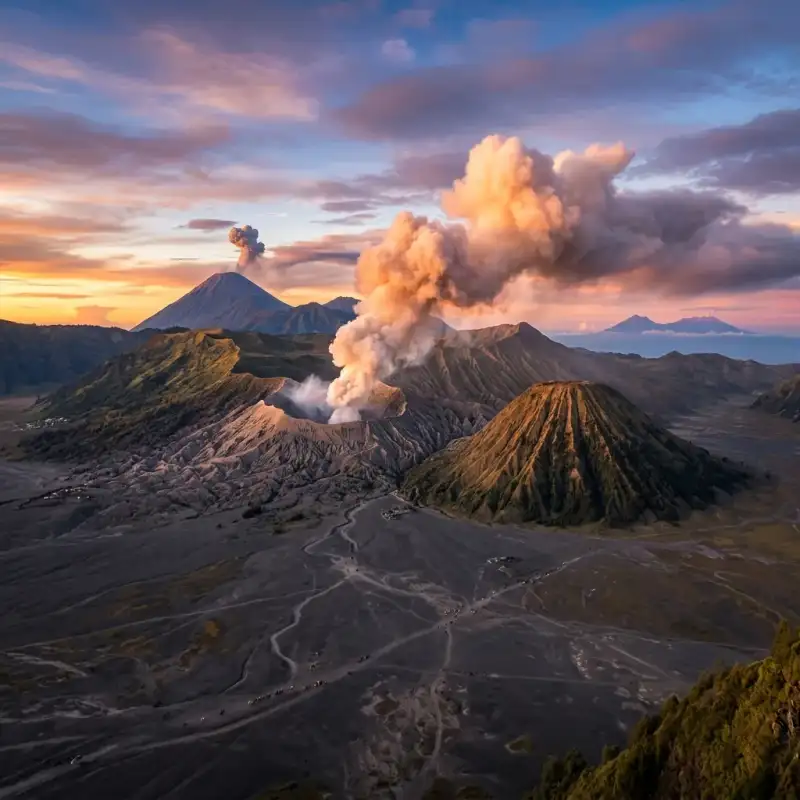
Indonesia, an archipelago born of fire, offers some of the planet’s most breathtaking and accessible volcanic landscapes. While Bali captivates with its serene beaches and vibrant culture, just a short journey west lies the rugged, otherworldly beauty of East Java – home to two of the world's most iconic and active volcanoes: Mount Bromo and Kawah Ijen. For the intrepid traveler, the transition from Bali’s tranquil rice paddies to Java’s smoking craters isn't merely a change in scenery; it’s an immersive expedition into the raw, pulsating heart of the Earth. As Zola Ndlovu, an expert in transformative travel experiences, I can attest that the challenge of ascending these peaks is profoundly rewarding, revealing vistas that defy imagination and stories etched in sulfur and ash. This isn't just a travelogue; it's a meticulously researched, highly factual blueprint for navigating an adventure that combines logistical precision with unparalleled natural spectacle. Forget the hazy travel anecdotes; we're diving deep into the actionable intelligence you'll need – from visa particulars and transport costs to the specific geological phenomena of Ijen's blue flames and Bromo's sunrise majesty. We’ll dissect itineraries, equip you with crucial packing lists, and prepare you for the physical and environmental realities of trekking active stratovolcanoes. Whether you're a seasoned mountaineer or a curious wanderer seeking an extraordinary chapter in your travel saga, this comprehensive guide will empower you to not just witness, but truly conquer, Java's fiery peaks, making your journey from Bali’s shores to the volcanic heart of Indonesia an unforgettable triumph. Get ready to embark on an adventure that will redefine your understanding of natural grandeur.The Gateway to Java's Giants: From Bali to Banyuwangi Embarking on the trans-island volcanic adventure begins in Bali, specifically from its westernmost tip, to cross the narrow Bali Strait into Java. The primary objective is reaching Banyuwangi, East Java, a strategic hub and the closest major city to Kawah Ijen. The journey is multi-modal and offers a blend of local immersion and logistical efficiency, which can be tailored to various budgets and preferences. The initial leg from popular tourist centres in South Bali (e.g., Seminyak, Kuta, Ubud) to Gilimanuk Ferry Terminal typically takes between 3 to 4.5 hours, depending heavily on traffic and your chosen mode of transport. Options range from private taxis or rented cars (expect to pay IDR 500,000 – 700,000 for a car with driver one-way, a comfortable but pricier option) to shared shuttle buses (around IDR 150,000 – 250,000 per person, offering a balance of cost and convenience) or even public buses from Denpasar's Ubung Terminal (significantly cheaper, IDR 60,000 – 80,000, but often slower and less direct). For independent adventurers, renting a scooter or motorcycle (IDR 70,000 – 100,000 per day) is an option, though the long journey and heavy traffic towards Gilimanuk can be challenging for inexperienced riders. Upon arrival at Gilimanuk, the transition to the Ketapang Ferry Terminal in Banyuwangi, Java, is seamless. Ferries operate 24 hours a day, departing every 20-30 minutes, ensuring minimal waiting time. The crossing itself is remarkably short, typically 30 to 45 minutes across the strait. Foot passenger tickets are incredibly affordable, usually costing around IDR 8,500 (approximately USD 0.55). If you're bringing a scooter, the cost is around IDR 29,000. These figures are consistent with local government tariffs and are highly reliable. The ferry ride provides scenic views, often accompanied by local vendors selling snacks and drinks. Once disembarking at Ketapang, you're officially in Banyuwangi. The ferry terminal is conveniently located near Banyuwangi Kota (formerly Karangasem) train station and the city centre. From Ketapang, a short taxi ride, Go-Jek (motorcycle taxi), or Grab car can take you to your accommodation in Banyuwangi city. Expect to pay IDR 20,000 – 50,000 for a local ride depending on distance and negotiation. Banyuwangi offers a range of accommodations, from budget guesthouses starting at IDR 100,000 per night to mid-range hotels like Hotel Santika or Aston Hotel Banyuwangi around IDR 400,000 – 700,000 per night, providing comfortable bases for your Ijen ascent. Securing a comfortable stay allows for crucial rest before the challenging pre-dawn hike to Kawah Ijen.Kawah Ijen's Ethereal Blue Flames and Turquoise Lake Kawah Ijen, perched at an elevation of 2,799 metres (9,183 feet) above sea level, is a stratovolcano that offers one of Earth's most unique nocturnal spectacles: the ethereal blue flames, an incredible natural phenomenon that occurs when sulfuric gases, emerging from cracks at temperatures up to 360°C (680°F), ignite upon contact with the oxygen-rich air. This visible combustion produces the iconic blue light, often described as lava-like, though it's purely burning gas. To witness this requires a midnight start, typically between 12:00 AM and 1:00 AM, ensuring you're at the crater rim before dawn. The trek to the crater rim from the Paltuding ranger post is approximately 3 kilometres (1.8 miles) with an elevation gain of around 500 metres (1,640 feet). The path is steep and challenging in sections, particularly in the dark, and takes approximately 1.5 to 2 hours for a reasonably fit individual. Once at the rim, a further perilous descent into the crater (approximately 800 metres) is required to get closer to the blue flames. This descent is unofficial and hazardous, involving navigating loose rocks and steep, narrow paths. While many tourists undertake it, it is not without risk, especially given the low light and the highly acidic environment. The main draw beyond the blue flames is the spectacular turquoise acid lake, the largest highly acidic crater lake in the world, with a pH of approximately 0.5. The vibrant colour comes from its high concentration of sulfuric and hydrochloric acids. This lake is also the site of a traditional sulfur mining operation, where local miners endure arduous conditions, carrying loads of up to 80-100 kg of solidified sulfur up and down the crater walls. Engaging with these miners, with respect and understanding, offers a humbling glimpse into their incredibly challenging livelihood. Essential gear for Ijen includes a high-quality gas mask (critical for protection against sulfuric fumes, which can cause respiratory irritation and eye discomfort; rentals are available at the base for IDR 30,000 – 50,000, but bringing your own is advisable for hygiene and fit), a powerful headlamp, sturdy hiking boots, warm layers (temperatures can drop significantly at altitude), and plenty of water. The foreign tourist entrance fee for Kawah Ijen is IDR 100,000 on weekdays and IDR 150,000 on weekends/public holidays. These fees contribute to park maintenance and local community initiatives. Safety is paramount; follow ranger instructions, consider hiring a local guide (approx. IDR 100,000-200,000), and be aware of your surroundings, especially when descending into the crater. The fumes can be overwhelming, and visibility can be poor. Mount Bromo's Volcanic Majesty and Sunrise Spectacle From the raw, elemental beauty of Kawah Ijen, the journey continues to the iconic Mount Bromo, part of the Bromo Tengger Semeru National Park. Located in East Java, Bromo's peak stands at 2,329 metres (7,641 feet) and is famous for its breathtaking sunrise views, its perpetually smoking crater, and the vast, ethereal "Sea of Sand" (Lautan Pasir) caldera surrounding it. The typical approach after visiting Ijen is to travel from Banyuwangi to Probolinggo (the main gateway town), and then onward to Cemoro Lawang, the village perched on the rim of the caldera, offering direct access to Bromo. Getting from Banyuwangi to Cemoro Lawang usually involves a train ride from Banyuwangi Kota (Karangasem) station to Probolinggo station. Popular train services include the Sri Tanjung or Tawang Alun, with tickets ranging from IDR 60,000 (economy) to IDR 150,000 (executive) for the approximately 4-5 hour journey. From Probolinggo, public minivans (colt) or shared jeeps (approx. IDR 50,000 – 75,000 per person) shuttle travellers up to Cemoro Lawang, taking about 1.5 to 2 hours on a winding, often congested road. Organized tours frequently bundle this transport. The quintessential Bromo experience begins with a pre-dawn ascent to one of the designated viewpoints. Penanjakan 1 (2,770m/9,088ft) is the most popular, offering panoramic views of Bromo, Mount Batok, and the active Mount Semeru in the distance, bathed in the hues of dawn. Other excellent viewpoints include King Kong Hill and Seruni Point, which are often less crowded. Most visitors hire a 4x4 jeep (IDR 500,000 – 700,000 per jeep, accommodating 4-6 people) to reach these viewpoints, departing from Cemoro Lawang around 3:00-3:30 AM. After sunrise, the jeeps descend into the Sea of Sand, driving across the volcanic ash desert to the base of Mount Bromo. From the jeep drop-off point, it's approximately a 20-30 minute walk across the sandy plain to the base of Bromo's cone. Here, a set of 250 concrete steps leads directly to the crater rim. The ascent is moderate, but the loose sand and the altitude can make it tiring. At the top, you're greeted by the mesmerizing sight and sound of the active crater, continuously spewing white sulfuric smoke. The foreign tourist entrance fee for Bromo Tengger Semeru National Park is IDR 220,000 on weekdays and IDR 320,000 on weekends/public holidays. The best time to visit is during the dry season (May to October) for clear skies, though it remains a popular destination year-round.Strategic Planning & Essential Preparations for the Volcanic Traverse Successfully navigating the Bali-Java volcanic expedition requires meticulous planning and preparation. Combining Kawah Ijen and Mount Bromo into a seamless itinerary typically spans 2 to 3 days from the moment you leave Bali. A common itinerary involves traveling from Bali to Banyuwangi, hiking Ijen on the first night/early morning, then proceeding to Cemoro Lawang for the Bromo sunrise the following morning. This intense schedule is rewarding but demands good physical fitness and efficient logistics. For the budget-conscious and adventurous, independent travel offers maximum flexibility. You manage your own transport bookings (ferry, trains, local minivans), accommodation reservations, and park entrance fees. While potentially cheaper overall, it requires more time, research, and comfort with local navigation, including potential language barriers (Bahasa Indonesia is essential for non-touristy areas). For example, booking train tickets via the KAI Access app (Indonesian Railways) can simplify this, but requires an Indonesian SIM card and payment methods. Alternatively, numerous tour operators in Bali (e.g., Kuta, Ubud, Seminyak) and Banyuwangi offer all-inclusive packages. These typically cover transfers from Bali, ferry tickets, private transport in Java, accommodation, park entrance fees, and sometimes even local guides. A 2-day/1-night Ijen-Bromo tour from Bali can range from IDR 1,500,000 to IDR 3,000,000 (approximately USD 100-200), depending on the group size, quality of accommodation, and inclusions. While more expensive, these tours provide convenience, especially for those with limited time or who prefer a hassle-free experience. Essential Packing List:Clothing: Layering is key. Lightweight wicking base layers, a fleece or insulated jacket, and a wind/waterproof outer shell are crucial for cold pre-dawn temperatures (can drop to 5-10°C / 40-50°F at altitude) and potential rain. A change of clothes for after the hikes. Footwear: Sturdy, broken-in hiking boots with good ankle support are indispensable for the uneven terrain of both Ijen and Bromo. Headlamp/Flashlight: Absolutely critical for midnight treks. Ensure it has fresh batteries. Gas Mask: As mentioned, vital for Ijen. Either rent at base or bring your own. Sun Protection: Hat, sunglasses, and high-SPF sunscreen for daylight hours, especially at Bromo, where the sun can be intense. Hydration: At least 2-3 litres of water per person for each hike. Dehydration can exacerbate altitude effects. Snacks: Energy bars, fruit, nuts to keep energy levels up. Personal First Aid: Basic kit with pain relievers, blister plasters, antiseptic wipes. Camera Gear: Protection from dust and sulfur is advisable. Small Backpack: For essentials during the hike. Cash (IDR): For small purchases, local food, and tips. ATMs are available in Banyuwangi and Probolinggo but rare near the parks.Physical Fitness and Altitude: While neither Bromo nor Ijen are extremely high-altitude treks, their elevations can still cause mild altitude sickness symptoms (headache, nausea) in some individuals. Ensure you are well-rested, hydrated, and listen to your body. Regular moderate exercise leading up to the trip will greatly enhance your enjoyment. Indonesia offers a visa-free entry for up to 30 days for citizens of over 80 countries, including most of Europe, North America, Australia, and parts of Asia. For other nationalities, a Visa on Arrival (VOA) is available at major airports for IDR 500,000 (approx. USD 35), valid for 30 days and extendable once. Always check the latest visa regulations for your specific nationality before travel.Beyond the Peaks: Embracing East Java's Cultural & Culinary Delights While the primary draw is the volcanic grandeur, East Java offers a rich tapestry of cultural and culinary experiences that enrich the adventure. Venturing beyond the peaks provides a deeper understanding of the region's unique identity, distinct from Bali's Hindu-centric culture. East Java is predominantly Muslim, with influences from Javanese, Madurese, and Tenggerese ethnic groups. Local Cuisine: East Javanese cuisine is flavourful and hearty.Nasi Pecel: A staple, featuring mixed vegetables with peanut sauce, served with rice, often accompanied by peyek (peanut brittle crackers) or rempeyek (rice flour crackers). A local, nutritious and affordable meal, typically costing IDR 15,000 – 25,000. Rawon: A distinctive black beef soup, gaining its colour from the keluak (black nut), offering a unique umami flavour. A must-try, available for IDR 25,000 – 40,000. Soto Ayam: A comforting chicken soup with turmeric broth, vermicelli, and various toppings. Ubiquitous and delicious, priced around IDR 20,000 – 35,000. Bakso: Indonesian meatball soup, a popular street food snack. Prices start from IDR 10,000. Local Coffee: East Java is a coffee-growing region. Enjoy robust local blends, often served strong and sweet. Cafes in Banyuwangi and Probolinggo offer a range of options, with a cup typically costing IDR 15,000 – 30,000.Other Attractions in East Java: Consider extending your trip to include:Madakaripura Waterfall: Often combined with Bromo tours, this majestic waterfall is about 1 hour from Cemoro Lawang. It's shrouded in mist and legend, requiring a trek through a canyon to reach its main basin. Entrance fee: IDR 20,000 – 30,000, plus optional local guide. Baluran National Park: Known as "Africa van Java," this park, located near Banyuwangi, boasts savannah landscapes, acacia forests, and a diverse range of wildlife including Javan banteng, deer, and various bird species. A striking contrast to the volcanic scenery. Entrance fee for foreigners: IDR 160,000 (weekdays) / IDR 240,000 (weekends). Tumpak Sewu Waterfall: While a bit further south and requiring more travel time, this multi-tiered waterfall near Lumajang is considered by many to be the most beautiful in Java, a truly spectacular natural wonder.Connectivity and Currency: Stay connected with a local SIM card. Providers like Telkomsel (best coverage, especially in remote areas) and XL Axiata offer affordable data packages. A 10GB data package costs approximately IDR 50,000 – 70,000. Indonesian Rupiah (IDR) is the local currency. ATMs are widely available in major towns like Banyuwangi, Probolinggo, and Surabaya, but carrying smaller denominations of cash is crucial for rural areas and street vendors. The exchange rate fluctuates, but roughly 1 USD is equivalent to IDR 15,500. Engaging with local communities, particularly the Tenggerese people around Bromo, provides a unique cultural insight. They are a Hindu minority in a predominantly Muslim region, with distinct traditions and a deep reverence for the mountain spirits. Practising respectful tourism, such as supporting local vendors, disposing of waste responsibly, and being mindful of local customs, ensures a positive impact and a richer travel experience for everyone. Estimated 3-Day Independent Volcano Trek Costs (Bali to Java) This table provides a realistic cost breakdown for a solo independent traveler undertaking the Bali-Java volcano trek over approximately 3 days, excluding international flights and personal shopping. Prices are approximate and subject to change based on seasonality, negotiation skills, and personal choices.Category Item Estimated Cost (IDR) Estimated Cost (USD) NotesDay 1: Bali to BanyuwangiTransport (Bali) Shuttle Bus (South Bali to Gilimanuk) 200,000 13 Varies by starting point and operatorFerry Gilimanuk to Ketapang (foot passenger) 8,500 0.55 Fixed tariffTransport (Banyuwangi) Taxi/Go-Jek (Ketapang to Hotel) 30,000 2 Negotiable, depends on distanceAccommodation Budget Guesthouse (Banyuwangi, 1 night) 150,000 10 Basic, clean roomFood 2 Meals (Banyuwangi) 70,000 4.5 Local warung food (IDR 25k-45k/meal)Day 2: Kawah Ijen Trek & Travel to Cemoro LawangIjen Transport Shared Car/Motorbike to Paltuding 150,000 10 Return trip from Banyuwangi, often shared with other hikersIjen Entrance Fee Foreigner Weekend Ticket 150,000 10 Weekday: IDR 100k. Budget for peak price.Gas Mask Rental40,000 2.5 Essential for safetyTrain Banyuwangi to Probolinggo (Economy) 60,000 4 Sri Tanjung or Tawang Alun train. Executive option is ~IDR 150k.Transport (Probolinggo) Shared Minivan to Cemoro Lawang 75,000 5 Often packed, can negotiate for better space.Accommodation Budget Homestay (Cemoro Lawang, 1 night) 200,000 13 Very basic, sometimes no hot water. Higher-end options available.Food 3 Meals (packed lunch, dinner Cemoro Lawang) 120,000 8 Food options limited/pricier in Cemoro Lawang.Day 3: Mount Bromo Sunrise & DepartureBromo Jeep Tour Shared Jeep (to Viewpoint & Crater) 150,000 10 Based on 4-6 people per jeep (total IDR 600k-900k).Bromo Entrance Fee Foreigner Weekend Ticket 320,000 20.5 Weekday: IDR 220k. Budget for peak price.Food 1 Meal (Breakfast) 30,000 2 Simple breakfast.Miscellaneous Snacks, Water, Tips, SIM card 100,000 6.5 Buffer for unexpected costs. SIM card costs around IDR 50k-70k for data.TOTAL ESTIMATED COSTS (approx.)1,963,500 126.05 Excludes return transport from Java and major splurges.Note: 1 USD ≈ IDR 15,500 for calculation purposes.The journey from Bali's tropical allure to the stark, powerful landscapes of Java's volcanoes is more than just a trip; it's a profound odyssey that carves itself into the memory. Witnessing the incandescent blue flames of Kawah Ijen, a phenomenon rare on Earth, followed by the majestic sunrise over Mount Bromo's smoking crater, surrounded by the lunar expanse of its caldera, offers a singular experience of nature's raw, untamed power. This adventure demands preparation, physical endurance, and a spirit of resilience, but the rewards—the awe-inspiring vistas, the humbling encounters with the local communities, and the sheer triumph of conquering these formidable peaks—are immeasurable. As Zola Ndlovu, I advocate for travel that challenges, inspires, and educates. The volcanic heart of Indonesia does precisely that, offering a deep dive into geological wonders, cultural nuances, and personal limits. With this detailed guide, you are now equipped with the factual data and strategic insights to plan your own epic traverse. Embrace the challenge, respect the environment, and prepare to be utterly captivated. Indonesia's fiery peaks await your footprints, ready to etch another unforgettable chapter into your global adventures.#IndonesiaTravel #VolcanoHiking #MountBromo #KawahIjen #AdventureTravel #EastJava