Showing Posts From
Italian cuisine
-
 Isabella Rossi
 - 22 Jul, 2026 10:39
From Naples to Your Kitchen: Mastering the Sacred Art of Authentic Neapolitan Pizza
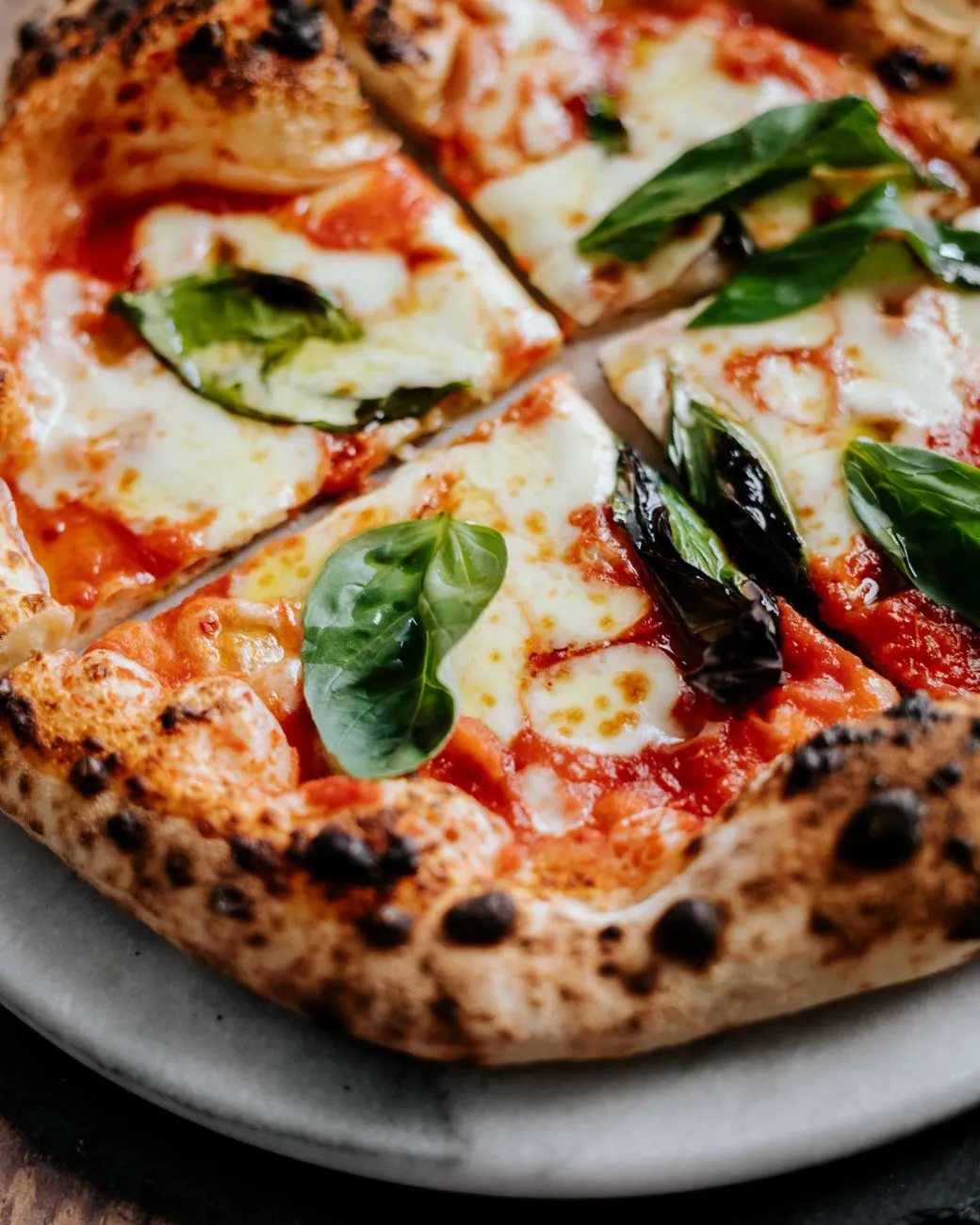
There is no dish in the world more revered, debated, and passionately defended than Neapolitan pizza. Born in the working-class neighborhoods of Naples in the late 18th century, this humble creation—flour, water, salt, and tomatoes—rose to become a global icon, a UNESCO-recognized cultural treasure, and the benchmark against which all other pizzas are judged. Yet, despite its ubiquity, true Neapolitan pizza remains elusive outside the volcanic slopes of Mount Vesuvius. Why? Because authenticity is not a recipe—it is a philosophy. To make Neapolitan pizza at home is to embark on a journey of precision, patience, and reverence. It demands respect for tradition, an understanding of fermentation, and an almost spiritual connection to the ingredients. This is not the quick, cheesy, deep-dish experiment of Chicago or the crispy, thin-crust affair of New York. This is pizza napoletana—soft, leopard-spotted crust with a charred, blistered cornicione, a sauce so bright it sings of San Marzano tomatoes, and a center so delicate it melts on the tongue like a summer breeze off the Bay of Naples. In this guide, we will peel back the layers of myth and misconception to reveal the science, history, and technique behind crafting an authentic Neapolitan pizza in your own kitchen. Whether you own a $10,000 wood-fired oven or a basic home oven, the principles remain the same: respect the dough, honor the ingredients, and let time do the work.The Soul of Neapolitan Pizza: Understanding the Dough At the heart of every great Neapolitan pizza lies its dough—a living organism of flour, water, salt, and time. Unlike commercial pizza doughs that rely on yeast for rapid rise, Neapolitan dough is a testament to slow fermentation, where microbial activity and enzymatic breakdown transform simple ingredients into a complex, flavorful base. The Ingredients: Less Is More The dough recipe is deceptively simple:Type 00 flour (100%): This finely milled, low-protein flour from Italy is the gold standard. It produces a tender, elastic dough with minimal gluten development, crucial for the characteristic softness of Neapolitan crust. Water (60–65%): The hydration level affects the dough’s extensibility and final texture. Neapolitan dough typically falls between 60–65% hydration, yielding a supple, slightly sticky dough that’s easy to work with. Sea salt (2–3%): Salt enhances flavor and strengthens the gluten network. Neapolitan dough uses minimal salt to preserve the natural sweetness of the flour. Fresh yeast (0.1–0.2%): A tiny amount of fresh yeast (or 0.02–0.05% of instant yeast) kickstarts fermentation. The key is patience—long, cold fermentation develops flavor without over-proofing.The Fermentation Process: A Symphony of Time Neapolitan dough undergoes a long, cold fermentation, typically 24–48 hours at 4–6°C (39–43°F). This slow rise allows:Lactic and acetic acid bacteria to develop, contributing to the dough’s tangy complexity. Proteolytic enzymes to break down proteins, tenderizing the gluten. Gas retention to improve oven spring and crust structure.For home bakers, this means preparing the dough 24–48 hours before baking. Divide the dough into 250–280g portions (traditional Neapolitan pizza size), shape into balls, and refrigerate in airtight containers. Remove the dough 2–3 hours before baking to allow it to warm slightly and relax. Kneading and Shaping: The Art of Hand Work Neapolitan dough is never kneaded aggressively. Instead, it’s gently stretched and folded during the bulk fermentation phase to develop gluten without overworking it. The final shaping is done by hand—no rolling pins allowed. The dough is pressed from the center outward, leaving a thick, airy cornicione (crust edge) that puffs up in the oven.The Fire of Naples: Mastering the Oven The soul of Neapolitan pizza is not just in the dough—it’s in the fire. Traditional Neapolitan pizza is baked in a wood-fired dome oven at temperatures between 430–485°C (806–905°F) for just 60–90 seconds. This extreme heat creates the signature charred spots (leopard spotting) and blistered cornicione while keeping the center soft and moist. Wood-Fired Ovens: The Gold Standard A true Neapolitan pizza oven is made of refractory brick and fired with hardwood (typically oak or chestnut). The dome shape ensures even heat distribution, and the fire is built in the center, radiating heat outward. The pizza is launched onto the oven floor using a long wooden peel, where it cooks quickly under direct radiant and convective heat. For home cooks, replicating this environment is challenging but not impossible. Here are your options:Oven Type Max Temp Baking Time Authenticity LevelWood-fired oven 430–485°C (806–905°F) 60–90 sec ★★★★★Outdoor pizza oven (propane) 370–430°C (700–800°F) 90–120 sec ★★★★☆Home oven (with broiler) 260–290°C (500–550°F) 5–7 min ★★★☆☆Home oven (with pizza stone) 260–290°C (500–550°F) 8–12 min ★★☆☆☆Home Oven Hacks for Neapolitan-Style Pizza Since most home ovens max out at 260–290°C (500–550°F), you’ll need to mimic the conditions of a wood-fired oven:Preheat for at least 1 hour to ensure the stone or steel reaches maximum temperature. Use a pizza stone or steel to absorb and radiate heat. A steel plate (like a baking steel) is superior for heat retention. Add a broiler pan filled with lava rocks or a cast-iron skillet to create a smoky, high-heat environment. Bake on the highest oven rack to maximize exposure to the broiler’s direct heat. Use a pizza peel to launch the pizza quickly and retrieve it with minimal heat loss.The Baking Process: Timing and Technique Neapolitan pizza bakes in stages:First 30 seconds: The crust blisters and puffs up as moisture evaporates. Next 30 seconds: The sauce caramelizes slightly, and the cheese melts. Final 30 seconds: The toppings set, and the crust develops its characteristic char.For home ovens, expect 5–12 minutes depending on your setup. The goal is a soft, chewy center with a charred, leopard-spotted crust—not a crispy, dry pizza.The Sacred Toppings: Sauce, Cheese, and Beyond Neapolitan pizza is not about abundance—it’s about simplicity and quality. The Associazione Verace Pizza Napoletana (AVPN), the governing body of authentic Neapolitan pizza, has strict rules about toppings. Only three variations are officially recognized:Marinara: Tomato sauce, garlic, oregano, and olive oil. Margherita: Tomato sauce, fresh mozzarella (fior di latte or buffalo mozzarella), basil, and olive oil. Marinara with Oregano: A variation of the classic marinara with added oregano.The Sauce: San Marzano Tomatoes The soul of Neapolitan pizza lies in its sauce, made from San Marzano tomatoes—a variety grown in the volcanic soil near Mount Vesuvius. These tomatoes are:Low-acid, with a sweet, rich flavor. Meatier and less watery than standard canned tomatoes. Peeled and crushed by hand (no blender!) to preserve texture.The sauce is simply crushed tomatoes, salt, and a drizzle of olive oil, simmered for just 10–15 minutes to concentrate the flavor. No garlic, no herbs—just the pure essence of the tomato. The Cheese: Mozzarella di Bufala or Fior di Latte Authentic Neapolitan pizza uses fresh mozzarella, either:Mozzarella di Bufala Campana DOP: Made from buffalo milk, it’s creamier and tangier. Fior di Latte: Made from cow’s milk, it’s milder and more widely available.The cheese is drained well (to avoid a soggy crust) and torn by hand (never sliced) to create irregular, melty patches. A light sprinkle of Parmigiano-Reggiano can be added for umami depth, but it’s not traditional. The Finishing Touches: Olive Oil and Basil A drizzle of extra-virgin olive oil (preferably from Campania) is added after baking to enhance flavor and sheen. Fresh basil leaves are placed on top of the pizza just before serving to preserve their aroma.Troubleshooting and Common Mistakes Even the most experienced pizza makers encounter challenges. Here are the most common pitfalls and how to avoid them: Problem: Dough Doesn’t Rise Cause: Old or inactive yeast, cold fermentation temperatures, or insufficient fermentation time. Solution: Use fresh yeast (or instant yeast in small quantities), ferment at 4–6°C (39–43°F), and extend fermentation to 48 hours if needed. Problem: Crust is Too Dense Cause: Over-kneading, high-protein flour, or insufficient fermentation. Solution: Use Type 00 flour, knead gently, and ferment longer to develop gluten naturally. Problem: Pizza Sticks to the Peel Cause: Insufficient flour on the peel or dough too wet. Solution: Use semolina or rice flour on the peel, and ensure the dough is well-floured before shaping. Problem: Cheese Makes the Pizza Soggy Cause: Using pre-shredded cheese (which contains anti-caking agents) or not draining mozzarella properly. Solution: Use fresh mozzarella, drain it well, and tear it by hand. Problem: Crust Doesn’t Char Cause: Oven not hot enough or baking too long. Solution: Preheat the oven and stone for at least 1 hour, and bake at the highest possible temperature for the shortest time.Conclusion & Sign-off Crafting an authentic Neapolitan pizza at home is not just about following a recipe—it’s about embracing a philosophy. It’s about patience, respect for ingredients, and a willingness to let time and fire work their magic. The result is a pizza that transcends the ordinary: a harmonious blend of crisp and soft, tangy and sweet, charred and delicate. As you embark on your Neapolitan pizza journey, remember that perfection is not the goal—authenticity is. Each pizza you make will be a reflection of your environment, your ingredients, and your dedication. Whether it’s your first attempt or your fiftieth, the process itself is a celebration of one of Italy’s greatest culinary gifts. So fire up your oven, dust off your peel, and let the spirit of Naples guide your hands. The world’s best pizza might just be the one you make tonight.#NeapolitanPizza #AuthenticItalianFood #HomemadePizzaMagic #WoodFiredLove #PizzaPerfection Related InsightsCoq au Vin: A Healthy Twist on a Classic Dish Misal Pav: Maharashtra's Fiery Breakfast Die Straßen von Mumbai: Ein kulinarischer Traum{ "@context": "https://schema.org", "@type": "FAQPage", "mainEntity": [ { "@type": "Question", "name": "What is the main focus of From Naples to Your Kitchen: Mastering the Sacred Art of Authentic Neapolitan Pizza?", "acceptedAnswer": { "@type": "Answer", "text": "Unlock the secrets of Italy’s most beloved culinary treasure with this definitive guide to crafting true Neapolitan pizza in your own oven." } }, { "@type": "Question", "name": "Who authored the comprehensive guide on From Naples to Your Kitchen: Mastering the Sacred Art of Authentic Neapolitan Pizza?", "acceptedAnswer": { "@type": "Answer", "text": "This detailed article and its insights were carefully researched and authored by Isabella Rossi." } }, { "@type": "Question", "name": "Where can I find more related content about Food?", "acceptedAnswer": { "@type": "Answer", "text": "You can explore more articles, detailed reviews, and similar insights by browsing the Related Insights section at the bottom of this article or visiting our dedicated Food category page." } } ] }
Introduction to the Caprese Salad The Caprese salad, a dish that embodies the essence of Italian cuisine, is more than just a simple salad. It's a symphony of flavors, textures, and aromas that come together to create a culinary experience like no other. According to recent studies, the ingredients used in this salad, particularly tomatoes and extra virgin olive oil, are rich in antioxidants, which play a crucial role in maintaining our overall health. Research on antioxidants shows that they help protect the body against free radicals, which can cause oxidative stress and lead to chronic diseases such as heart disease, cancer, and Alzheimer's.The Health Benefits of Tomatoes Tomatoes, one of the main ingredients in the Caprese salad, are a rich source of antioxidants, including lycopene, beta-carotene, and vitamin C. These compounds have been shown to have numerous health benefits, including reducing the risk of certain cancers, such as prostate cancer, and protecting against heart disease. The antioxidant properties of tomatoes also help to reduce inflammation and improve cognitive function. Furthermore, tomatoes are low in calories and high in fiber, making them an excellent addition to a weight management diet.The Nutritional Value of Wild Arugula Wild arugula, with its peppery flavor and delicate texture, adds a unique dimension to the Caprese salad. This leafy green is rich in vitamins A, C, and K, as well as minerals such as calcium and iron. The antioxidants present in wild arugula, including kaempferol and quercetin, have been shown to have anti-inflammatory properties, which can help to reduce the risk of chronic diseases. Additionally, the fiber content in wild arugula can help to promote digestive health and support healthy blood sugar levels. Extra Virgin Olive Oil: A Rich Source of Antioxidants Extra virgin olive oil, the dressing of choice for the Caprese salad, is a rich source of antioxidants, including vitamin E and polyphenols. These compounds have been shown to have numerous health benefits, including reducing inflammation, improving heart health, and protecting against certain cancers. The high levels of antioxidants in extra virgin olive oil also help to protect against cell damage and promote overall health and well-being.The Cultural Significance of the Caprese Salad The Caprese salad, with its simple yet elegant composition, is a dish that is deeply rooted in Italian culture. The salad is typically served as an antipasto or side dish, and its ingredients are often sourced from local farms and producers. The use of fresh mozzarella, tomatoes, and basil in the Caprese salad is a testament to the Italian tradition of using high-quality, seasonal ingredients to create delicious and memorable meals. Preparing the Caprese Salad To prepare the Caprese salad, start by arranging the sliced tomatoes on a large plate or platter. Top each tomato slice with a round of fresh mozzarella cheese. Drizzle the extra virgin olive oil over the salad and sprinkle with salt and pepper. Add the wild arugula to the salad and drizzle with balsamic vinegar. Finally, garnish with fresh basil leaves and serve immediately. Tips and Variations To add some variety to the Caprese salad, consider using different types of tomatoes, such as heirloom or cherry tomatoes. You can also add other ingredients, such as sliced avocado or prosciutto, to give the salad a unique twist. For a lighter version of the salad, use less mozzarella cheese and add more wild arugula. Experiment with different types of olive oil, such as infused or flavored oils, to add more depth and complexity to the salad.#HealthyLiving #Gastronomy #AntioxidantRich #ItalianCuisine Related InsightsRussian Vinaigrette Salad: A High Fiber Masterpiece Tuscan White Bean and Kale Stew: A High Fiber Delight The Wild Yeast Revolution: Beyond the Loaf into the World of Fermented Alchemy{ "@context": "https://schema.org", "@type": "FAQPage", "mainEntity": [ { "@type": "Question", "name": "What is the main focus of Caprese Salad: A Symphony of Flavors and Antioxidants?", "acceptedAnswer": { "@type": "Answer", "text": "Indulge in the rich flavors of Italy with our Caprese salad recipe, featuring fresh mozzarella, juicy tomatoes, and fragrant basil, all brought together with the goodness of extra virgin olive oil and the peppery bite of wild arugula." } }, { "@type": "Question", "name": "Who authored the comprehensive guide on Caprese Salad: A Symphony of Flavors and Antioxidants?", "acceptedAnswer": { "@type": "Answer", "text": "This detailed article and its insights were carefully researched and authored by Marco Rossi." } }, { "@type": "Question", "name": "Where can I find more related content about Food?", "acceptedAnswer": { "@type": "Answer", "text": "You can explore more articles, detailed reviews, and similar insights by browsing the Related Insights section at the bottom of this article or visiting our dedicated Food category page." } } ] }

-
 Marco Rossi
 - 15 Jun, 2026 17:16
Delighting in the Flavors of Lemony Chicken Piccata with Capers and Spinach
Introduction to Lemony Chicken Piccata Lemony Chicken Piccata with Capers and Spinach is a dish that embodies the perfect marriage of flavors and health benefits. This classic Italian recipe, with its origins in the northern regions of Italy, has been a staple of Mediterranean cuisine for centuries. According to recent studies on nutrition, meals rich in lean protein, such as chicken breast, can significantly contribute to a healthy diet by providing essential amino acids without the high levels of saturated fats found in other protein sources. Research on lean protein shows that it can help promote muscle growth and maintenance, as well as support weight management efforts.The addition of capers, which are pickled flower buds, not only adds a burst of salty flavor to the dish but also provides a source of antioxidants. Capers have been shown to contain high levels of vitamin K and various flavonoids, which can contribute to overall health by supporting bone health and acting as anti-inflammatory agents. Furthermore, the use of fresh spinach leaves adds a nutritional punch, as spinach is rich in vitamins A, C, and K, as well as iron and folate, making this dish not just delicious but also highly nutritious. Preparing the Ingredients To prepare this delightful dish, one must first assemble the necessary ingredients. The chicken breasts, being the centerpiece of the meal, should be fresh and of high quality. According to food safety guidelines, it's crucial to handle and store chicken properly to avoid contamination. The flour used for dredging the chicken should be all-purpose, providing a light, even coating without overpowering the other flavors. For the sauce, a combination of butter, olive oil, garlic, white wine, chicken broth, and freshly squeezed lemon juice creates a rich and tangy flavor profile. The lemon juice, in particular, adds a brightness to the dish, cutting through the richness of the butter and olive oil, while also providing a boost of vitamin C. Cooking the Chicken Cooking the chicken breasts to the right level of doneness is crucial for both safety and flavor. The internal temperature should reach 165°F (74°C) to ensure that any harmful bacteria are killed. Using a thermometer is the best way to check for doneness, but for those without one, cutting into the thickest part of the breast to check for juices that run clear is a good indicator.The dredging process in flour before cooking helps to create a crust on the chicken, which not only adds texture but also helps to seal in the juices. This is a critical step in achieving moist and flavorful chicken breasts. Making the Sauce The sauce for Chicken Piccata is where the dish truly comes alive with flavor. The combination of white wine, chicken broth, and lemon juice creates a light and zesty sauce that complements the chicken perfectly. The process of reducing the sauce concentrates the flavors, making each bite intensely satisfying.Adding capers towards the end of the sauce's cooking time allows their unique flavor to meld into the sauce without overpowering the other ingredients. Finally, incorporating fresh spinach leaves into the sauce just before serving not only adds a burst of color to the dish but also a wealth of nutrients, as spinach is rich in vitamins and minerals. Serving and Enjoying To serve, place each chicken breast on a plate and spoon some of the delicious sauce over the top, making sure each bite will include a mix of the tender chicken, the flavorful sauce, and the nutritious spinach. This dish can be served with a variety of sides, such as quinoa, roasted vegetables, or a simple green salad, to round out the meal.Lemony Chicken Piccata with Capers and Spinach is a testament to the magic that happens when flavors and nutrition come together in harmony. Whether you're looking for a healthy meal option or simply a dish that will delight your taste buds, this recipe is sure to satisfy. As we continue to delve into the world of gastronomy and health, it's heartening to find dishes like this that remind us food can be both a pleasure and a path to wellness. #HealthyEating #ItalianCuisine #LeanProteinRecipes Related InsightsEchoes of the Sahel: Unearthing the Ancient Art and Culinary Alchemy of Fonio Prahok: The Fermented Soul of Cambodia's Culinary Identity Avocado and Poached Egg Toast on Sourdough{ "@context": "https://schema.org", "@type": "FAQPage", "mainEntity": [ { "@type": "Question", "name": "What is the main focus of Delighting in the Flavors of Lemony Chicken Piccata with Capers and Spinach?", "acceptedAnswer": { "@type": "Answer", "text": "Explore the culinary and health benefits of Chicken Piccata, a classic Italian dish packed with lean protein, capers, and spinach, all infused with the brightness of lemon." } }, { "@type": "Question", "name": "Who authored the comprehensive guide on Delighting in the Flavors of Lemony Chicken Piccata with Capers and Spinach?", "acceptedAnswer": { "@type": "Answer", "text": "This detailed article and its insights were carefully researched and authored by Marco Rossi." } }, { "@type": "Question", "name": "Where can I find more related content about Food?", "acceptedAnswer": { "@type": "Answer", "text": "You can explore more articles, detailed reviews, and similar insights by browsing the Related Insights section at the bottom of this article or visiting our dedicated Food category page." } } ] }