Showing Posts From
James and the giant
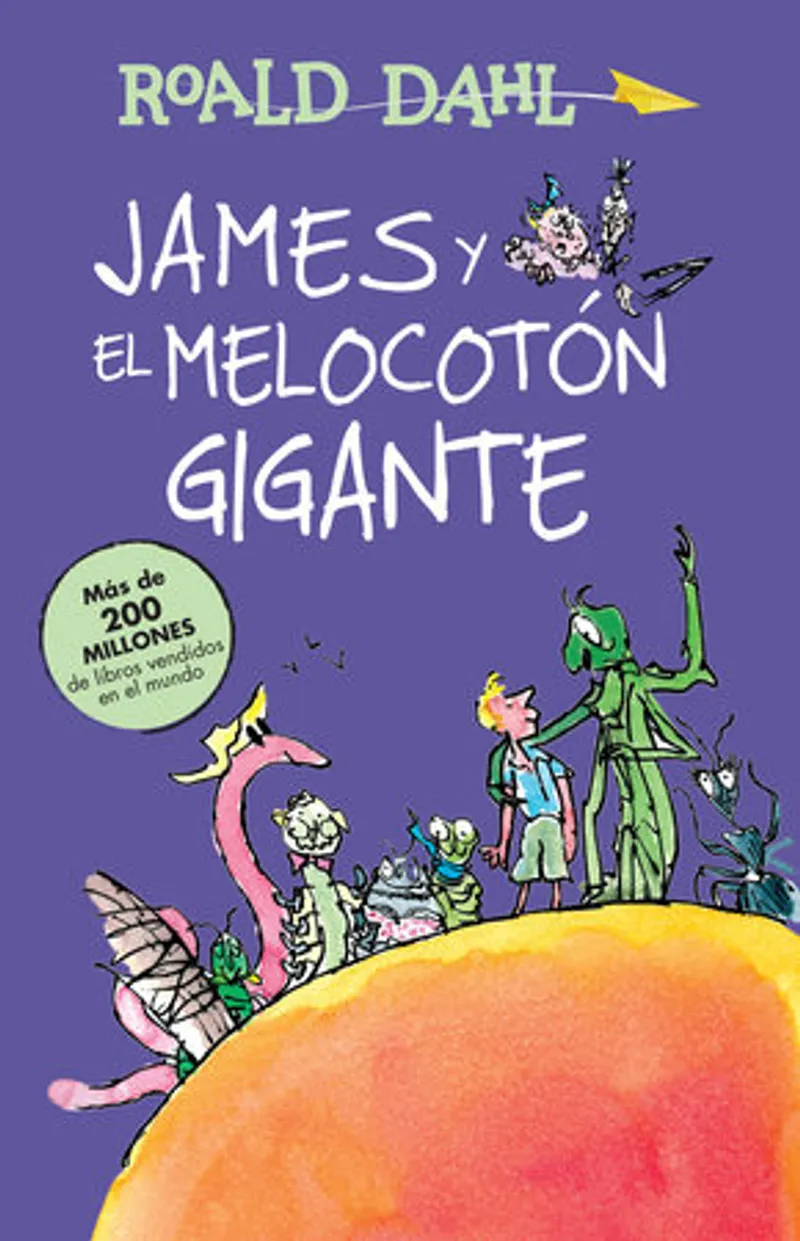
James y el melocotón gigante / James and the Giant Peach Author: Roald DahlPage Count: UnknownPublication Date: 2016-PRH James and the Giant Peach is a whimsical, darkly enchanting tale that showcases Roald Dahl’s unparalleled ability to blend the fantastical with the macabre, all while crafting a story that resonates with both children and adults. Published in 1961, this classic has endured the test of time, not just because of its imaginative plot but because of Dahl’s masterful storytelling—a blend of humor, heart, and just the right amount of mischief. At its core, James and the Giant Peach is a story about liberation and self-discovery. James, a lonely orphan shackled by the cruel whims of his two grotesque aunts, Spiker and Sponge, is a character every child can relate to—trapped in a world that feels unfair, stifling, and devoid of joy. But when a mysterious bag of magical green "crocodile tongues" (a euphemism for something far more sinister) transforms an ordinary peach tree into a colossal fruit, James’s life takes an extraordinary turn. The giant peach becomes his escape, a vessel that carries him—and a group of oversized, talking insects—on a journey across the Atlantic Ocean to New York City. Dahl’s genius lies in his ability to make the impossible feel utterly believable. The giant peach isn’t just a plot device; it’s a symbol of hope and transformation. For James, it represents freedom from his oppressive guardians, a chance to explore the world, and ultimately, a path to finding a family among the quirky, endearing insects who become his companions. Each of these creatures—Miss Spider, the Old-Green-Grasshopper, the Centipede, the Earthworm, the Ladybug, and the Silkworm—is a delightful caricature, each with distinct personalities that add depth and humor to the story. The Centipede, with his boastful antics, and the Earthworm, who is perpetually anxious, are particularly memorable, offering comic relief while also highlighting themes of acceptance and camaraderie. Dahl’s writing style is deceptively simple yet rich with vivid imagery and playful language. His prose is accessible to young readers, but it’s also laced with wit and subversive humor that adults can appreciate. For instance, the aunts are described in such exaggerated terms—"both as thin as whips and as bony as skeletons"—that they become almost caricatures of adult cruelty, making their eventual comeuppance all the more satisfying. The story’s darker undertones, such as the implied danger of the aunts’ neglect or the perilous journey across the ocean, are balanced by Dahl’s knack for turning fear into adventure. Even the insects, though intimidating in size, are portrayed with such warmth and humor that they feel like friends rather than threats. One of the most striking aspects of James and the Giant Peach is its subversion of expectations. Dahl doesn’t shy away from the grotesque or the absurd; instead, he embraces it. The giant peach itself is a surreal image, a fruit so large it could house a small boy and a colony of insects. The idea of a peach floating across the ocean, dodging sharks and seagulls, is pure fantasy, yet Dahl grounds it in a sense of wonder that makes it feel tangible. This balance between the magical and the mundane is what gives the story its enduring appeal. It’s a reminder that even in the most ordinary of lives, magic can be found—if only one knows where to look. The theme of family, both chosen and biological, is another layer that makes the book resonate. James’s journey isn’t just about escaping his aunts; it’s about finding a new kind of family among the insects. Each of them has their own quirks and flaws, but together, they form a makeshift family that supports and cares for James. This theme is particularly poignant in a story about an orphan, highlighting how family isn’t just about blood but about connection and mutual respect. Dahl’s ability to weave these themes into a narrative that is both entertaining and thought-provoking is what sets him apart as a children’s author. James and the Giant Peach isn’t just a fun adventure; it’s a story about resilience, friendship, and the power of imagination to transform even the most difficult circumstances. The giant peach, in this sense, is more than a fruit—it’s a metaphor for growth, for breaking free from constraints, and for embracing the unknown. In an era where children’s literature often errs on the side of saccharine or overly sanitized stories, Dahl’s willingness to embrace the strange, the dark, and the delightfully weird is refreshing. His stories don’t talk down to children; they challenge them, make them laugh, and sometimes even give them a little shiver of excitement. James and the Giant Peach is a perfect example of this. It’s a book that encourages readers to see the world through a lens of wonder, where even the most mundane things—a peach tree, a bag of magic crystals, a group of talking insects—can become the stuff of extraordinary adventures. For anyone who has ever felt trapped, whether by circumstance, expectation, or the whims of others, James’s story is a reminder that escape is possible—and that sometimes, the most unlikely heroes are the ones who find the courage to take the first step. And for those who haven’t, it’s a chance to step into a world where the impossible becomes possible, where a giant peach can change a life, and where even the smallest among us can find the strength to soar. #JamesAndTheGiantPeach #RoaldDahl #ChildrensLiterature #FantasyAdventure #ClassicBooks #ChildhoodFavorites Related InsightsThe Lost Language of Scented Books: Unearthing a Bibliophile's Olfactory History Green Eggs and Ham Book Review and Summary Klara and the Sun Book Review and Summary{ "@context": "https://schema.org", "@type": "FAQPage", "mainEntity": [ { "@type": "Question", "name": "What is the main focus of James and the Giant Peach Book Review and Summary?", "acceptedAnswer": { "@type": "Answer", "text": "Everything you need to know about James and the Giant Peach with our detailed review." } }, { "@type": "Question", "name": "Who authored the comprehensive guide on James and the Giant Peach Book Review and Summary?", "acceptedAnswer": { "@type": "Answer", "text": "This detailed article and its insights were carefully researched and authored by Roald Dahl." } }, { "@type": "Question", "name": "Where can I find more related content about Books?", "acceptedAnswer": { "@type": "Answer", "text": "You can explore more articles, detailed reviews, and similar insights by browsing the Related Insights section at the bottom of this article or visiting our dedicated Books category page." } } ] }