Showing Posts From
Jordan travel
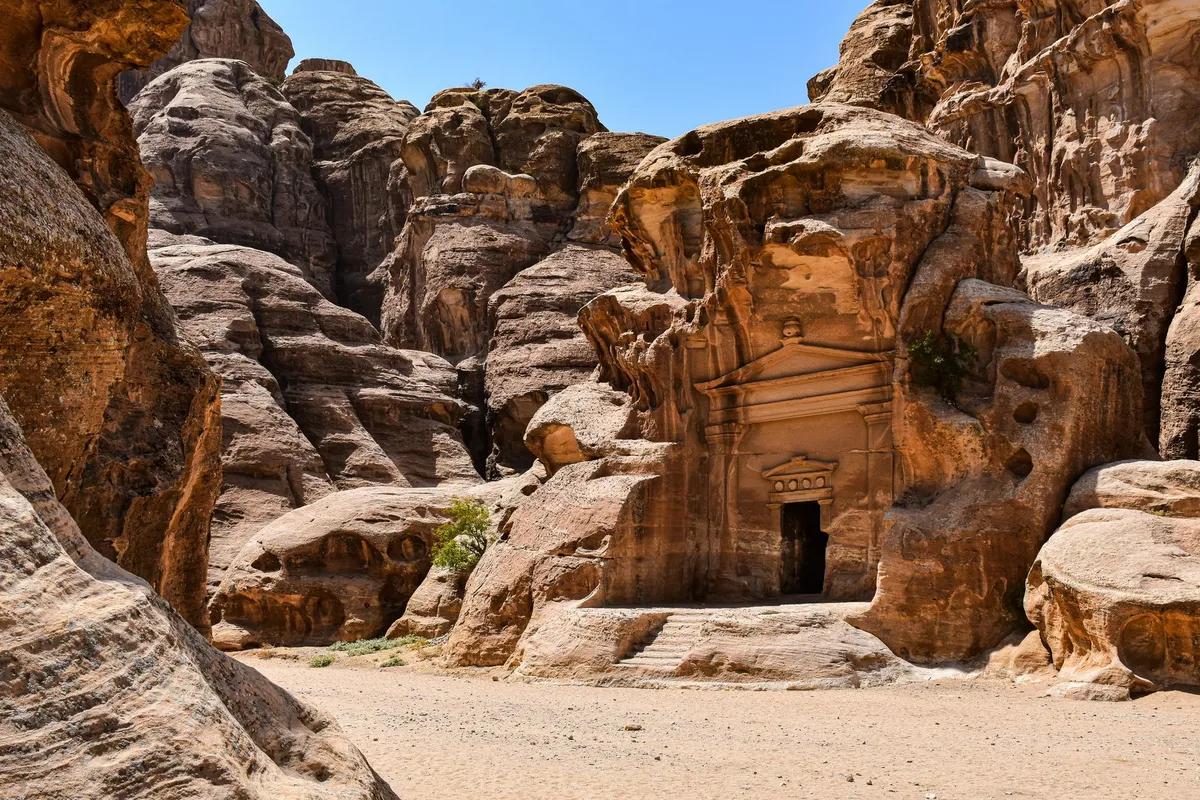

Unveiling the Rose-Red Gem of the Desert Nestled between the towering cliffs of southern Jordan, Petra stands as a testament to human ingenuity and the passage of time. This ancient city, carved directly into rose-red sandstone cliffs by the Nabataeans over 2,000 years ago, was once a thriving trade hub connecting the Silk Road to the Mediterranean. Today, it is a UNESCO World Heritage Site and one of the New Seven Wonders of the World, drawing travelers from every corner of the globe. But Petra is more than just a relic of the past—it’s a living, breathing experience where history, architecture, and adventure intertwine seamlessly. To truly appreciate Petra, you must first understand its origins. The Nabataeans, a nomadic Arab tribe, settled here around the 4th century BCE, transforming a barren desert into a bustling metropolis. Their mastery of water management—through an intricate system of dams, cisterns, and pipelines—allowed Petra to flourish in an otherwise inhospitable landscape. The city’s most iconic structure, Al-Khazneh (The Treasury), is a prime example of Nabataean craftsmanship, with its Hellenistic facade carved directly into the rock. But Petra’s allure extends far beyond its famous monuments. From the towering Monastery to the lesser-known High Place of Sacrifice, every corner of this ancient city whispers stories of trade, religion, and survival.As you traverse the Siq, the narrow gorge that serves as Petra’s grand entrance, the anticipation builds with every step. The path, flanked by towering cliffs, narrows to just a few meters wide, creating a dramatic funnel that heightens the sense of discovery. Suddenly, as you round a bend, Al-Khazneh emerges in all its glory—a breathtaking sight that has captivated visitors for centuries. The Treasury’s intricate carvings, including a central tholos (circular structure) and statues of mythological figures, reflect the Nabataeans’ blend of Arab, Egyptian, and Greco-Roman influences. It’s a masterclass in architectural fusion, a reminder that Petra was a melting pot of cultures long before globalization became a buzzword. But Petra’s wonders don’t end with its stone. The city’s strategic location along ancient trade routes meant it was a crossroads for spices, silks, and ideas. This cultural exchange is evident in the cuisine of the region, which today offers a tantalizing blend of Levantine flavors. From the smoky richness of mansaf (Jordan’s national dish of lamb and rice) to the sweet, nutty crunch of knafeh (a cheese pastry soaked in syrup), Petra’s culinary landscape is as diverse as its history. For those willing to venture beyond the main sites, local eateries in the nearby town of Wadi Musa serve up authentic Jordanian dishes that pair perfectly with a cup of cardamom-spiced tea.From Nomadic Tribes to Global Nomads: The Evolution of Travel in Jordan Petra’s story is inextricably linked to the evolution of travel itself. For centuries, the Nabataeans were the original digital nomads, traversing vast distances to trade goods and ideas. Today, Jordan has adapted to modern travel trends, offering visa policies that cater to global explorers. For those looking to extend their stay, the Jordan Pass is a game-changer. This bundled visa and entry package includes a visa on arrival (free for many nationalities), entry to over 40 attractions including Petra, and even a free night’s stay at certain hotels. It’s a cost-effective way to immerse yourself in Jordan’s wonders without the hassle of multiple transactions. For digital nomads and remote workers, Jordan offers a unique blend of affordability and connectivity. According to Numbeo, the cost of living in Amman, Jordan’s capital, is approximately 30% lower than in Western Europe, with a monthly budget of $1,200-$1,500 covering rent, food, and transportation. Wi-Fi speeds are reliable in urban areas, and co-working spaces like The Tank in Amman provide a professional environment for those balancing work and exploration. The country’s nomad visa, introduced in 2023, allows remote workers to stay for up to a year, provided they meet income requirements (typically around $2,000 per month). This policy reflects Jordan’s commitment to attracting global talent while preserving its cultural heritage.Beyond the practicalities, Jordan’s appeal lies in its ability to transport travelers through time. The ancient city of Jerash, with its remarkably preserved Roman ruins, offers a glimpse into the grandeur of the past, while the Dead Sea—just a few hours’ drive from Petra—provides a stark contrast with its mineral-rich waters and surreal landscapes. For those seeking adventure, the Wadi Rum desert offers jeep tours, camel treks, and even overnight stays in Bedouin camps under a blanket of stars. It’s a reminder that Jordan is not just a destination but a journey through layers of history, culture, and natural beauty. The Architecture of Whispers: Decoding Petra’s Hidden Structures Petra’s architecture is a silent storyteller, each structure revealing a chapter of the Nabataeans’ sophisticated urban planning and religious practices. The city’s layout is a masterclass in adapting to the natural terrain, with buildings and tombs carved directly into the sandstone cliffs. The most famous of these is Al-Khazneh, but Petra is home to over 800 individual monuments, each with its own story. The Street of Facades, for example, is a row of tombs carved into the cliffside, their facades decorated with Nabataean motifs. These tombs, some of which date back to the 1st century BCE, offer a glimpse into the Nabataeans’ beliefs about death and the afterlife. One of Petra’s most intriguing structures is the High Place of Sacrifice, a ritual site perched atop a mountain. To reach it, visitors must climb 800 steps, a journey that rewards them with panoramic views of the entire city. The High Place was used for animal sacrifices and religious ceremonies, reflecting the Nabataeans’ blend of Arab and Greco-Roman religious practices. The site’s altar, carved into the rock, is a stark reminder of the city’s spiritual significance. Nearby, the Temple of the Winged Lions is another architectural gem, dedicated to the Nabataean goddess Al-Uzza. Its intricate carvings and well-preserved columns speak to the city’s religious and cultural diversity.Petra’s architecture is not just about grand monuments—it’s also about the ingenuity of its water systems. The Nabataeans were pioneers in hydraulic engineering, creating a network of channels, cisterns, and pipelines that supplied water to the city. The Petra Great Temple, one of the largest free-standing structures in the ancient city, is a testament to this engineering prowess. The temple’s massive courtyard and intricate facade are complemented by an advanced water drainage system that prevented erosion and flooding. Even today, visitors can see remnants of these systems, a reminder of the Nabataeans’ ability to thrive in a desert environment. For those interested in the finer details of Petra’s architecture, the Petra Archaeological Park offers guided tours that delve into the city’s construction techniques and cultural significance. These tours often include visits to lesser-known sites like the Tomb of Sextius Florentinus, a Roman-style tomb that reflects the city’s later Roman occupation. The contrast between Nabataean and Roman architecture is striking, with the latter’s emphasis on symmetry and grandeur standing in stark contrast to the Nabataeans’ organic, cliff-integrated designs. Archaeology Under the Sands: The Secrets Petra Still Holds Despite centuries of exploration, Petra continues to yield new discoveries, proving that the ancient city is far from fully understood. In 2016, archaeologists uncovered a previously unknown monumental structure beneath the sands of Petra’s city center. The structure, believed to be a temple or public building, was buried under 1.5 meters of sediment and dated to the Nabataean period. Its discovery challenged existing theories about Petra’s urban layout and highlighted the city’s complex social hierarchy. Another groundbreaking find came in 2019, when researchers used LiDAR technology to map Petra’s underground water systems. The scans revealed a vast network of tunnels and cisterns that had gone unnoticed for centuries. These systems not only supplied water to the city but also played a crucial role in its defense, allowing Petra to withstand sieges and droughts. The LiDAR data also uncovered evidence of a previously unknown reservoir, suggesting that Petra’s water management was even more sophisticated than previously thought.Petra’s archaeological significance extends beyond its monuments. The city’s necropolis, a vast cemetery filled with tombs and burial sites, offers insights into Nabataean burial practices and social structures. The tombs vary in size and decoration, reflecting the wealth and status of the deceased. Some are simple, unadorned niches, while others are elaborate facades with intricate carvings. The largest tombs, like the Royal Tombs, are reserved for the city’s elite, their facades adorned with columns and pediments reminiscent of Greco-Roman architecture. One of the most fascinating aspects of Petra’s archaeology is its multicultural heritage. The Nabataeans were not an isolated culture but interacted with Egyptians, Greeks, Romans, and Arabs, absorbing and adapting their traditions. This is evident in the city’s art and architecture, which blends Nabataean, Hellenistic, and Roman styles. For example, the Obelisk Tomb, with its four pyramid-shaped obelisks, reflects Egyptian influences, while the Corinthian columns of the Temple of the Winged Lions are distinctly Greco-Roman. These cultural fusions make Petra a living museum of ancient civilizations. For those eager to participate in Petra’s ongoing discoveries, the Petra Archaeological Park offers volunteer programs and excavation opportunities. These programs allow visitors to work alongside professional archaeologists, learning about excavation techniques and the latest research. It’s a chance to contribute to the preservation of Petra’s heritage while gaining a deeper understanding of the city’s history. Savoring the Sands: A Culinary Journey Through Petra’s Flavors No visit to Petra is complete without indulging in the flavors of Jordanian cuisine. The region’s food is a reflection of its history as a crossroads of trade and culture, with influences from the Levant, Arabia, and the Mediterranean. Petra’s proximity to the Dead Sea and the agricultural heartlands of the Jordan Valley means that fresh ingredients are a staple, from crisp vegetables to fragrant herbs and succulent meats. One of the most iconic Jordanian dishes is mansaf, the national dish of Jordan. Traditionally served on special occasions, mansaf consists of tender lamb cooked in a yogurt sauce (jameed) and served over rice or bulgur. The dish is garnished with almonds and pine nuts and accompanied by a side of fresh flatbread. The origins of mansaf can be traced back to the Bedouin tribes of the Arabian Peninsula, who relied on yogurt as a primary food source due to its long shelf life. Today, mansaf is a symbol of Jordanian hospitality, often served to guests as a gesture of welcome.For a lighter meal, Petra’s markets and eateries offer a variety of mezze dishes—small plates meant to be shared. Hummus, made from blended chickpeas, tahini, lemon, and garlic, is a staple, as is baba ghanoush, a smoky eggplant dip. Falafel, deep-fried chickpea balls, are another must-try, often served in pita bread with fresh vegetables and tahini sauce. These dishes are not only delicious but also a reflection of Jordan’s agricultural abundance, with chickpeas, eggplants, and tahini being locally produced. No culinary journey through Petra would be complete without trying knafeh, a sweet pastry that is a staple of Levantine cuisine. Made from shredded phyllo dough layered with sweet cheese and soaked in sugar syrup, knafeh is often served hot and topped with pistachios. The dish has its roots in the Ottoman Empire, but each region has its own variation. In Jordan, knafeh is typically made with a type of cheese called akkawi, which gives it a unique texture and flavor. For the best experience, head to a local bakery in Wadi Musa, where knafeh is freshly prepared and served with a cup of strong, cardamom-spiced coffee. For those seeking a more adventurous culinary experience, Petra’s Bedouin camps offer a taste of traditional Bedouin cuisine. Dishes like zarb, a slow-cooked meat and vegetable stew cooked underground in a pit, and ghee, a clarified butter used in cooking and as a condiment, provide a glimpse into the nomadic lifestyle of the region’s original inhabitants. These meals are often accompanied by stories of Bedouin life, adding a cultural dimension to the dining experience. To pair your meal, Jordan is famous for its mint tea, a refreshing beverage made with fresh mint leaves and sugar. The tea is often served in small glasses and is a staple of Jordanian hospitality. For those who prefer something stronger, arak—a anise-flavored spirit—is a popular choice, often served with mezze dishes. Made from grapes and aniseed, arak is traditionally diluted with water and ice, turning milky white as the aniseed oils separate. The Modern Nomad’s Petra: Balancing Adventure and Preservation Petra is not just a relic of the past—it’s a living, evolving destination that must balance tourism with preservation. The Jordanian government and international organizations have implemented measures to protect Petra’s fragile structures from the wear and tear of millions of visitors. These include limiting the number of daily visitors, restricting access to certain areas, and using advanced technologies like 3D scanning to monitor the condition of monuments. For travelers, this means that visiting Petra requires a bit of planning. The best time to visit is during the shoulder seasons—spring (March to May) and autumn (September to November)—when temperatures are mild and crowds are smaller. Summer can be scorching, with temperatures exceeding 40°C (104°F), while winter brings cooler temperatures and occasional rain. To avoid the midday heat, it’s best to start your exploration early in the morning, when the Siq and Al-Khazneh are bathed in golden light.For those looking to extend their stay, Jordan offers a range of accommodations, from luxury hotels in Amman to eco-lodges in Wadi Rum. In Wadi Musa, the gateway to Petra, hotels like the Mövenpick Resort Petra and the Petra Moon Hotel offer modern amenities while staying close to the ancient city. For a more immersive experience, consider staying in a Bedouin camp in Wadi Rum, where you can sleep under the stars and wake up to the sound of camel bells. When it comes to getting around, Jordan’s public transportation system is reliable and affordable. Buses and taxis connect major cities like Amman, Petra, and Aqaba, while rental cars offer the flexibility to explore at your own pace. For those looking to combine adventure with culture, guided tours are a great option. Companies like Jordan Discovery and Experience Jordan offer tailored itineraries that include Petra, Wadi Rum, and the Dead Sea, with expert guides who provide insights into the region’s history and culture. As you plan your trip, it’s important to consider the environmental impact of your visit. Petra is located in a fragile desert ecosystem, and even small actions like carrying a reusable water bottle and avoiding single-use plastics can make a difference. The Petra Development and Tourism Region Authority (PDTRA) has implemented eco-friendly initiatives, such as waste management programs and water conservation efforts, to ensure that the ancient city remains pristine for future generations. A Feast for the Senses: Petra’s Unforgettable Legacy Petra is more than just a destination—it’s an experience that engages all the senses. The scent of frankincense and myrrh, traded by the Nabataeans, lingers in the air, while the taste of mansaf and knafeh lingers on the palate. The sight of Al-Khazneh emerging from the Siq is a moment of pure awe, and the sound of the wind whispering through the ancient cliffs is a reminder of the passage of time. It’s a place where history, culture, and nature converge, leaving visitors with memories that last a lifetime. For those who have walked the Siq, climbed the steps to the High Place of Sacrifice, and savored the flavors of Jordanian cuisine, Petra becomes more than just a stop on a travel itinerary. It becomes a part of who they are—a reminder of the ingenuity of ancient civilizations and the enduring power of human creativity. Whether you’re a history buff, an architecture enthusiast, a foodie, or an adventure seeker, Petra has something to offer. It’s a place where the past and present collide, creating an experience that is as enriching as it is unforgettable. As you leave Petra, carrying with you the echoes of its ancient streets and the flavors of its cuisine, you’ll realize that this city is not just a destination—it’s a journey. A journey through time, culture, and the boundless possibilities of human achievement. And perhaps, in the quiet moments after your visit, you’ll find yourself dreaming of the rose-red cliffs and the secrets they still hold.#PetraWonders #AncientArchitecture #JordanTravel #CulturalHeritage #MiddleEasternCuisine Related InsightsDim Sum Decoded: The Ultimate Cantonese Culinary Journey Through Hong Kong’s Hidden Gems Awadhi Cuisine: A Royal Legacy on Your Plate – The Untold Story of Lucknow’s Flavors From Street Corn to Michelin Stars: A Global Food Expedition for the Curious Traveler{ "@context": "https://schema.org", "@type": "FAQPage", "mainEntity": [ { "@type": "Question", "name": "What is the main focus of The Lost City of Petra: Where Ancient Wonders Meet Modern Adventure?", "acceptedAnswer": { "@type": "Answer", "text": "Discover the secrets of Petra, Jordan’s rose-red city carved into cliffs, blending 2,000-year-old history with breathtaking landscapes and culinary delights." } }, { "@type": "Question", "name": "Who authored the comprehensive guide on The Lost City of Petra: Where Ancient Wonders Meet Modern Adventure?", "acceptedAnswer": { "@type": "Answer", "text": "This detailed article and its insights were carefully researched and authored by Liam Carter." } }, { "@type": "Question", "name": "Where can I find more related content about Travel/Food?", "acceptedAnswer": { "@type": "Answer", "text": "You can explore more articles, detailed reviews, and similar insights by browsing the Related Insights section at the bottom of this article or visiting our dedicated Travel/Food category page." } } ] }