Showing Posts From
Karakum desert
-
 John Explorer
 - 05 Jul, 2026 20:45
Beyond Merv's Veil: Unearthing Turkmenistan's Ghost Oases of the Silk Road
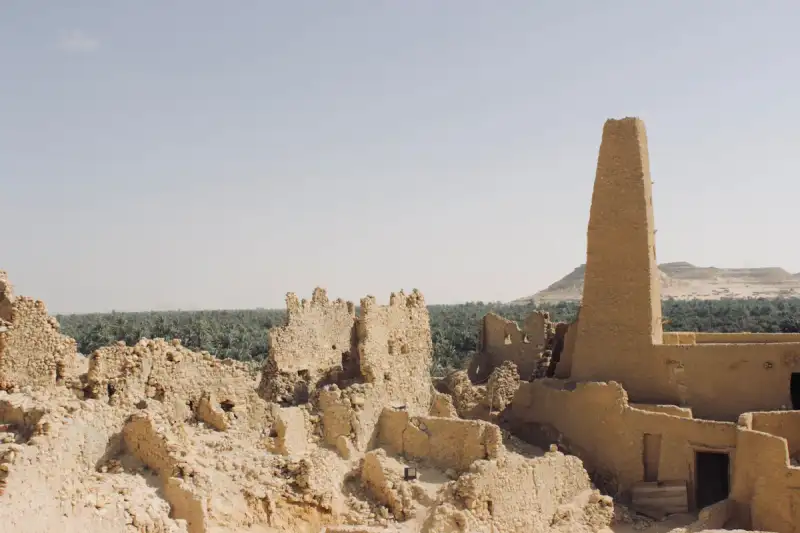
The desert, they say, remembers. It doesn't forgive, nor does it forget. For millennia, the vast, unforgiving expanse of the Karakum in Turkmenistan has been a canvas for human ambition, a crucible for civilization. Cities rose from its sandy embrace, glittering beacons of trade and culture, only to be swallowed whole by the relentless dunes and the unforgiving march of time. We speak of the Silk Road, of course, but not of its most celebrated pearls like Samarkand or Bukhara. Instead, I invite you on an odyssey into the very heart of its forgotten narrative, to the ghost oases of Turkmenistan, places where the wind still whispers tales of empires and caravans long vanished, far beyond the well-trodden routes, beyond even the magnificent Merv. To truly understand Turkmenistan's role in the Silk Road saga is to strip away the romanticized notions of bustling bazaars and grand imperial courts, and to confront the raw, visceral reality of survival and commerce in one of Earth's most challenging landscapes. This isn't a trip for the faint of heart or the casual tourist. This is an expedition into a past so profound, so deeply buried beneath the sands, that it demands a certain reverence, a willingness to shed modern comforts and embrace the stark beauty of desolation. My quest began with a nagging question: what secrets lie beyond the commonly recognized archaeological sites, in the deepest, most inaccessible corners of the Karakum? What echoes of forgotten glory could still be found, standing testament to an audacity of spirit that once dared to tame the desert? The Karakum's Embrace: A Sculptor of Empires The Karakum, meaning "Black Sand" in Turkic languages, is one of the world's largest deserts, covering an astonishing 70% of Turkmenistan's territory. It is a land of extremes: searing summer heat, biting winter winds, and an almost complete absence of surface water. Yet, it was precisely this unforgiving nature that shaped the unique character of its ancient civilizations. Water, or the lack thereof, was the ultimate arbiter of destiny. Where ancient rivers like the Oxus (Amu Darya) or the Murghab once fanned out into sprawling deltas, or where underground qanat systems could be engineered, life flourished, giving birth to cities that rivaled any in the ancient world. The Silk Road through Turkmenistan wasn't a single highway but a labyrinth of routes, constantly shifting with political tides, water sources, and the caprices of tribal allegiances. Caravans, laden with silk, spices, ceramics, and ideas, navigated these perilous paths, relying on strategically placed oases and caravanserais for sustenance and safety. These waystations were more than just inns; they were vital nodes in a vast network, often evolving into substantial cities themselves, drawing populations and cultures from across Eurasia. It is these ephemeral yet monumental testaments to human endeavor that call to the intrepid explorer, promising glimpses into a past often overlooked by conventional histories. Konye-Urgench: A Phoenix from the Dust While perhaps not "hidden" in the strictest sense, Konye-Urgench (Old Urgench) serves as an essential gateway to understanding the grandeur that once permeated the region. Located in northern Turkmenistan, near the border with Uzbekistan, it was once the capital of the Khwarezmian Empire, a powerful medieval Islamic state. For centuries, it was a thriving metropolis, a rival to Bukhara and Samarkand, a center of learning, art, and trade. Its eventual destruction by Genghis Khan in 1221, followed by a second devastating blow from Timur, left it largely in ruins, its remnants gradually consumed by the shifting Amu Darya and the encroaching sands. Today, what remains is a UNESCO World Heritage site, a hauntingly beautiful collection of mausoleums, minarets, and fortifications that stand defiantly against the desert sky. The most iconic is the Kutlug-Timur Minaret, soaring over 60 meters high, a slender brick beacon that once guided caravans across the vast plains. The elaborate brickwork of the Turabek-Khanum Mausoleum, a 14th-century architectural masterpiece, speaks volumes of the artistic sophistication that flourished here. Wandering through its silent courtyards, one can almost hear the echoes of scholars debating, merchants haggling, and the faithful at prayer. Konye-Urgench is not just a collection of ruins; it is a profound testament to resilience, a city that repeatedly rose from the ashes, only to finally succumb to the forces of nature and history. It sets the stage for the even deeper dives into Turkmenistan's forgotten past.Dehistan: The Isolated Jewel of the Misrian Plain My journey then veered sharply southwest, towards one of the most enigmatic and least-visited archaeological sites in Turkmenistan: Dehistan, also known as Mashad-i Misrian. This ancient city, once a major stop on the Silk Road connecting Central Asia with Persia, lies utterly isolated on the Misrian Plain, a desolate expanse that hints at its former proximity to the Caspian Sea. The drive itself is an adventure, traversing seemingly endless salt flats and gravel tracks, the horizon shimmering with heat haze, the only companions being the occasional camel and the vast, silent sky. Dehistan flourished between the 9th and 14th centuries, a testament to ingenious hydrological engineering that diverted water from the Atrek River. What strikes you upon arrival is the sheer scale and profound emptiness of the place. The remains of its impressive city walls, some still standing several meters high, delineate a vast urban area. Inside, the ruins of mosques, minarets, and residential quarters – mostly sun-baked mud brick – whisper stories of a vibrant past. The two remaining minarets, built by the Khwarezmshahs, though heavily weathered, still command the landscape, their intricate brick patterns a ghostly reminder of the artistry that once graced this remote outpost. Exploring Dehistan is a solitary experience. There are no tourist facilities, no souvenir stands, just you, the wind, and the ghosts of a thousand years. The silence is profound, broken only by the crunch of your boots on the dust and the distant cries of desert birds. One can spend hours simply walking the perimeter, imagining the caravans arriving, the merchants setting up their wares, the bustling life that once animated this now-desolate plain. It’s a place that forces introspection, a powerful reminder of the ephemeral nature of even the grandest human endeavors when pitted against the relentless forces of nature and history. Dehistan is not just a ruin; it is a meditation on impermanence, a place where the Silk Road truly feels like a vanished dream. Izmukshir and the Parthian Echoes of Nisa Further explorations reveal other vital, yet often overlooked, chapters of Turkmenistan's Silk Road narrative. The ancient site of Izmukshir, not far from Konye-Urgench but distinct in its historical layers, offers another fascinating glimpse into the region's past. While less imposing in its visible remains than Dehistan, its strategic location near the Amu Darya's ancient course underscores its importance as a former fortress and trade hub, another victim of the shifting river and subsequent abandonment. Its archaeological layers hint at a rich tapestry of settlement, from early agricultural communities to later Islamic period fortifications. For the dedicated archaeological enthusiast, it offers a quieter, more academic insight into the hydrological challenges and successes of ancient Central Asian civilizations. Then, there is Ancient Nisa, located closer to the modern capital of Ashgabat. While more accessible, its profound historical significance often gets overshadowed by its more famous Silk Road counterparts further east. Nisa was the capital of the Parthian Empire, one of the most powerful empires of the ancient world, rivaling Rome. Established in the 3rd century BCE, it served as a vital administrative and cultural center, a nexus where Hellenistic and Iranian cultures merged. Its ruins, a UNESCO World Heritage site, consist of two tells: Old Nisa (a royal fortress and temple complex) and New Nisa (a Hellenistic city). The discovery of unique rhytons (drinking horns) decorated with mythological scenes and Parthian inscriptions at Nisa provided invaluable insights into the art, religion, and daily life of this formidable empire. The inclusion of Nisa in this narrative of "forgotten" oases might seem counter-intuitive given its relative accessibility. However, its importance lies in demonstrating the depth of Turkmenistan's historical engagement with long-distance trade. Nisa wasn't just a Silk Road stop; it was an imperial power that facilitated and controlled significant segments of the early Silk Road, bridging the gap between the Hellenistic West and the nascent empires of the East. Understanding Nisa's role provides a crucial context for the later Islamic cities that would rise and fall in the Karakum. It shows that the history of trade in this region stretches back far further than the traditional "Silk Road" narrative often begins. Life on the Edge: Nomadic Legacy and Caravanserai Culture The cities, grand as they were, were only one facet of life in the Karakum. The vast spaces between these urban centers were traversed by nomadic tribes – the ancestors of today's Turkmen – whose mastery of the desert was unparalleled. They were the guides, the protectors (and sometimes raiders), and the essential logistical support for the caravans. Their intimate knowledge of water sources, safe paths, and seasonal changes was indispensable. The interdependency between the settled oasis dwellers and the nomadic pastoralists created a unique socio-economic fabric, one that allowed the Silk Road to function across such hostile terrain. The remains of numerous caravanserai, literally "palace of caravans," dot the desert landscape, some barely discernible mounds of earth, others still retaining evocative architectural features. These fortified inns were sanctuaries in the desert, offering weary travelers and their animals a safe haven, food, water, and often a bustling marketplace. They were microcosms of the Silk Road itself, where languages, religions, and goods from across the known world mingled. Imagine the stories exchanged around a flickering fire, the negotiations over prices, the shared relief of reaching safety after days of arduous travel. These caravanserai, often built roughly a day's journey apart, were the beating heart of the desert routes, essential arteries that kept the blood of commerce flowing. Their ruins are a stark reminder of the immense logistical effort required to sustain such a vast trade network.The Allure of the Undiscovered: Why These Sites Matter Why embark on such a challenging journey, enduring rough roads, extreme temperatures, and often rudimentary facilities, to visit places that are largely empty ruins? The answer lies in the profound sense of connection these sites offer. Unlike crowded tourist attractions where history is presented through curated exhibits, the ghost oases of Turkmenistan demand a more active engagement. Here, you are not merely an observer; you are an explorer, piecing together fragments of a lost world with every step you take. These sites are not just about bricks and dust; they are about human stories of resilience, ingenuity, and cultural exchange. They speak of the incredible audacity required to build and maintain sophisticated societies in such an unforgiving environment. They are a powerful reminder that history is not just made in the grand imperial capitals but also forged in the remote, challenging frontiers, where diverse cultures met and mingled. For the truly adventurous traveler, these forgotten places offer an unparalleled opportunity to connect with the raw, untamed spirit of the Silk Road, to feel the weight of centuries beneath your feet, and to hear the whispers of empires long past carried on the desert wind. The preservation of these sites is a complex undertaking. Many are highly vulnerable to the elements – the wind, the sand, the occasional rain – and to a lesser extent, human activity. Turkmenistan's commitment to protecting its heritage is growing, but the sheer vastness and isolation of many sites pose significant challenges. Responsible tourism, where visitors respect the fragile nature of the ruins and support local initiatives, can play a vital role in their long-term survival. Conclusion: Echoes in the Sand My journey through Turkmenistan's ghost oases of the Silk Road was more than a travel experience; it was a profound historical pilgrimage. It was a testament to the enduring human spirit, capable of building wonders in the most inhospitable places, and a humbling reminder of nature's ultimate power to reclaim what it has temporarily lent. The Karakum Desert, far from being an empty void, is a living museum, its vastness concealing layers of history, waiting patiently for those willing to seek them out. Beyond Merv's famous gates, in the silent expanse of the Karakum, lies a world of vanished cities and forgotten stories. To walk among the crumbling walls of Dehistan, to gaze upon the defiant minaret of Konye-Urgench, or to ponder the Parthian legacy at Nisa, is to engage in a conversation with history itself. It is to acknowledge that the greatest adventures often lie not on the well-beaten path, but in the untamed wilderness where the echoes of the past speak loudest, inviting us to listen, to learn, and to wonder. The Silk Road, in Turkmenistan, is not merely a historical route; it is an enduring spirit of exploration, waiting to be rediscovered.#Turkmenistan #SilkRoad #KarakumDesert #AncientCities #HiddenGems Related InsightsThe Crystal Spine of Afar: An Odyssey Through Ethiopia's Ancient Salt Routes Bhutan’s Tiger’s Nest Monastery: A Pilgrimage to the Clouds (Part 2) Echoes in the Clouds: A Pilgrimage Through Meteora’s Forgotten Monasteries{ "@context": "https://schema.org", "@type": "FAQPage", "mainEntity": [ { "@type": "Question", "name": "What is the main focus of Beyond Merv's Veil: Unearthing Turkmenistan's Ghost Oases of the Silk Road?", "acceptedAnswer": { "@type": "Answer", "text": "Journey deep into Turkmenistan's Karakum Desert to discover the forgotten cities and ghost oases that once thrived on the ancient Silk Road, far beyond the well-trodden paths." } }, { "@type": "Question", "name": "Who authored the comprehensive guide on Beyond Merv's Veil: Unearthing Turkmenistan's Ghost Oases of the Silk Road?", "acceptedAnswer": { "@type": "Answer", "text": "This detailed article and its insights were carefully researched and authored by John Explorer." } }, { "@type": "Question", "name": "Where can I find more related content about Travel?", "acceptedAnswer": { "@type": "Answer", "text": "You can explore more articles, detailed reviews, and similar insights by browsing the Related Insights section at the bottom of this article or visiting our dedicated Travel category page." } } ] }