Showing Posts From
Kaymaklı
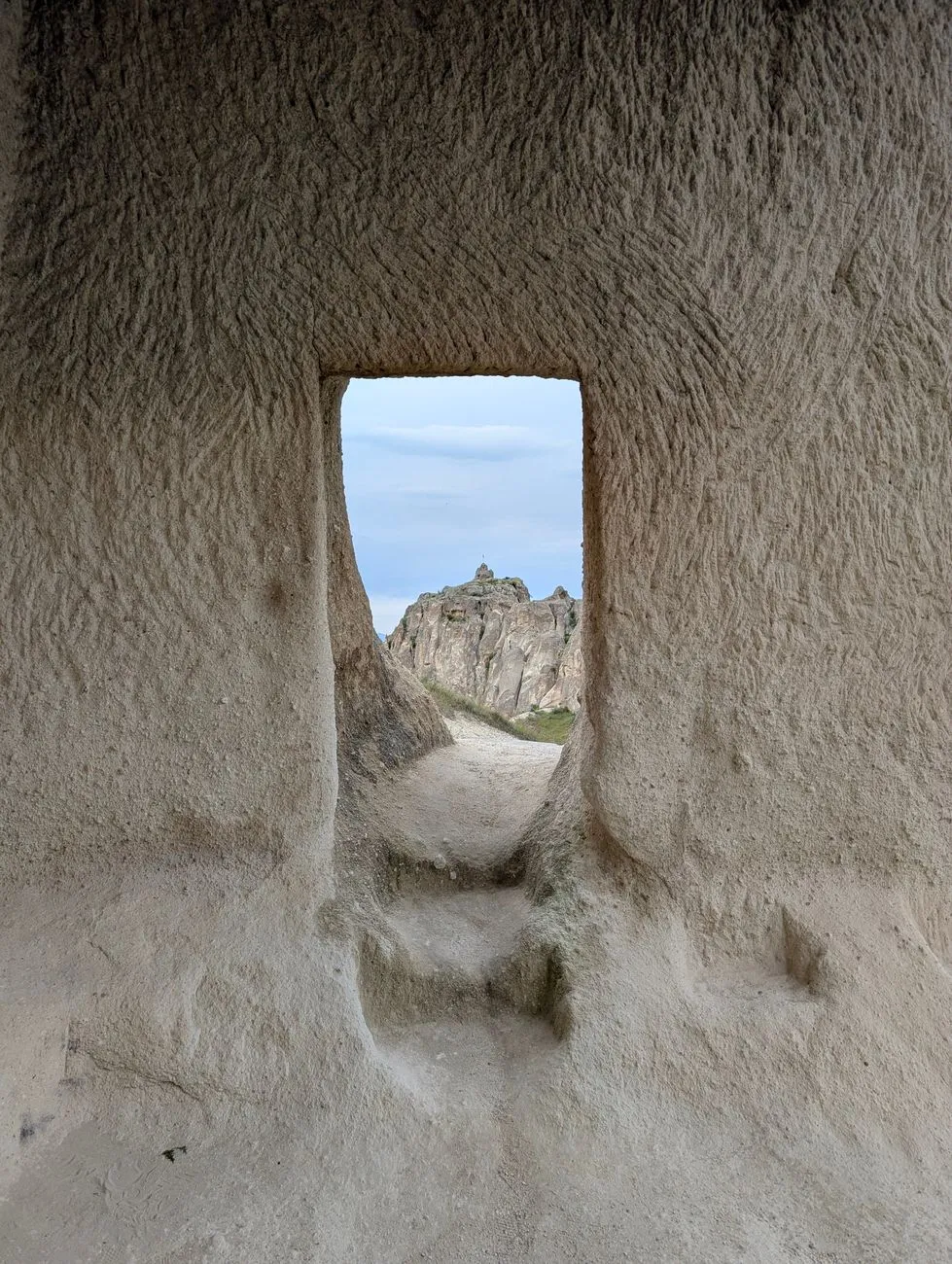

Whispers of the Earth: Entering Derinkuyu's Labyrinth Stepping through the narrow stone portal of Derinkuyu feels like crossing a threshold into a forgotten epoch. The air cools instantly, scented with mineral dust and the faint perfume of ancient hearths. This UNESCO‑listed complex plunges to a staggering 85 metres (≈279 ft) and unfolds across 18 discernible levels, though only the upper eight are open to visitors. Archaeologists estimate the city could shelter up to 20,000 souls, complete with ventilation shafts that still draw fresh air from the surface, a sophisticated water‑well system, and communal spaces — stables, wine presses, chapels, and even a missionary school. The engineering genius lies in the rolling stone doors, each weighing several hundred kilograms, which could be sealed from the inside to thwart invaders. As you descend the steep, uneven stairways, the walls reveal chisel marks that speak of centuries of patient labor. Guides often point out the “communication shafts” — narrow vertical channels that allowed messages to travel between levels without a messenger ever seeing daylight. Practicalities matter as much as wonder. The site opens at 08:00 am and closes at 19:00 pm in summer (17:00 pm in winter). The entrance fee sits at roughly 100 Turkish Lira (≈ €3.20) for adults, with a modest discount for students and children. A dolmuş (shared minibus) from Göreme’s central square reaches the entrance in about 30 minutes for 30 TL; a private taxi costs 150‑200 TL and offers flexibility for a combined Derinkuyu‑Kaymaklı day trip. Wear sturdy, closed‑toe shoes — stone steps are slick with condensation — and carry a small water bottle; there are no vendors inside. Photography is permitted, but flash is discouraged in the deeper chambers to protect fragile pigments on the walls. Kaymaklı's Layered Secrets: A Deeper Descent If Derinkuyu impresses with sheer depth, Kaymaklı captivates with its intricate horizontal sprawl. The city extends roughly 40 metres (≈130 ft) below ground across eight levels, of which four are accessible. Its layout resembles a honeycomb: narrow corridors branch into living quarters, storage rooms, and a remarkable communal kitchen equipped with a massive tandoor oven. The ventilation system here is equally ingenious — 52 shafts, some still functional, channel air through a network of carved ducts that maintain a constant 13 °C (55 °F) year‑round. Historical records suggest Kaymaklı served as a refuge during the Arab‑Byzantine wars, housing up to 3,500 people at its peak. The city’s name, meaning “with cream” in Turkish, hints at the dairy stores once kept cool in its subterranean larders. Visiting Kaymaklı follows a similar schedule: 08:00‑19:00 (summer) and 08:00‑17:00 (winter). The ticket costs about 80 TL (≈ €2.55). The site lies 20 km south of Göreme, reachable by the same dolmuş line that stops at Derinkuyu; simply stay aboard for the next stop. Many travelers combine both cities in a single morning, allocating roughly 90 minutes per site. A local guide (≈ 150 TL for a two‑hour private tour) can illuminate the subtle differences — Kaymaklı’s more domestic feel versus Derinkuyu’s militaristic design — and point out the hidden “escape tunnel” that leads toward the nearby Ihlara Valley. Engineering Marvels Beneath the Fairy Chimneys The fairy chimneys that punctuate Cappadocia’s skyline are the surface expression of the same volcanic tuff that made underground excavation feasible. Soft yet cohesive, the rock could be carved with bronze and later iron tools, allowing entire communities to sculpt habitable volumes without mortar. The ventilation shafts are a masterclass in passive climate control: each shaft tapers upward, creating a Venturi effect that draws stale air out while pulling fresh breezes in. Water management is equally sophisticated; Derinkuyu’s main well descends 55 metres, lined with stone to prevent collapse, and feeds a network of cisterns that could sustain the population for months. Modern engineers study these ancient systems for sustainable design inspiration. The rolling stone doors, for instance, operate on a simple pivot‑and‑groove mechanism that requires minimal force yet provides an airtight seal — a principle now explored in low‑energy building envelopes. The communal kitchens, with their centralized hearths and smoke‑extraction channels, anticipate modern district‑heating concepts. Even the waste‑disposal chutes, which directed refuse to sealed pits, demonstrate an early understanding of sanitation engineering. Visitors often marvel at the acoustic properties: a whisper at one end of a corridor can be heard clearly at the other, a feature likely used for covert communication during sieges. Practical Pathways: Getting There, Tickets, and Timing Planning a subterranean day trip hinges on logistics as much as curiosity. Göreme remains the most convenient base, offering a spectrum of accommodation from cave‑style boutique hotels (≈ €60‑120 per night) to budget hostels (≈ €15‑25). The town’s central bus station hosts regular dolmuş departures to both Derinkuyu and Kaymaklı every 30 minutes during peak season (April‑October). A round‑trip dolmuş ticket costs 60 TL; a private driver for the full circuit (Göreme → Derinkuyu → Kaymaklı → Göreme) averages 350‑450 TL, a worthwhile splurge if you value flexibility and air‑conditioned comfort. Ticket purchases are cash‑only at the entrance kiosks; credit cards are rarely accepted. Arrive early (by 08:30 am) to beat the tour‑bus crowds that swell around 10:00 am. Allocate a minimum of two hours per site to absorb the atmosphere without rushing. For those with limited mobility, note that both sites involve steep, uneven steps and low ceilings; Derinkuyu offers a partial wheelchair‑accessible route on the first level only. Restrooms are available at the entrance plazas, but none exist underground. A small café near Derinkuyu’s parking area serves Turkish tea, gözleme, and fresh fruit — ideal for a post‑descent recharge. Savoring the Surface: Food, Stay, and Local Lore Emerging from the cool darkness into Cappadocia’s sun‑baked valleys feels like a rebirth. The region’s culinary identity mirrors its geology — hearty, earth‑rooted, and deeply traditional. Breakfast in Göreme often features menemen (scrambled eggs with tomatoes, peppers, and spices) served with warm pide bread, while lunch might be a pottery kebab (testi kebabı) slow‑cooked in a sealed clay pot, cracked open tableside for dramatic aroma. Dinner options range from family‑run lokantas offering mantı (tiny dumplings with yogurt‑garlic sauce) to upscale restaurants pairing local wines — especially the crisp Narince white and robust Öküzgözü red — with tasting menus that celebrate Anatolian produce. Accommodation choices amplify the experience. Cave hotels, carved directly into the tuff, maintain a constant 18‑20 °C temperature, offering natural insulation that modern HVAC struggles to replicate. Many feature terraces with panoramic views of the fairy chimneys, perfect for sunrise hot‑air‑balloon watching — a quintessential Cappadocia ritual. For budget travelers, hostels in Ürgüz and Avanos provide clean dormitories and communal kitchens, often organizing group tours to the underground cities at discounted rates. Local lore enriches every stone. Legends speak of early Christians hiding from Roman persecution, carving secret chapels adorned with frescoes that still glow in candlelight. Oral histories recount the “Night of the Thousand Lanterns,” when refugees lit oil lamps throughout Derinkuyu’s corridors, turning the labyrinth into a constellation. Engaging with a village elder over a glass of çay can reveal stories not found in guidebooks — tales of hidden treasure chambers, forgotten escape routes, and the enduring spirit of a people who turned volcanic ash into sanctuary. Comparative Snapshot: Derinkuyu vs. KaymaklıFeature Derinkuyu KaymaklıMaximum depth 85 m (279 ft) 40 m (130 ft)Levels total / open 18 / 8 8 / 4Estimated capacity 20,000 people 3,500 peopleEntrance fee (2026) 100 TL (≈ €3.20) 80 TL (≈ €2.55)Opening hours (summer) 08:00‑19:00 08:00‑19:00Opening hours (winter) 08:00‑17:00 08:00‑17:00Dolmuş from Göreme 30 min, 30 TL 45 min, 30 TL (same line)Notable feature Rolling stone doors, deep well 52 ventilation shafts, communal kitchenAccessibility First level only for wheelchairs First level only for wheelchairsEchoes in the Stone: Reflections on a Subterranean Journey Leaving the underground cities behind, the mind lingers on the echo of footsteps on ancient tufa, the cool breath of ventilation shafts, and the quiet resilience of communities that chose darkness over surrender. Cappadocia’s hidden realms are more than tourist attractions; they are living textbooks of human ingenuity, testaments to a civilization that transformed a hostile landscape into a haven. Whether you trace the spiral staircase of Derinkuyu’s deepest chapel or trace your fingers along Kaymaklı’s soot‑blackened kitchen walls, you participate in a dialogue spanning millennia. The practical details — tickets, transport, timing — fade into background noise when the weight of history presses against your palm. As the sun sets behind the fairy chimneys, casting long shadows across the valley, the subterranean world remains, patient and eternal, waiting for the next curious soul to descend and listen. #Cappadocia #UndergroundCities #Derinkuyu #Kaymaklı #TurkeyTravel Related InsightsEl Generalife: Los Jardines del Paraíso La Cathédrale de Séville : Gothique et Héritage Andalou 'Lake Tekapo: Ein Juwel in Neuseelands Südinsel'{ "@context": "https://schema.org", "@type": "FAQPage", "mainEntity": [ { "@type": "Question", "name": "What is the main focus of Subterranean Europe: Unveiling Cappadocia's Hidden Cave Cities?", "acceptedAnswer": { "@type": "Answer", "text": "Journey beneath the fairy chimneys to explore Derinkuyu and Kaymaklı, the ancient subterranean marvels of Cappadocia." } }, { "@type": "Question", "name": "Who authored the comprehensive guide on Subterranean Europe: Unveiling Cappadocia's Hidden Cave Cities?", "acceptedAnswer": { "@type": "Answer", "text": "This detailed article and its insights were carefully researched and authored by Zola Ndlovu." } }, { "@type": "Question", "name": "Where can I find more related content about Travel?", "acceptedAnswer": { "@type": "Answer", "text": "You can explore more articles, detailed reviews, and similar insights by browsing the Related Insights section at the bottom of this article or visiting our dedicated Travel category page." } } ] }