Showing Posts From
Kyrgyzstan
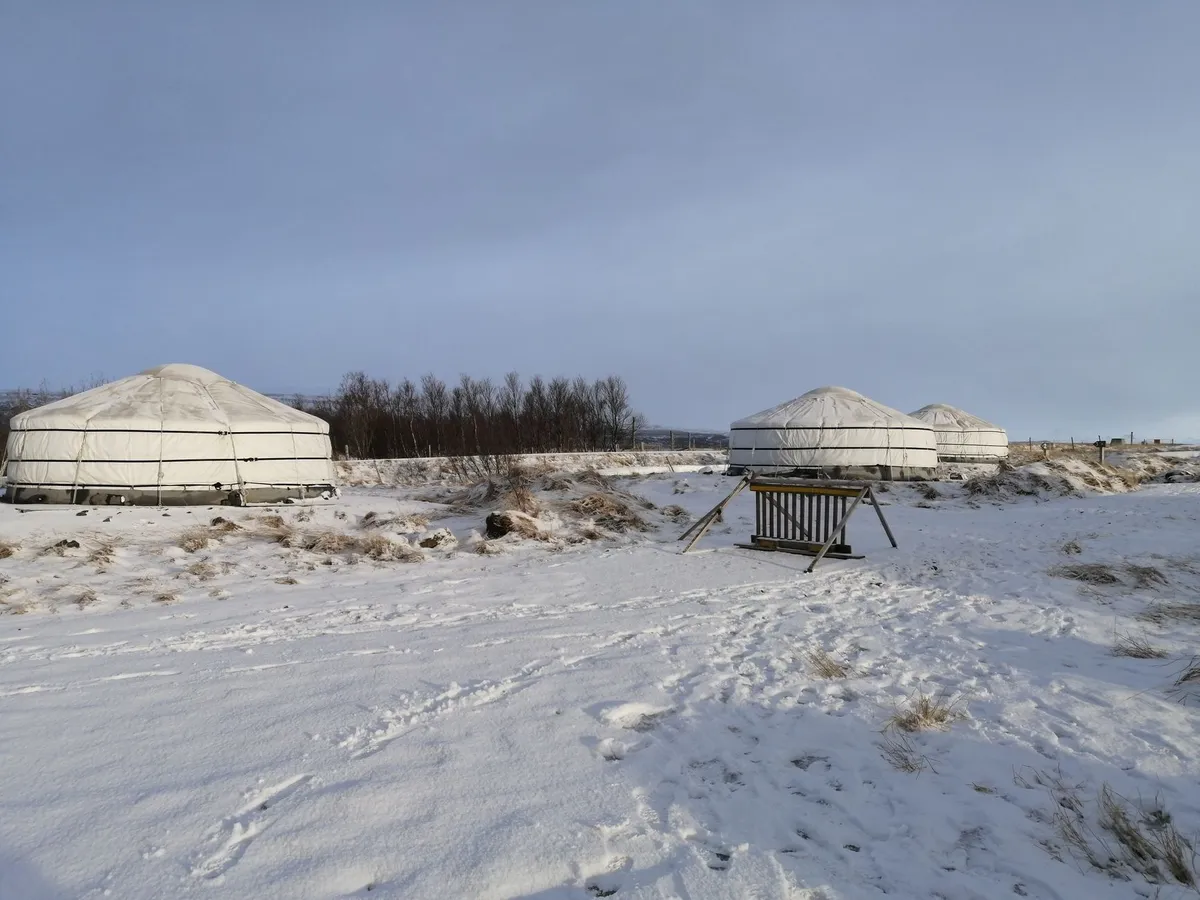

Dawn Over the Tien Shan: Arriving in Kyrgyzstan The first light that kisses the jagged ridges of the Tien Shan feels like a promise. I stepped off the plane in Bishkek with a backpack, a laptop, and a 60‑day visa‑free stamp that covers roughly seventy nationalities — no formal digital‑nomad visa exists, but the eVisa portal lets you extend to ninety days for a modest government fee. The capital’s wide boulevards, Soviet‑era mosaics, and bustling bazaars serve as a practical launchpad before you trade concrete for felt. Bishkek’s median monthly cost sits at $1,210 according to Numbeo’s 2026 snapshot, a figure that already includes a modest apartment, utilities, and the fiber‑optic broadband that most landlords bundle in. Coworking spaces such as Ololo or Bishkek Hub charge $50‑$150 per month, and a local prepaid SIM with 10 GB of data costs $5‑$10, giving you instant 4G/LTE coverage across the city and most major highways. I spent my first week mapping the route to the high pastures, downloading offline maps, and testing the latency on a video call — consistently under 80 ms, more than enough for synchronous work. The transition from urban rhythm to nomadic tempo begins the moment you board a shared marshrutka toward Kochkor or Naryn, where the road climbs into valleys that have hosted shepherds for millennia.Setting Up Camp in a Felt Fortress: The Yurt Homestay Experience A Kyrgyz yurt — locally called a “boz ui” — is more than a shelter; it is a portable cosmos woven from felt, wood, and tradition. Families who open their winter camps to travelers typically provide a central stove, layered felt insulation, and a low wooden platform for sleeping. The host will greet you with a bowl of kumis (fermented mare’s milk) and a stack of fresh boorsok, the golden fried dough that fuels long days on horseback. Privacy is communal: you share the central space with the family, but a curtained alcove can be arranged for a laptop and a power strip. Electricity comes from a small solar array or a generator that runs a few hours each evening — enough to charge devices and run a portable router. Water is fetched from a nearby spring, and the toilet is a simple pit latrine screened by a felt flap. The rhythm of the day follows the herd: milking at dawn, cheese‑making mid‑morning, and a communal dinner of beshbarmak (boiled meat with noodles) under a sky dense with stars. I learned to respect the unwritten etiquette — never step on the threshold, always accept the first sip of tea, and offer a small gift (a pack of tea or a flashlight) when you depart. The experience is raw, unfiltered, and profoundly grounding for anyone used to sterile hotel rooms.Connectivity in the Steppe: Internet, SIMs, and Coworking Staying productive while the wind whistles through the felt walls demands a deliberate connectivity strategy. In the high valleys, 4G coverage is surprisingly robust along the main arteries — Bishkek‑Osh, Bishkek‑Karakol — but drops sharply once you leave the paved road. I carry two SIMs: a Beeline plan for the city and a Megacom “Tourist” package that includes 15 GB for $12, valid for 30 days. Both operators support tethering, turning a phone into a mobile hotspot for a laptop. For bandwidth‑heavy tasks (video editing, large repo pulls) I schedule a weekly “city sprint” in Bishkek, where fiber‑to‑the‑home delivers 200‑300 Mbps symmetric speeds — well above the 25 Mbps threshold most remote‑work policies require. Coworking hubs in the capital also provide meeting rooms, printing, and a community of fellow nomads who exchange trail intel. When the signal fades, I rely on offline‑first tools: Git with local commits, Notion’s offline mode, and pre‑downloaded reference PDFs. A compact 10,000 mAh power bank and a foldable 30 W solar panel keep the laptop alive during multi‑day treks. The key Related InsightsExploring the Antioxidant-Rich Delights of Borscht with Kefir and Dill A Map to Murder: A Serial Killer Guide to San Francisco Mystery Book Review and Summary Illicit Temptations Book Review and Summary