Showing Posts From
Las correcciones the
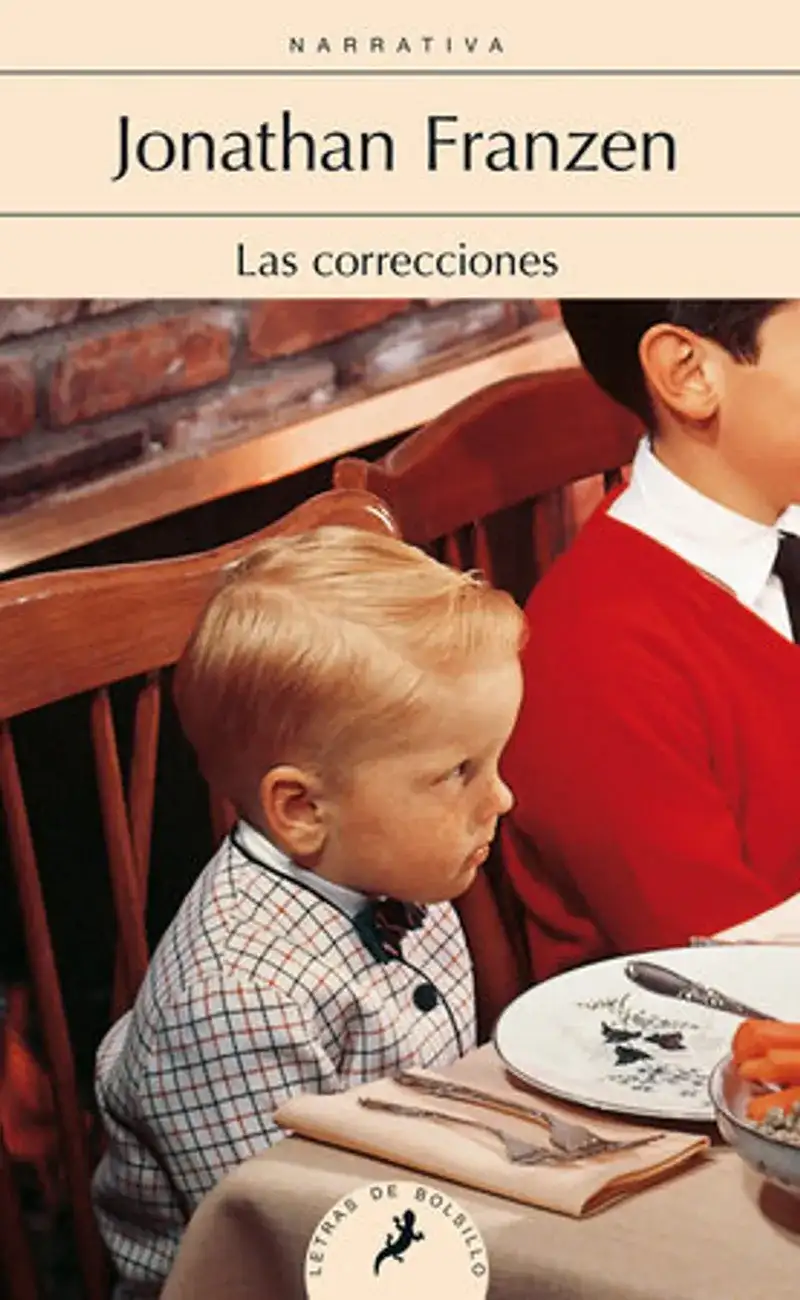
Las correcciones/ The Corrections Author: Jonathan FranzenPage Count: UnknownPublication Date: 2014-PRH Jonathan Franzen’s The Corrections is a masterclass in dissecting the American family—not with the scalpel of sentimentality, but with the blunt, unflinching force of a sledgehammer. Published in 2001 and winner of the National Book Award, this novel is a sprawling, darkly comic elegy for a dying era, a portrait of a nation and a family unraveling at the seams. It’s a book that doesn’t just tell a story; it corrects the reader, forcing us to confront the illusions we cling to about love, success, and the myth of the self-made individual. At its core, The Corrections is about failure—quiet, cumulative, and devastating. The Lambert family is a microcosm of late-20th-century America, a nation drunk on its own myths of progress and upward mobility. Alfred, the patriarch, is a railroad engineer whose body is betraying him, his mind clouded by Parkinson’s, his once-impeccable discipline crumbling into paranoia and rage. His wife, Enid, is a woman clinging to the idea of order in a world that has long since abandoned it, her obsession with family unity a futile bulwark against the chaos of modern life. Their children—Gary, the depressed banker; Chip, the failed academic turned scammer; and Denise, the ambitious chef with a trail of broken relationships—are all, in their own ways, casualties of the same system that promised them everything and delivered emptiness. Franzen’s genius lies in his ability to render these failures with such vivid, almost excruciating humanity that we can’t look away. He doesn’t judge his characters; he understands them, even when they’re at their most despicable. Gary’s self-loathing is so palpable you can taste the bitterness on your tongue. Chip’s delusional schemes—from his disastrous foray into academic fraud to his half-baked plan to sell questionable pharmaceuticals in Lithuania—are both tragic and darkly hilarious, a satire of the American Dream’s hollow promises. Denise, meanwhile, is a woman who believes she can outrun her own emotional wreckage through sheer willpower, only to find herself trapped in a cycle of self-sabotage. The novel’s structure is deceptively simple: alternating chapters follow each family member’s descent into their particular brand of dysfunction, converging in a climactic, disastrous Christmas reunion that feels like the ceremonial burning of a family’s last illusions. But Franzen’s style is anything but simple. His prose is muscular, precise, and relentlessly observant, blending the psychological acuity of a Henry James with the mordant wit of a Philip Roth. He has a novelist’s eye for the grotesque and the mundane in equal measure—whether it’s Enid’s desperate attempts to corral her children into one last perfect holiday or Alfred’s humiliating public meltdowns, Franzen finds the poetry in the profane. What makes The Corrections so enduring is its refusal to offer easy resolutions. The “corrections” of the title are both literal—a stock market crash, a medical diagnosis—and metaphorical. The Lamberts, like America itself, are being forced to confront the gap between their expectations and reality. Alfred’s disease is a correction of his body’s hubris; the market’s collapse is a correction of its unchecked greed; Enid’s futile nostalgia is a correction of her refusal to accept change. And the children? Their lives are a series of corrections, too—each misstep, each wrong turn, a necessary (if painful) reckoning with the world as it is, not as they wished it to be. Franzen’s tone is one of weary compassion, a mix of exasperation and tenderness for his characters. He doesn’t let them off the hook, but he doesn’t condemn them either. Instead, he holds up a mirror to their flaws and ours, asking us to recognize the same patterns in ourselves. The novel is, in many ways, a product of its time—the late ’90s, when the dot-com bubble was inflating and the illusion of endless prosperity was at its peak. But its themes are timeless: the cost of ambition, the fragility of identity, the way we inherit our parents’ failures as surely as we inherit their genes. The Corrections is a book that demands to be read slowly, savored for its sharp dialogue, its unflinching psychological insights, and its darkly comic set pieces. It’s a novel that will leave you laughing one moment and cringing the next, that will make you wince at the way Franzen lays bare the contradictions of modern life. It’s a book about how we correct ourselves, how we fail to, and how we keep trying anyway. In the end, the Lamberts are not a family that finds redemption. They are a family that survives, battered and bruised, into an uncertain future. And that, perhaps, is the most honest correction of all. #TheCorrections #JonathanFranzen #AmericanNovel #FamilyDrama #LiteraryFiction #NationalBookAward Related InsightsTrad Wife Book Review and Summary Then She Was Gone Book Review and Summary We Were Here: A History of Black People and Alternative Music Book Review and Summary{ "@context": "https://schema.org", "@type": "FAQPage", "mainEntity": [ { "@type": "Question", "name": "What is the main focus of Las correcciones/ The Corrections Book Review and Summary?", "acceptedAnswer": { "@type": "Answer", "text": "Everything you need to know about Las correcciones/ The Corrections with our detailed review." } }, { "@type": "Question", "name": "Who authored the comprehensive guide on Las correcciones/ The Corrections Book Review and Summary?", "acceptedAnswer": { "@type": "Answer", "text": "This detailed article and its insights were carefully researched and authored by Irina Ivanova." } }, { "@type": "Question", "name": "Where can I find more related content about Books?", "acceptedAnswer": { "@type": "Answer", "text": "You can explore more articles, detailed reviews, and similar insights by browsing the Related Insights section at the bottom of this article or visiting our dedicated Books category page." } } ] }