Showing Posts From
Las tinieblas y el a
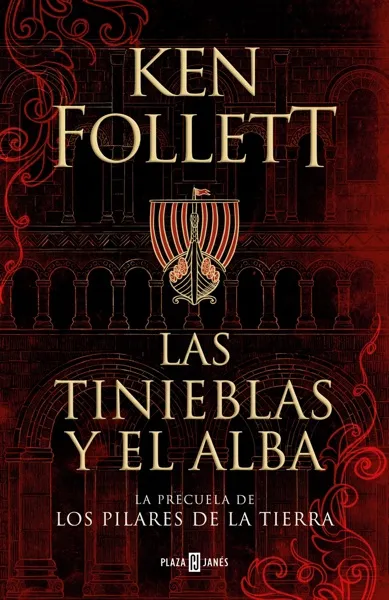

Las tinieblas y el alba Author: Ken FollettPage Count: UnknownPublication Year: 2021-GB Ken Follett’s Las tinieblas y el alba (The Evening and the Morning) is not just another historical epic—it is a masterclass in how to weave grand ambition into intimate human drama, set against the canvas of a world on the cusp of transformation. Serving as a prequel to his monumental The Pillars of the Earth, this 2021 release plunges readers into 10th-century Britain, a time when kingdoms crumbled, faith clashed with ambition, and ordinary lives flickered in the shadows of looming darkness. Follett, a storyteller of rare precision, crafts a narrative that is both sweeping and deeply personal, proving once again why he remains the undisputed king of the historical saga. At its heart, Las tinieblas y el alba explores the birth of civilization from chaos. The book opens in 997 AD, as Viking raids ravage the English coast and the once-great Roman city of Wigleigh (a fictional stand-in for real-world Winchester) struggles to rise from the ashes of decay. The central theme is resilience—not the triumphant kind celebrated in legends, but the stubborn, gritty persistence of people rebuilding after disaster. Follett doesn’t glorify the past; he exposes its brutality, its hypocrisy, and the fragile threads that hold society together. The title itself—The Evening and the Morning—evokes the biblical metaphor of darkness preceding light, but Follett twists it into a more unsettling truth: sometimes, the morning never comes. Progress is never guaranteed. What makes this novel so gripping is Follett’s uncanny ability to balance macro and micro perspectives. On one level, this is a story of nations: of King Æthelred’s inability to unite England against the Viking threat, of the power struggles between church and state, of the slow unraveling of old orders. Yet Follett never loses sight of the individual. His characters are vivid, flawed, and deeply human. We meet Edgar, a young boatbuilder whose hands shape the future one plank at a time; Ragna, a noblewoman from Normandy whose intelligence and defiance challenge the rigid norms of Anglo-Saxon England; and Aldred, a monk torn between his faith and his ambition to preserve knowledge in a world where books are burned for heresy. Their personal journeys—love, betrayal, survival—are the beating heart of the novel, giving weight to the larger historical canvas. Follett’s prose is deceptively simple, like a well-honed axe: precise, efficient, and devastating. He avoids purple passages, opting instead for a lean, cinematic style that immerses the reader in the sights, sounds, and smells of the past. You can feel the damp chill of a coastal village, hear the clash of swords on a rainy battlefield, taste the mead at a raucous feast where alliances are made and broken in a single night. His research is meticulous, but he never lets facts bury the story. The result is a world that feels lived-in, where every detail—from the construction of a cathedral to the intricacies of Viking longships—serves the narrative rather than overwhelming it. One of Follett’s greatest strengths is his refusal to romanticize history. The medieval period was brutal, and Las tinieblas y el alba doesn’t shy away from that. Rape, murder, and political assassination are not just background noise; they are consequences of a society where power is the only currency. Yet amidst this bleakness, Follett finds moments of light—love that defies class, friendship that transcends borders, and the quiet heroism of those who choose to rebuild rather than burn. It’s a reminder that even in the darkest ages, humanity endures. The novel’s pacing is relentless, driven by Follett’s knack for suspense. Whether it’s a chase across the marshes, a tense negotiation in a drafty hall, or the slow burn of a forbidden romance, the story never drags. The stakes are personal and political, making every setback feel like a gut punch. And just when you think the tension can’t rise further, Follett delivers another twist, another betrayal, another reminder that trust is a luxury few can afford. For fans of Follett’s The Pillars of the Earth, this prequel is a revelation. It doesn’t just set the stage for the later story—it deepens it. We see the seeds of the characters and conflicts that will shape the 12th century, from the rise of the wool trade to the simmering tensions between Saxons and Normans. Yet Las tinieblas y el alba stands on its own as a powerful tale of a world in flux, where the old ways are dying and the new ones are struggling to be born. In the end, Follett’s genius lies in his ability to make history feel urgent. This isn’t a dusty relic of the past; it’s a mirror held up to our own time, reflecting the fragility of progress, the cost of ambition, and the quiet courage required to live through the dark hours. Las tinieblas y el alba is more than a historical novel—it’s a testament to the enduring power of storytelling itself. #HistoricalFiction #KenFollett #MedievalEpic #BookReview #DarkAges #EpicSaga Related InsightsA Gambling Man Book Review and Summary The Murder of Roger Ackroyd Book Review and Summary The last Emperox Book Review and Summary{ "@context": "https://schema.org", "@type": "FAQPage", "mainEntity": [ { "@type": "Question", "name": "What is the main focus of Las tinieblas y el alba Book Review and Summary?", "acceptedAnswer": { "@type": "Answer", "text": "Everything you need to know about Las tinieblas y el alba with our detailed review." } }, { "@type": "Question", "name": "Who authored the comprehensive guide on Las tinieblas y el alba Book Review and Summary?", "acceptedAnswer": { "@type": "Answer", "text": "This detailed article and its insights were carefully researched and authored by Antoine Leroy." } }, { "@type": "Question", "name": "Where can I find more related content about Books?", "acceptedAnswer": { "@type": "Answer", "text": "You can explore more articles, detailed reviews, and similar insights by browsing the Related Insights section at the bottom of this article or visiting our dedicated Books category page." } } ] }