Showing Posts From
Last tudor
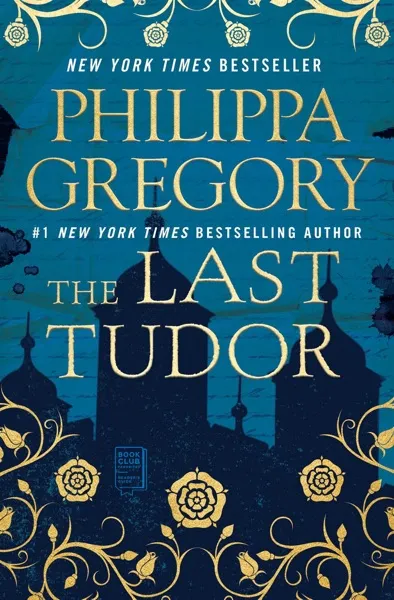

Last Tudor Author: Philippa GregoryPage Count: UnknownPublication Year: 2018-GB Philippa Gregory’s The Last Tudor is a masterful blend of historical fiction and psychological intrigue, weaving together the tragic fate of Lady Jane Grey with the haunting voices of her surviving sisters. Published in 2018, this novel belongs to Gregory’s beloved Tudor Court series, yet it stands apart for its bold narrative structure and emotional depth. Rather than focusing solely on the "Nine Days' Queen," Gregory expands her lens to include the lives of her younger sisters, Katherine and Mary, whose own fates were equally shaped by the ruthless politics of Tudor England. The result is a gripping, multi-perspective exploration of survival, faith, and the crushing weight of royal bloodlines. At its core, The Last Tudor is a meditation on how history is written—and by whom. Gregory challenges the traditional narrative of Jane Grey’s martyrdom, presenting her not as a passive victim of Tudor machinations but as a complex, intelligent young woman whose religious convictions and personal agency shaped her destiny. Yet the novel’s true innovation lies in its use of three distinct narrators—Jane, Katherine, and Mary—each offering a radically different perspective on the same turbulent era. Jane’s sections are steeped in the fervor of Protestant reform, her prose sharp and unyielding, mirroring her unwavering faith. Katherine, the middle sister, is a figure of quiet desperation, her chapters filled with the suffocating fear of being married off for political gain. Mary, the youngest, is the most elusive, her voice drifting between defiance and despair, her narrative one of survival rather than martyrdom. Gregory’s prose is rich and immersive, effortlessly transporting readers to the gilded cages of the Tudor court. She excels at historical detail, from the opulence of Hampton Court to the stench of the Tower of London, without ever losing sight of her characters’ inner lives. The dialogue crackles with tension, particularly in scenes where the sisters confront their fate. When Jane, imprisoned and awaiting execution, reflects on her brief reign, Gregory captures the bitterness of a life cut short: "I was a queen for nine days, and now I am a corpse." It’s a chilling line, one that lingers long after the page is turned. What makes The Last Tudor truly compelling is its refusal to romanticize the past. Gregory doesn’t shy away from the brutality of the era—forced marriages, executions, and the constant threat of political betrayal are ever-present. Yet she also finds moments of tenderness, particularly in the sisters’ relationships with each other. Their bond, though strained by differing beliefs and circumstances, remains a fragile thread of humanity in an otherwise merciless world. Katherine’s quiet resilience and Mary’s cunning adaptability offer a counterpoint to Jane’s tragic idealism, suggesting that survival, not martyrdom, was the most radical act of all. Gregory’s narrative choices elevate the novel beyond mere historical recreation. By giving each sister a distinct voice—Jane’s stern, scholarly tone; Katherine’s weary pragmatism; Mary’s sharp, sometimes bitter wit—she forces readers to confront the subjectivity of history. There is no single "truth" in The Last Tudor; instead, there are three fractured perspectives, each as valid as the next. It’s a bold storytelling technique that underscores the novel’s central theme: that history is written by the powerful, but the voices of the forgotten often linger in the cracks. For fans of Gregory’s earlier works, The Last Tudor will feel familiar in its lush historical detail and courtly intrigue. Yet it also marks a departure, delving deeper into the psychological toll of royal life. The sisters are not just pawns in a grand game; they are women grappling with faith, love, and the crushing expectations of their birth. Jane’s steadfastness in the face of death is inspiring, but it’s Katherine and Mary whose stories resonate most deeply. Their struggles—against forced marriages, against erasure, against the relentless machinery of the Tudor state—feel achingly human. If The Last Tudor has a flaw, it’s in its pacing. The novel’s structure, while innovative, can occasionally feel disjointed, with shifts in tone or perspective that require a moment’s adjustment. Yet this is a minor critique for a work that otherwise shines with intelligence and emotional resonance. Gregory has always been a master of historical fiction, but The Last Tudor is her most ambitious and introspective work to date. This is a book for readers who love history not just as a series of dates and events, but as a tapestry of human suffering and resilience. Gregory reminds us that the Tudors were more than just kings and queens—they were people, flawed and frail, whose lives were dictated by forces beyond their control. The Last Tudor is a testament to those who fought against their fate, even when the odds were insurmountable. #TheLastTudor #PhilippaGregory #HistoricalFiction #TudorEngland #LadyJaneGrey #HistoricalDrama Related InsightsQuando la Storia Diventa Romanzo: L'Arte Invisibile del Tempo Narrato Dark Reading Matter (Thursday Next, #8) Book Review and Summary Kitapların Fısıltısı: Ruhumuza Dokunan Kelimelerin Yolculuğu{ "@context": "https://schema.org", "@type": "FAQPage", "mainEntity": [ { "@type": "Question", "name": "What is the main focus of Last Tudor Book Review and Summary?", "acceptedAnswer": { "@type": "Answer", "text": "Everything you need to know about Last Tudor with our detailed review." } }, { "@type": "Question", "name": "Who authored the comprehensive guide on Last Tudor Book Review and Summary?", "acceptedAnswer": { "@type": "Answer", "text": "This detailed article and its insights were carefully researched and authored by Sarah Davis." } }, { "@type": "Question", "name": "Where can I find more related content about Books?", "acceptedAnswer": { "@type": "Answer", "text": "You can explore more articles, detailed reviews, and similar insights by browsing the Related Insights section at the bottom of this article or visiting our dedicated Books category page." } } ] }