Showing Posts From
Left behind
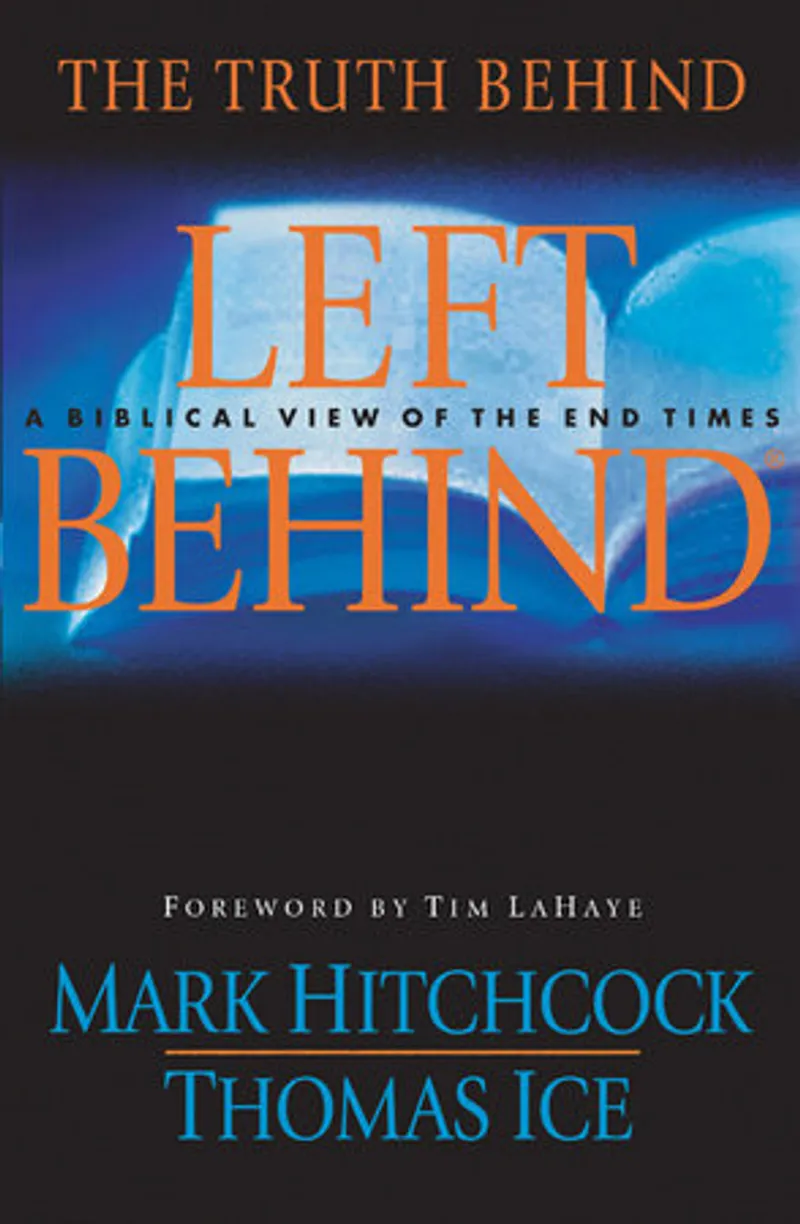
The Truth Behind Left Behind Author: Mark HitchcockPage Count: UnknownPublication Date: 2011-PRH The Truth Behind Left Behind: A Theological Defense Worth Considering Mark Hitchcock’s The Truth Behind Left Behind (2011) is more than just a rebuttal to critics—it’s a clarion call for clarity in an age of prophetic confusion. As the Left Behind series reshaped popular Christian imagination about the end times, so too did it spark heated debates about its theological accuracy. Hitchcock, a seasoned theologian and prolific author, steps into this fray not with defensiveness but with a measured, scripturally grounded defense of dispensational premillennialism—the theological framework underpinning the series. At its core, the book tackles a pressing question: Is Left Behind’s portrayal of the end times biblically sound? Hitchcock doesn’t shy away from the controversy. Instead, he dismantles misconceptions with precision, offering a robust apologetic for the series’ key themes—rapture timing, the Antichrist’s rise, the Tribulation, and the Millennium. His approach is systematic, almost pedagogical, making complex eschatology accessible without dumbing it down. This is no mere fan service; it’s a theological deep dive aimed at both believers and skeptics. Hitchcock’s style is disarmingly straightforward. He avoids the dense jargon that often plagues theological works, opting instead for a conversational tone that feels like a fireside chat with a trusted pastor. Each chapter builds on the last, starting with foundational concepts like hermeneutics (how to interpret prophecy) before diving into specific events depicted in the novels. His strength lies in his ability to marry popular appeal with scholarly rigor. He cites Scripture relentlessly, grounding every claim in biblical text rather than speculation. When addressing critics who argue that the Left Behind timeline is forced, Hitchcock responds with historical context, linguistic analysis, and cross-references—never resorting to straw-man arguments or emotional appeals. One of the book’s most compelling sections is its treatment of the rapture. Hitchcock dismantles the post-tribulationist argument (the view that the rapture and Second Coming are simultaneous) with surgical precision, pointing to key Greek terms like harpazo (to seize away) and parousia (presence/arrival) to argue for a pre-Tribulation rapture. He doesn’t just assert his position; he invites readers to grapple with the text themselves, making this a work that could easily serve as a study guide for small groups or Sunday school classes. Yet, for all its strengths, the book isn’t without its limitations. Hitchcock’s unwavering commitment to dispensationalism means he gives short shrift to alternative views, such as amillennialism or historic premillennialism. While he acknowledges these perspectives, his treatment of them feels cursory, almost dismissive. A more generous engagement with opposing viewpoints might have strengthened his case by demonstrating why dispensationalism holds up under scrutiny. Additionally, some readers may find his reliance on the Left Behind novels as a springboard for discussion a bit too self-referential—after all, the books themselves are works of fiction, not theology. Hitchcock walks a fine line between defending the series’ theological claims and its narrative choices, which could leave some wondering where one ends and the other begins. Still, these critiques don’t overshadow the book’s value. The Truth Behind Left Behind is a timely reminder that prophecy isn’t just about sensationalism—it’s about sober-minded faith. Hitchcock’s work is a rallying cry for those who, like him, believe the Bible’s end-times passages are not allegories to be spiritualized away but literal events to be prepared for. In an era where doomsday predictions and conspiracy theories run rampant, his call for biblical fidelity is refreshing. For fans of the Left Behind series, this book is a must-read—it validates their convictions while deepening their understanding. For skeptics, it’s an invitation to engage with the text honestly, even if they ultimately disagree. And for the undecided, it’s a well-reasoned entry point into one of Christianity’s most debated topics. In the end, The Truth Behind Left Behind isn’t just about defending a bestselling franchise; it’s about defending the authority of Scripture itself. Hitchcock may not change every mind, but he equips readers with the tools to think critically about the end times—and that’s a victory worth celebrating. #LeftBehind #EndTimes #BibleProphecy #Dispensationalism #ChristianTheology #RaptureDebate Related InsightsExtraOrdinary Book Review and Summary Wildcard Book Review and Summary Find Me Where It Ends Book Review and Summary{ "@context": "https://schema.org", "@type": "FAQPage", "mainEntity": [ { "@type": "Question", "name": "What is the main focus of Left Behind Book Review and Summary?", "acceptedAnswer": { "@type": "Answer", "text": "Everything you need to know about Left Behind with our detailed review." } }, { "@type": "Question", "name": "Who authored the comprehensive guide on Left Behind Book Review and Summary?", "acceptedAnswer": { "@type": "Answer", "text": "This detailed article and its insights were carefully researched and authored by Tim LaHaye." } }, { "@type": "Question", "name": "Where can I find more related content about Books?", "acceptedAnswer": { "@type": "Answer", "text": "You can explore more articles, detailed reviews, and similar insights by browsing the Related Insights section at the bottom of this article or visiting our dedicated Books category page." } } ] }