Showing Posts From
Library of forbidden
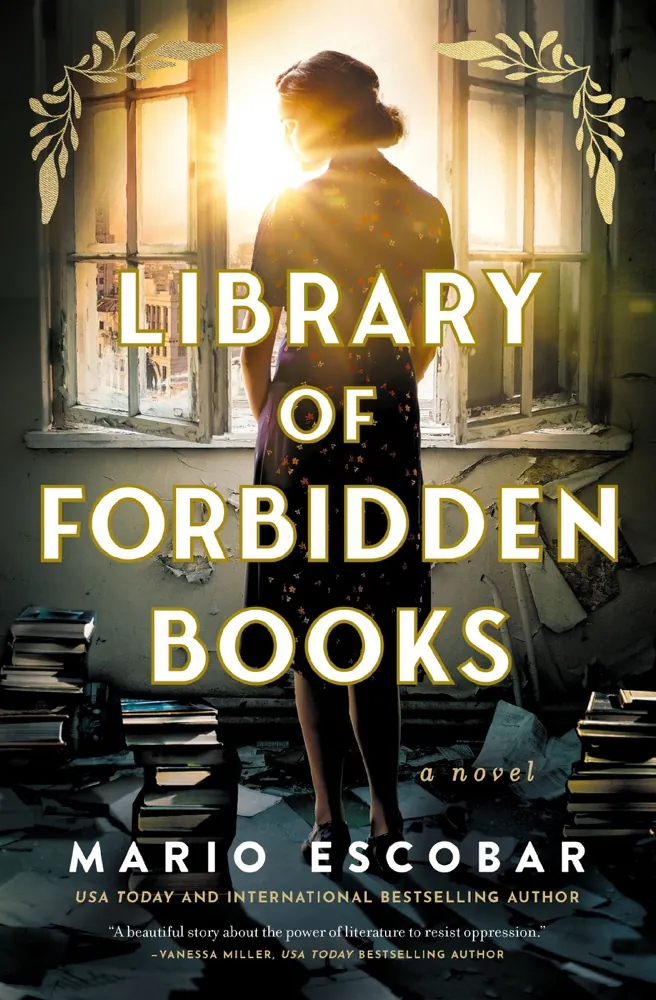
Author: Mario EscobarPage Count: UnknownPublication Date: Expected publication 2026-09-01 APL Ah, so Library of Forbidden Books—this isn’t just another historical fiction about a librarian saving books, is it? It’s a performance, a slow-burning pyre of a novel where the real villain isn’t just the Nazis but the idea that words can be erased without leaving scars. Helene Nathan isn’t just a character; she’s a tactical librarian, a woman who understands that books aren’t just paper and ink—they’re the last line of defense against a regime that wants to rewrite history before it’s even written. And yet—where’s the tension? The synopsis reads like a museum exhibit, all solemnity and no sweat. Where’s the moment when Helene realizes she’s not just hiding books but people in those shelves? Where’s the moment when she has to choose between saving a single volume or a life? The synopsis gives us the gesture—the defiance, the danger—but not the grit. It’s like reading about a storm without the wind. But then again, maybe that’s the point. Maybe the book is about the quiet resistance, the kind that doesn’t make headlines but still burns. The kind of courage that doesn’t shout but whispers—just loud enough for the right ears. And yet—where’s the personal cost? Helene is half-Jewish, and Rudolf Kummer is her nemesis, but the synopsis doesn’t tell us if she’s in love with him once, or if she’s hiding someone in her home, or if she’s been watching him for years, waiting for the right moment to strike. The psychological depth here is just a shadow, not a full portrait. It’s like being given a sketch of a face and told it’s a masterpiece. And the books—oh, the books! The synopsis mentions them like they’re sacred objects, but where’s the magic? Where’s the moment when Helene realizes that some books aren’t just forbidden because of their content but because of who wrote them? Where’s the moment when she has to decide whether to save a volume of poetry by a Jewish author or a medical text that could save lives? The synopsis treats the books as artifacts, not weapons. And that’s a problem, because in real life, books aren’t just things to be preserved—they’re tools. They’re the difference between a society that remembers and one that forgets. But then—what if the book is about the idea of preservation? What if it’s not about the thrill of the chase but the weight of the choice? What if Helene’s greatest act of defiance isn’t saving books but deciding which ones to save? That’s a different kind of story, one that doesn’t need explosions or betrayals but silence. And yet—where’s the human element? Where’s the moment when Helene has to look her reflection in the mirror and ask herself if she’s still a librarian or just a survivor? Literally. I mean, come on—this synopsis reads like a manifesto. It’s all about the power of literature, the courage of resistance, the sacredness of words. But where’s the mess? Where’s the moment when Helene makes a mistake, or when she’s terrified, or when she has to choose between her principles and her survival? The synopsis gives us the big picture, but not the close-up. And that’s a shame, because the best stories aren’t about the idea of resistance—they’re about the people who do it. But then again, maybe that’s the point. Maybe the book is about the idea of resistance, not the act. Maybe it’s about the hope that words can survive, even if the people who wrote them don’t. And if that’s the case, then the synopsis is perfect—because it’s not about the details but the essence. It’s about the idea of a world where books are burned, and one woman stands in the way. And if that’s the case, then I’m intrigued. But I’m also skeptical, because the best stories aren’t about the idea—they’re about the people. I need to go find where the dog hid my only good pair of dress shoes. #BookBurning #HistoricalFiction #LibrarianLife #NaziGermany #ResistanceStories Related InsightsA Really Short History of Nearly Everything Book Review and Summary Demian: Die Geschichte von Emil Sinclairs Jugend Book Review and Summary A Tree Grows in Brooklyn Book Review and Summary{ "@context": "https://schema.org", "@type": "FAQPage", "mainEntity": [ { "@type": "Question", "name": "What is the main focus of Library of Forbidden Books Book Review and Summary?", "acceptedAnswer": { "@type": "Answer", "text": "Everything you need to know about Library of Forbidden Books with our detailed review." } }, { "@type": "Question", "name": "Who authored the comprehensive guide on Library of Forbidden Books Book Review and Summary?", "acceptedAnswer": { "@type": "Answer", "text": "This detailed article and its insights were carefully researched and authored by Antoine Leroy." } }, { "@type": "Question", "name": "Where can I find more related content about Books?", "acceptedAnswer": { "@type": "Answer", "text": "You can explore more articles, detailed reviews, and similar insights by browsing the Related Insights section at the bottom of this article or visiting our dedicated Books category page." } } ] }