Showing Posts From
Life of black hawk o
-
 Piotr Nowak
 - 16 Nov, 2025 21:50
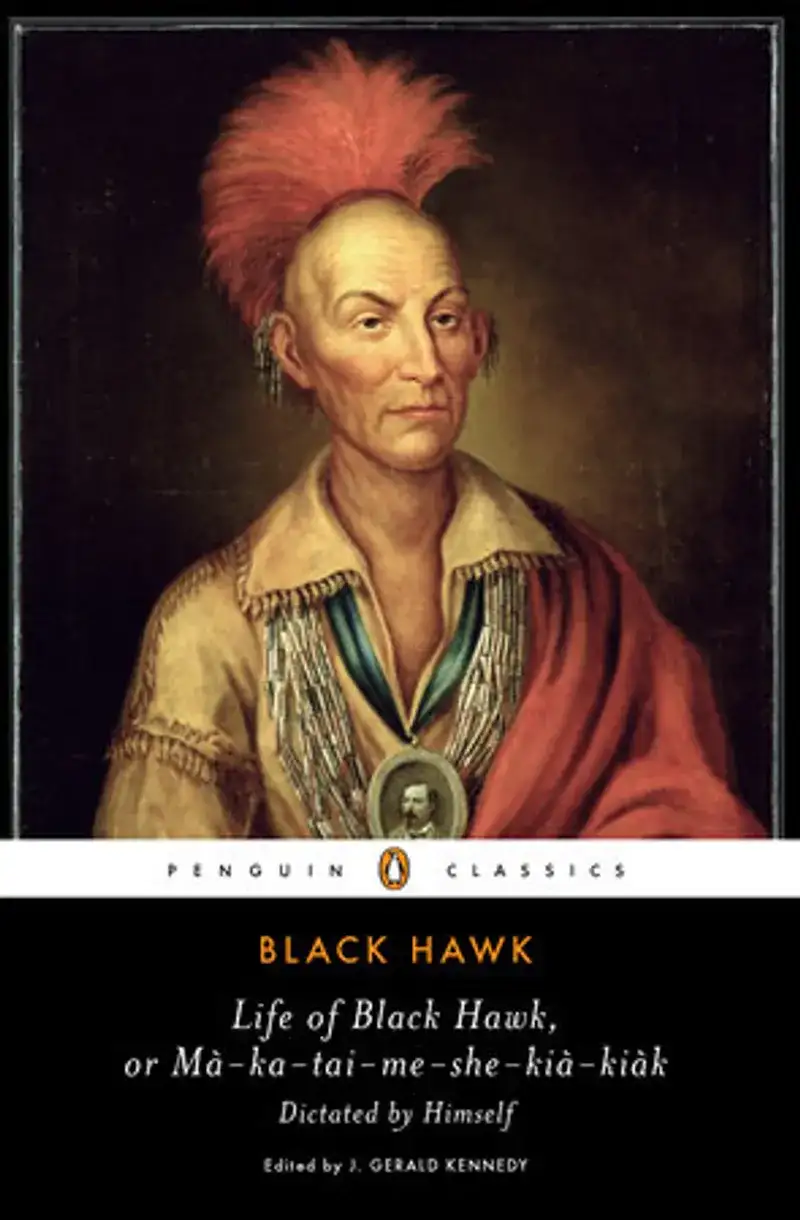
Life of Black Hawk, or Ma-ka-tai-me-she-kia-kiak Book Review and Summary
Life of Black Hawk, or Ma-ka-tai-me-she-kia-kiak Author: Black HawkPage Count: UnknownPublication Date: 2008-PRH Black Hawk’s Life of Black Hawk, or Ma-ka-tai-me-she-kia-kiak is more than a memoir—it is a defiant act of survival, a raw and unfiltered testament to the resilience of a people forcibly erased from their land. Written in 1833 but rediscovered and reissued in 2008, this book is not just a historical artifact; it is a voice that refuses to be silenced. In an era when Native American narratives were either erased or romanticized by white settlers, Black Hawk’s account stands as one of the first unapologetically adversarial perspectives on the frontier wars—a searing indictment of colonial violence disguised as "progress." The heart of Black Hawk’s story is displacement. The Sauk leader, who led his people in a desperate but doomed resistance against American expansion in what is now Illinois and Wisconsin, recounts not just battles but the systematic dismantling of his world. His narrative is structured around two key events: the forced removal of the Sauk from their ancestral lands in the 1820s and the Black Hawk War of 1832, a conflict that ended in the near-annihilation of his band. Yet Black Hawk does not present himself as a passive victim. He is a warrior, a leader, and a man of deep conviction, who frames his resistance as a duty to his people and his culture. His tone is neither submissive nor sorrowful but rather proud, even when recounting defeats. There is a quiet fury in his words when he describes the broken treaties, the betrayals by white authorities, and the relentless encroachment of settlers. This is not a tale of conquest but of endurance—a refusal to accept erasure. Black Hawk’s style is deceptively simple. His prose is direct, almost conversational, yet every word carries weight. He avoids the flowery rhetoric of some Euro-American memoirs of the time, instead opting for a straightforward, almost stoic recounting of events. This sparseness makes his anger and sorrow all the more piercing. When he describes the massacre at Bad Axe River, where hundreds of his people—mostly women, children, and the elderly—were slaughtered by the U.S. Army, his understated account is more devastating than any melodramatic lament. There is no need for embellishment; the facts speak for themselves. What makes Life of Black Hawk particularly compelling is the way it subverts expectations. Black Hawk is not the noble savage of frontier myth, nor is he the bloodthirsty barbarian of settler propaganda. He is a leader who makes mistakes, who faces impossible choices, and who ultimately accepts defeat with a dignity that challenges his readers. His voice is one of both defiance and sorrow—a man who knows his people are doomed but refuses to grovel before their destroyers. In this way, his memoir transcends its historical context; it is not just a Native American story but a universal one about the cost of unchecked power and the courage required to resist it. The 2008 reissue, with its scholarly introduction and notes, is a crucial addition for modern readers. It contextualizes Black Hawk’s words within the broader history of Native American resistance and the systematic policies of removal and genocide. Yet the power of the text lies in Black Hawk’s own voice—the unfiltered, unmediated perspective of a man who saw his world burn and refused to look away. This is a book that demands to be read not just as history, but as a living document of resistance. It is a reminder that the stories of the oppressed are not just footnotes to the "triumphs" of colonization but the very essence of what it means to fight for dignity. Black Hawk’s life—and his words—are a testament to the fact that no matter how many times a people are displaced, their story can never be fully erased. In an era where discussions of land acknowledgment and historical justice are finally gaining traction, Life of Black Hawk is a vital read. It forces us to confront the uncomfortable truth that the America we know today was built on the backs of those who were never given a choice. Black Hawk’s voice, preserved for over a century and a half, remains a clarion call against forgetting. #BlackHawkWar #NativeAmericanHistory #ResistanceLiterature #Colonialism #IndigenousVoices #HistoricalTruth Related InsightsGone Girl (Special Edition) Book Review and Summary Boy Who Cried Bear Book Review and Summary Archangel's Lineage Book Review and Summary{ "@context": "https://schema.org", "@type": "FAQPage", "mainEntity": [ { "@type": "Question", "name": "What is the main focus of Life of Black Hawk, or Ma-ka-tai-me-she-kia-kiak Book Review and Summary?", "acceptedAnswer": { "@type": "Answer", "text": "Everything you need to know about Life of Black Hawk, or Ma-ka-tai-me-she-kia-kiak with our detailed review." } }, { "@type": "Question", "name": "Who authored the comprehensive guide on Life of Black Hawk, or Ma-ka-tai-me-she-kia-kiak Book Review and Summary?", "acceptedAnswer": { "@type": "Answer", "text": "This detailed article and its insights were carefully researched and authored by Piotr Nowak." } }, { "@type": "Question", "name": "Where can I find more related content about Books?", "acceptedAnswer": { "@type": "Answer", "text": "You can explore more articles, detailed reviews, and similar insights by browsing the Related Insights section at the bottom of this article or visiting our dedicated Books category page." } } ] }