Showing Posts From
Life of pi
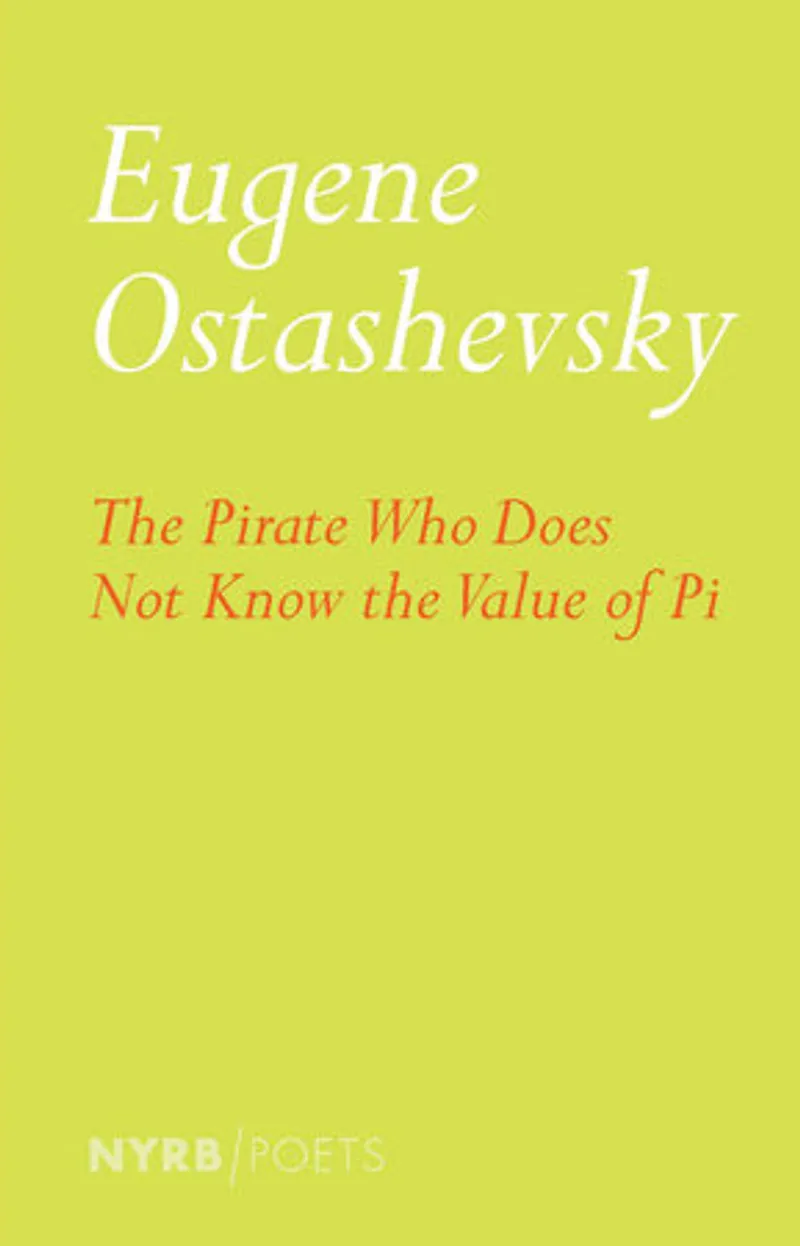
The Pirate Who Does Not Know the Value of Pi Author: Eugene OstashevskyPage Count: UnknownPublication Date: 2017-PRH The Pirate Who Does Not Know the Value of Pi, penned by Eugene Ostashevsky, is a thought-provoking poem-novel that delves into the intricacies of human connection, communication, and the concept of otherness. This award-winning book, a recipient of the 2019 International Poetry Prize from the City of Münster, is a masterful blend of multilingual wordplay, witty humor, and philosophical introspection. At its core, the narrative revolves around the unlikely duo of a pirate and a parrot, who, after being shipwrecked on a deserted island, embark on a series of debates about the feasibility of communication with the island's hypothetical indigenous inhabitants. This clever setup allows Ostashevsky to explore a wide range of themes, including emigration, incomprehension, and the complexities of interspecies understanding. One of the most striking aspects of Ostashevsky's writing style is his use of language as a tool for subversion and play. His incorporation of multilingual puns, humorous references to game theory, and old-school hip-hop nods creates a rich tapestry of allusions and clever turns of phrase. This approach not only showcases the author's impressive linguistic dexterity but also underscores the central theme of the book: the challenges and limitations of communication across linguistic, cultural, and species boundaries. Throughout the poem-novel, Ostashevsky engages in a delightful dance of ideas, drawing upon a diverse array of sources, from early modern texts on piracy and animal intelligence to set theory and philosophical treatises. This eclectic approach lends the book a unique flavor, as if the author is conducting a lively, anarchic seminar on the nature of meaning and connection. The pirate and parrot's conversations, which form the backbone of the narrative, are characterized by a beguiling mix of naivety, wit, and insight. As they ponder the possibilities of communication with the island's hypothetical inhabitants, they inadvertently reveal the depths of their own understanding – and misunderstanding – of the world around them. This narrative device allows Ostashevsky to probe the complexities of intersubjective understanding, highlighting the ways in which our perceptions of reality are shaped by our individual experiences, biases, and linguistic frameworks. Ostashevsky's work is not merely an exercise in clever wordplay or intellectual posturing; it is a deeply humane and empathetic exploration of the human condition. Through the pirate and parrot's misadventures, he illuminates the struggles and triumphs of individuals seeking to connect with others across the divides of language, culture, and species. In doing so, he reminds us that even in the face of incomprehension and untranslatability, there lies a profound beauty in the attempt to communicate, to reach out to others, and to forge meaning in a chaotic, often inexplicable world. In conclusion, The Pirate Who Does Not Know the Value of Pi is a daring, ingenious, and deeply thought-provoking work of poetry and prose. Ostashevsky's unique blend of linguistic virtuosity, intellectual curiosity, and philosophical depth makes for a reading experience that is both exhilarating and humbling. As we navigate the complexities of our own globalized, multicultural world, this book offers a timely reminder of the importance of empathy, understanding, and the ongoing quest for connection in the face of difference. #poetry #pirates #parrots #multilingualism #philosophy #literaryfiction Related InsightsApples Never Fall Book Review and Summary Lover Revealed Book Review and Summary Kiss Slay Replay Book Review and Summary{ "@context": "https://schema.org", "@type": "FAQPage", "mainEntity": [ { "@type": "Question", "name": "What is the main focus of Life of Pi Book Review and Summary?", "acceptedAnswer": { "@type": "Answer", "text": "Everything you need to know about Life of Pi with our detailed review." } }, { "@type": "Question", "name": "Who authored the comprehensive guide on Life of Pi Book Review and Summary?", "acceptedAnswer": { "@type": "Answer", "text": "This detailed article and its insights were carefully researched and authored by Yann Martel." } }, { "@type": "Question", "name": "Where can I find more related content about Books?", "acceptedAnswer": { "@type": "Answer", "text": "You can explore more articles, detailed reviews, and similar insights by browsing the Related Insights section at the bottom of this article or visiting our dedicated Books category page." } } ] }