Showing Posts From
Lonesome dove
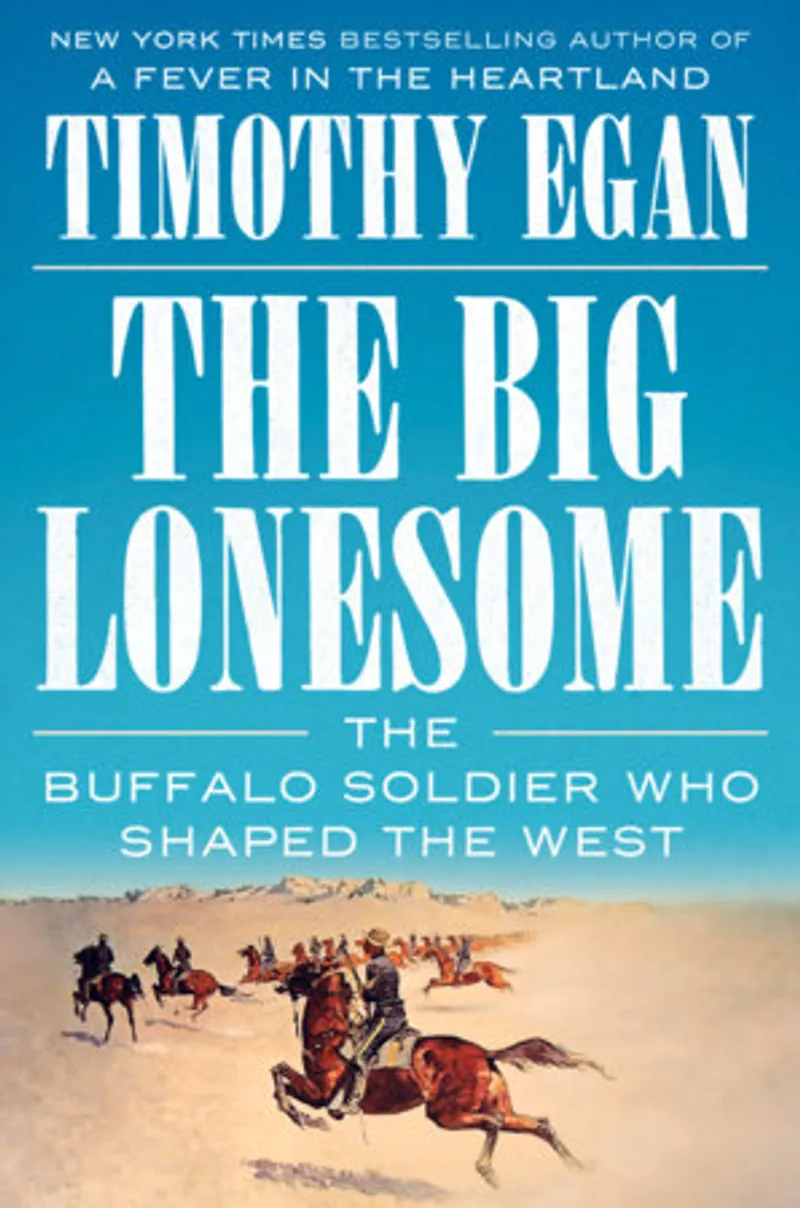
The Big Lonesome Author: Timothy EganPage Count: UnknownPublication Date: 2027-PRH Timothy Egan’s The Big Lonesome is a haunting, lyrical meditation on isolation, both as a personal burden and a cultural force. Set in the vast, desolate landscapes of the American West—where the horizon stretches endlessly and human presence feels like an afterthought—the novel follows a cast of broken souls navigating a world that has long since forgotten them. Egan, a Pulitzer Prize-winning journalist and master of narrative nonfiction, turns his keen eye to fiction with a story that feels as raw and unfiltered as a desert wind. The result is a work that lingers like the dust kicked up by a lone traveler’s footsteps, impossible to shake once read. At its core, The Big Lonesome is about the quiet devastation of being unseen. The title itself is a play on words: "lonesome" evokes the ache of solitude, while "big" suggests the overwhelming scale of the wilderness that swallows people whole. Egan’s characters are not the rugged individualists of frontier myth but the discarded—the elderly woman tending a dying ranch, the drifter who hasn’t spoken in years, the rancher whose land is being swallowed by drought and corporate greed. Their loneliness is not romanticized; it’s a slow rot, a cancer eating away at the edges of their lives. The novel asks: What happens when the world moves on without you? When the places that once held meaning become ghost towns, not just in geography but in memory? Egan’s prose is spare but evocative, mirroring the barren beauty of his setting. He has a journalist’s precision—every detail feels earned, every observation grounded in reality—but he wields it like a poet. A character’s hands are "cracked like old leather," a sunset bleeds "into the bones of the earth," and the silence of the desert is so profound it "hummed in the cavities of the skull." His descriptions are tactile, immersive, and often brutal, refusing to soften the edges of hardship. Yet there’s a strange comfort in his realism. Egan doesn’t offer easy answers or redemptive arcs; instead, he presents lives that are messy, incomplete, and profoundly human. The novel’s power lies in its refusal to look away from the cracks in the American dream. The structure of The Big Lonesome is fragmented, jumping between perspectives and timelines like a hiker stumbling through unfamiliar terrain. This could feel disjointed in lesser hands, but Egan makes it work. Each vignette is a piece of a larger puzzle, revealing how isolation is both a personal prison and a shared condition. A young woman fleeing an abusive marriage finds temporary refuge in a roadside diner, only to realize the waitress there is equally trapped. A retired professor, once a celebrated historian, now spends his days cataloging the decline of his town in a series of notebooks no one will ever read. The connections between these lives are subtle, often unspoken, but the cumulative effect is devastating. Egan suggests that loneliness is contagious—that when one person is abandoned, it leaves a mark on everyone else. What makes The Big Lonesome so compelling is its quiet defiance. In an era where literature often chases spectacle, Egan’s novel is a study in stillness. There are no car chases, no grand revelations, no neat resolutions. Instead, there’s the slow, relentless pressure of time, the way it grinds people down until they become part of the landscape themselves. The novel’s climax is not a confrontation but an acceptance—a moment where a character finally stops fighting the inevitable and lets the land reclaim them. It’s a heartbreaking choice, but one that feels inevitable, given the world Egan has built. Egan’s background as a chronicler of the American West shines through in every page. He knows this terrain intimately—the way the light slants at dusk, the scent of sagebrush after rain, the eerie stillness of a town that’s been abandoned overnight. But he’s not just writing about place; he’s writing about the people who are left behind when the myth of the West moves on. The novel is a eulogy for a way of life that’s disappearing, not with a bang but with a whimper. It’s also a warning: the same forces that carved the West—capitalism, climate change, the relentless march of progress—are now swallowing the people who once called it home. The Big Lonesome is not a book for those who demand uplift or easy catharsis. It’s a book for readers who understand that sometimes the most powerful stories are the ones that refuse to flinch. Egan’s characters are not heroes; they’re survivors, barely hanging on. Their victories are small, their defeats vast. And yet, in their resilience—however fragile—there’s a kind of grace. The novel lingers in the mind long after the last page, a testament to the quiet endurance of those who refuse to be erased. If you’ve ever felt invisible, if you’ve ever stood in a place so empty it feels like the world has forgotten you, then The Big Lonesome will resonate like a struck match in the dark. It’s a book that doesn’t just describe loneliness—it makes you feel it, deep in your bones. #TheBigLonesome #TimothyEgan #AmericanWest #LiteraryFiction #Isolation #QuietDesperation Related InsightsThe Spirits Book Review and Summary Harry Potter and the Chamber of Secrets Book Review and Summary El peor vecino del mundo Book Review and Summary{ "@context": "https://schema.org", "@type": "FAQPage", "mainEntity": [ { "@type": "Question", "name": "What is the main focus of Lonesome Dove Book Review and Summary?", "acceptedAnswer": { "@type": "Answer", "text": "Everything you need to know about Lonesome Dove with our detailed review." } }, { "@type": "Question", "name": "Who authored the comprehensive guide on Lonesome Dove Book Review and Summary?", "acceptedAnswer": { "@type": "Answer", "text": "This detailed article and its insights were carefully researched and authored by Larry McMurtry." } }, { "@type": "Question", "name": "Where can I find more related content about Books?", "acceptedAnswer": { "@type": "Answer", "text": "You can explore more articles, detailed reviews, and similar insights by browsing the Related Insights section at the bottom of this article or visiting our dedicated Books category page." } } ] }