Showing Posts From
Lost arts
-
 Aylin Okur
 - 06 Jul, 2026 04:09
Beyond the Spine: Unearthing Stories in the Obscure World of Armorial Bookplates
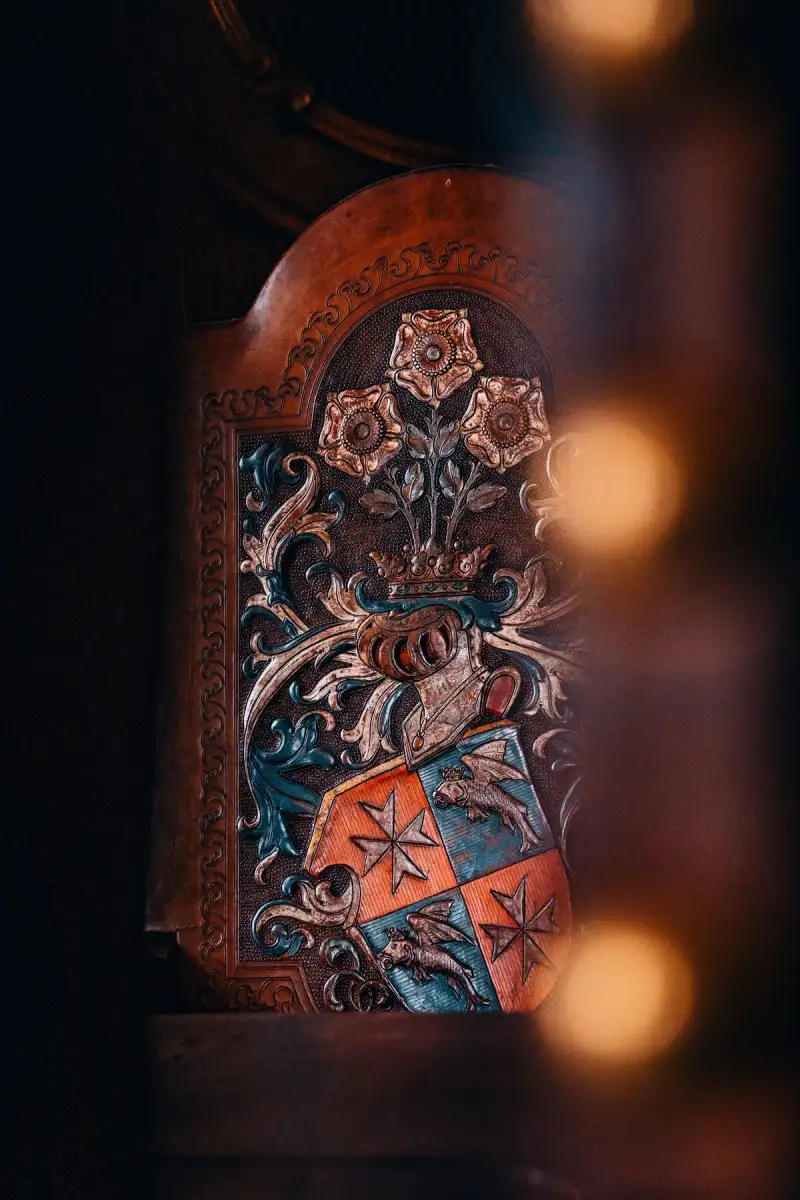
A book, at its core, is a vessel of knowledge, imagination, or indeed, the very soul of its creator. Yet, for centuries, it has also been an intensely personal object, a tangible extension of its owner’s identity, aspirations, and status. While a signed flyleaf offers a glimpse into this connection, there existed a far more elaborate, symbolic, and often breathtakingly beautiful method of ownership declaration: the armorial bookplate. These miniature masterpieces, frequently overlooked by the casual observer, are far more than mere labels; they are intricate tapestries woven from heraldry, art, and the forgotten narratives of their original custodians. Imagine holding a venerable tome, perhaps bound in aged leather, its pages whispering tales of centuries past. As you gently turn the front cover, you discover not a scrawled signature, but a finely engraved, often highly decorative printed label bearing a shield, a crest, perhaps a motto in Latin, and the words "Ex Libris" – "from the library of." This is an armorial bookplate, a silent sentinel connecting the book to a specific family, lineage, or individual, often of noble or distinguished descent. To dismiss it as mere ephemera is to overlook an entire world of historical insight, artistic endeavor, and socio-cultural significance. The Genesis of a Grand Tradition: From Practicality to Prestige The practice of affixing a personal mark of ownership to books emerged in Germany in the mid-15th century, shortly after the advent of movable type printing. Before books became widely accessible, manuscripts were precious commodities, often passed down through generations or housed in monastic libraries. As printed books began to proliferate, albeit still expensive, the need for clear ownership identification grew. Early bookplates were largely functional: simple woodcuts bearing a coat of arms, a symbol, or sometimes just a name. Their primary purpose was to prevent theft and ensure books returned to their rightful owner. However, as printing techniques advanced and literacy spread among the burgeoning gentry and aristocracy, the bookplate quickly transcended its utilitarian origins. By the 17th and 18th centuries, particularly in Britain and continental Europe, owning a significant library became a profound statement of wealth, intellect, and social standing. Consequently, the bookplate evolved into an exquisite art form, a miniature canvas upon which owners could display their lineage, achievements, and sometimes even their personal philosophy. These weren't just for dukes and barons. Scholars, wealthy merchants, and even burgeoning intellectuals adopted the practice, albeit often with simpler designs. The armorial bookplate, specifically, denoted a connection to heraldry – the system of hereditary symbols and devices that identified families, individuals, and institutions. This meant that the bookplate became a potent symbol of inherited status and family pride, transforming a personal possession into a public declaration of identity. Deciphering the Heraldic Language: A Microcosm of Identity To truly appreciate an armorial bookplate is to learn its language – the intricate, often arcane, symbolism of heraldry. Each element on the plate tells a part of the owner's story, their family history, and their aspirations. At the heart of every armorial bookplate lies the shield (or escutcheon), bearing the family’s coat of arms. The symbols, known as "charges," within the shield are incredibly diverse:Animals: A rampant lion might symbolize courage, a soaring eagle strength, or a leaping salmon perseverance. Mythical Beasts: Dragons, griffins, or unicorns could represent power, vigilance, or purity. Everyday Objects: Swords, anchors, stars, or crosses often signified military service, maritime connections, divine faith, or hope. Geometric Shapes: Divisions of the shield into various patterns, known as "ordinaries," also carried specific meanings or indicated alliances.The colors (tinctures) used – though often represented by specific hatchings in monochrome engravings – also had symbolic weight: gold (Or) for generosity, silver (Argent) for sincerity, blue (Azure) for truth, red (Gules) for valor, and so on. Above the shield, typically, rests a helmet, often topped by a crest. The style of the helmet could indicate the owner's rank (e.g., a peer's helmet facing forward, a knight's in profile). The crest, a unique identifying emblem, was originally worn atop the helmet in battle and often echoed or complemented the charges on the shield. Surrounding the helmet and crest is the mantling, stylized drapery that once protected the helmet from the sun, now a decorative flourish. Many armorial bookplates also feature a motto, usually a short phrase in Latin, French, or English, reflecting the family's values, a historical event, or a personal creed (e.g., Pro Deo et Rege – "For God and King"; Je Pense Plus – "I Think More"). Finally, supporters – figures or animals flanking the shield – were often reserved for nobility of higher rank, symbolizing guardianship or allegiance.Reading a bookplate, therefore, becomes an act of historical deduction. The absence of supporters might tell you the owner was gentry, not peerage. A specific symbol might indicate a military campaign they fought in, or an ancestral profession. Even the condition of the plate – whether crisp and new, or worn and slightly damaged from repeated handling – adds to its unique narrative, hinting at the book's journey and its owner's relationship with their library. Beyond the Pedigree: Glimpses into Personal Libraries and Public Lives Armorial bookplates do more than just record lineage; they provide invaluable insights into the intellectual currents, social structures, and personal tastes of their era. A commoner might have a simple name and maybe a symbolic device, while a nobleman would commission an elaborate design reflecting centuries of heritage. This distinction speaks volumes about the stratified societies of the past. Consider the libraries themselves. When we find an armorial bookplate in an old book, we are not just looking at a piece of art; we are connecting with the mind that once curated that collection. Whose books were these? What did they read? Were they interested in classics, theology, science, or politics? The presence of a bookplate within a specific genre can offer clues about the owner's intellectual pursuits and contributions to their society. For example, the bookplates of prominent figures like Samuel Pepys, the famed diarist, or Horace Walpole, the Gothic novelist and art historian, are not merely curiosities. They are direct links to their private worlds, affirming the authenticity of books once held in their celebrated collections. Tracing the provenance of a book through its bookplate can reveal surprising journeys, showing how volumes traveled across continents, passed through different hands, and contributed to the intellectual tapestry of successive generations. Moreover, bookplates played a role in genealogical research long before modern databases. The inclusion of marriage arms (where the arms of a husband and wife are impaled or quartered on the same shield) or quarterings (representing the arms of various ancestral families inherited through marriage) could provide clear visual records of family alliances and descents that might otherwise be lost to time. They acted as miniature family trees, condensed onto a few square inches of paper. The Artisans and Their Craft: A Niche in the Decorative Arts The creation of armorial bookplates involved skilled artisans – engravers, heraldic artists, and printers – whose craft was highly prized. Early bookplates, produced using woodcut techniques, had a robust, often somewhat rustic charm. As copperplate engraving became more sophisticated in the 17th century, bookplates grew increasingly intricate, allowing for finer details, elaborate flourishes, and greater artistic expression. Artists like Albrecht Dürer designed some of the earliest known armorial plates in Germany, showcasing the talent dedicated to this small but significant art form. Later, master engravers across Europe would meticulously render the complex details of heraldic devices, ensuring accuracy and aesthetic appeal. The quality of the engraving often mirrored the status of the patron, with the wealthiest commissioning the most renowned artists. The styles of bookplates also evolved with artistic movements. From the bold lines of early Renaissance designs to the baroque exuberance of the 17th century, the rococo whimsy of the 18th, and the more classical or gothic revival styles of the 19th, bookplates provide a microcosm of decorative art history. Each era left its distinctive mark, making collecting bookplates a journey through various artistic periods.The Twilight and Quiet Resurgence of Ex-Libris By the late 19th and early 20th centuries, the grand tradition of armorial bookplates began to wane. Several factors contributed to this decline:Industrialization of Printing: The mass production of books made them less unique and valuable as individual objects. Changing Social Structures: The rigid class system that emphasized hereditary titles and heraldry began to dissolve, or at least become less overtly displayed. Shifting Aesthetic Tastes: Simpler, more modern designs became popular, often focusing on graphic elements rather than complex heraldry. Cost and Effort: Commissioning and producing intricate engravings was expensive and time-consuming, unsuited to a rapidly modernizing world.While the armorial bookplate’s heyday passed, the broader practice of using personal bookplates, or ex-libris, continued in various forms. Modern bookplates are often simpler, featuring artistic motifs, personalized typography, or graphic designs that reflect the owner’s hobbies or personality rather than their lineage. However, the historical armorial bookplate found a new life among collectors. Today, the collecting of ex-libris is a specialized, passionate hobby. Collectors seek out plates for their artistic merit, historical significance, rarity, or association with famous individuals or families. They are valued as small works of art, historical documents, and fascinating windows into the personal identities of past generations. Each small piece of paper, often carefully removed from a discarded book or found in a specialized collection, represents a fragment of history preserved. The Enduring Whisper of a Forgotten Art In an age of digital libraries and ephemeral content, the physical book retains a powerful allure. And within the pages of these enduring objects, the armorial bookplate stands as a testament to a bygone era when ownership was proclaimed with artistry and heraldic pride. These small, meticulously crafted labels are more than just dusty historical footnotes; they are potent symbols of identity, family, and the profound connection between a reader and their treasured volumes. They remind us that every book has a story, not just within its pages, but often etched onto its very fabric, bearing the silent, ornate mark of a former guardian. The next time you encounter an antique book, take a moment to peer into its front cover. You might just discover a miniature world of history, heraldry, and personal narrative waiting to be unearthed, a subtle whisper from a distant past, inviting you to connect with the ghosts of readers past.#BookHistory #ArmorialBookplates #ExLibris #Heraldry #BookCollecting #BookHistory #Heraldry #BookCollecting #LostArts #IdentityinBooks Related InsightsThose Empty Eyes Book Review and Summary Demon in the Wood Book Review and Summary El planeta inhóspito: La vida después del calentamiento / The Uninhabitable Earth: Life After Warming Book Review and Summary{ "@context": "https://schema.org", "@type": "FAQPage", "mainEntity": [ { "@type": "Question", "name": "What is the main focus of Beyond the Spine: Unearthing Stories in the Obscure World of Armorial Bookplates?", "acceptedAnswer": { "@type": "Answer", "text": "Delve into the fascinating, forgotten art of armorial bookplates, where heraldry, history, and personal identity converged within the pages of cherished volumes." } }, { "@type": "Question", "name": "Who authored the comprehensive guide on Beyond the Spine: Unearthing Stories in the Obscure World of Armorial Bookplates?", "acceptedAnswer": { "@type": "Answer", "text": "This detailed article and its insights were carefully researched and authored by Aylin Okur." } }, { "@type": "Question", "name": "Where can I find more related content about Books?", "acceptedAnswer": { "@type": "Answer", "text": "You can explore more articles, detailed reviews, and similar insights by browsing the Related Insights section at the bottom of this article or visiting our dedicated Books category page." } } ] }