Showing Posts From
Meditations
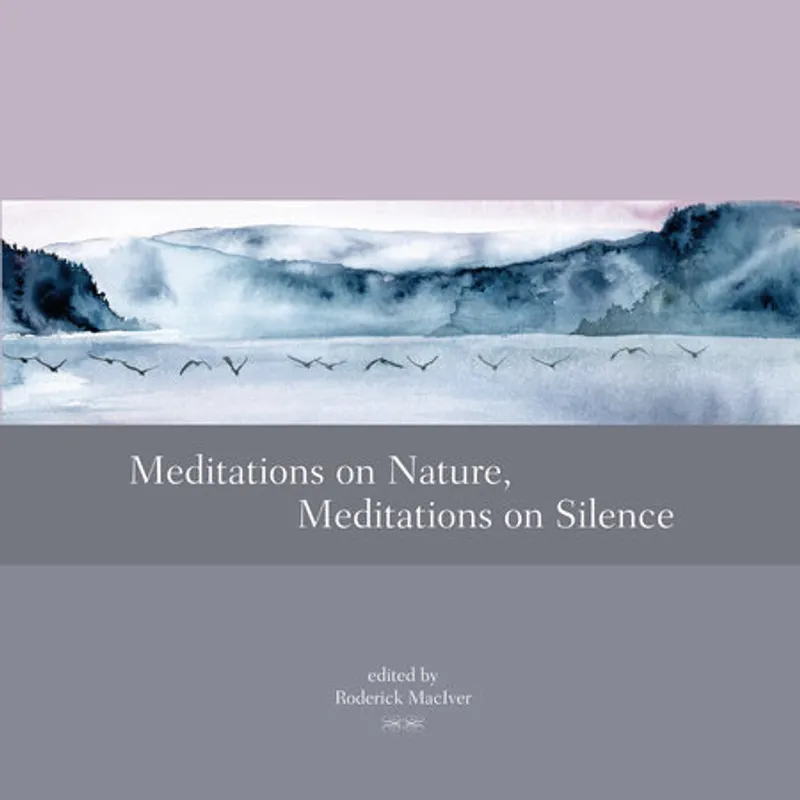
Meditations on Nature, Meditations on Silence Author: UnknownPage Count: UnknownPublication Date: 2009-PRH Meditations on Nature, Meditations on Silence is a quiet rebellion against the noise of modern life—a book that whispers where others shout. Compiled by an unknown hand but infused with the wisdom of luminaries like Thoreau, Carson, and Rilke, this anthology is less a book to be devoured and more one to be savored, like a slow sip of cold water on a parched afternoon. It is a sanctuary for the soul, a reminder that the world’s deepest truths are not found in the clamor of human invention but in the hush of a forest at dawn or the stillness of a winter’s night. The book’s central theme is deceptively simple: the natural world as a mirror for human contemplation. Yet within that simplicity lies a profound complexity. The selections—drawn from poets, scientists, homesteaders, and mystics—do not merely describe nature; they reveal it as a living text, one that speaks in metaphors of resilience, fragility, and interconnectedness. Aldo Leopold’s land ethic, Rachel Carson’s warnings about ecological fragility, and Edward Abbey’s rebellious love for the desert all converge here, not as conflicting voices but as harmonious chords in a single symphony of awe. The unknown compiler has done something remarkable: they have curated a conversation across centuries and disciplines, allowing the reader to eavesdrop on humanity’s oldest dialogue—our attempts to understand the wild and, in doing so, to understand ourselves. What sets this collection apart is its restraint. Unlike many nature anthologies that lean toward the didactic or the sentimental, Meditations on Nature, Meditations on Silence embraces ambiguity. A passage from a Chinese poet from the 4th century sits beside a lyric from Joni Mitchell; a passage from a modern ecologist rubs shoulders with a line from a 19th-century naturalist. The effect is disarming. The book does not preach harmony or offer easy answers. Instead, it presents nature as a paradox—a place of both brutal indifference and breathtaking grace, where silence is not absence but a presence, thick with unspoken meaning. The inclusion of Rod MacIver’s watercolors is a masterstroke. His delicate, impressionistic illustrations do not merely decorate the text; they deepen it. A wash of blue might evoke the vastness of the ocean, while a sparse stroke of green could suggest the quiet persistence of a single blade of grass. The art does not compete with the words but converses with them, creating a dialogue between sight and thought. It is as if the book itself is a meditation—each page a breath, each turn of the page a moment of stillness. The compiler’s style is one of humility. There is no grand thesis, no overarching argument—just a gentle invitation to pause. The book does not demand engagement; it invites reflection. In an era where attention is the most coveted currency, Meditations on Nature, Meditations on Silence is a radical act: it asks for nothing but your presence. It is a book to be held, not rushed; to be returned to, not consumed. In that sense, it is less a read and more an experience—a slow unraveling of the self in the presence of the eternal. For those weary of the world’s relentless pace, this book is a balm. For those who have forgotten how to listen, it is a guide. And for those who already hear the whispers of the wild, it is a companion. The unknown compiler has done something rare: they have created a book that feels like a gift, not a transaction. In a world that prizes speed and noise, Meditations on Nature, Meditations on Silence is a quiet revolution. #NatureWriting #Ecology #SilentRetreat #ContemplativeReading #SlowLiving #Wildness Related InsightsLove Story Book Review and Summary The Perks of Working in the Black Magic Industry #050 Book Review and Summary National 5 French Book Review and Summary{ "@context": "https://schema.org", "@type": "FAQPage", "mainEntity": [ { "@type": "Question", "name": "What is the main focus of Meditations Book Review and Summary?", "acceptedAnswer": { "@type": "Answer", "text": "Everything you need to know about Meditations with our detailed review." } }, { "@type": "Question", "name": "Who authored the comprehensive guide on Meditations Book Review and Summary?", "acceptedAnswer": { "@type": "Answer", "text": "This detailed article and its insights were carefully researched and authored by Marcus Aurelius." } }, { "@type": "Question", "name": "Where can I find more related content about Books?", "acceptedAnswer": { "@type": "Answer", "text": "You can explore more articles, detailed reviews, and similar insights by browsing the Related Insights section at the bottom of this article or visiting our dedicated Books category page." } } ] }