Showing Posts From
Mediterranean food
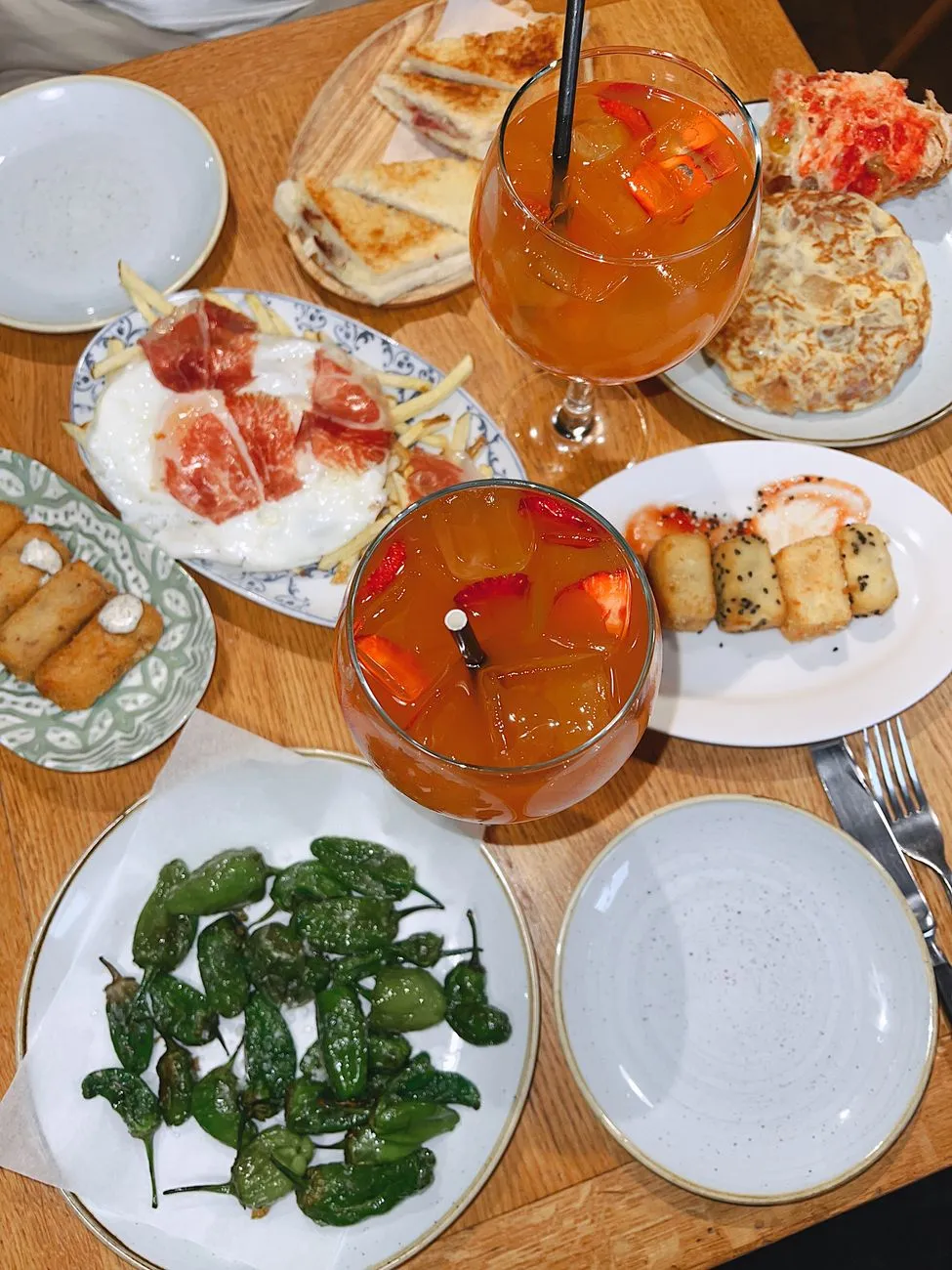

The Ultimate Guide to Spanish Tapas: Recipes and Regional Variations Spanish tapas are more than just small plates—they are a cultural phenomenon, a social ritual, and a culinary art form that has captivated the world. Originating in medieval Spain as a simple way to cover wine glasses with slices of bread or ham to keep flies away, tapas have evolved into a vibrant tradition that reflects the country’s diverse regions, history, and flavors. Today, tapas are enjoyed in bustling bars across Spain, from the sun-drenched streets of Andalusia to the cosmopolitan taverns of Madrid, each region offering its own unique twist on these bite-sized delights. What makes tapas so special is their versatility. Whether you’re savoring a classic patatas bravas drizzled with spicy tomato sauce, indulging in gambas al ajillo (garlic shrimp), or sampling tortilla española (Spanish omelette), each tapa tells a story. The communal nature of tapas—sharing small plates with friends over a glass of wine or beer—embodies the Spanish spirit of sobremesa, the art of lingering at the table long after the meal is finished. In this guide, we’ll explore the history, regional variations, and authentic recipes that make Spanish tapas a must-try for any food lover.The History and Cultural Significance of Spanish Tapas The origins of tapas are as rich and varied as the dishes themselves. The most popular legend traces tapas back to the 13th century, when King Alfonso X of Castile allegedly ordered taverns to serve food with wine to prevent drunkenness. Another theory suggests that tapas emerged as a practical solution for workers in Andalusia, who needed a small snack to sustain them through long hours. Regardless of their exact beginnings, tapas became deeply embedded in Spanish culture, evolving from a simple necessity to a celebrated culinary tradition. Tapas are intrinsically linked to the concept of sobremesa, the Spanish tradition of lingering at the table after a meal to chat, laugh, and enjoy each other’s company. This social ritual is a cornerstone of Spanish life, where food is not just sustenance but a way to connect with others. The word tapa itself means "lid" or "cover," reflecting its humble beginnings as a small plate used to cover a glass of wine. Over time, the term expanded to include any small dish served alongside drinks, and today, tapas menus can range from a few simple items to elaborate spreads featuring dozens of dishes. Regional variations in tapas reflect Spain’s diverse geography and history. In the north, particularly in the Basque Country and Navarre, tapas take the form of pintxos—elaborate skewered bites often served on bread. In Andalusia, seafood tapas like boquerones en vinagre (marinated anchovies) and gambas al ajillo dominate, while in Catalonia, you’ll find pan con tomate (bread with tomato) and allioli (garlic mayonnaise). Central Spain, including Madrid, is known for hearty tapas like callos a la madrileña (tripe stew) and huevos rotos (broken eggs with potatoes and ham). Each region’s tapas are a reflection of its local ingredients, traditions, and cultural influences, making tapas a true culinary mosaic.Classic Spanish Tapas Recipes You Must Try 1. Patatas Bravas: The Iconic Spicy Potato Dish No tapas spread is complete without patatas bravas, a dish that perfectly encapsulates the bold flavors of Spanish cuisine. Originating in Madrid, this dish features crispy fried potatoes served with two essential sauces: salsa brava, a smoky and spicy tomato-based sauce, and allioli, a creamy garlic mayonnaise. The contrast between the crunchy potatoes and the rich, tangy sauces makes this a beloved tapa. Ingredients:4 large potatoes, peeled and cut into 1-inch cubes 1 cup olive oil (for frying) 1 onion, finely chopped 2 garlic cloves, minced 1 can (14 oz) crushed tomatoes 1 tsp smoked paprika 1/2 tsp cayenne pepper (adjust to taste) 1/2 cup mayonnaise 2 garlic cloves (for allioli) Salt and pepper to taste Fresh parsley, chopped (for garnish)Instructions:Fry the potatoes: Heat the olive oil in a deep pan over medium heat. Add the potato cubes and fry until golden and crispy, about 8-10 minutes. Remove with a slotted spoon and drain on paper towels. Season with salt. Make the salsa brava: In a separate pan, sauté the onion and garlic until soft. Add the crushed tomatoes, smoked paprika, cayenne pepper, salt, and pepper. Simmer for 15-20 minutes until thickened. Prepare the allioli: Blend the mayonnaise with the garlic cloves until smooth. Adjust seasoning to taste. Assemble: Place the fried potatoes on a plate, drizzle with salsa brava and allioli, and garnish with fresh parsley. Serve warm.2. Gambas al Ajillo: Garlic Shrimp with a Kick Gambas al ajillo is a staple in Andalusian tapas bars, where fresh shrimp are cooked in a fragrant garlic and olive oil sauce, often infused with chili peppers and a splash of sherry. The dish is typically served sizzling in a clay dish, accompanied by crusty bread to soak up the garlicky oil. Ingredients:1 lb large shrimp, peeled and deveined 1/2 cup olive oil 8 garlic cloves, thinly sliced 1-2 dried guindilla peppers (or 1/2 tsp red pepper flakes) 1/4 cup dry sherry (optional) 1 tbsp lemon juice Salt to taste Fresh parsley, chopped (for garnish) Crusty bread, for servingInstructions:Prepare the shrimp: Pat the shrimp dry and season lightly with salt. Cook the garlic: Heat the olive oil in a skillet over medium heat. Add the garlic and guindilla peppers, cooking until the garlic is golden but not burnt, about 2-3 minutes. Add the shrimp: Increase the heat to medium-high and add the shrimp. Cook for 2-3 minutes per side until pink and opaque. Finish the dish: Deglaze the pan with sherry (if using) and lemon juice. Stir well and garnish with fresh parsley. Serve: Transfer to a clay dish or skillet and serve immediately with crusty bread.3. Tortilla Española: The Ultimate Spanish Omelette A staple in every Spanish home and bar, tortilla española is a thick, hearty omelette made with eggs, potatoes, and onions. Unlike French omelettes, which are thin and folded, the Spanish version is a substantial dish that can be served hot or at room temperature. It’s a perfect example of how simple ingredients can create something extraordinary. Ingredients:6 large eggs 2 large potatoes, peeled and thinly sliced 1 large onion, thinly sliced 1/2 cup olive oil (for frying) Salt to tasteInstructions:Fry the potatoes and onions: Heat the olive oil in a large skillet over medium heat. Add the potatoes and onions, cooking gently until soft but not browned, about 15-20 minutes. Drain and set aside, reserving the oil. Beat the eggs: In a large bowl, beat the eggs and season with salt. Add the cooked potatoes and onions, mixing well. Let the mixture rest for 10 minutes. Cook the omelette: Heat 2 tablespoons of the reserved oil in a non-stick skillet over medium heat. Pour in the egg mixture and cook for 4-5 minutes until the edges are set. Flip the omelette: Place a large plate over the skillet and carefully flip the omelette onto the plate. Slide it back into the skillet to cook the other side for another 4-5 minutes. Serve: Let the tortilla rest for a few minutes before slicing into wedges. Serve warm or at room temperature.Regional Variations: A Tapas Tour Across Spain 1. Basque Country: The Art of Pintxos In the Basque Country, tapas take the form of pintxos, small, elaborate bites often served on a slice of bread or skewered with a toothpick. Pintxos are a point of pride in the region, with each bar vying to create the most innovative and visually stunning dishes. Unlike traditional tapas, pintxos are often more complex, featuring ingredients like foie gras, smoked salmon, and local cheeses. One iconic pintxo is Gilda, a simple yet flavorful combination of anchovies, olives, and guindilla peppers on a toothpick. Another favorite is Txalupa, a small boat-shaped bread filled with seafood salad or brandade (a creamy cod dish). The Basque Country is also known for its pintxos de morcilla, a blood sausage pintxo often served with caramelized onions. 2. Andalusia: Seafood and Moorish Influences Andalusia’s tapas are deeply influenced by its coastal location and Moorish history. Seafood tapas dominate the region, with dishes like boquerones en vinagre (marinated anchovies), tortillitas de camarones (shrimp fritters), and berenjenas con miel (fried eggplant drizzled with honey). The use of spices like cumin, paprika, and saffron reflects the region’s Moorish past. One of the most beloved Andalusian tapas is salmorejo, a cold tomato soup similar to gazpacho but thicker and creamier, topped with diced ham and hard-boiled eggs. Another classic is espinacas con garbanzos, a spinach and chickpea stew with Moroccan-inspired flavors. The Andalusian love for fried foods is evident in tapas like croquetas de jamón (ham croquettes) and pimientos de padrón (blistered Padrón peppers). 3. Catalonia: Rustic and Innovative Catalonia’s tapas are a blend of rustic tradition and modern innovation. The region is known for its pa amb tomàquet (bread rubbed with tomato, garlic, and olive oil), a simple yet essential tapa that accompanies many dishes. Another Catalan staple is allioli, a garlic mayonnaise that can be served with grilled meats, fish, or vegetables. Catalonia is also famous for its fideuà, a paella-like dish made with short noodles instead of rice, often cooked with seafood and served in a shallow pan. Another unique tapa is butifarra amb mongetes, a Catalan sausage served with white beans. The region’s love for cheese is evident in tapas like mató de Pedralbes, a fresh cheese served with honey or nuts. 4. Madrid: Hearty and Traditional Madrid’s tapas scene is characterized by hearty, traditional dishes that reflect the city’s working-class roots. One of the most iconic Madrid tapas is callos a la madrileña, a tripe stew slow-cooked with chorizo, morcilla (blood sausage), and chickpeas. Another favorite is huevos rotos, a dish of fried potatoes and ham topped with fried eggs, which are "broken" to mix the yolks with the other ingredients. Madrid is also known for its bocadillo de calamares, a sandwich filled with fried squid rings, often served with a side of alioli. The city’s love for offal is evident in tapas like oreja a la plancha (grilled pig’s ear) and rabas (fried squid). Madrid’s tapas bars are often standing-room-only, with locals and tourists alike enjoying these robust dishes with a glass of beer or wine. 5. Galicia: Seafood Heaven Galicia, in northwest Spain, is a seafood lover’s paradise, and its tapas reflect this abundance. One of the most famous Galician tapas is pulpo a la gallega, or Galician-style octopus, served with potatoes, paprika, and olive oil. Another iconic dish is empanada gallega, a savory pie filled with tuna, sardines, or other seafood. Galicia is also known for its percebes (gooseneck barnacles), a delicacy often served simply steamed with a drizzle of olive oil and lemon. Another beloved tapa is vieiras a la gallega, scallops cooked with garlic, parsley, and white wine. The region’s tapas are often simple, letting the freshness of the seafood shine through.The Science and Art of Pairing Tapas with Wine and Beer Pairing tapas with the right drink is an art form that enhances the dining experience. In Spain, wine and beer are the most common accompaniments to tapas, with each region offering its own specialties. The key to successful pairing is balancing the flavors of the tapa with the drink—rich, fatty tapas pair well with acidic wines, while lighter tapas benefit from crisp, refreshing beverages. Wine PairingsRioja (Red Wine): A medium-bodied Rioja with its notes of cherry and vanilla is perfect for hearty tapas like callos a la madrileña or tortilla española. Albariño (White Wine): This crisp, aromatic white wine from Galicia pairs beautifully with seafood tapas like gambas al ajillo or pulpo a la gallega. Cava (Sparkling Wine): The effervescence of Cava cuts through the richness of fried tapas like croquetas or patatas bravas. Sherry (Fortified Wine): From Andalusia, sherry—particularly fino or manzanilla—pairs wonderfully with salty tapas like boquerones en vinagre or jamón ibérico.Beer PairingsLager (e.g., Estrella Damm, Mahou): A cold lager is a classic choice for tapas, especially in Madrid and Andalusia. Its crispness complements fried foods and seafood. Craft Beer (e.g., IPA, Stout): In recent years, craft beer has gained popularity in Spain, with IPAs pairing well with spicy tapas like patatas bravas and stouts complementing rich dishes like morcilla. Radler (Beer with Lemon): A refreshing Radler is ideal for hot days and lighter tapas like ensaladilla rusa (Russian salad).Non-Alcoholic PairingsTinto de Verano (Red Wine Spritzer): A mix of red wine and soda water, lighter than sangria, pairs well with grilled tapas. Horchata (Tiger Nut Drink): A sweet, creamy drink from Valencia, horchata is a refreshing contrast to salty tapas like anchovies or cheese. Agua de Valencia (Orange Juice and Cava): A festive non-alcoholic version can be made with orange juice and sparkling water.Nutritional Breakdown and Health Benefits of Spanish Tapas Spanish tapas are not only delicious but also offer a range of nutritional benefits, thanks to their emphasis on fresh ingredients, olive oil, and seafood. Here’s a breakdown of the macronutrient and micronutrient profiles for some classic tapas:Tapa Calories (per serving) Protein (g) Carbs (g) Fat (g) Key NutrientsPatatas Bravas 350 4 35 22 Vitamin C, Potassium, FiberGambas al Ajillo 250 20 5 18 Omega-3, Selenium, Vitamin B12Tortilla Española 300 12 10 24 Vitamin D, Iron, CholineBoquerones en Vinagre 180 15 5 12 Omega-3, Calcium, Vitamin ACroquetas de Jamón 280 8 20 18 Protein, Calcium, Vitamin B6Health BenefitsRich in Healthy Fats: Olive oil, a staple in Spanish cuisine, is high in monounsaturated fats, which are heart-healthy and can help reduce bad cholesterol. High in Protein: Many tapas, such as gambas al ajillo and tortilla española, are excellent sources of protein, essential for muscle repair and growth. Packed with Vitamins and Minerals: Seafood tapas like pulpo a la gallega provide omega-3 fatty acids, which support brain health, while dishes like ensaladilla rusa offer a variety of vitamins from vegetables. Antioxidant-Rich: Ingredients like garlic, tomatoes, and peppers are high in antioxidants, which help combat inflammation and oxidative stress. Moderate Portions: Tapas are typically served in small portions, making them a great option for mindful eating and portion control.Dietary ConsiderationsGluten-Free: Many tapas are naturally gluten-free, such as gambas al ajillo, boquerones en vinagre, and tortilla española. However, be cautious with fried tapas, as they may be dusted with flour. Vegetarian: Vegetarian-friendly tapas include pimientos de padrón, berenjenas con miel, and espinacas con garbanzos. Vegan: Vegan tapas options include pan con tomate, allioli (made without eggs), and pisto (a ratatouille-like dish). Low-Carb: Tapas like tortilla española, boquerones en vinagre, and grilled seafood are low in carbohydrates.Conclusion & Sign-off Spanish tapas are a celebration of flavor, tradition, and community. From the smoky patatas bravas of Madrid to the delicate pintxos of the Basque Country, each tapa offers a glimpse into the rich cultural tapestry of Spain. Whether you’re hosting a tapas night at home or exploring the bustling bars of Seville, these small plates are a gateway to the heart of Spanish cuisine. As you embark on your tapas journey, remember that the true magic of tapas lies in sharing. Gather friends around a table, order a variety of dishes, and let the flavors—and the conversations—flow. Pair your tapas with a glass of Rioja or a cold beer, and you’ll experience the essence of sobremesa, where food becomes a reason to connect and savor life’s simple pleasures. So, whether you’re a seasoned tapas enthusiast or a curious newcomer, dive into the world of Spanish tapas with an open heart and an adventurous palate. ¡Buen provecho!#SpanishFood #TapasNight #MediterraneanEats #FoodTravel #AuthenticCuisine Related InsightsExploring the Delightful World of Cheese Pairings Unlock the Secrets of Craft Beer: Your Step-by-Step Guide to Brewing at Home Like a Pro The Earthy Harvest: A High-Fiber Lentil and Root Vegetable Stew{ "@context": "https://schema.org", "@type": "FAQPage", "mainEntity": [ { "@type": "Question", "name": "What is the main focus of The Ultimate Guide to Spanish Tapas: Recipes and Regional Variations?", "acceptedAnswer": { "@type": "Answer", "text": "Discover the rich history, authentic recipes, and regional variations of Spanish tapas, from classic patatas bravas to Andalusian seafood." } }, { "@type": "Question", "name": "Who authored the comprehensive guide on The Ultimate Guide to Spanish Tapas: Recipes and Regional Variations?", "acceptedAnswer": { "@type": "Answer", "text": "This detailed article and its insights were carefully researched and authored by Kenji Sato." } }, { "@type": "Question", "name": "Where can I find more related content about Food?", "acceptedAnswer": { "@type": "Answer", "text": "You can explore more articles, detailed reviews, and similar insights by browsing the Related Insights section at the bottom of this article or visiting our dedicated Food category page." } } ] }