Showing Posts From
Mediterranean fusion
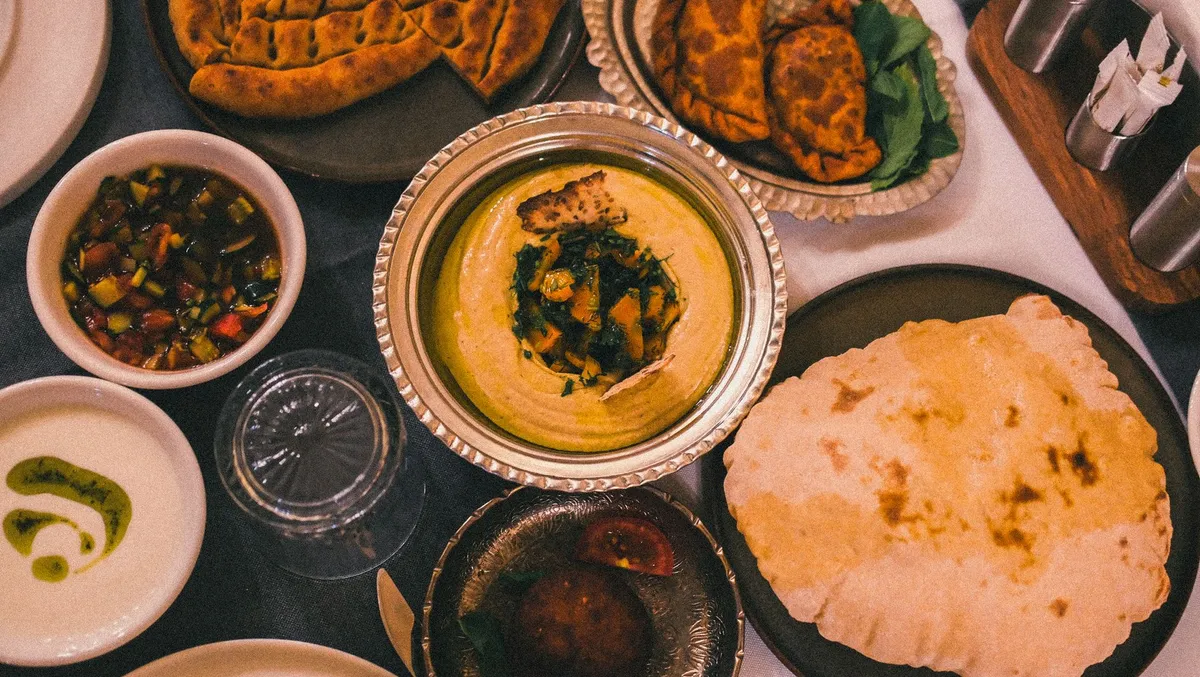
-
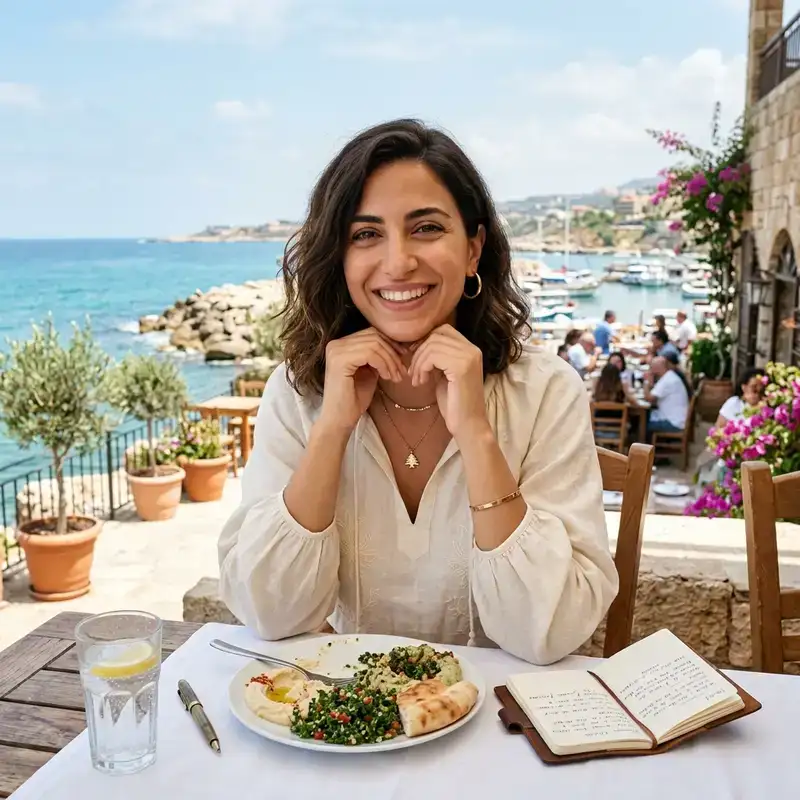 Layla Hariri
 - 20 Aug, 2026 19:12
Levantine Mezze Magic: A Journey Through Mediterranean Flavors Where Every Bite Tells a Story
The Spice-Scented Souks of Beirut: Where Every Mezze Plate is a Love Letter to the Mediterranean The first time I stepped into a Beirut souk at dusk, the air thick with the scent of grilled halloumi and crushed sumac, I understood why mezze isn’t just food—it’s an experience. Levantine cuisine, born from the crossroads of empires, trade routes, and sun-drenched coastlines, is a symphony of flavors where hummus meets za’atar, where eggplant bakes alongside spiced lamb, and where every dish carries the weight of history. Mezze, the art of small, shared plates, is the heart of this culinary tradition. It’s a ritual: a slow unfolding of textures and tastes, where the meal begins with the first bite of crispy falafel and ends hours later with sticky fingers and a satisfied sigh. But mezze isn’t confined to Lebanon. From the bustling markets of Damascus to the sun-bleached terraces of Tel Aviv, and even in the fusion kitchens of Brooklyn and Berlin, Levantine flavors are being reimagined. Mediterranean fusion takes these ancient recipes and infuses them with global techniques—think sushi rolls stuffed with tabbouleh or lamb kofta tacos drizzled with tahini. This guide isn’t just about recipes; it’s about the stories behind the dishes, the spices that define a region, and how to bring this magic into your own kitchen or next adventure.From Hummus to Harissa: The Spice Pantry That Defines Levantine Cuisine To master Levantine mezze, you must first understand its soul: the spice pantry. Unlike the heavy curries of the East or the smoky paprikas of Hungary, Levantine spices are bright, citrusy, and often sun-dried. They tell the story of a region where olives, lemons, and sesame seeds grow in abundance, where the Mediterranean’s bounty shapes every dish. Start with za’atar, the iconic blend of thyme, sumac, and sesame seeds. It’s sprinkled on flatbreads, mixed into labneh, or simply eaten with olive oil as a dip. Sumac, with its tart, almost citrusy tang, is the secret weapon in fattoush salads and grilled meats. Then there’s baharat, a warm, aromatic mix of allspice, cumin, coriander, and cinnamon, essential for spicing lamb or stuffing grape leaves. Don’t overlook ras el hanout, a Moroccan-Levantine blend that might include rose petals or cardamom, adding a floral depth to tagines or couscous.The foundation of most mezze dishes, however, is tahini, the creamy paste made from sesame seeds. It’s the backbone of hummus, the binder in falafel, and the sauce in sabich sandwiches. Quality matters—look for tahini made from 100% sesame seeds, with no additives. Pair it with pomegranate molasses, a thick, tangy syrup that brightens everything from grilled meats to yogurt dips. And let’s not forget harissa, the North African chili paste that’s become a Levantine staple, adding heat and depth to soups, stews, and marinades. For the uninitiated, building a Levantine spice collection might seem daunting, but start small. A jar of za’atar, a bottle of pomegranate molasses, and a tin of baharat will take you far. Visit Middle Eastern grocers or specialty spice shops—avoid pre-mixed blends unless they’re from a trusted brand. The difference between store-bought and freshly ground spices is like night and day. Toast whole spices in a dry pan before grinding to release their oils, and store them in airtight containers away from light.The Art of Mezze: How to Curate a Spread That Tells a Story Mezze is more than food; it’s a performance. The best spreads are a balance of textures, temperatures, and flavors—creamy, crunchy, hot, cold, sweet, and savory all in one meal. A traditional mezze table might include 20 or more small dishes, but even a simplified version can capture the essence. Here’s how to curate a mezze spread that feels authentic, whether you’re hosting a dinner party or just treating yourself to a solo feast. Start with the Classics No mezze is complete without hummus, the creamy chickpea dip. The secret? Use dried chickpeas soaked overnight, then simmered with baking soda to soften them quickly. Blend with tahini, lemon, garlic, and a touch of ice water for a silky texture. Top with a drizzle of olive oil and a sprinkle of paprika. Pair it with baba ganoush, the smoky eggplant dip made by roasting eggplants until charred, then blending with tahini, garlic, and lemon. For contrast, serve muhammara, a fiery red pepper and walnut dip from Aleppo, sweetened with pomegranate molasses and spiced with cumin. Add the Crunch Texture is key in mezze. Falafel, deep-fried chickpea balls, should be crispy on the outside and tender inside. Serve them with pickled vegetables—turnips, cucumbers, and carrots—tossed in vinegar and spices. Fattoush salad, a Levantine staple, combines crispy pita chips with fresh herbs, tomatoes, and cucumbers, all tossed in a sumac-lemon dressing. For something heartier, include manakish, flatbreads topped with za’atar and olive oil, baked until crisp. Incorporate the Unexpected Modern mezze embraces fusion. Try sambousek, flaky pastries stuffed with spiced meat or cheese, inspired by Iraqi and Persian traditions. Or shakshuka bites, mini versions of the classic egg-and-tomato dish, served in small cast-iron skillets. For seafood lovers, grilled shrimp with toum, a garlicky Lebanese aioli, adds a coastal touch. And no mezze is complete without kebbeh, whether raw (like Lebanese kibbeh nayyeh) or fried (kubbeh bil sanieh), a bulgur and meat mixture that’s a nod to the region’s love of stuffed and layered dishes. The Mediterranean Fusion Twist To elevate your mezze, think beyond tradition. Swap pita for lavash crackers or serve hummus in a deconstructed sushi roll with avocado and pickled radish. Use za’atar-infused olive oil to drizzle over grilled halloumi or as a dip for roasted cauliflower. For a sweet finish, include muhalabia, a rosewater and orange blossom pudding, or baklava bites, mini phyllo pastries layered with nuts and honey.The Ritual of Sharing Mezze is meant to be shared, passed around the table in a slow, communal dance. Start with the dips and salads, then move to the hot dishes like kebabs or stuffed vegetables. End with sweets and strong coffee or mint tea. The key is pacing—let each dish shine, and don’t rush. In Lebanon, mezze can last for hours, with courses arriving as the previous ones are finished. Even in a modern setting, the spirit of sharing remains.A Taste of History: The Levant’s Culinary Crossroads To understand Levantine mezze, you must understand the Levant itself—a region that has been a melting pot for millennia. The Levant, roughly encompassing Lebanon, Syria, Palestine, Jordan, and parts of Turkey and Iraq, sits at the crossroads of Europe, Asia, and Africa. Its cuisine reflects this history: Phoenician trade routes brought spices from the East, Ottoman rule introduced sweets like baklava, and Arab agricultural innovations perfected dishes like mansaf (a lamb and rice dish from Jordan). The word "mezze" itself comes from the Arabic "tamazza," meaning "to taste" or "to snack." It’s a concept that predates written history, with roots in ancient Mesopotamia and Egypt. The Greeks and Romans adopted mezze-style dining, and the Ottomans refined it into the elaborate spreads we know today. In Lebanon, mezze became an art form, with restaurants like Beit El Jabal in Beirut serving 30-plus dishes in a single sitting.The Role of Religion and Trade Levantine cuisine is deeply tied to religion. During Ramadan, iftar meals begin with dates and lentil soup, followed by mezze dishes like fatayer (spinach pies) and sambousek. In Christian communities, Easter feasts feature lamb dishes and ma’amoul (date-filled cookies). The region’s proximity to the Mediterranean also shaped its diet—olive oil, fish, and citrus are staples, while inland areas rely more on grains and legumes. Trade has been equally influential. The spice trade brought cinnamon, cardamom, and cloves from India and Southeast Asia, while the Silk Road introduced ingredients like almonds and dried fruits. Even the humble chickpea, the backbone of hummus and falafel, traveled along these routes, becoming a Levantine staple. Modern Revival Today, Levantine cuisine is experiencing a renaissance. Chefs like Greg Malouf (author of Mezze) and Sami Tamimi (of Ottolenghi fame) have brought these flavors to global audiences. In cities like New York, London, and Melbourne, restaurants are reimagining mezze as a fusion cuisine—think lebanese-italian pasta or syrian-japanese sushi rolls. Even fast-casual chains are catching on, with hummus bowls and falafel wraps becoming mainstream. Yet, for all its global appeal, the soul of mezze remains rooted in tradition. It’s a cuisine that values hospitality, generosity, and the slow enjoyment of food. Whether you’re dining in a Beirut apartment or a Brooklyn loft, the spirit of mezze is the same: a celebration of community, culture, and the simple joy of sharing a meal.From Souk to Table: Where to Experience Authentic Levantine Mezze Around the World If you’re craving the real deal, these cities and restaurants are must-visits for mezze enthusiasts. Whether you’re a seasoned traveler or a culinary explorer, these spots offer a taste of Levantine tradition—sometimes in the most unexpected places. Beirut, Lebanon No list of mezze destinations is complete without Beirut. The city’s restaurants are legendary, from Barbar (a modern take on Lebanese street food) to Al Balad (a cozy spot for traditional dishes like kibbeh and warak enab). For a historic experience, visit Beit El Jabal, a 19th-century mansion turned restaurant, where mezze is served on copper trays. Don’t miss the souks of Beirut, where you can sample fresh za’atar, olive oil, and spices straight from the source. Damascus, Syria Before the war, Damascus was the culinary capital of the Levant. While travel is currently restricted, Syrian restaurants worldwide—like Shamiya in Berlin or Al Wadi in Dearborn, Michigan—keep the flavors alive. Look for dishes like mujaddara (lentils and rice with caramelized onions) and shish tawook (grilled chicken skewers). Tel Aviv, Israel Tel Aviv’s food scene is a fusion of Levantine and modern Israeli cuisine. Abu Hassan is a hummus institution, while Miznon reinvents street food with dishes like cauliflower sabich. For a high-end experience, Dabouka offers a tasting menu of modern mezze. The city’s Jaffa flea market is also a great place to pick up spices and olive oil.Istanbul, Turkey While not Levantine, Istanbul’s cuisine shares deep roots with the region. 360 Istanbul offers a rooftop mezze experience with Bosphorus views, while Mikla (a Michelin-starred restaurant) reimagines Ottoman and Levantine flavors. Don’t miss midye dolma, mussels stuffed with spiced rice, a street food staple. Amman, Jordan Jordan’s mezze culture is unparalleled. Hashem Restaurant in downtown Amman is a no-frills spot where locals and tourists alike line up for falafel, hummus, and foul mudammas (fava bean dip). For a modern twist, Al-Quds Restaurant serves upscale Jordanian dishes in a garden setting. Global Hotspots Beyond the Levant, these cities are embracing mezze:New York, USA: Layla (a Lebanese-American restaurant with a rooftop garden) and Shuk (a modern Israeli spot in Brooklyn). London, UK: The Barbary (a North African-Levantine fusion) and Berber & Q (a street food spot with mezze-style plates). Melbourne, Australia: Rumi (a Persian-Levantine restaurant) and Charcoal Fish (for seafood mezze). Berlin, Germany: Shamiya (Syrian cuisine) and Kanaan (a Palestinian spot with a focus on olive oil and za’atar).A Word of Caution When traveling for mezze, seek out family-run restaurants and local eateries. Tourist traps often serve pre-made dishes, while authentic spots will have chalkboard menus and bustling kitchens. In Lebanon, for example, the best hummus is often found in small shops like Hummus El Amir in Beirut, where the chickpeas are cooked fresh daily.The Levantine Pantry: A Shopping Guide for Home Cooks Bringing Levantine mezze into your home kitchen starts with the right ingredients. While some items—like tahini or za’atar—are now widely available, others might require a trip to a Middle Eastern grocery or an online spice shop. Here’s your ultimate shopping guide, organized by category, to stock your pantry like a Beirut souk. Pantry StaplesIngredient What It Is Where to Find It Substitutes (if unavailable)Tahini Sesame seed paste Middle Eastern grocers, Amazon Sesame oil (for flavor, not texture)Pomegranate molasses Thick, tangy syrup from pomegranates Specialty food stores, Middle East Balsamic glaze + lemon juiceSumac Tart, citrusy spice from sumac berries Middle Eastern grocers Lemon zest + a pinch of saltZa’atar Herb-spice blend (thyme, sumac, sesame) Middle Eastern grocers Mix thyme, sesame seeds, and sumacBaharat Warm spice blend (allspice, cumin, etc.) Middle Eastern grocers Garam masala (similar warmth)Freekeh Smoked green wheat Middle Eastern grocers Farro or bulgurRosewater Floral syrup from rose petals Middle Eastern grocers, baking aisles Orange blossom waterAleppo pepper Mild, fruity chili flakes Middle Eastern grocers Crushed red pepper (less fruity)Fresh & PerishableHalloumi: A brined cheese that grills beautifully. Look for it in the cheese section of Middle Eastern grocers or specialty stores. Labneh: Thick, strained yogurt. Buy it pre-made or strain Greek yogurt overnight with salt. Fresh za’atar: Some grocers sell fresh za’atar leaves—use them in salads or as a garnish. Pomegranates: For fresh seeds or molasses. In season (fall/winter), they’re abundant in markets.Protein & LegumesDried chickpeas: Essential for hummus and falafel. Soak overnight before cooking. Fava beans: Used in foul mudammas. Canned versions work in a pinch, but dried are better. Lamb: A staple in Levantine cuisine. Look for ground lamb for kebabs or leg of lamb for roasting. Seafood: Fresh fish like sea bass or sardines are common in coastal areas. For inland cities, frozen or canned sardines work.Bread & GrainsPita bread: For dipping and stuffing. Look for fresh, round pita in the bakery section. Lavash: Thin, soft flatbread used for wraps or crackers. Bulgur: Cracked wheat used in tabbouleh and kibbeh. Couscous: Quick-cooking grain used in salads and sides.Oils & VinegarsExtra virgin olive oil: The backbone of Levantine cooking. Look for high-quality, cold-pressed oils. Apple cider vinegar: For pickling and dressings. Date syrup: A sweetener used in desserts and marinades.Where to ShopMiddle Eastern Grocers: The best place to find authentic ingredients. Look for shops with high turnover (spices lose flavor over time). Online Retailers: Websites like Spicewalla, Burlap & Barrel, or The Spice House offer high-quality spices and blends. Local Farmers Markets: For fresh herbs, pomegranates, and olive oil.Pro Tip If you can’t find a specific ingredient, don’t skip the dish—adapt! Swap sumac for lemon zest, or use Greek yogurt instead of labneh. The flavors will still shine.The Future of Mezze: Fusion, Sustainability, and the Digital Nomad’s Feast Levantine mezze is evolving. As global palates become more adventurous, chefs and home cooks alike are reimagining this ancient tradition through the lens of modern cuisine. Sustainability, fusion, and accessibility are shaping the next chapter of mezze—one that honors tradition while embracing innovation. The Rise of Fusion Mezze Fusion mezze is all about blending Levantine flavors with global techniques. In cities like London and New York, restaurants are experimenting with:Sushi Mezze: Rolls stuffed with tabbouleh, spiced lamb, or pickled turnips. Taco Mezze: Lamb kofta in corn tortillas with tahini crema and pickled onions. Ramen Mezze: A bowl of ramen infused with za’atar and harissa broth, topped with crispy falafel. Vegan Mezze: Plant-based versions of classic dishes, like roasted cauliflower with muhammara or jackfruit "kebbeh."Chefs like Michael Solomonov (of Zahav in Philadelphia) and Meni Baliti (of Baliti in London) are leading the charge, proving that mezze can be both authentic and avant-garde. Sustainability in the Levantine Kitchen The Mediterranean diet is inherently sustainable—focused on vegetables, legumes, and olive oil, with meat as a garnish rather than a centerpiece. Modern mezze embraces this ethos:Zero-Waste Cooking: Using every part of the ingredient, from chickpea cooking liquid (aquafaba) for vegan meringues to roasted eggplant skins for dips. Local and Seasonal: Highlighting produce that’s in season, like zucchini in summer or pumpkin in winter. Plant-Based Shifts: Reducing meat consumption by focusing on dishes like msabaha (warm chickpeas with tahini) or fatayer spinach (spinach and sumac pies).The Digital Nomad’s Mezze For remote workers and travelers, mezze is the ultimate meal—easy to prepare in batches, share with friends, and enjoy over long conversations. Here’s how to adapt mezze for a modern lifestyle:Meal Prep: Make hummus, baba ganoush, and tabbouleh ahead of time. Store in airtight containers for up to 5 days. Portable Mezze: Pack falafel wraps, za’atar flatbreads, and labneh in bento boxes for picnics or office lunches. One-Pot Wonders: Dishes like mansaf (lamb and rice) or mujaddara (lentils and rice) are hearty, easy to scale, and travel well. Virtual Cooking Classes: Platforms like MasterClass or Airbnb Experiences offer mezze-making classes with chefs from Beirut or Tel Aviv.The Cultural Shift As mezze gains global popularity, there’s a risk of it becoming a "trend" rather than a tradition. To keep it authentic, support restaurants and artisans who prioritize ethical sourcing and traditional methods. Seek out women-led cooperatives in Palestine or Lebanon that produce olive oil or za’atar, ensuring your mezze purchases have a positive impact.The Next Generation Young chefs are redefining mezze for a new era. In Beirut, Noura Shehabi of Noura restaurant blends Lebanese flavors with global techniques, while in Berlin, Sami Tamimi (of Ottolenghi) continues to innovate with dishes like lemon and cardamom cake with tahini glaze. The key is balance—honoring the past while looking to the future.Where the Spice Routes Lead: Your Next Mezze Adventure Awaits If this journey through Levantine mezze has taught me anything, it’s that food is a language. Every dish, every spice, every shared bite tells a story—of trade routes and empires, of family gatherings and late-night souk adventures, of the simple joy of breaking bread with others. Mezze isn’t just about eating; it’s about connecting. So where will your next mezze adventure take you? Will you roll up your sleeves and make hummus from scratch, or seek out a hidden gem in Amman for the best falafel in the world? Will you experiment with fusion dishes in your kitchen, or pack your bags for a culinary pilgrimage to Beirut? One thing’s for sure: once you’ve tasted the magic of mezze, you’ll never look at a shared meal the same way again. The Levant’s flavors are a bridge between cultures, a celebration of history, and a testament to the power of food to bring people together. Whether you’re a seasoned traveler or a home cook, mezze invites you to slow down, savor, and share. Now, go forth and dip that pita. The table is set.#LevantineFoodie #MediterraneanFusion #MezzeMagic #TravelAndEat #SpiceRoutes Related InsightsThe Lost City of Petra: Where Ancient Wonders Meet Modern Adventure Antigua and Barbuda Unveiled: A Digital Nomad’s Paradise of Turquoise Waters, Spice-Infused Cuisine, and Colonial Charm From Ancient Markets to Modern Tables: A Journey Through the World’s Most Treasured Culinary Landscapes{ "@context": "https://schema.org", "@type": "FAQPage", "mainEntity": [ { "@type": "Question", "name": "What is the main focus of Levantine Mezze Magic: A Journey Through Mediterranean Flavors Where Every Bite Tells a Story?", "acceptedAnswer": { "@type": "Answer", "text": "Dive into the vibrant world of Levantine mezze and Mediterranean fusion, where ancient traditions meet modern culinary artistry. Discover recipes, cultural insights, and travel tips to elevate your dining experience." } }, { "@type": "Question", "name": "Who authored the comprehensive guide on Levantine Mezze Magic: A Journey Through Mediterranean Flavors Where Every Bite Tells a Story?", "acceptedAnswer": { "@type": "Answer", "text": "This detailed article and its insights were carefully researched and authored by Layla Hariri." } }, { "@type": "Question", "name": "Where can I find more related content about Travel/Food?", "acceptedAnswer": { "@type": "Answer", "text": "You can explore more articles, detailed reviews, and similar insights by browsing the Related Insights section at the bottom of this article or visiting our dedicated Travel/Food category page." } } ] }