Showing Posts From
Memoirs of a geisha
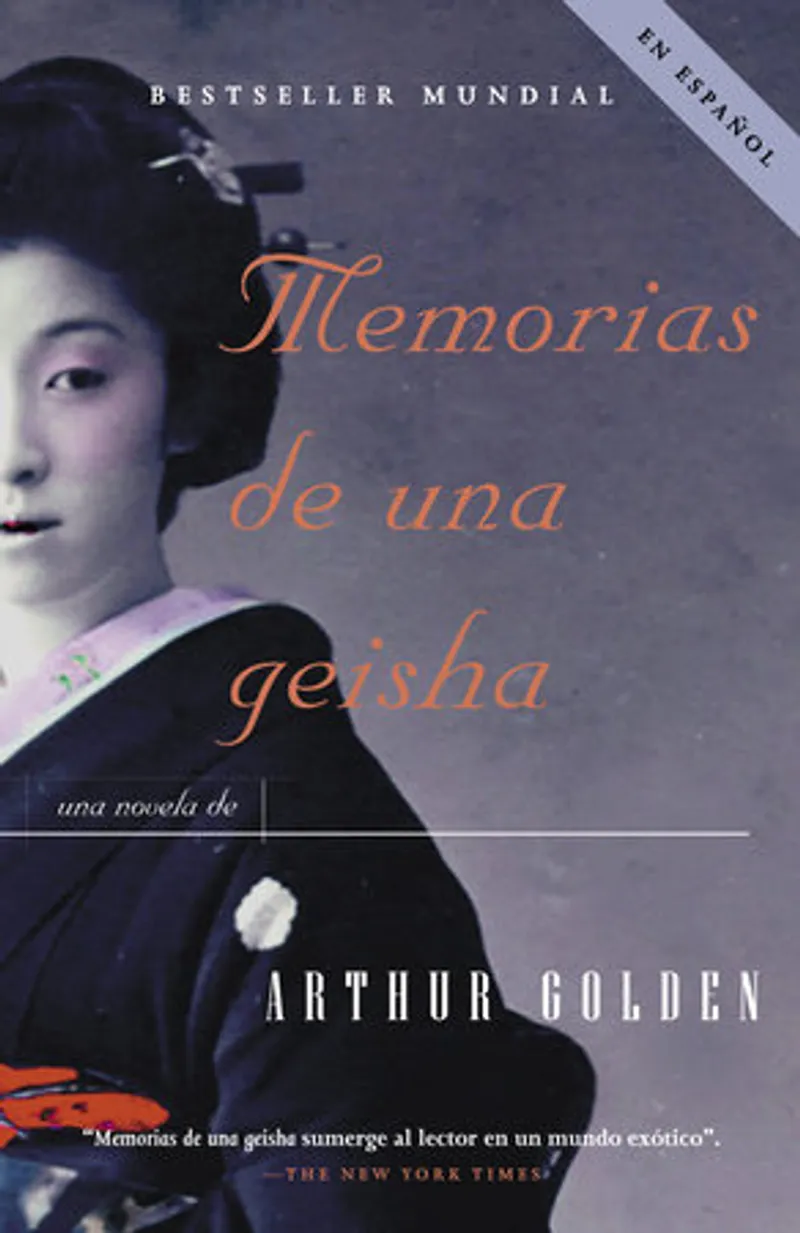
Memorias de una geisha / Memoirs of a Geisha Author: Arthur GoldenPage Count: UnknownPublication Date: 2005-PRH Memoirs of a Geisha is a masterpiece of historical fiction that immerses readers in a world of opulence, intrigue, and quiet resilience. Arthur Golden’s novel, a literary sensation and international bestseller, is a fictionalized account of the life of a geisha, told with such authenticity that it feels like a whispered confession from another era. Through the eyes of its protagonist, Chiyo Sakamoto—later known as Sayuri—we are transported to the glittering yet treacherous world of Kyoto’s Gion district, where beauty is currency, and survival depends on artistry, cunning, and sacrifice. At its core, Memoirs of a Geisha is a meditation on identity, illusion, and the price of ambition. The novel explores how women in this rigidly stratified society are forced to conform to roles that strip them of autonomy, only to reclaim agency through sheer willpower. Chiyo’s journey from a poor, abandoned child to one of Japan’s most celebrated geishas is not just a rags-to-riches tale but a poignant critique of the commodification of femininity. Golden doesn’t glorify the geisha’s life; instead, he exposes its harsh realities—the auctioning of a young girl’s virginity, the relentless training in arts and seduction, and the emotional detachment required to thrive. Love, in this world, is a luxury few can afford, and even when it appears, it is often tainted by power dynamics and societal expectations. Golden’s prose is a triumph of restraint and lyricism. His writing is meticulous, almost clinical in its precision when describing the rituals of geisha life—the intricate kimonos, the delicate tea ceremonies, the subtle art of conversation. Yet, beneath this surface elegance lies a seething undercurrent of emotion. The novel’s power lies in its ability to balance beauty with brutality, making the reader both enraptured and unsettled. Golden’s research is evident in every detail, from the hierarchy of the okiya (geisha house) to the political maneuvering among wealthy patrons. The world he constructs feels lived-in, with a texture so rich that Kyoto’s back alleys and teahouses become as vivid as the characters themselves. Chiyo’s voice is the novel’s greatest strength. Her narration is a blend of innocence and world-weariness, a girl who learns early that her worth is measured in the eyes of men but who refuses to be defined by them. Her relationship with the enigmatic Chairman, the man who becomes her moral compass, is the emotional heart of the story. Their connection is tender yet doomed by circumstance, a love that exists in the margins of a society that demands women be either objects of desire or vessels of tradition. Golden avoids melodrama, letting the weight of unspoken feelings hang heavy in the air, making their rare moments of intimacy all the more poignant. The novel’s themes resonate deeply in today’s world, where discussions about female agency and the pressures of societal expectations are more relevant than ever. Memoirs of a Geisha is not just a story about a woman’s rise to fame; it’s a story about the cost of survival in a world that seeks to control and consume. Golden’s genius lies in his ability to make us care about Chiyo’s fate while never shying away from the uglier truths of her world. The result is a novel that is as haunting as it is beautiful, a testament to the resilience of the human spirit in the face of oppression. For readers who love historical fiction with depth, emotional resonance, and a touch of exoticism, Memoirs of a Geisha is an unforgettable experience. It’s a book that lingers long after the last page, leaving you with a bittersweet appreciation for the artistry of its storytelling—and the harsh realities it unveils. #MemoirsOfAGeisha #HistoricalFiction #JapaneseCulture #ArthurGolden #GeishaLife #LiteraryMasterpiece Related InsightsHunger Like No Other Book Review and Summary Some Desperate Glory Book Review and Summary Tiger, Tiger Book Review and Summary{ "@context": "https://schema.org", "@type": "FAQPage", "mainEntity": [ { "@type": "Question", "name": "What is the main focus of Memoirs of a Geisha Book Review and Summary?", "acceptedAnswer": { "@type": "Answer", "text": "Everything you need to know about Memoirs of a Geisha with our detailed review." } }, { "@type": "Question", "name": "Who authored the comprehensive guide on Memoirs of a Geisha Book Review and Summary?", "acceptedAnswer": { "@type": "Answer", "text": "This detailed article and its insights were carefully researched and authored by Arthur Golden." } }, { "@type": "Question", "name": "Where can I find more related content about Books?", "acceptedAnswer": { "@type": "Answer", "text": "You can explore more articles, detailed reviews, and similar insights by browsing the Related Insights section at the bottom of this article or visiting our dedicated Books category page." } } ] }