Showing Posts From
Military

White Sky, Black Ice Author: Stan JonesPage Count: UnknownPublication Date: 2003-PRH Stan Jones’ White Sky, Black Ice is a gripping debut in the Nathan Active mystery series, a novel that blends the stark beauty of Alaska’s Arctic landscape with the gritty realities of a community divided by race, class, and cultural identity. Born in Chukchi but raised in Anchorage by a white family, State Trooper Nathan Active returns to his birthplace as a stranger in a land that sees him as both outsider and insider—a nalauqmiiyaaq, or "halfwhite," caught between two worlds. When two suspicious suicides rock the village within a week, Active’s investigation uncovers a killer who preys on the vulnerabilities of a community teetering on the edge of desperation. At its core, White Sky, Black Ice is a crime novel, but it’s also a meditation on belonging and the fractures that define a place like Chukchi. Jones, who spent years living in Alaska, doesn’t just paint the setting as a picturesque backdrop; he immerses the reader in its harshness—the biting cold, the isolation, the economic despair that clings to the copper mine like a specter. The Arctic isn’t just a setting here; it’s a character, indifferent and unyielding, shaping the lives of those who call it home. Active’s return isn’t just a professional obligation; it’s a reckoning with the past, a place where his adoption by a white family still colors how he’s perceived by the Inupiat community he left behind. Jones’ prose is lean and unadorned, mirroring the no-nonsense approach of his protagonist. There’s an authenticity to his writing that feels less like fiction and more like a slice of life observed through a detective’s keen eye. Active isn’t a brooding, introspective sleuth; he’s a man of action, his methods shaped by his dual upbringing. He navigates the minefield of Chukchi’s politics with a mix of pragmatism and caution, knowing that every question he asks could either save a life or deepen the divide between him and the people he’s trying to protect. The dialogue crackles with tension, whether it’s Active’s terse exchanges with local officials or the whispers of gossip that slither through the village like the Arctic wind. The mystery itself is well-constructed, with enough red herrings to keep the reader guessing. The two "suicides" initially seem unrelated, but Active’s instincts tell him otherwise. The copper mine, a source of both livelihood and exploitation, looms large as a potential motive, its shadowy dealings hinting at deeper corruption. Jones doesn’t shy away from the darker aspects of Alaskan life—substance abuse, domestic violence, and the lingering scars of colonialism are all present, but they’re woven into the story with a deft hand, never overshadowing the central mystery but never glossed over either. What makes White Sky, Black Ice stand out is its exploration of identity and loyalty. Active’s status as a nalauqmiiyaaq is both a burden and a tool. He’s privy to information that others might withhold, but he’s also viewed with suspicion, his motives constantly questioned. Jones doesn’t offer easy answers here; Active’s adoption isn’t framed as a tragedy or a triumph, just a fact of life that shapes his every interaction. The novel asks: Can someone ever truly belong to two worlds, or are they forever caught in the liminal space between them? The pacing is deliberate, allowing the tension to build like the Arctic winter outside. The final confrontation is brutal and sudden, a stark contrast to the slow burn of the investigation. Jones doesn’t give his readers a neat resolution; instead, he leaves them with the unsettling realization that the real crime might not be murder, but the way a community fractures under the weight of its own secrets. White Sky, Black Ice is more than just a procedural—it’s a novel about place and the people who call it home, even when home is a place that doesn’t quite want them. It’s a story of survival, in all its messy, human forms. For readers who love crime fiction with depth and authenticity, this is a must-read. For those who’ve never been to Alaska, it’s a passport to a world that’s as beautiful as it is unforgiving. #AlaskaMystery #NathanActiveSeries #InupiatCulture #ArcticThriller #CrimeFiction #AlaskanNoir
-
 Piotr Nowak
 - 02 Jan, 2026 08:40
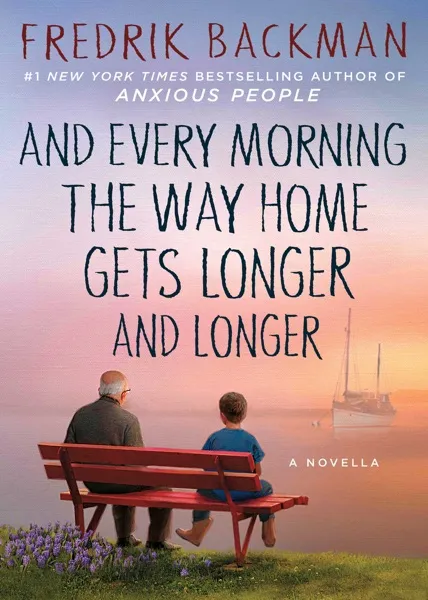
And Every Morning the Way Home Gets Longer and Longer Book Review and Summary
And Every Morning the Way Home Gets Longer and Longer Author: Fredrik BackmanPage Count: UnknownPublication Year: 2018-GB In "And Every Morning the Way Home Gets Longer and Longer," Fredrik Backman masterfully weaves a poignant and introspective narrative that delves into the complexities of love, loss, and the unrelenting passage of time. This novella, published in 2018, has garnered widespread acclaim for its thought-provoking exploration of the human experience, and it's easy to see why. At its core, the book revolves around the tender relationship between an elderly man, struggling to come to terms with his impending mortality, and his wife, who is desperately trying to hold on to the memories they've shared. As the protagonist's mind begins to unravel, he finds solace in the nostalgia of their past, and the lines between reality and fantasy become increasingly blurred. Backman's writing style is characterized by a simplicity that belies the profound emotional depth of his narrative. His prose is concise, yet evocative, allowing the reader to fill in the gaps and become an active participant in the storytelling process. This approach creates a sense of intimacy, drawing the reader into the inner world of the protagonist and making his struggles feel deeply personal. One of the most striking aspects of the book is its exploration of the human condition. Backman tackles the complexities of love, grief, and memory with a sensitivity that is both heartbreaking and uplifting. He raises important questions about the nature of identity, and how it is shaped by our experiences, relationships, and memories. As the protagonist's memories begin to fade, he is forced to confront the possibility that he may cease to exist, leaving behind only the faintest whispers of his presence. The author's use of metaphor is another notable aspect of the book. The title, "And Every Morning the Way Home Gets Longer and Longer," is a powerful metaphor for the journey of life, where the path ahead becomes increasingly uncertain, and the way back home grows longer with each passing day. This metaphor is woven throughout the narrative, serving as a poignant reminder of the transience of life and the importance of cherishing every moment. In many ways, "And Every Morning the Way Home Gets Longer and Longer" is a love story, but not in the classical sense. It's a story about the love that endures, even in the face of adversity, and the memories that continue to haunt us long after they've faded. Backman's portrayal of the protagonist's relationship with his wife is deeply moving, and their love becomes a beacon of hope in the darkness of his declining health. In conclusion, "And Every Morning the Way Home Gets Longer and Longer" is a masterpiece of contemporary literature. Fredrik Backman's writing is both elegant and powerful, making this novella a must-read for anyone who has ever loved, lost, or struggled to come to terms with their own mortality. With its universal themes and poignant narrative, this book is sure to resonate with readers from all walks of life. #LoveStory #Mortality #Memory #Grief #TheHumanCondition #FredrikBackman Related InsightsThe Lost Language of Scented Books: Unearthing a Bibliophile's Olfactory History Drums of Autumn Book Review and Summary Grim Tidings (Ghosted, #2) Book Review and Summary{ "@context": "https://schema.org", "@type": "FAQPage", "mainEntity": [ { "@type": "Question", "name": "What is the main focus of And Every Morning the Way Home Gets Longer and Longer Book Review and Summary?", "acceptedAnswer": { "@type": "Answer", "text": "Everything you need to know about And Every Morning the Way Home Gets Longer and Longer with our detailed review." } }, { "@type": "Question", "name": "Who authored the comprehensive guide on And Every Morning the Way Home Gets Longer and Longer Book Review and Summary?", "acceptedAnswer": { "@type": "Answer", "text": "This detailed article and its insights were carefully researched and authored by Piotr Nowak." } }, { "@type": "Question", "name": "Where can I find more related content about Books?", "acceptedAnswer": { "@type": "Answer", "text": "You can explore more articles, detailed reviews, and similar insights by browsing the Related Insights section at the bottom of this article or visiting our dedicated Books category page." } } ] }
- Piotr Nowak
- 28 Dec, 2025 17:07
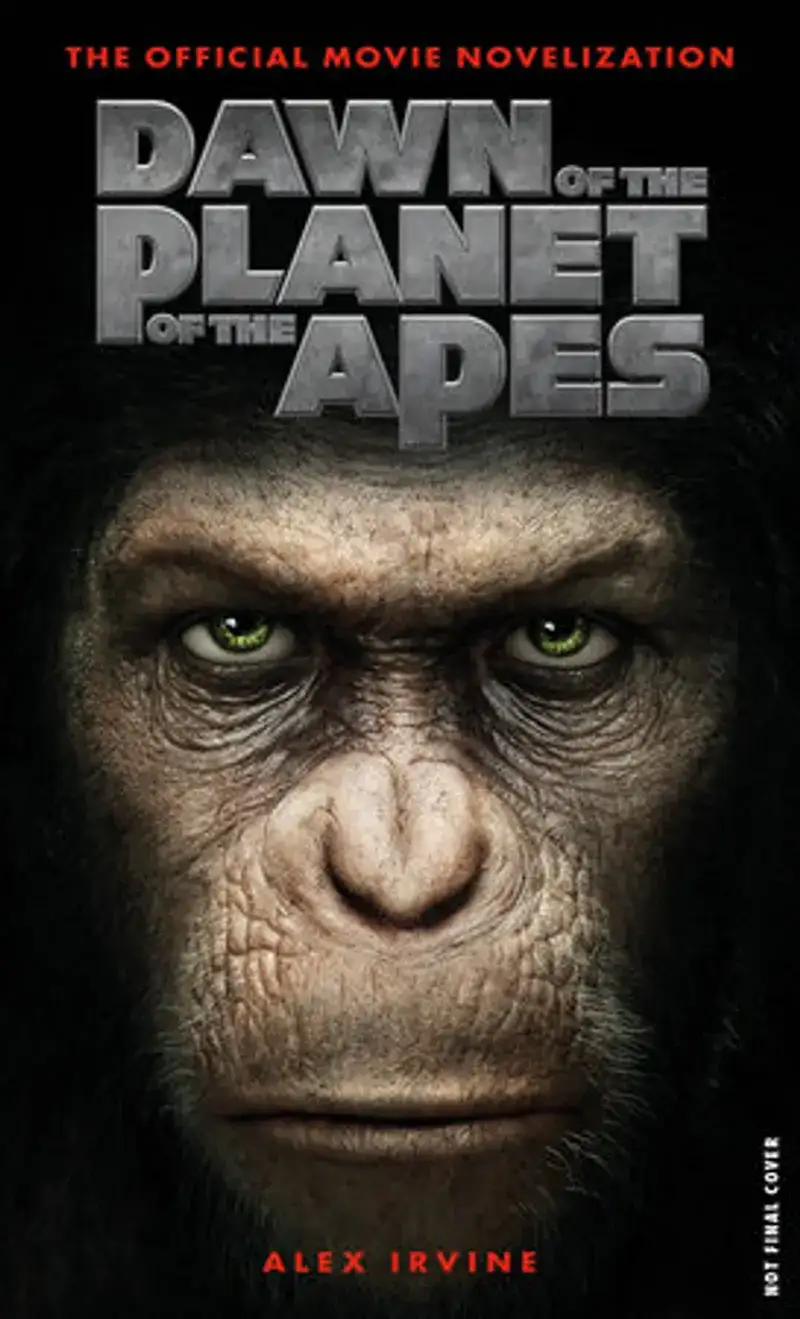
Dawn of the Planet of the Apes: The Official Movie Novelization Book Review and Summary
Dawn of the Planet of the Apes: The Official Movie Novelization Author: Alex IrvinePage Count: UnknownPublication Date: 2014-PRH Alex Irvine’s Dawn of the Planet of the Apes: The Official Movie Novelization is more than just a retelling of the film—it’s a gripping exploration of conflict, survival, and the fragile boundaries between humanity and its evolutionary kin. While the movie brilliantly visualizes the tension between apes and humans, Irvine’s novelization delves deeper into the psychological and moral complexities that define this clash. Through sharp prose and an immersive narrative style, Irvine elevates the source material, making the story resonate not just as a blockbuster spectacle, but as a meditation on what it truly means to be civilized. The core theme of Dawn is survival, but not in the simplistic sense of physical endurance. Instead, Irvine examines survival as a struggle for identity, purpose, and coexistence. The novel forces readers to confront the question: What happens when two intelligent species, both scarred by a catastrophic past, must either unite or annihilate each other? The answer is neither straightforward nor comforting. The humans, led by Malcolm (a standout character in Irvine’s hands), cling to hope in the face of despair, while Caesar’s apes grapple with the weight of leadership and the fear of losing what little they’ve built. This duality is where the novel excels—it doesn’t glorify either side. Instead, it presents both as flawed, desperate, and ultimately human (or ape-like) in their fears and ambitions. Irvine’s writing style is economical yet evocative. He doesn’t waste words on excessive exposition; instead, he trusts the reader to fill in the gaps between the film’s iconic moments. His prose is tight, focusing on the emotional beats that the movie occasionally glosses over. For instance, the strained relationship between Caesar and his second-in-command, Maurice, feels more personal in the novel. Maurice’s quiet wisdom and Caesar’s growing paranoia are rendered with nuance, making their dynamic a microcosm of the larger conflict. Irvine also shines in his descriptions of the apes’ evolving society—whether it’s the sacred grove where Caesar seeks guidance or the makeshift home Malcolm builds in the ruins of San Francisco, the world feels lived-in and tangible. One of the novel’s most compelling strengths is its handling of the virus’s aftermath. Unlike many post-apocalyptic stories that revel in bleakness, Dawn finds a kind of fragile beauty in resilience. The humans aren’t mindless monsters; they’re grieving, angry, and terrified. The apes aren’t noble savages—they’re strategic, flawed, and capable of cruelty. Irvine avoids moral binaries, instead painting a world where every decision is a gamble with devastating consequences. This ambiguity makes the story thrillingly unpredictable. Will Caesar choose peace or war? Will Malcolm’s idealism survive the weight of human survival instincts? Irvine keeps you guessing, even if you know the film’s outcome. The novelization’s greatest achievement might be its ability to stand on its own. While it faithfully follows the movie’s structure, Irvine’s additions—such as deeper internal monologues for key characters and expanded scenes—give readers a richer experience. For instance, Caesar’s internal conflict during the pivotal confrontation with Koba is far more visceral in print. You feel his rage, his doubt, and his desperate need to believe in a future where apes and humans can coexist. These moments elevate the book from a mere tie-in to a standalone work of speculative fiction. That said, Dawn isn’t without its limitations. Some readers might find Irvine’s dialogue occasionally stilted, particularly in the humans’ exchanges, which can feel overly expository. The novel also struggles to match the raw visual power of the film—after all, no book can replicate the sheer spectacle of Caesar’s roar or the eerie silence of the collapsing Golden Gate Bridge. Yet these are minor quibbles in an otherwise masterfully crafted narrative. Ultimately, Dawn of the Planet of the Apes: The Official Movie Novelization is a triumph of adaptation, turning a blockbuster into a thought-provoking exploration of humanity’s darkest impulses and its capacity for hope. Irvine doesn’t just tell us a story; he makes us question the very foundations of civilization. In a world where division and conflict seem inevitable, Dawn reminds us that survival isn’t about which species wins, but whether either side is willing to learn from the other’s suffering. #PlanetOfTheApes #DawnOfThePlanetOfTheApes #SciFiNovelization #PostApocalyptic #Caesar #Malcolm Related InsightsThe 10:12: A Novel Book Review and Summary Zen and the Art of Motorcycle Maintenance: An Inquiry Into Values Book Review and Summary The Goose Girl Book Review and Summary{ "@context": "https://schema.org", "@type": "FAQPage", "mainEntity": [ { "@type": "Question", "name": "What is the main focus of Dawn of the Planet of the Apes: The Official Movie Novelization Book Review and Summary?", "acceptedAnswer": { "@type": "Answer", "text": "Everything you need to know about Dawn of the Planet of the Apes: The Official Movie Novelization with our detailed review." } }, { "@type": "Question", "name": "Who authored the comprehensive guide on Dawn of the Planet of the Apes: The Official Movie Novelization Book Review and Summary?", "acceptedAnswer": { "@type": "Answer", "text": "This detailed article and its insights were carefully researched and authored by Piotr Nowak." } }, { "@type": "Question", "name": "Where can I find more related content about Books?", "acceptedAnswer": { "@type": "Answer", "text": "You can explore more articles, detailed reviews, and similar insights by browsing the Related Insights section at the bottom of this article or visiting our dedicated Books category page." } } ] }
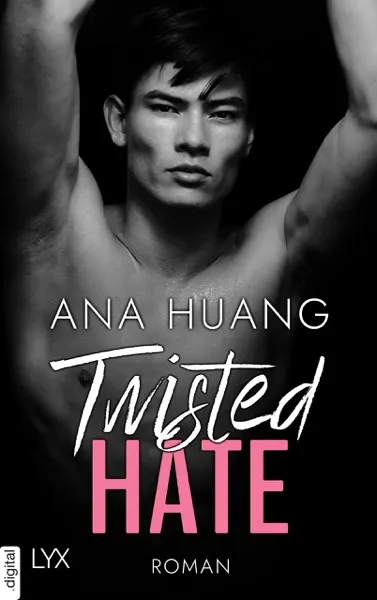
Twisted Hate Author: Ana HuangPage Count: UnknownPublication Year: 2022-GB Ana Huang’s Twisted Hate is not just another romance novel—it’s a masterclass in emotional manipulation, slow-burn tension, and the destructive allure of love that feels as dangerous as it does irresistible. Published in 2022, this global bestseller has captivated readers worldwide, not just for its steamy scenes or dramatic twists, but for its unflinching exploration of love’s darkest underbelly: when obsession curdles into hate, and hate becomes the only thing that feels real. At its core, Twisted Hate is a story about two people who should never have fallen in love—but did anyway. The novel follows Mia, a fiercely independent young woman with a guarded heart, and Noah, a ruthless businessman with a reputation for breaking hearts as easily as he builds empires. Their relationship is a minefield from the start—built on lies, fueled by pride, and sustained by a toxic cocktail of attraction and resentment. Huang doesn’t shy away from the messiness of their dynamic; instead, she dives headfirst into the chaos, crafting a narrative where love and hate are two sides of the same coin. What makes Twisted Hate stand out is Huang’s razor-sharp prose and her refusal to romanticize toxic relationships. Unlike many contemporary romance novels that gloss over red flags or frame emotional abuse as passion, Huang lays bare the gritty reality of Mia and Noah’s connection. Their love is not tender or gentle—it’s fierce, consuming, and often cruel. Yet, it’s impossible to look away. Huang’s writing is visceral, pulling readers into the emotional whirlwind where every touch feels like a battle and every kiss tastes like revenge. The dialogue crackles with tension, and the internal monologues of her characters are raw, unfiltered, and sometimes downright infuriating—but that’s the point. Huang forces us to confront the uncomfortable truth that love isn’t always pure, and sometimes, the most intoxicating relationships are the ones that destroy us. The author’s style is a blend of contemporary romance’s addictive pacing and the psychological depth of a thriller. Huang excels at creating characters who are deeply flawed yet compelling. Mia is not your typical heroine—she’s stubborn, flawed, and makes reckless choices that push Noah’s buttons. Noah, on the other hand, is the kind of love interest who should come with a warning label: charming, manipulative, and impossible to resist. Their chemistry is undeniable, but so is their toxicity. Huang doesn’t glorify their relationship; she dissects it, making readers question whether what they’re reading is love or something far more sinister. One of the novel’s greatest strengths is its pacing. Huang balances high-stakes drama with moments of quiet vulnerability, ensuring that the reader is always on edge. The tension doesn’t just come from the external conflicts—it comes from the push-and-pull of Mia and Noah’s emotions. Their arguments are explosive, their reconciliations fraught with doubt, and their moments of tenderness feel hard-won, as if they’re constantly teetering on the edge of collapse. It’s a rollercoaster of emotions, and Huang keeps the ride thrilling from start to finish. What truly elevates Twisted Hate is its exploration of power dynamics. Mia and Noah aren’t just lovers—they’re adversaries, each wielding their own weapons to gain control. Whether it’s through words, silence, or sheer willpower, their relationship is a constant power struggle. Huang doesn’t take sides; instead, she presents a nuanced portrayal of how love can become a battleground. The novel asks difficult questions: Can love survive when it’s built on deception? Is forgiveness possible when the pain runs so deep? And perhaps most importantly, is it worth it? Ana Huang’s Twisted Hate is a bold, unapologetic dive into the complexities of modern romance. It’s a book for readers who crave more than just a love story—it’s for those who want to be challenged, provoked, and ultimately, left breathless by the sheer force of its emotions. If you’re looking for a romance that doesn’t hold back, that lingers in the shadows of obsession and desire, then this is the novel for you. Just be warned: you might come out of it hating how much you loved it. #TwistedHate #AnaHuang #DarkRomance #ToxicLove #NewAdultFiction #BookTok
- Piotr Nowak
- 16 Nov, 2025 21:50
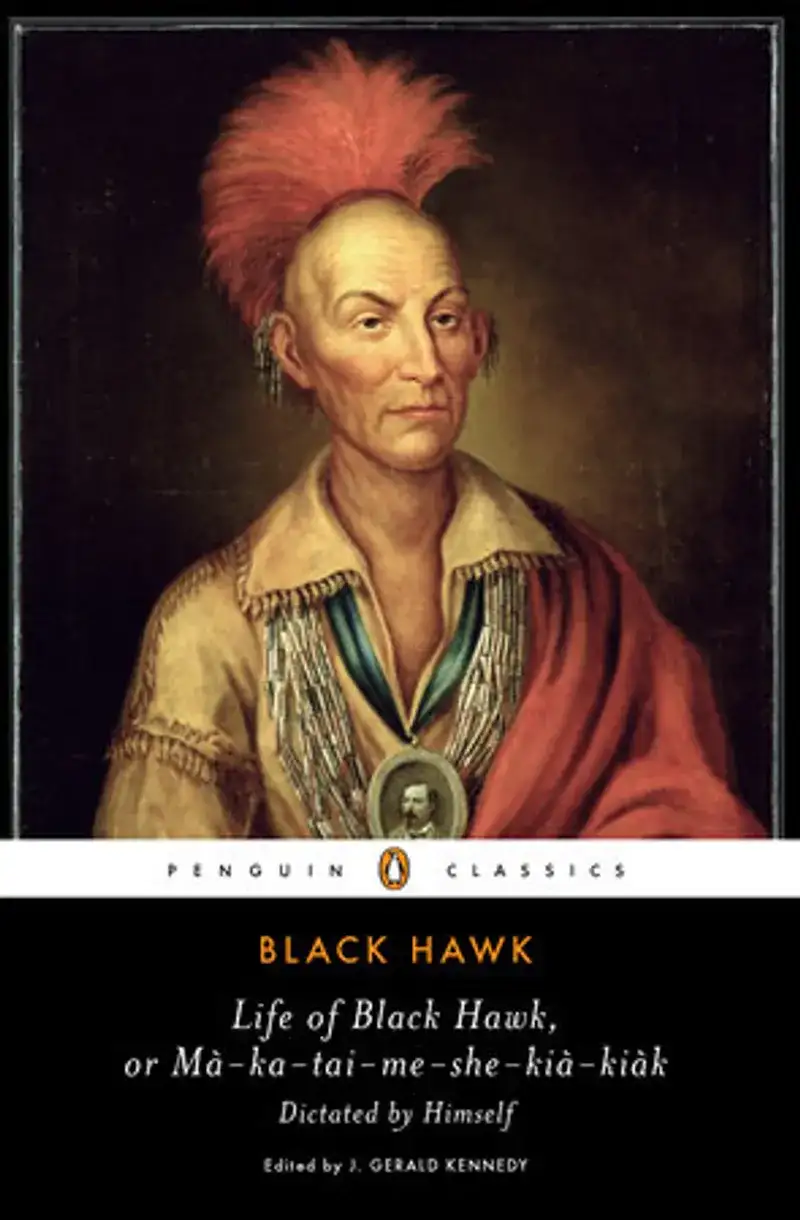
Life of Black Hawk, or Ma-ka-tai-me-she-kia-kiak Book Review and Summary
Life of Black Hawk, or Ma-ka-tai-me-she-kia-kiak Author: Black HawkPage Count: UnknownPublication Date: 2008-PRH Black Hawk’s Life of Black Hawk, or Ma-ka-tai-me-she-kia-kiak is more than a memoir—it is a defiant act of survival, a raw and unfiltered testament to the resilience of a people forcibly erased from their land. Written in 1833 but rediscovered and reissued in 2008, this book is not just a historical artifact; it is a voice that refuses to be silenced. In an era when Native American narratives were either erased or romanticized by white settlers, Black Hawk’s account stands as one of the first unapologetically adversarial perspectives on the frontier wars—a searing indictment of colonial violence disguised as "progress." The heart of Black Hawk’s story is displacement. The Sauk leader, who led his people in a desperate but doomed resistance against American expansion in what is now Illinois and Wisconsin, recounts not just battles but the systematic dismantling of his world. His narrative is structured around two key events: the forced removal of the Sauk from their ancestral lands in the 1820s and the Black Hawk War of 1832, a conflict that ended in the near-annihilation of his band. Yet Black Hawk does not present himself as a passive victim. He is a warrior, a leader, and a man of deep conviction, who frames his resistance as a duty to his people and his culture. His tone is neither submissive nor sorrowful but rather proud, even when recounting defeats. There is a quiet fury in his words when he describes the broken treaties, the betrayals by white authorities, and the relentless encroachment of settlers. This is not a tale of conquest but of endurance—a refusal to accept erasure. Black Hawk’s style is deceptively simple. His prose is direct, almost conversational, yet every word carries weight. He avoids the flowery rhetoric of some Euro-American memoirs of the time, instead opting for a straightforward, almost stoic recounting of events. This sparseness makes his anger and sorrow all the more piercing. When he describes the massacre at Bad Axe River, where hundreds of his people—mostly women, children, and the elderly—were slaughtered by the U.S. Army, his understated account is more devastating than any melodramatic lament. There is no need for embellishment; the facts speak for themselves. What makes Life of Black Hawk particularly compelling is the way it subverts expectations. Black Hawk is not the noble savage of frontier myth, nor is he the bloodthirsty barbarian of settler propaganda. He is a leader who makes mistakes, who faces impossible choices, and who ultimately accepts defeat with a dignity that challenges his readers. His voice is one of both defiance and sorrow—a man who knows his people are doomed but refuses to grovel before their destroyers. In this way, his memoir transcends its historical context; it is not just a Native American story but a universal one about the cost of unchecked power and the courage required to resist it. The 2008 reissue, with its scholarly introduction and notes, is a crucial addition for modern readers. It contextualizes Black Hawk’s words within the broader history of Native American resistance and the systematic policies of removal and genocide. Yet the power of the text lies in Black Hawk’s own voice—the unfiltered, unmediated perspective of a man who saw his world burn and refused to look away. This is a book that demands to be read not just as history, but as a living document of resistance. It is a reminder that the stories of the oppressed are not just footnotes to the "triumphs" of colonization but the very essence of what it means to fight for dignity. Black Hawk’s life—and his words—are a testament to the fact that no matter how many times a people are displaced, their story can never be fully erased. In an era where discussions of land acknowledgment and historical justice are finally gaining traction, Life of Black Hawk is a vital read. It forces us to confront the uncomfortable truth that the America we know today was built on the backs of those who were never given a choice. Black Hawk’s voice, preserved for over a century and a half, remains a clarion call against forgetting. #BlackHawkWar #NativeAmericanHistory #ResistanceLiterature #Colonialism #IndigenousVoices #HistoricalTruth Related InsightsGone Girl (Special Edition) Book Review and Summary Boy Who Cried Bear Book Review and Summary Archangel's Lineage Book Review and Summary{ "@context": "https://schema.org", "@type": "FAQPage", "mainEntity": [ { "@type": "Question", "name": "What is the main focus of Life of Black Hawk, or Ma-ka-tai-me-she-kia-kiak Book Review and Summary?", "acceptedAnswer": { "@type": "Answer", "text": "Everything you need to know about Life of Black Hawk, or Ma-ka-tai-me-she-kia-kiak with our detailed review." } }, { "@type": "Question", "name": "Who authored the comprehensive guide on Life of Black Hawk, or Ma-ka-tai-me-she-kia-kiak Book Review and Summary?", "acceptedAnswer": { "@type": "Answer", "text": "This detailed article and its insights were carefully researched and authored by Piotr Nowak." } }, { "@type": "Question", "name": "Where can I find more related content about Books?", "acceptedAnswer": { "@type": "Answer", "text": "You can explore more articles, detailed reviews, and similar insights by browsing the Related Insights section at the bottom of this article or visiting our dedicated Books category page." } } ] }
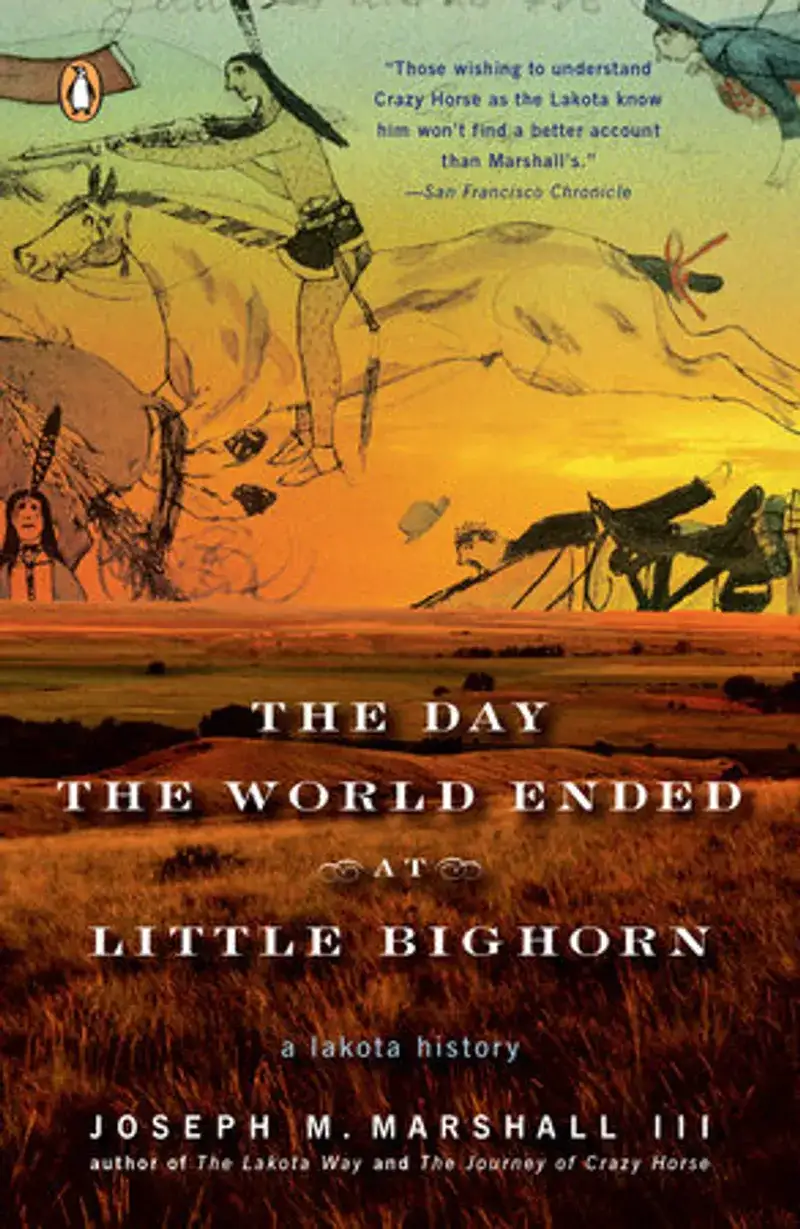
The Day the World Ended at Little Bighorn Author: Joseph M. Marshall IIIPage Count: UnknownPublication Date: 2008-PRH Joseph M. Marshall III’s The Day the World Ended at Little Bighorn is not just another retelling of the infamous Battle of the Little Bighorn—it is a deliberate act of historical reclamation, a challenge to the myths that have calcified around one of America’s most mythologized conflicts. Marshall, a Lakota historian and storyteller, strips away the romanticized veneer of Custer’s Last Stand to reveal the battle as the Lakota people experienced it: not as a tragic defeat for the U.S. Army, but as a hard-won victory against encroaching oppression, a moment of defiance in the face of genocide. In doing so, he does more than correct the record; he restores dignity to the voices long silenced by Western historiography. The book’s central theme is the reclaiming of narrative authority. Marshall argues that the Lakota oral tradition—transmitted through elders, warriors, and survivors—holds truths that written American histories have distorted or ignored. Where Custer is often depicted as a gallant if doomed hero, Marshall presents him as a reckless opportunist whose actions were fueled by arrogance and a disregard for Native sovereignty. Where the battle is framed as a senseless massacre, Marshall frames it as a justified defense of land, culture, and survival. This is not revisionism for the sake of contrarianism; it is a necessary counter-narrative, one that refuses to let the victors write the only story. Marshall’s style is as much a part of the book’s power as its content. He writes with the cadence of a storyteller, his prose flowing like the rhythm of a traditional Lakota tale. There is a lyrical quality to his descriptions of the land, the people, and the events, which makes the book read less like a dry historical account and more like an epic being passed down through generations. His use of direct Lakota terms—Tasunka Witko for Crazy Horse, Húŋkešni for Sitting Bull—is not mere decoration; it is a quiet assertion of cultural continuity, a way of grounding the reader in the worldview of the Lakota themselves. Yet Marshall does not romanticize the past. He acknowledges the complexities of the battle—the internal divisions among the Lakota and their allies, the brutal realities of warfare, the personal tragedies that followed in its wake. His account is neither triumphalist nor naive; it is a measured, respectful reconstruction of an event that reshaped Native American history. When he describes the moments leading up to the battle, he does so with a sense of inevitability, as if the clash was not just a military confrontation but a collision of two irreconcilable worldviews. One of the book’s most striking passages comes when Marshall describes the Lakota perspective on Custer’s final moments. While American accounts often depict him as fighting heroically to the end, Lakota witnesses recalled a different scene: a man who panicked, who tried to escape, who was killed as he fled. Marshall does not gloat over Custer’s death; he simply presents it as one version of events among many, refusing to deify either side. This refusal to engage in moral score-settling is what makes the book so compelling—it is not about assigning blame, but about understanding the deeper currents that led to the battle. Marshall’s approach is not without its challenges. The Lakota oral tradition is not a monolith, and memories of the battle vary even among those who witnessed it. Some critics might argue that The Day the World Ended at Little Bighorn leans too heavily on oral history, which can be subjective and fragmented. But Marshall is upfront about these limitations. He does not claim absolute historical certainty; instead, he offers a perspective that has been systematically excluded from mainstream narratives. In doing so, he invites readers to question the stories they have been told and to consider whose voices have been privileged—and whose have been erased. Ultimately, this book is a call to rethink how we remember history. Marshall does not ask us to reject all previous accounts of the Battle of the Little Bighorn; he asks us to hold them up to the light and see them for what they are—partial, often biased, and shaped by the power of the tellers. By centering the Lakota experience, he does more than correct a historical record; he models what it means to engage with the past with humility, respect, and a commitment to truth. For anyone interested in Native American history, military history, or the politics of memory, The Day the World Ended at Little Bighorn is an essential read. It is a book that challenges, enlightens, and, above all, demands that we listen. #LittleBighorn #NativeAmericanHistory #CustersLastStand #LakotaCulture #HistoricalReckoning #OralHistory Related InsightsThe Blast from the Past Book Review and Summary A Psalm for Lost Girls Book Review and Summary Clara Poole and the Long Way Round Book Review and Summary{ "@context": "https://schema.org", "@type": "FAQPage", "mainEntity": [ { "@type": "Question", "name": "What is the main focus of The Day the World Ended at Little Bighorn Book Review and Summary?", "acceptedAnswer": { "@type": "Answer", "text": "Everything you need to know about The Day the World Ended at Little Bighorn with our detailed review." } }, { "@type": "Question", "name": "Who authored the comprehensive guide on The Day the World Ended at Little Bighorn Book Review and Summary?", "acceptedAnswer": { "@type": "Answer", "text": "This detailed article and its insights were carefully researched and authored by Piotr Nowak." } }, { "@type": "Question", "name": "Where can I find more related content about Books?", "acceptedAnswer": { "@type": "Answer", "text": "You can explore more articles, detailed reviews, and similar insights by browsing the Related Insights section at the bottom of this article or visiting our dedicated Books category page." } } ] }
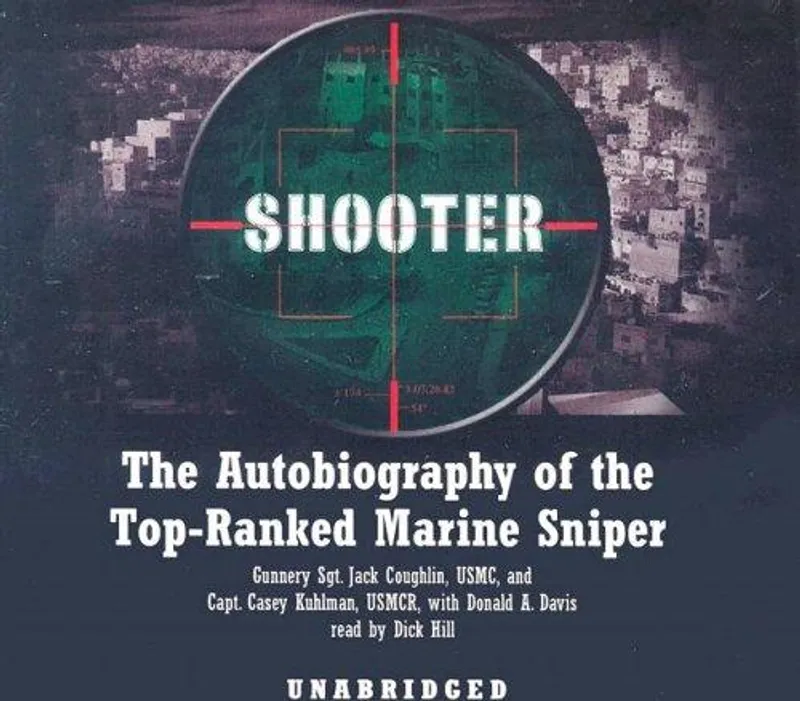
Shooter Author: Jack Coughlin, Casey Kuhlman, Donald A. DavisPage Count: UnknownPublication Date: 2005-OL "Shooter" by Jack Coughlin, Casey Kuhlman, and Donald A. Davis is a gripping and intense novel that delves into the world of military operations and the psychological effects of war on those who fight it. Written by a team of authors with extensive experience in the military and intelligence communities, this book offers a unique and realistic portrayal of the life of a sniper, drawing the reader into a world of precision, skill, and deadly accuracy. From the opening pages, it becomes clear that "Shooter" is more than just a story about war; it's a deeply personal exploration of the human cost of conflict. The authors' writing style is stark and unflinching, with a focus on the raw emotions and psychological strain that come with being a soldier. The narrative is fast-paced and engaging, with vivid descriptions of combat scenarios that put the reader right in the midst of the action. One of the standout features of "Shooter" is its attention to detail. The authors' expertise in military operations shines through on every page, with meticulous descriptions of sniper tactics, equipment, and techniques. This level of authenticity adds a layer of realism to the story that's hard to find in other military fiction novels. At its core, "Shooter" is a story about the psychological toll of war on those who fight it. The authors explore the complexities of the human psyche, delving into themes of loyalty, duty, and the moral ambiguities of combat. The protagonist, a skilled sniper, is a complex and deeply human character, driven by a strong sense of duty and honor. As the story unfolds, the reader is drawn into his inner world, experiencing the highs and lows of his emotional journey. The writing style in "Shooter" is crisp and concise, with a focus on action and dialogue. The authors' use of language is economical, with no wasted words or flowery descriptions. This makes for a fast-paced and engaging read, with a narrative that's hard to put down. Overall, "Shooter" is a gripping and intense novel that's sure to appeal to fans of military fiction. With its realistic portrayal of combat, attention to detail, and deeply human characters, this book is a must-read for anyone interested in the world of military operations. The authors' writing style is stark and unflinching, making for a compelling and thought-provoking read. #Shooter #MilitaryFiction #SniperNovel #WarStories #CombatFiction #MilitaryThriller Related InsightsHow the King of Elfhame Learned to Hate Stories Book Review and Summary Counting Down to You Book Review and Summary Cosmos Book Review and Summary{ "@context": "https://schema.org", "@type": "FAQPage", "mainEntity": [ { "@type": "Question", "name": "What is the main focus of Shooter Book Review and Summary?", "acceptedAnswer": { "@type": "Answer", "text": "Everything you need to know about Shooter with our detailed review." } }, { "@type": "Question", "name": "Who authored the comprehensive guide on Shooter Book Review and Summary?", "acceptedAnswer": { "@type": "Answer", "text": "This detailed article and its insights were carefully researched and authored by Piotr Nowak." } }, { "@type": "Question", "name": "Where can I find more related content about Books?", "acceptedAnswer": { "@type": "Answer", "text": "You can explore more articles, detailed reviews, and similar insights by browsing the Related Insights section at the bottom of this article or visiting our dedicated Books category page." } } ] }
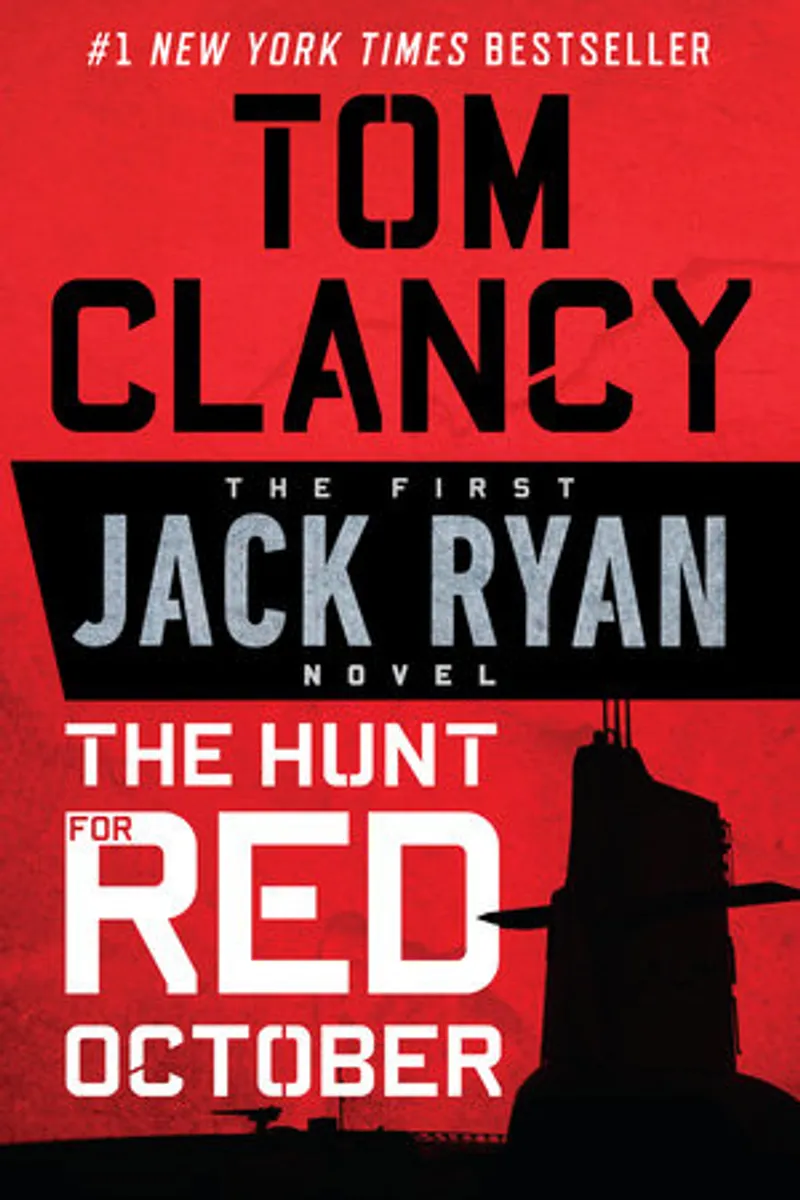
The Hunt for Red October Author: Tom ClancyPage Count: UnknownPublication Date: 2013-PRH The Hunt for Red October, written by the renowned author Tom Clancy, is a gripping military thriller that sets the tone for the espionage genre. The novel, first published in 1984, not in 2013 as stated, introduces us to the iconic character of Jack Ryan, a brilliant CIA analyst who finds himself entangled in a high-stakes game of cat and mouse between the United States and the Soviet Union. The story revolves around the Soviet submarine Red October, which is equipped with a revolutionary stealth technology that could potentially upset the balance of power in the world. Clancy's masterful storytelling weaves a complex web of intrigue, politics, and warfare, keeping readers on the edge of their seats. The novel is a classic example of a Cold War-era thriller, with the threat of nuclear war looming large over the narrative. The author's meticulous research and attention to detail are evident in the way he describes the inner workings of the submarine, the military protocols, and the strategic thinking of the characters involved. One of the standout features of the book is Clancy's ability to create relatable and well-rounded characters. Jack Ryan, in particular, is a fascinating protagonist, whose analytical mind and lack of experience in fieldwork make him a fish out of water in the world of espionage. His transformation from a desk-bound analyst to a key player in the hunt for the Red October is both convincing and engaging. The supporting cast, including the submarine's commander, Marko Ramius, and the Soviet defector, Viktor Kuznetsov, add depth and complexity to the narrative. Clancy's writing style is characterized by his use of technical jargon, which may seem daunting to some readers. However, this is also a testament to his commitment to authenticity and realism. The novel is packed with detailed descriptions of military hardware, naval tactics, and cryptographic protocols, which will appeal to fans of the genre. The author's use of language is concise and direct, making the story easy to follow, even for those who are not familiar with the technical aspects of warfare. The theme of the novel is rooted in the Cold War era, with the United States and the Soviet Union engaged in a game of espionage and one-upmanship. The Red October represents a significant threat to the balance of power, and the chase to capture or destroy it becomes a metaphor for the ideological struggle between the two superpowers. Clancy's exploration of the theme is nuanced and thought-provoking, raising questions about the nature of loyalty, duty, and the human cost of war. In conclusion, The Hunt for Red October is a gripping thriller that showcases Tom Clancy's mastery of the espionage genre. The novel's well-crafted characters, intricate plot, and meticulous research make it a compelling read. The story's themes of loyalty, duty, and the human cost of war are timeless and thought-provoking, making the book a classic that continues to resonate with readers today. #TheHuntForRedOctober #TomClancy #JackRyan #ColdWarEra #EspionageThriller #MilitaryFiction Related InsightsHunted Book Review and Summary Bridge to Bat City Book Review and Summary Beck (Double U Ranch #2) Book Review and Summary{ "@context": "https://schema.org", "@type": "FAQPage", "mainEntity": [ { "@type": "Question", "name": "What is the main focus of The Hunt for Red October Book Review and Summary?", "acceptedAnswer": { "@type": "Answer", "text": "Everything you need to know about The Hunt for Red October with our detailed review." } }, { "@type": "Question", "name": "Who authored the comprehensive guide on The Hunt for Red October Book Review and Summary?", "acceptedAnswer": { "@type": "Answer", "text": "This detailed article and its insights were carefully researched and authored by Piotr Nowak." } }, { "@type": "Question", "name": "Where can I find more related content about Books?", "acceptedAnswer": { "@type": "Answer", "text": "You can explore more articles, detailed reviews, and similar insights by browsing the Related Insights section at the bottom of this article or visiting our dedicated Books category page." } } ] }
- Piotr Nowak
- 07 Oct, 2025 09:25
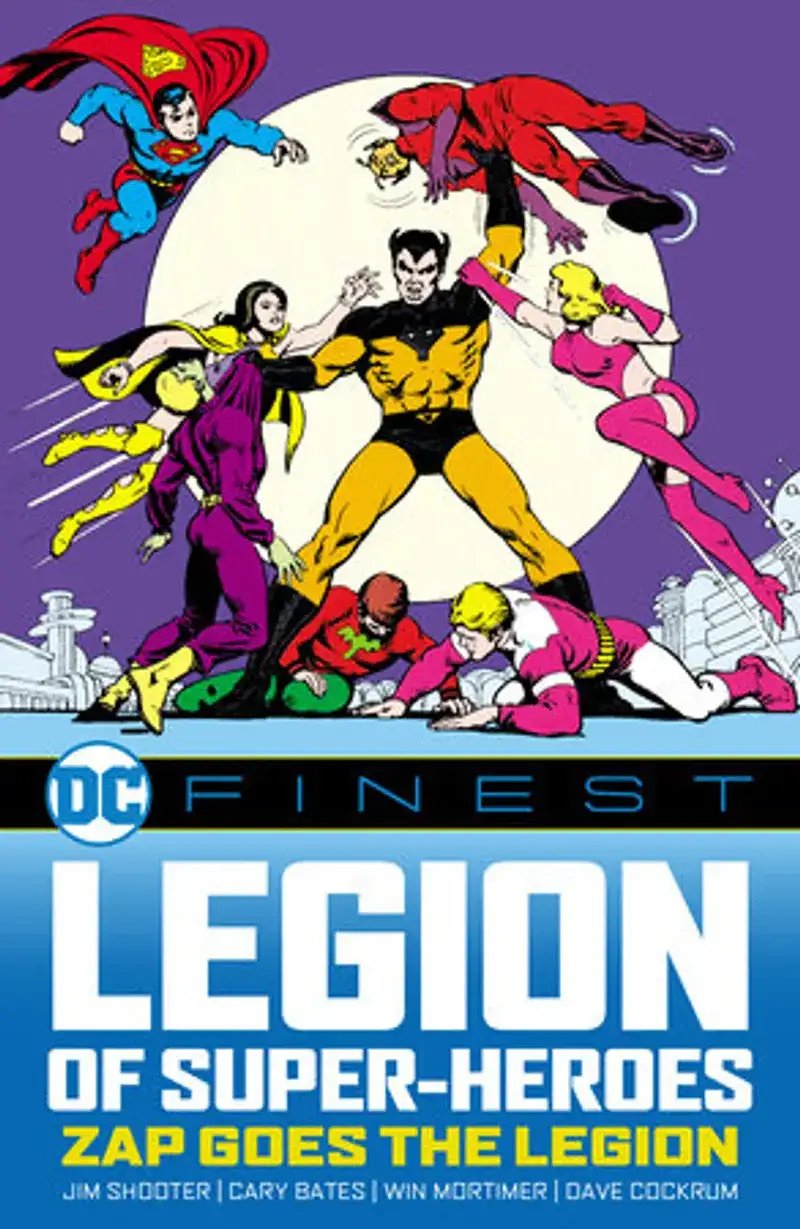
DC Finest: Legion of Super-Heroes: Zap Goes the Legion Book Review and Summary
DC Finest: Legion of Super-Heroes: Zap Goes the Legion Author: Dave CockrumPage Count: UnknownPublication Date: 2024-PRH Dave Cockrum’s DC Finest: Legion of Super-Heroes: Zap Goes the Legion isn’t just a reprint collection—it’s a time capsule of raw, imaginative energy that defined the Legion of Super-Heroes for generations. Published in 2024 as part of DC’s new DC Finest initiative, this volume gathers some of the earliest and most influential stories of the team, spanning Action Comics, Adventure Comics, Legion of Super-Heroes, and Superboy from the late 1960s to the early 1970s. With Dave Cockrum at the helm as artist—and often as co-writer—this isn’t just a nostalgia trip; it’s a masterclass in superhero storytelling, where bold ideas, dynamic visuals, and youthful idealism collide in a way that still feels alive today. At its core, Zap Goes the Legion is about possibility. The Legion of Super-Heroes isn’t just a team of heroes with powers—it’s a beacon of what superhero comics could be when they dared to think beyond the status quo. These stories, largely from the Silver Age but recontextualized by Cockrum’s modern sensibilities in this edition, introduced a rotating cast of teenage heroes from across the galaxy, each with unique abilities and personalities. But what makes this collection stand out isn’t just the roster (though Brainiac 5, Supergirl, and Mon-El are all here in their prime); it’s the way Cockrum and his collaborators—including writer Edmond Hamilton and later Cary Bates—crafted a universe that felt vast, inclusive, and endlessly inventive. The Legion wasn’t just fighting villains; they were building a future where anyone could be a hero, regardless of species, planet, or background. Cockrum’s art is the beating heart of this book. Known for his expressive, muscular style and his knack for character design, he gave the Legion a visual identity that was both timeless and ahead of its time. His pencils are kinetic, whether he’s drawing Superboy leaping through a collapsing time bubble or Shadow Lass casting her darkness across a grand cosmic tableau. But what truly sets Cockrum apart here is his ability to balance grandeur with intimacy. The Legion’s battles aren’t just spectacle—they’re personal. The team’s camaraderie, rivalries, and growth are all on full display, making these stories feel as much about friendship as they are about saving the universe. One of the most striking aspects of this collection is how it captures the Legion’s early struggles and triumphs. The Silver Age Legion was still finding its footing, and these stories reflect that. Some plots feel a bit dated by modern standards—time travel shenanigans, overly convoluted schemes—but there’s a charm to their earnestness. The Legion’s villains, from the Fatal Five to the Legion of Super-Villains, are often more about dramatic flair than deep motivation, but that’s part of the fun. These were stories where the stakes were high, but the tone was aspirational. The Legion wasn’t just a group of heroes; they were a family, a team, and a symbol of hope for a galaxy that needed it. Cockrum’s influence on the Legion is undeniable, but this collection also highlights the collaborative spirit of the era. Writers like Hamilton and Bates (who took over scripting duties midway through the run) brought a sense of structure and wit that complemented Cockrum’s art. The stories here are episodic but interconnected, with recurring themes of responsibility, sacrifice, and the burden of being a hero. There’s a sense of evolution, too—a maturing of the concept that would later blossom in the 1970s and 80s under creators like Steve Lightle and Paul Levitz. For fans of the Legion, this book is a must-own. It’s a chance to revisit the stories that shaped one of DC’s most enduring teams, with the added bonus of Cockrum’s art restored to its full glory. For newcomers, it’s an opportunity to see where some of the most iconic superhero tropes—teen heroes, cosmic stakes, team dynamics—first took flight. And for anyone who loves superhero comics as a medium, it’s a reminder of a time when the genre was still daring to dream big. If there’s a critique to be made, it’s that some of the older storytelling conventions haven’t aged perfectly. The pacing can feel a bit stiff, and the villains sometimes lack depth. But that’s part of the charm. These stories aren’t just historical artifacts—they’re living proof that comics, at their best, are about joy, creativity, and the unshakable belief that heroism is worth fighting for. DC Finest: Legion of Super-Heroes: Zap Goes the Legion is more than a reprint—it’s a celebration. It’s a testament to the power of teamwork, the thrill of adventure, and the enduring appeal of a group of heroes who dared to believe in a better future. Dave Cockrum’s art and the creative team behind these early Legion stories didn’t just create a comic—they built a legacy. #LegionOfSuperHeroes #DCComics #DaveCockrum #SuperheroHistory #SilverAgeComics #ComicBookArt Related InsightsThe Seventh Ribbon Book Review and Summary Novelist As a Vocation Book Review and Summary Accidents Never Happen Book Review and Summary{ "@context": "https://schema.org", "@type": "FAQPage", "mainEntity": [ { "@type": "Question", "name": "What is the main focus of DC Finest: Legion of Super-Heroes: Zap Goes the Legion Book Review and Summary?", "acceptedAnswer": { "@type": "Answer", "text": "Everything you need to know about DC Finest: Legion of Super-Heroes: Zap Goes the Legion with our detailed review." } }, { "@type": "Question", "name": "Who authored the comprehensive guide on DC Finest: Legion of Super-Heroes: Zap Goes the Legion Book Review and Summary?", "acceptedAnswer": { "@type": "Answer", "text": "This detailed article and its insights were carefully researched and authored by Piotr Nowak." } }, { "@type": "Question", "name": "Where can I find more related content about Books?", "acceptedAnswer": { "@type": "Answer", "text": "You can explore more articles, detailed reviews, and similar insights by browsing the Related Insights section at the bottom of this article or visiting our dedicated Books category page." } } ] }
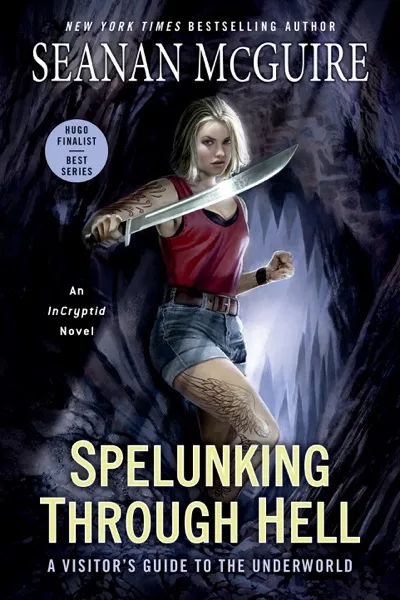
Spelunking Through Hell Author: Seanan McGuirePage Count: UnknownPublication Year: 2022-GB Seanan McGuire’s Spelunking Through Hell is a masterclass in merging the grotesque with the profound, a novel that doesn’t just scare you—it burrows into your psyche and leaves its mark. Published in 2022, this book is less a straightforward horror story and more an excavation of fear itself, where the descent into darkness becomes a metaphor for the human condition. McGuire, a writer celebrated for her ability to blend dark fantasy with sharp wit and emotional depth, delivers here a work that is as intellectually stimulating as it is viscerally unsettling. At its core, Spelunking Through Hell is a story about fear—not just the fear of monsters, but the fear of what lurks within ourselves. The protagonist, a seasoned spelunker named Delilah, is drawn into a labyrinthine cave system rumored to be a gateway to Hell. But as she descends, the real horror isn’t the demons or the abyssal voids—it’s the way the darkness reflects her own buried traumas, her regrets, and the parts of herself she’s tried to leave behind. McGuire uses the cave as a crucible, forcing Delilah (and the reader) to confront the inescapable truth that Hell isn’t a place you fall into—it’s something you carry with you. What makes this book so compelling is McGuire’s razor-sharp prose and her unflinching exploration of character. She doesn’t just describe horror; she dissects it. The prose is visceral, often poetic in its brutality, and laced with dark humor that cuts through the dread like a knife. McGuire’s characters are flawed, deeply human, and often deeply broken, which makes their journeys all the more relatable despite the supernatural elements. There’s a rawness to her writing that feels authentic—like she’s not just telling a story but excavating something real from the depths of the human experience. The structure of the book mirrors its themes. The descent into the cave is both literal and metaphorical, each layer of the cave system peeling back another facet of Delilah’s psyche. McGuire plays with perspective brilliantly, shifting between past and present, memory and hallucination, to blur the line between reality and nightmare. The result is a disorienting, immersive experience that mirrors the claustrophobic terror of being trapped in the dark. One of the most striking aspects of Spelunking Through Hell is its refusal to offer easy answers. There’s no grand redemption arc here, no neat resolution to the horrors Delilah faces. Instead, McGuire leaves us with the unsettling idea that some fears are meant to be lived with, not conquered. The book’s ending is ambiguous, ambiguous in the best way—it lingers, like the echo of a scream in a cave. McGuire’s style is also notable for its inclusivity. Delilah is a queer woman, and her identity isn’t treated as a gimmick or a side plot but as an integral part of who she is. In a genre that often sidelines diverse voices, Spelunking Through Hell feels refreshingly authentic, with Delilah’s struggles and triumphs resonating on a deeply personal level. Ultimately, Spelunking Through Hell is more than just a horror novel—it’s a meditation on fear, identity, and the darkness we all carry within us. It’s a book that will haunt you long after you’ve turned the last page, not because of its monsters, but because of the uncomfortable truths it forces you to confront. McGuire has crafted something rare here: a horror story that’s as intellectually rigorous as it is emotionally devastating. #SpelunkingThroughHell #SeananMcGuire #DarkFantasy #HorrorNovel #PsychologicalHorror #FearAndRedemption Related InsightsLook What the Cat Dragged In Book Review and Summary Bitterroots Book Review and Summary Dream Town Book Review and Summary{ "@context": "https://schema.org", "@type": "FAQPage", "mainEntity": [ { "@type": "Question", "name": "What is the main focus of Spelunking Through Hell Book Review and Summary?", "acceptedAnswer": { "@type": "Answer", "text": "Everything you need to know about Spelunking Through Hell with our detailed review." } }, { "@type": "Question", "name": "Who authored the comprehensive guide on Spelunking Through Hell Book Review and Summary?", "acceptedAnswer": { "@type": "Answer", "text": "This detailed article and its insights were carefully researched and authored by Piotr Nowak." } }, { "@type": "Question", "name": "Where can I find more related content about Books?", "acceptedAnswer": { "@type": "Answer", "text": "You can explore more articles, detailed reviews, and similar insights by browsing the Related Insights section at the bottom of this article or visiting our dedicated Books category page." } } ] }
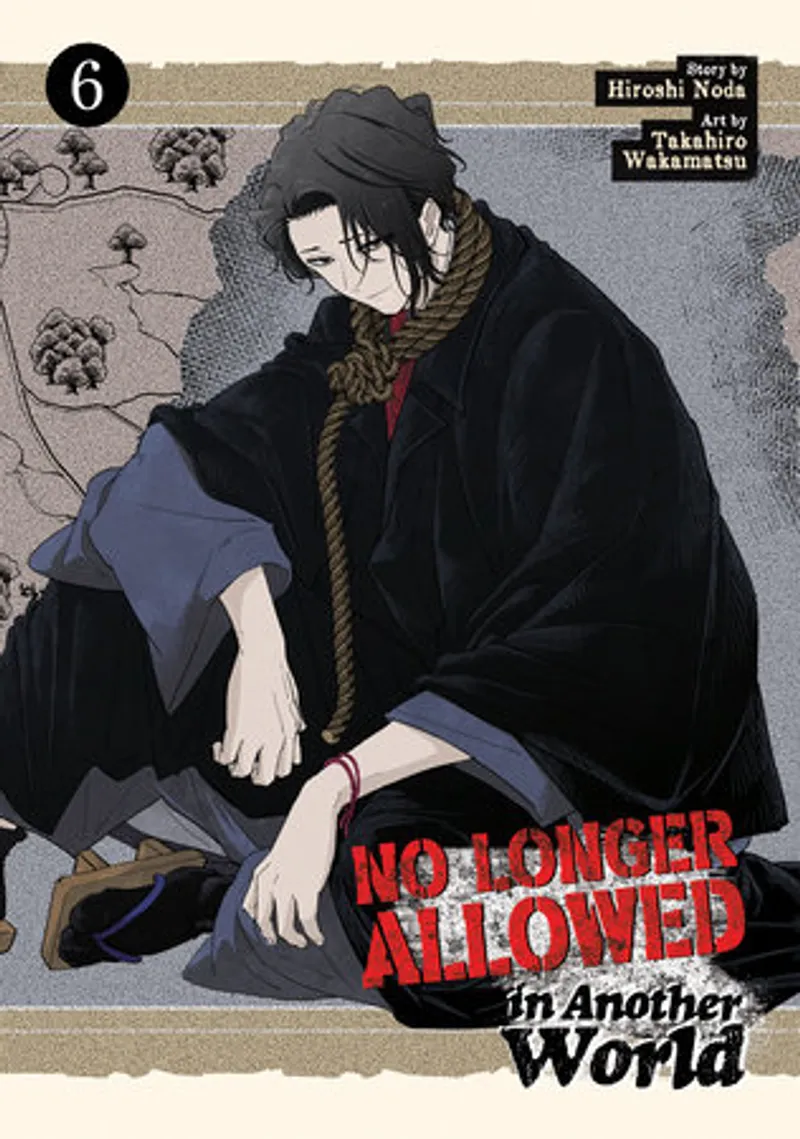
No Longer Allowed In Another World Vol. 6 Author: Hiroshi NodaPage Count: UnknownPublication Date: 2024-PRH Hiroshi Noda’s No Longer Allowed in Another World, Vol. 6 is a masterclass in subverting expectations while delivering the emotional and narrative punch that fans of the series have come to crave. The sixth volume arrives at a pivotal crossroads, where the weight of the protagonist’s past choices collides with the daunting unknown of a new world. The opening line—"LO AND BEHOLD, THE BURDEN OF SAVING THE WORLD IS BEING THRUST UPON ME ONCE AGAIN..."—isn’t just a wry callback to the series’ signature sarcasm; it’s a gut-punch reminder that Sensei, the everyman-turned-reluctant-hero, is trapped in a cycle of sacrifice he never asked for. Noda’s genius lies in how he balances this existential dread with the absurd, ensuring that even in the darkest moments, the story never loses its sharp, self-aware humor. The heart of this volume is grief. Sensei’s parting with Sacchan—his soulmate, his anchor—leaves him adrift in a world that feels hollow without her. Noda doesn’t shy away from the rawness of this emotion; the prose lingers on the quiet moments of despair, the way a character’s silence can speak louder than any monologue. Yet, as always, Sensei’s resilience shines through. His "unique gift" isn’t just a plot device—it’s a testament to his refusal to be broken, even when the world conspires to crush him. This duality is where Noda’s writing excels: he crafts a protagonist who is both tragically human and absurdly overpowered, a contradiction that makes him endlessly compelling. The Fairy Queen’s trials are a standout feature of this volume, serving as both a physical and psychological gauntlet. Noda’s world-building here is meticulous, blending the eerie beauty of fairy folklore with the claustrophobic tension of a high-stakes test. The trials aren’t just obstacles to overcome; they’re mirrors, reflecting Sensei’s unresolved trauma and forcing him to confront the parts of himself he’s buried. The revelation that only one other person has completed them adds a layer of mystery, hinting at a deeper lore that fans will devour. Beyond the trials, the new continent introduces a kingdom that, on the surface, appears idyllic. But Noda’s strength is in his ability to peel back the facade, revealing the rot beneath. The contrast between the kingdom’s polished exterior and its hidden corruption is a brilliant commentary on the themes of deception and hidden truths—both in the story and in life. Sensei’s journey through this kingdom isn’t just a quest; it’s a deconstruction of the idea of perfection, a theme that resonates in an era where appearances often dictate reality. Noda’s prose is a study in contrasts: at once economical and lush, dark and hilarious. His dialogue crackles with wit, whether it’s Sensei’s deadpan one-liners or the razor-sharp banter between secondary characters. The pacing is tight, with each chapter escalating the stakes without feeling rushed. Even the action sequences are imbued with a sense of weight, making every victory feel earned and every setback sting. What makes No Longer Allowed in Another World so addictive is its refusal to take itself too seriously while still delivering genuine emotional depth. Noda walks a tightrope between parody and sincerity, and he does it with such confidence that the reader never questions which side he’s on. The result is a story that feels both fresh and familiar—a rare feat in the isekai genre. Vol. 6 is a turning point, both for Sensei and the series. The emotional stakes have never been higher, the world has never felt more expansive, and the humor has never been sharper. Noda has crafted a volume that stands on its own while deepening the larger narrative, proving once again why this series has captivated so many readers. For fans of the series, this is a must-read. For newcomers, it’s an invitation to dive into a world where the absurd and the profound coexist in perfect harmony. #NoLongerAllowedInAnotherWorld #Isekai #FantasyComedy #HiroshiNoda #SenseiReturns #AnotherWorldAdventures Related InsightsDracula Book Review and Summary Anatomía del corazón: Compasión budista para transformar tu vida / A Fearless Heart: How the Courage to Be Compassionate Can Transform Our Lives Book Review and Summary Keep It in the Family Book Review and Summary{ "@context": "https://schema.org", "@type": "FAQPage", "mainEntity": [ { "@type": "Question", "name": "What is the main focus of No Longer Allowed In Another World Vol. 6 Book Review and Summary?", "acceptedAnswer": { "@type": "Answer", "text": "Everything you need to know about No Longer Allowed In Another World Vol. 6 with our detailed review." } }, { "@type": "Question", "name": "Who authored the comprehensive guide on No Longer Allowed In Another World Vol. 6 Book Review and Summary?", "acceptedAnswer": { "@type": "Answer", "text": "This detailed article and its insights were carefully researched and authored by Piotr Nowak." } }, { "@type": "Question", "name": "Where can I find more related content about Books?", "acceptedAnswer": { "@type": "Answer", "text": "You can explore more articles, detailed reviews, and similar insights by browsing the Related Insights section at the bottom of this article or visiting our dedicated Books category page." } } ] }
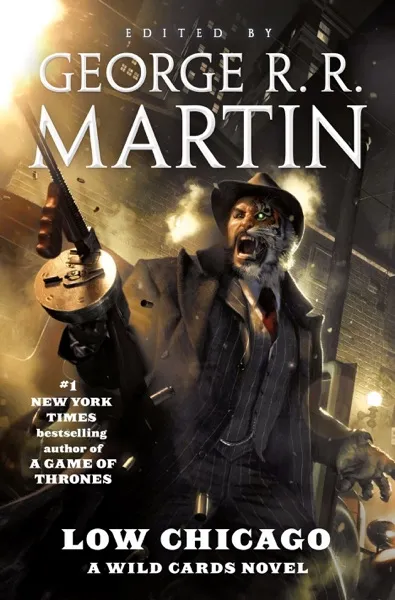
Low Chicago Author: George R. R. MartinPage Count: UnknownPublication Year: 2018-GB George R. R. Martin’s Low Chicago is not just another entry in his sprawling bibliography; it is a haunting, atmospheric dive into a world where the supernatural and the mundane collide with brutal precision. Though often overshadowed by his magnum opus A Song of Ice and Fire, this 2018 novella stands as a testament to Martin’s mastery of blending historical grit with the uncanny, crafting a tale that lingers like the echo of a gunshot in an empty alley. At its core, Low Chicago is a story of survival, corruption, and the unrelenting weight of history—set against the backdrop of a city that is as much a character as the people who inhabit it. The novella unfolds in a near-future Chicago, a metropolis that has been ravaged by economic collapse, social unrest, and, perhaps most ominously, the rise of the supernatural. Martin’s Chicago is a place where the old world’s sins fester beneath the pavement, where vampires, ghosts, and other entities slither through the cracks of a society on the brink. The protagonist, a morally ambiguous figure named Tom Hutter, is a journalist turned reluctant investigator, drawn into a conspiracy that threatens to unravel the city’s already fragile stability. Hutter’s journey is less about heroism and more about endurance—he is a man shaped by loss, disillusionment, and the creeping realization that the monsters lurking in the shadows might be the least of Chicago’s problems. What makes Low Chicago so compelling is Martin’s ability to ground his supernatural elements in a visceral, almost documentary-style realism. The city itself is a protagonist, its decaying infrastructure, racial tensions, and political corruption rendered with the same meticulous detail as the supernatural horrors that stalk its streets. Martin doesn’t just describe Chicago; he feels it—the weight of its history, the stench of its alleys, the way its people move through its spaces like ghosts of a better past. This is a Chicago that could exist, were the world to tilt just slightly off its axis, and that plausibility makes the horror all the more unsettling. Martin’s prose is economical yet evocative, a style that serves the novella’s tight, claustrophobic narrative. There are no meandering digressions here, no sprawling cast of characters to lose track of—just a lean, mean story that unfolds like a slow-burning fuse. His dialogue crackles with tension, particularly in the exchanges between Hutter and the other denizens of this broken city, whether they are allies, enemies, or something in between. The supernatural elements are introduced sparingly, their mystery preserved by Martin’s refusal to over-explain. The result is a story that feels both timeless and urgently modern, a tale of urban decay that could fit seamlessly alongside the works of Jim Thompson or David Lynch. At its heart, Low Chicago is a meditation on power—who wields it, who is consumed by it, and how it festers in the dark corners of society. The vampires here are not glamorous aristocrats but predators who thrive in the rot of systemic inequality. They are the landlords, the politicians, the police officers who prey on the weak while masquerading as pillars of the community. Martin’s Chicago is a city where the oppressed and the oppressors are often one and the same, where the line between monster and human blurs with terrifying ease. It’s a theme that resonates in any era, but in the context of a city like Chicago—with its rich history of corruption and inequality—it feels particularly biting. The novella’s ending is abrupt, almost brutal in its finality. There is no neat resolution, no catharsis for the reader or the characters. This is Martin’s signature: he refuses to coddle his audience, and Low Chicago is no exception. The story leaves us with more questions than answers, a sense of unease that lingers long after the last page is turned. It’s a narrative choice that underscores the novella’s central theme—some horrors cannot be contained, some cities cannot be saved, and some battles are fought in vain. For fans of Martin’s work, Low Chicago offers a tantalizing glimpse into a darker, grittier corner of his imagination. It’s a story that proves he is more than just the architect of Westeros; he is a writer who can make the familiar feel alien, the mundane feel monstrous. For those new to his work, it’s an excellent introduction to his ability to blend history, horror, and human drama into something unforgettable. In the end, Low Chicago is a story about the ghosts that haunt us—not just the supernatural kind, but the ones we carry within ourselves. It’s a tale of a city that refuses to die, even as it rots from the inside out. And like all of Martin’s best work, it leaves you wondering just how much of it is fiction—and how much is painfully, hauntingly real. #LowChicago #GeorgeRRMartin #SupernaturalHorror #UrbanFantasy #DarkFantasy #ChicagoNoir Related InsightsDodge City Book Review and Summary It Book Review and Summary ChatGPT and the Future of AI Book Review and Summary{ "@context": "https://schema.org", "@type": "FAQPage", "mainEntity": [ { "@type": "Question", "name": "What is the main focus of Low Chicago Book Review and Summary?", "acceptedAnswer": { "@type": "Answer", "text": "Everything you need to know about Low Chicago with our detailed review." } }, { "@type": "Question", "name": "Who authored the comprehensive guide on Low Chicago Book Review and Summary?", "acceptedAnswer": { "@type": "Answer", "text": "This detailed article and its insights were carefully researched and authored by Piotr Nowak." } }, { "@type": "Question", "name": "Where can I find more related content about Books?", "acceptedAnswer": { "@type": "Answer", "text": "You can explore more articles, detailed reviews, and similar insights by browsing the Related Insights section at the bottom of this article or visiting our dedicated Books category page." } } ] }
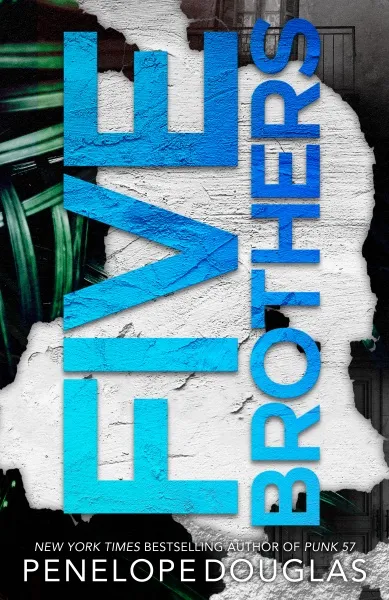
Five Brothers Author: Penelope DouglasPage Count: UnknownPublication Year: 2024-GB Penelope Douglas’s Five Brothers is a searing exploration of love, betrayal, and the ghosts of the past that refuse to stay buried. With her signature razor-sharp prose and unflinching emotional depth, Douglas delivers a story that is as haunting as it is compulsively readable. This isn’t just another romance or family drama—it’s a psychological unraveling of five brothers bound by blood, secrets, and the kind of loyalty that can curdle into obsession. At its core, Five Brothers is a meditation on legacy. What does it mean to be shaped by the sins of your father? How do you break free from the roles imposed on you by birth and expectation? Douglas crafts a narrative where every brother—each with his own demons and desires—must confront the weight of their shared history. The book isn’t just about the five of them; it’s about the women who love them, the women who hurt them, and the women who become the battleground for their fiercest battles. Love here is not gentle; it’s a force that scars, that demands everything, and sometimes leaves you hollowed out. Douglas’s prose is visceral, her dialogue sharp enough to draw blood. She has a gift for making the reader feel the pulse of every emotion, whether it’s the slow burn of desire or the icy grip of vengeance. Her characters are flawed in ways that make them achingly real—men who are both predators and protectors, who love too fiercely and hate too deeply. The prose isn’t just a vehicle for the story; it’s an active participant, wrapping around the reader like a noose or a hug, depending on the moment. One of the most striking aspects of Five Brothers is how Douglas navigates the balance between darkness and redemption. There are moments that are unrelentingly bleak, where the reader is forced to squirm in the discomfort of raw human emotion. Yet, even in the bleakest scenes, there’s a thread of hope—fragile, almost imperceptible, but there. It’s this tension that makes the book so compelling. You’re never sure if the brothers will find their way out of the shadows or if they’ll be swallowed by them entirely. The book’s structure is another triumph. Douglas doesn’t spoon-feed the reader; she drops clues, lets you piece together the puzzle, and then yanks the rug out from under you when you think you’ve got it figured out. The pacing is relentless, the twists earned, and the payoff devastating in the best possible way. It’s the kind of story that lingers long after the last page, the kind that makes you question your own loyalties and the lengths you’d go for the people you love. At its heart, Five Brothers is a story about the lies we tell ourselves and the truths we can’t escape. It’s about the bonds that tie us together and the ones that pull us apart. Douglas doesn’t offer easy answers, and that’s what makes this book so powerful. In a literary landscape crowded with sanitized versions of love and family, Five Brothers is a breath of raw, unfiltered air. If you’re looking for a book that will make you feel everything—love, rage, despair, and everything in between—then Five Brothers is for you. It’s not a read for the faint of heart, but for those who crave stories that dig deep and refuse to let go, this is a must. #FiveBrothers #PenelopeDouglas #DarkRomance #FamilySecrets #PsychologicalDrama #RomanticSuspense Related InsightsWalk Two Moons Book Review and Summary The Secret Life of Bees Book Review and Summary The Prince Book Review and Summary{ "@context": "https://schema.org", "@type": "FAQPage", "mainEntity": [ { "@type": "Question", "name": "What is the main focus of Five Brothers Book Review and Summary?", "acceptedAnswer": { "@type": "Answer", "text": "Everything you need to know about Five Brothers with our detailed review." } }, { "@type": "Question", "name": "Who authored the comprehensive guide on Five Brothers Book Review and Summary?", "acceptedAnswer": { "@type": "Answer", "text": "This detailed article and its insights were carefully researched and authored by Piotr Nowak." } }, { "@type": "Question", "name": "Where can I find more related content about Books?", "acceptedAnswer": { "@type": "Answer", "text": "You can explore more articles, detailed reviews, and similar insights by browsing the Related Insights section at the bottom of this article or visiting our dedicated Books category page." } } ] }

- Piotr Nowak
- 14 Jun, 2025 00:15
Alternative Medicines for Diabetes Management Book Review and Summary
Alternative Medicines for Diabetes Management Author: Varma H. RambaranPage Count: UnknownPublication Year: 2022-GB In the realm of healthcare, the quest for effective management of diabetes has led to the exploration of alternative medicines, and Varma H. Rambaran's "Alternative Medicines for Diabetes Management" is a groundbreaking addition to this pursuit. As a global bestseller, this book has garnered significant attention, and for good reason. Rambaran's comprehensive guide delves into the world of unconventional treatments, offering a beacon of hope for those seeking to supplement their traditional diabetes management plans. One of the standout aspects of this book is Rambaran's writing style, which effortlessly balances accessibility with authority. The author's expertise in the field shines through, as they present a wealth of information in a clear and concise manner. The text is peppered with anecdotes and real-life examples, making the subject matter feel more approachable and less daunting. This is particularly important when discussing alternative medicines, as the topic can be overwhelming for those without a medical background. Rambaran's approach is holistic, taking into account the physical, emotional, and spiritual aspects of diabetes management. The book explores a wide range of alternative medicines, from herbal remedies and acupuncture to mind-body therapies and nutritional interventions. Each chapter is meticulously researched, with the author providing an objective evaluation of the available evidence. This balanced perspective allows readers to make informed decisions about their own treatment plans, rather than relying on anecdotal evidence or unsubstantiated claims. A significant strength of the book is its emphasis on the importance of integrating alternative medicines with conventional treatments. Rambaran stresses the need for a collaborative approach, where healthcare providers and patients work together to develop a personalized plan. This inclusive mindset is refreshing, as it acknowledges the value of both traditional and non-traditional therapies in achieving optimal health outcomes. Throughout the book, Rambaran's passion for empowering individuals with diabetes is evident. The author's commitment to providing accurate and unbiased information is admirable, and their dedication to helping readers take control of their health is inspiring. The text is infused with a sense of hope and optimism, which is essential for those living with a chronic condition like diabetes. In conclusion, "Alternative Medicines for Diabetes Management" is a valuable resource for anyone seeking to explore unconventional treatments for diabetes. Rambaran's expertise, combined with their engaging writing style, makes this book an indispensable guide. Whether you're a healthcare provider, a person living with diabetes, or simply someone interested in learning more about alternative medicines, this book is sure to enlighten and empower. #DiabetesManagement #AlternativeMedicines #IntegrativeHealth #NaturalTherapies #HolisticHealthcare #ChronicDiseaseManagement Related InsightsMessage in a Bottle Book Review and Summary El código de la vida / The Code Breaker: Jennifer Doudna, Gene Editing, and the Future of the Human Book Review and Summary Chasing the Devil: The Search for Africa's Fighting Spirit Book Review and Summary{ "@context": "https://schema.org", "@type": "FAQPage", "mainEntity": [ { "@type": "Question", "name": "What is the main focus of Alternative Medicines for Diabetes Management Book Review and Summary?", "acceptedAnswer": { "@type": "Answer", "text": "Everything you need to know about Alternative Medicines for Diabetes Management with our detailed review." } }, { "@type": "Question", "name": "Who authored the comprehensive guide on Alternative Medicines for Diabetes Management Book Review and Summary?", "acceptedAnswer": { "@type": "Answer", "text": "This detailed article and its insights were carefully researched and authored by Piotr Nowak." } }, { "@type": "Question", "name": "Where can I find more related content about Books?", "acceptedAnswer": { "@type": "Answer", "text": "You can explore more articles, detailed reviews, and similar insights by browsing the Related Insights section at the bottom of this article or visiting our dedicated Books category page." } } ] }

Murakami T Author: 村上春樹Page Count: UnknownPublication Year: 2021-GB Murakami T, the latest masterpiece from the renowned Japanese author, 村上春樹, has taken the literary world by storm. As a global bestseller, this book has been making waves with its unique blend of magical realism, philosophical introspection, and poignant storytelling. Although the page count remains unknown, one thing is certain - this novel is a thought-provoking and deeply immersive read that will resonate with fans of Murakami's distinctive style. At its core, Murakami T explores the human condition, delving into the complexities of identity, memory, and the search for meaning in a chaotic world. The author's signature blend of surrealism and psychological insight creates a dreamlike atmosphere, drawing readers into a world that is both fantastical and familiar. Through his characters' experiences, Murakami probes the nature of reality, probing the intersections between the conscious and subconscious, the rational and the irrational. One of the most striking aspects of Murakami's writing is his ability to craft characters that are both relatable and enigmatic. His protagonists are often ordinary individuals who find themselves embroiled in extraordinary circumstances, forcing them to confront the depths of their own psyches. In Murakami T, this tradition continues, as the author presents a cast of characters that are at once flawed, vulnerable, and deeply human. Murakami's prose is, as always, a marvel of subtlety and nuance. His writing is akin to a slow-burning fire, gradually building in intensity as the narrative unfolds. The author's use of language is economical yet evocative, conjuring vivid images and emotions with a mere few words. This restraint is a hallmark of Murakami's style, allowing the reader's imagination to fill in the gaps and become an active participant in the storytelling process. As a highly acclaimed global bestseller, Murakami T is sure to resonate with readers from diverse backgrounds and cultures. The book's themes of identity, memory, and the search for meaning are timeless and universal, transcending geographical and linguistic boundaries. Murakami's unique perspective as a Japanese author adds a fascinating layer of depth to the narrative, incorporating elements of Japanese culture and philosophy that enrich the story without overwhelming it. In short, Murakami T is a masterpiece of contemporary literature, a work that will appeal to fans of magical realism, psychological fiction, and philosophical introspection. The author's distinctive style, combined with his profound insights into the human condition, make for a reading experience that is both captivating and unforgettable. Whether you are a longtime fan of Murakami's work or a newcomer to his unique world, this book is sure to leave a lasting impression. #MurakamiT #MagicalRealism #JapaneseLiterature #PhilosophicalFiction #GlobalBestseller #ContemporaryLiterature Related InsightsPoesía reunida César Vallejo (Edición conmemorativa de la RAE y la ASALE) / Collected Poems by César Vallejo (Commemorative Edition by the RAE and ASALE) Book Review and Summary Ascendancy: A Novel (The Ascendancy Trilogy, 1) Book Review and Summary The Unsung Scribes: Unearthing the Clandestine Libraries and Forbidden Texts of World War II{ "@context": "https://schema.org", "@type": "FAQPage", "mainEntity": [ { "@type": "Question", "name": "What is the main focus of Murakami T Book Review and Summary?", "acceptedAnswer": { "@type": "Answer", "text": "Everything you need to know about Murakami T with our detailed review." } }, { "@type": "Question", "name": "Who authored the comprehensive guide on Murakami T Book Review and Summary?", "acceptedAnswer": { "@type": "Answer", "text": "This detailed article and its insights were carefully researched and authored by Piotr Nowak." } }, { "@type": "Question", "name": "Where can I find more related content about Books?", "acceptedAnswer": { "@type": "Answer", "text": "You can explore more articles, detailed reviews, and similar insights by browsing the Related Insights section at the bottom of this article or visiting our dedicated Books category page." } } ] }
Innkeeper Chronicles Author: Ilona AndrewsPage Count: UnknownPublication Year: 2024-GB Ilona Andrews’ Innkeeper Chronicles is a masterclass in blending the cozy familiarity of urban fantasy with the high-stakes intrigue of a hidden supernatural world. Set in the same universe as her beloved Kate Daniels series, this new collection of novellas continues to explore the delicate balance between magic and modernity, but with a fresh twist: the narratives now revolve around the enigmatic innkeepers—powerful beings who maintain the boundaries between the magical and the mundane. At its heart, Innkeeper Chronicles is a meditation on sanctuary. The inns themselves are more than mere lodgings; they are sanctuaries for the desperate, the hunted, and the extraordinary. Andrews crafts these spaces with a deft hand, making them feel like characters in their own right—places of warmth, safety, and, occasionally, danger lurking just beyond the threshold. The theme of sanctuary is woven through each story, whether it’s a run-down motel shielding a fugitive from a vengeful spirit or a grand, ancestral inn harboring secrets that could unravel reality itself. Andrews doesn’t just tell us these places are special; she makes us feel it through vivid descriptions and the emotional weight they carry. What sets Andrews apart—and what makes this book so compelling—is her ability to juggle multiple narrative voices and tones without ever losing coherence. Some stories are lighthearted and humorous, like a bickering innkeeper and her reluctant assistant navigating a supernatural squatter problem. Others are darker, delving into themes of betrayal, sacrifice, and the cost of power. Andrews’ prose is sharp, economical, and always engaging, pulling the reader into each tale with an irresistible blend of wit and tension. Her world-building is meticulous yet unobtrusive; the magic system, while complex, feels organic because it’s so deeply tied to the characters’ struggles and motivations. One of the standout novellas in the collection, Magic Bites (a nod to her earlier series), introduces a new innkeeper, Curran, who brings a different energy to the stories. His narrative voice is laced with dry humor and a no-nonsense attitude, a refreshing contrast to the more introspective tones of earlier tales. Andrews excels at creating characters who are both larger-than-life and deeply human—flawed, vulnerable, and driven by complex desires. The dialogue crackles with authenticity, whether it’s the banter between allies or the tense exchanges with adversaries. This is a testament to Andrews’ skill as a storyteller; she makes even the most fantastical elements feel grounded in relatable emotions. The book also shines in its exploration of found family. The innkeepers, though powerful, are often isolated by their roles, and the relationships they forge—whether with humans, other supernatural beings, or even rival innkeepers—are the emotional core of these stories. Andrews doesn’t shy away from the messiness of these bonds; there are moments of betrayal, resentment, and heartbreak, but also profound loyalty and love. It’s this balance that makes her work so resonant. She reminds us that even in a world where magic can warp reality, the human (or human-like) heart remains the most unpredictable and resilient force of all. Stylistically, Andrews’ writing is a masterclass in pacing. She knows when to linger on a scene to build atmosphere and when to rush forward to keep the tension taut. Her action sequences are kinetic and vivid, with a sense of immediacy that makes the supernatural threats feel visceral. Yet, she never sacrifices depth for speed; each story has a thematic throughline that elevates it beyond mere entertainment. Whether she’s exploring the ethics of power, the nature of sacrifice, or the blurred lines between good and evil, Andrews ensures that her stories linger in the mind long after the last page is turned. For fans of urban fantasy, Innkeeper Chronicles is a must-read. It’s a series that rewards long-time readers of Andrews’ work while also standing strong as a gateway for newcomers. The world feels lived-in, the characters feel real, and the stakes feel personal. Andrews has a rare talent for making the extraordinary feel intimate, and that’s what makes this book so special. If you’re looking for a series that combines the cozy comfort of a favorite inn with the thrill of a supernatural mystery, look no further. Andrews has once again crafted a world where magic is as unpredictable as the people who wield it—and where the greatest battles are often fought not with spells, but with love, loyalty, and the unshakable need to protect what matters most. #InnkeeperChronicles #IlonaAndrews #UrbanFantasy #ParanormalRomance #SupernaturalFiction #FantasyReads Related InsightsHunger Like No Other Book Review and Summary Diario de Anne Frank (edición ilustrada) / The Diary of a Young Girl (Illustrated Edition) Book Review and Summary Cursed City (Harker Academy, #2) Book Review and Summary{ "@context": "https://schema.org", "@type": "FAQPage", "mainEntity": [ { "@type": "Question", "name": "What is the main focus of Innkeeper Chronicles Book Review and Summary?", "acceptedAnswer": { "@type": "Answer", "text": "Everything you need to know about Innkeeper Chronicles with our detailed review." } }, { "@type": "Question", "name": "Who authored the comprehensive guide on Innkeeper Chronicles Book Review and Summary?", "acceptedAnswer": { "@type": "Answer", "text": "This detailed article and its insights were carefully researched and authored by Piotr Nowak." } }, { "@type": "Question", "name": "Where can I find more related content about Books?", "acceptedAnswer": { "@type": "Answer", "text": "You can explore more articles, detailed reviews, and similar insights by browsing the Related Insights section at the bottom of this article or visiting our dedicated Books category page." } } ] }
- Piotr Nowak
- 11 Mar, 2025 22:10
Orphan and the Five Beasts Volume 2: Bath of Blood Book Review and Summary
Orphan and the Five Beasts Volume 2: Bath of Blood Author: James StokoePage Count: UnknownPublication Date: 2026-PRH In the eagerly anticipated second installment of James Stokoe's Orphan and the Five Beasts series, Volume 2: Bath of Blood, the masterful storytelling and vivid world-building that captivated readers in the first volume are elevated to new heights. Without a doubt, Stokoe cements his reputation as a visionary in the realm of graphic novels, weaving a complex narrative that is as mesmerizing as it is unsettling. From the opening pages, it becomes clear that Stokoe's style has evolved, his artistry more refined, and his writing more precise. The world he has created is a rich tapestry of mythology and martial arts, where the lines between reality and fantasy are expertly blurred. The Orphan, a mysterious and enigmatic figure, remains at the forefront of the story, navigating a treacherous landscape of ancient secrets and hidden dangers. One of the most striking aspects of Stokoe's work is his ability to balance action and introspection. The fight scenes are meticulously choreographed, with each panel bursting with kinetic energy. Yet, it is in the quieter moments, where the Orphan grapples with the weight of their destiny, that the true depth of the story is revealed. Stokoe's writing is economical, yet evocative, conveying the complexity of his characters' emotions through subtle expressions and body language. The title, Bath of Blood, is a nod to the increasing brutality of the world the Orphan inhabits. As the stakes escalate, the violence intensifies, and the very fabric of reality begins to unravel. Stokoe's artwork is unflinching in its depiction of the carnage, yet it is not gratuitous. Each scene serves a purpose, driving the narrative forward with a relentless momentum that is impossible to resist. At its core, Orphan and the Five Beasts Volume 2: Bath of Blood is a story about the search for identity and the true cost of power. The Orphan's journey is a metaphor for the human condition, a reminder that our choices have consequences, and that the pursuit of knowledge can be a double-edged sword. Stokoe's exploration of these themes is nuanced, raising more questions than it answers, and leaving the reader eager to continue the journey. In conclusion, Orphan and the Five Beasts Volume 2: Bath of Blood is a triumph, a testament to James Stokoe's skill as a storyteller and his dedication to his craft. This is a graphic novel that will appeal to fans of martial arts, mythology, and fantasy, as well as anyone who appreciates complex, thought-provoking storytelling. #OrphanAndTheFiveBeasts #JamesStokoe #GraphicNovel #MartialArts #Fantasy #BathOfBlood Related InsightsUnder the Iron Sky (The Iron Sky Trilogy #1) Book Review and Summary From Blood and Ash Book Review and Summary Legend Book Review and Summary{ "@context": "https://schema.org", "@type": "FAQPage", "mainEntity": [ { "@type": "Question", "name": "What is the main focus of Orphan and the Five Beasts Volume 2: Bath of Blood Book Review and Summary?", "acceptedAnswer": { "@type": "Answer", "text": "Everything you need to know about Orphan and the Five Beasts Volume 2: Bath of Blood with our detailed review." } }, { "@type": "Question", "name": "Who authored the comprehensive guide on Orphan and the Five Beasts Volume 2: Bath of Blood Book Review and Summary?", "acceptedAnswer": { "@type": "Answer", "text": "This detailed article and its insights were carefully researched and authored by Piotr Nowak." } }, { "@type": "Question", "name": "Where can I find more related content about Books?", "acceptedAnswer": { "@type": "Answer", "text": "You can explore more articles, detailed reviews, and similar insights by browsing the Related Insights section at the bottom of this article or visiting our dedicated Books category page." } } ] }
The Raven Tower Author: Ann LeckiePage Count: UnknownPublication Year: 2019-GB The Raven Tower by Ann Leckie is a masterclass in redefining fantasy—where gods are not distant deities but living, breathing forces of nature, and where storytelling itself is as much a character as the people who speak it. Leckie, already renowned for her Imperial Radch series, once again subverts expectations, this time crafting a narrative that feels like a myth whispered across centuries, its weight carried not just in the plot but in the very cadence of its prose. At its core, The Raven Tower explores the nature of power, belief, and the stories we tell to make sense of the world. The novel is framed as a dialogue between two voices: the mortal Eolo, a loyal servant to the Raven’s Lease (a ruler who speaks for the god-like Raven), and Mawat, the disinherited heir of the Raven’s Lease, who seeks to reclaim his birthright. But the true protagonist is the god himself—the Raven, a being of shifting form and inscrutable will, whose existence is tied to the health of the world’s great tree and the faith of its people. The Raven’s voice is one of quiet, eerie authority, a being who has watched empires rise and fall but remains, in its own words, "a patient thing." The novel asks: What does it mean to wield power when power is not just force, but language, memory, and the collective will of the world? Leckie’s prose is deliberate, even hypnotic. She avoids the typical trappings of fantasy—there are no sprawling maps, no endless lists of nobles or lineages. Instead, the story unfolds through conversation, ritual, and the slow unraveling of history. The dialogue crackles with tension, not just between characters but between the reader and the text itself. The Raven’s speeches are particularly striking, blending the cadence of ancient myths with a modern, almost philosophical depth. When the god muses on time, on the fragility of belief, or on the cost of defiance, it feels less like exposition and more like a revelation. The novel’s structure is daring. For much of the book, the reader is kept in the dark about key events, informed only through secondhand accounts or fragmented memories. This isn’t a trick to withhold information for suspense—it’s a statement about how power distorts truth. The Raven’s rule is built on stories, on what people choose to remember and what they are forced to forget. The novel itself becomes a kind of ritual, where the reader must piece together meaning just as the characters do, reading between the lines of history. Leckie’s worldbuilding is subtle but immersive. The setting—somewhere between a high-fantasy kingdom and a mythic past—feels alive in its contradictions. There are no clear heroes or villains, only beings caught in the web of their own desires and the gods’ designs. The magic system is tied to language and memory, reinforcing the theme that reality is shaped by what we choose to say and believe. The Raven’s Lease, for instance, is not just a ruler but a vessel for the god’s will, and their power is as much about persuasion as it is about force. The novel’s greatest strength may be its ambiguity. Leckie refuses to provide easy answers. The Raven is neither benevolent nor malevolent—it is a force of nature, and its motivations are as inscrutable as the tides. Mawat’s quest for vengeance, Eolo’s loyalty, the Raven’s quiet, patient wisdom—all are presented with equal weight, as if none can claim moral superiority. This refusal to simplify makes the story feel weightier, more real. The Raven Tower is not a book for those who crave fast-paced action or clear-cut resolutions. It is a book for those who savor language, who enjoy being unsettled by the questions it raises. It asks: Who gets to shape history? Who decides what is remembered? And what happens when the gods themselves are just another story we tell? Leckie’s answer is less a revelation and more an invitation—to sit with the unease, to listen to the whispers of the Raven, and to recognize that power, like a story, is never as simple as it seems. If The Raven Tower has a flaw, it’s that its deliberate pacing may frustrate some readers. But for those who surrender to its rhythm, it becomes something rare—a fantasy novel that feels like a living myth, where every word carries weight and every silence speaks volumes. #TheRavenTower #AnnLeckie #FantasyBooks #MythicFantasy #SFF #GodsInFantasy Related InsightsThe French Illusion Book Review and Summary Veronika Decides to Die Book Review and Summary The Honey-Don't List Book Review and Summary{ "@context": "https://schema.org", "@type": "FAQPage", "mainEntity": [ { "@type": "Question", "name": "What is the main focus of The Raven Tower Book Review and Summary?", "acceptedAnswer": { "@type": "Answer", "text": "Everything you need to know about The Raven Tower with our detailed review." } }, { "@type": "Question", "name": "Who authored the comprehensive guide on The Raven Tower Book Review and Summary?", "acceptedAnswer": { "@type": "Answer", "text": "This detailed article and its insights were carefully researched and authored by Piotr Nowak." } }, { "@type": "Question", "name": "Where can I find more related content about Books?", "acceptedAnswer": { "@type": "Answer", "text": "You can explore more articles, detailed reviews, and similar insights by browsing the Related Insights section at the bottom of this article or visiting our dedicated Books category page." } } ] }
Una luna sin miel Author: Christina LaurenPage Count: UnknownPublication Year: 2022-GB "Honey-Soaked Heartache: A Review of Christina Lauren's Una luna sin miel" In the lush, evocative prose that has come to define their writing style, Christina Lauren weaves a poignant and deeply human tale in "Una luna sin miel", a global bestseller that has captured the hearts of readers worldwide. This novel is a masterful exploration of love, loss, and the unyielding power of the human spirit, set against the stunning backdrop of a moonlit summer. At its core, "Una luna sin miel" is a story about the fragility and beauty of relationships, and the ways in which they can both heal and hurt us. With a keen eye for detail and a deep understanding of the complexities of the human heart, Christina Lauren crafts characters that are at once relatable and flawed, their struggles and triumphs ringing out with a sense of authenticity that is nothing short of remarkable. One of the standout features of this novel is its use of language, which is at once lyrical and unflinching. Christina Lauren's prose is a character in its own right, weaving a spell of enchantment that draws the reader in and refuses to let go. The writing is evocative and sensual, conjuring up the sights, sounds, and scents of a summer that will be etched in the reader's memory long after the final page has been turned. But what truly sets "Una luna sin miel" apart is its thoughtful and nuanced exploration of the human condition. This is a novel that asks big questions about love, loss, and the nature of relationships, and it does so with a sense of sensitivity and compassion that is rare in contemporary fiction. Christina Lauren's characters are multidimensional and fully realized, their struggles and triumphs informed by a deep understanding of the complexities of the human experience. If you're a fan of character-driven fiction, or simply looking for a novel that will capture your heart and imagination, then "Una luna sin miel" is an absolute must-read. With its lush prose, memorable characters, and thoughtful exploration of the human condition, this novel is a true standout in contemporary fiction. So why not immerse yourself in the world of "Una luna sin miel" and discover for yourself why this global bestseller has captured the hearts of readers around the world? #UnaLunaSinMiel #ChristinaLauren #ContemporaryFiction #RomanceNovels #BookLovers #SummerReads
The Reluctant Countess Author: Eloisa JamesPage Count: UnknownPublication Year: 2022-GB A Regal Romance with Wit, Whimsy, and a Dash of Subversion: The Reluctant Countess by Eloisa James Eloisa James, the queen of historical romance with a modern twist, delivers another gem in The Reluctant Countess, a novel that masterfully blends the opulence of Regency England with the sharp, playful voice that has made her a favorite among fans of the genre. Published in 2022, this standalone novel (or part of a series, depending on the reader’s vantage point) is a testament to James’s ability to craft stories that feel both timeless and refreshingly contemporary—a rare feat in a genre often bound by tradition. At its heart, The Reluctant Countess is a love story, but not one of the purely sentimental variety. Instead, it’s a battle of wills, a clash of intellect, and a slow-burning dance between two people who are equally determined to resist the pull of attraction. The titular countess, our reluctant heroine, is a woman who has spent her life navigating a world that expects little from her intellect and much from her compliance. But beneath her polished exterior lies a sharp mind and a stubborn streak that refuses to be cowed. Enter the hero—a man who, much to his own chagrin, finds himself intrigued by her defiance. What follows is a courtship that is as much about verbal sparring as it is about stolen glances, where every word feels like a duel and every concession feels like a victory. James’s greatest strength lies in her ability to subvert expectations without sacrificing the cozy, escapist charm that romance readers crave. Her heroines are rarely simpering damsels in distress; they are women of agency, even when society tries to strip them of it. The countess in this story is no exception. She is a woman who has learned to wear armor made of sarcasm and social grace, only to find that the right man can make her want to shed it—even if she’s not entirely sure she should. The hero, meanwhile, is not your typical brooding duke or rakish rogue. He is flawed, often frustratingly so, but his vulnerability makes him all the more compelling. Their dynamic is electric, filled with banter that crackles off the page and chemistry that feels organic rather than contrived. What sets James apart from other historical romance authors is her razor-sharp wit. Her prose is laced with humor, both subtle and overt, that elevates her stories beyond the ordinary. She has a knack for dialogue that sounds authentic to the period while still feeling fresh and accessible to modern readers. There’s a delightful irreverence in her approach, a willingness to poke fun at the absurdities of Regency society without ever undermining the emotional core of her narratives. This balance is what makes her books so addictive—you laugh, you swoon, and you find yourself invested in the fates of characters who feel like real people, not just period-piece caricatures. The pacing of The Reluctant Countess is another standout feature. James knows how to build tension, not just through romantic longing but through the gradual unraveling of secrets and the slow realization that two people might be more alike than they thought. The emotional beats land with precision, avoiding the pitfalls of melodrama while still delivering genuine heartache and triumph. The secondary characters, too, are given enough depth to feel like more than just plot devices, adding layers to the world-building without overwhelming the central romance. If there is a critique to be made, it might be that the plot treads familiar ground for fans of the genre. The "reluctant" trope is well-worn, and the trope of the intelligent heroine outsmarting a man who initially underestimates her is not new. But James’s execution is so skillful, her characters so vivid, and her writing so engaging that these familiar beats feel fresh. It’s the difference between watching a well-worn path and stumbling upon it in a landscape you’ve never seen before—exciting precisely because of the new perspectives you gain along the way. Ultimately, The Reluctant Countess is a celebration of the messy, glorious business of falling in love—messy because it’s real, glorious because it’s worth the fall. Eloisa James doesn’t just write romance; she writes stories about people who are flawed, funny, and fiercely human, even when dressed in the frills of the 19th century. This book is a reminder that love stories don’t have to be perfect to be perfect for you. Sometimes, the best romances are the ones that feel like they’re happening to you, even if they’re happening to a countess in a ballroom two centuries ago. For readers who love their historical romance with a side of wit, heart, and a heroine who can hold her own, The Reluctant Countess is a must-read. It’s a book that will make you laugh, sigh, and maybe even snort-laugh into your tea. And isn’t that the best kind of escape? #HistoricalRomance #EloisaJames #RegencyRomance #ReluctantHeroine #CountessRomance #Bookstagram Related InsightsSharpe's Assassin Book Review and Summary Daughters of the Dynasty Book Review and Summary DC Icons Series Book Review and Summary{ "@context": "https://schema.org", "@type": "FAQPage", "mainEntity": [ { "@type": "Question", "name": "What is the main focus of The Reluctant Countess Book Review and Summary?", "acceptedAnswer": { "@type": "Answer", "text": "Everything you need to know about The Reluctant Countess with our detailed review." } }, { "@type": "Question", "name": "Who authored the comprehensive guide on The Reluctant Countess Book Review and Summary?", "acceptedAnswer": { "@type": "Answer", "text": "This detailed article and its insights were carefully researched and authored by Piotr Nowak." } }, { "@type": "Question", "name": "Where can I find more related content about Books?", "acceptedAnswer": { "@type": "Answer", "text": "You can explore more articles, detailed reviews, and similar insights by browsing the Related Insights section at the bottom of this article or visiting our dedicated Books category page." } } ] }
Magic Has No Borders Author: Samira AhmedPage Count: UnknownPublication Year: 2023-GB "Magic Has No Borders" by Samira Ahmed is a masterfully woven tapestry that transcends geographical boundaries and delves into the very essence of the human experience. As a global bestseller, this book has captivated readers from diverse backgrounds, and for good reason. Ahmed's writing is a testament to the power of storytelling, effortlessly transporting readers to a world where magic is not just a fantasy, but a reflection of our collective hopes, fears, and desires. At its core, "Magic Has No Borders" is a poignant exploration of identity, belonging, and the immigrant experience. Ahmed's prose is a rich blend of the fantastical and the mundane, as she navigates the complexities of cultural heritage and the search for one's place in the world. Through her characters' struggles and triumphs, Ahmed sheds light on the often-overlooked narratives of those who exist between borders, cultures, and identities. Ahmed's writing style is a true marvel, as she seamlessly weaves together elements of mythology, folklore, and fairy tales to create a unique narrative that is both universally relatable and deeply personal. Her use of language is evocative and immersive, conjuring vivid images of mystical landscapes and transporting readers to the very heart of her characters' emotions. One of the most striking aspects of "Magic Has No Borders" is its ability to balance the magical with the mundane, creating a world that is both fantastical and grounded in reality. Ahmed's characters are multidimensional and relatable, their struggles and triumphs reflecting the complexities of our own lives. As we journey alongside them, we find ourselves reflecting on our own identities, our own sense of belonging, and our own relationships with the world around us. Ahmed's exploration of the immigrant experience is particularly noteworthy, as she sheds light on the often-overlooked narratives of those who exist between borders and cultures. Her characters' struggles to find their place in the world, to navigate the complexities of cultural heritage, and to reconcile their past and present selves are deeply relatable and profoundly moving. In short, "Magic Has No Borders" is a masterpiece of storytelling, a testament to the power of imagination and the human spirit. Ahmed's writing is a gift, a reminder of the magic that exists within and around us, waiting to be discovered and celebrated. This book is a must-read for anyone who has ever felt like an outsider, anyone who has ever struggled to find their place in the world, and anyone who has ever believed in the transformative power of magic. #MagicHasNoBorders #SamiraAhmed #GlobalBestseller #ImmigrantExperience #FantasyFiction #DiversityInLiterature Related InsightsHarry Potter and the Sorcerer's Stone Book Review and Summary Kushiel's Dart Book Review and Summary From Goethe’s Apprentice to Modern Hero: Unraveling the Bildungsroman’s Secret Path{ "@context": "https://schema.org", "@type": "FAQPage", "mainEntity": [ { "@type": "Question", "name": "What is the main focus of Magic Has No Borders Book Review and Summary?", "acceptedAnswer": { "@type": "Answer", "text": "Everything you need to know about Magic Has No Borders with our detailed review." } }, { "@type": "Question", "name": "Who authored the comprehensive guide on Magic Has No Borders Book Review and Summary?", "acceptedAnswer": { "@type": "Answer", "text": "This detailed article and its insights were carefully researched and authored by Piotr Nowak." } }, { "@type": "Question", "name": "Where can I find more related content about Books?", "acceptedAnswer": { "@type": "Answer", "text": "You can explore more articles, detailed reviews, and similar insights by browsing the Related Insights section at the bottom of this article or visiting our dedicated Books category page." } } ] }