Showing Posts From
Mister impossible
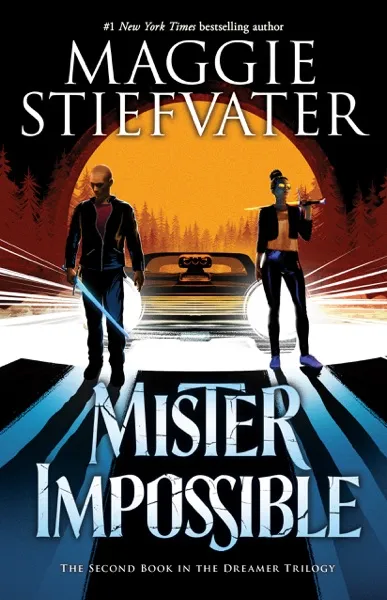

Mister Impossible Author: Maggie StiefvaterPage Count: UnknownPublication Year: 2020-GB Mister Impossible – Review Maggie Stiefvater’s Mister Impossible (2020) is the kind of book that feels like a summer storm: loud, dazzling, and impossible to look away from. It’s the second installment in the Dreamer Trilogy, and if the first book, Call Down the Hawk, introduced us to a world where creativity is a raw, almost violent force, this follow-up digs deeper, unearthing the emotional wreckage left behind by those who dare to wield it. At its core, Mister Impossible is about art as both salvation and catastrophe. The story follows Ronan Lynch, the enigmatic dreamer with the ability to pull things from his dreams into reality, as he grapples with the consequences of his power. But Stiefvater doesn’t just stop at the spectacle of a boy conjuring cars or guns out of thin air—she dissects what it means to create when creation demands a terrible price. Ronan’s art isn’t just a gift; it’s a hemorrhage. Every masterpiece he pulls from the ether comes with a memory, a ghost, a piece of his soul left behind in the dream world. The novel asks: What does an artist owe their art? And what does art owe the artist? The theme is universal—anyone who has ever stared at a blank page or an empty canvas knows the agony of creation—but Stiefvater makes it visceral. Ronan isn’t just a prodigy; he’s a wreck, a boy who has spent his life running from the weight of his own mind. His journey in this book isn’t about defeating his demons; it’s about learning to live with them, to shape them into something that doesn’t destroy him. The prose is lush, almost cinematic in its vividness, painting Ronan’s inner world with strokes that are both beautiful and brutal. When he dreams, the pages come alive with a sensory richness that makes the dream world feel more real than the waking one. Stiefvater’s style is what truly elevates Mister Impossible from a good story to a great one. She has a rare ability to balance the lyrical with the raw, the magical with the mundane. Her sentences often read like poetry, but they never sacrifice clarity for beauty. Take this line, for example: "The night was a living thing, and it breathed against his skin." It’s not just evocative—it’s true in a way that resonates with anyone who has ever felt the night as both a comfort and a threat. Yet, alongside these poetic flourishes, Stiefvater grounds the story in gut-punch realism. Ronan’s struggles aren’t just about magic; they’re about grief, guilt, and the slow, painful process of healing. His relationship with his brother Declan, fraught with resentment and love, is one of the most authentic portrayals of sibling dynamics in modern YA fiction. The novel also deepens its exploration of the Lynch brothers’ legacy, particularly the shadow cast by their father, Bryde—a figure who looms large even in absence. Bryde isn’t just a deadbeat dad; he’s a philosophical question mark, a man who believed art was a currency to be spent without remorse. His philosophy—that creativity demands sacrifice, and sacrifice demands blood—haunts Ronan, and the book forces him (and the reader) to confront whether there’s another way. It’s a theme that resonates in a world where artists are often expected to suffer for their craft, where the myth of the "tortured genius" still lingers like a curse. Stiefvater’s world-building is another standout. The dream world, the Barns, is a character in its own right—shifting, dangerous, and seductive. It’s a place where Ronan’s fears and desires take physical form, where the boundaries between reality and dream blur until they’re indistinguishable. The setting isn’t just a backdrop; it’s a reflection of Ronan’s psyche, a place where he’s forced to confront the parts of himself he’s spent his life running from. But perhaps the most compelling aspect of Mister Impossible is its refusal to offer easy answers. Ronan isn’t a hero who overcomes his demons; he’s a boy learning to carry them. His growth isn’t about triumph; it’s about endurance. The book doesn’t wrap things up neatly, and that’s what makes it so powerful. Life, Stiefvater seems to say, isn’t about solving problems—it’s about living with them. In a literary landscape where so many YA novels are content to chase trends, Mister Impossible is a reminder of what the genre can achieve when it dares to be bold. It’s a story about art, about grief, about the cost of creation, and about the messy, beautiful process of becoming human. Maggie Stiefvater has crafted something rare here—a book that’s as thought-provoking as it is entertaining, as haunting as it is hopeful. If Call Down the Hawk was the spark, Mister Impossible is the inferno—wild, unpredictable, and impossible to ignore. #MisterImpossible #MaggieStiefvater #DreamerTrilogy #RonanLynch #YAFantasy #BookReview Related InsightsCompensation Book Review and Summary Skyward Flight Book Review and Summary Red Ant's Head Book Review and Summary{ "@context": "https://schema.org", "@type": "FAQPage", "mainEntity": [ { "@type": "Question", "name": "What is the main focus of Mister Impossible Book Review and Summary?", "acceptedAnswer": { "@type": "Answer", "text": "Everything you need to know about Mister Impossible with our detailed review." } }, { "@type": "Question", "name": "Who authored the comprehensive guide on Mister Impossible Book Review and Summary?", "acceptedAnswer": { "@type": "Answer", "text": "This detailed article and its insights were carefully researched and authored by Anna Kowalska." } }, { "@type": "Question", "name": "Where can I find more related content about Books?", "acceptedAnswer": { "@type": "Answer", "text": "You can explore more articles, detailed reviews, and similar insights by browsing the Related Insights section at the bottom of this article or visiting our dedicated Books category page." } } ] }