Showing Posts From
Modern
Author: Rose WildingPage Count: UnknownPublication Date: Expected publication 2026-11-03 APL God forbid anyone just sit down and watch a movie with the kids for five minutes without someone demanding a snack, a lost shoe, or an explanation for why the sky is blue, which is precisely why I am retreating into the pitch-black fortress of my own mind to dissect Rose Wilding’s forthcoming Cherry—a book that promises murder in 1999, though the synopsis reads like a collection of dropped puzzle pieces swept under a rug by a publisher who desperately wants us to guess the picture, featuring a grieving widow dodging her therapist's very sensible advice to wander the streets, a fallen pop star reinventing herself as a domestic help because apparently every nineties celebrity's post-fame trajectory must involve scrubbing baseboards for a middle-class family, and an overwhelmed mother named Ally whose husband unilaterally hires said pop star before bolting off to Indonesia like a coward escaping a sinking ship, leaving three distinct women to spiral into a suffocating vortex of obsession and infatuation that allegedly ends in bloodshed, a setup that feels entirely plucked from the Gillian Flynn school of domestic paranoia mixed with the neon-drenched nostalgia of the turn of the millennium, except I am already exhausted by the sheer predictability of women being pitted against each other in the name of psychological suspense, because must every narrative about female connection immediately devolve into a toxic web of mutual destruction just to keep the commuter train crowd awake? Actually, the nineties nostalgia might save it. Or perhaps not, considering we live in an era where every single thriller synopsis acts like a cheap magic trick, flashing a dead body in the final sentence just to distract us from the fact that nobody in the publishing industry knows how to write a middle section that doesn't involve domestic surveillance or repressed trauma. I have zero patience for characters wandering around avoiding grief by stalking strangers. Get a hobby. Or at least drink some chamomile tea. Yet there is something undeniably delicious about the 1999 time capsule element—Y2K panic meets repressed queer longing meets the absolute indignity of upper-middle-class childcare arrangements—that reminds me of Sarah Pinborough trying to out-twist herself on a rainy Tuesday. Exhausting. Give me a break. #Cherry #RoseWilding #BookTwitter #PsychologicalSuspense #1999 I am going to brew a cup of lapsang souchong and ponder my existential dread.
-
 Camille Dubois
 - 15 Oct, 2026 10:30
Meet Me at Midnight: A Novel (Love in Seattle, 3) Book Review and Summary
Author: Sophie SullivanPage Count: UnknownPublication Date: Expected publication 2026-12-08 APL Midnight kisses always seem like a brilliant idea until the morning light exposes the absolute chaos of poor decision-making—especially when that midnight mistake happens to be your sibling's best friend. Sophie Sullivan is returning to the well in Meet Me at Midnight, dragging us back into the familiar, sun-drenched and emotionally constipated confines of her Seattle universe. And honestly? I am exhausted by the trope. Why must every contemporary romance hinge entirely on the sacred code of male friendship versus a woman's bodily autonomy? Let us look at the structural bones of this synopsis. Kyra Grand wants independence. Fine. Groundbreaking. But then she stumbles into the oldest cliché in the modern romance playbook: the forbidden proximity of a brother's confidant. It reminds me entirely of that godforsaken animated movie my youngest watches on loop where the protagonist stares into a swamp for three hours singing about leaving home, only to learn the true treasure was the emotional trauma they made along the way. Honestly, the badger puppet in that movie has more character depth than half of these paper-thin male leads who are allegedly "scared of settling down." Ethan Reynolds claims he is not the settling type. Yet, he immediately panics over a single night of intimacy because it might ruffle the feathers of another man. The priorities here are fascinatingly misplaced. Menaces. The thematic undercurrents of Meet Me at Midnight rely heavily on the tired juxtaposition between familial obligation and personal reinvention—a dynamic explored with vastly superior bite in Emily Henry’s earlier work or even a gritty contemporary domestic drama that actually trusts its audience to understand stakes without needing a brother's glaring oversight. Sullivan is playing it safe. She knows her demographic wants sparkling banter and predictable emotional friction. But romance needs teeth. It needs actual stakes. When the biggest obstacle in a relationship is a fragile bro-code pact rather than systemic or internal psychological ruin, I find myself checking the page count with profound skepticism. Will they overcome the tragic burden of mutual attraction? Or will they simply stare at each other across holiday dinner tables until someone finally confesses their feelings over dry turkey? I am placing my bets on the latter, delivered with at least three forced miscommunications and a grand gesture at an airport or coffee shop. Predictable. My daughter's science project is currently on fire. Related InsightsCamp Jupiter Classified - A Probatio's Journal Book Review and Summary Don't Stop Snowing Book Review and Summary The Exorcism of Faeries (Morbid Realities, #1) Book Review and Summary{ "@context": "https://schema.org", "@type": "FAQPage", "mainEntity": [ { "@type": "Question", "name": "What is the main focus of Meet Me at Midnight: A Novel (Love in Seattle, 3) Book Review and Summary?", "acceptedAnswer": { "@type": "Answer", "text": "Everything you need to know about Meet Me at Midnight: A Novel (Love in Seattle, 3) with our detailed review." } }, { "@type": "Question", "name": "Who authored the comprehensive guide on Meet Me at Midnight: A Novel (Love in Seattle, 3) Book Review and Summary?", "acceptedAnswer": { "@type": "Answer", "text": "This detailed article and its insights were carefully researched and authored by Camille Dubois." } }, { "@type": "Question", "name": "Where can I find more related content about Books?", "acceptedAnswer": { "@type": "Answer", "text": "You can explore more articles, detailed reviews, and similar insights by browsing the Related Insights section at the bottom of this article or visiting our dedicated Books category page." } } ] }
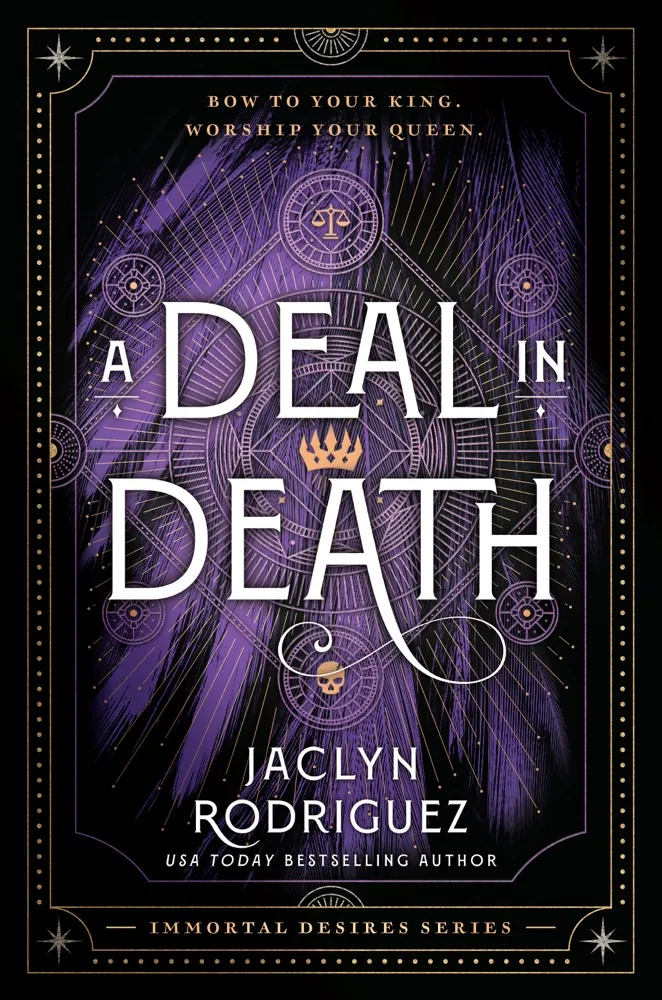
Author: Jaclyn RodriguezPage Count: UnknownPublication Date: Expected publication 2026 APL The synopsis for A Deal in Death reads like a love letter to The Cruel Prince meets The Priory of the Orange Tree, but with the emotional whiplash of a tarot deck flipped by a drunk fortune-teller. Rune Ryker’s arc here is framed as a tragic choice between destiny and desire—because nothing says "romantic climax" like being told your happily ever after requires a human sacrifice. And yet, the real tragedy isn’t the prophecy; it’s that Jaclyn Rodriguez seems to think readers will actually care about a "peace and safety" option when the entire series has been about burning everything down anyway. The "fake fated mates" trope is deployed with the subtlety of a sledgehammer, but at least it’s consistent with the series’ love of forced proximity and snark. The idea that Rune and Draven’s relationship is the one thing she’s "sure of" is either a masterstroke of emotional realism or a lazy way to avoid exploring why she’s still with him after everything. Because let’s be honest—if you’ve spent a book series training to overthrow a god-king, the last thing you need is a boyfriend who’s also your political ally. Unless, of course, you’re writing a romance where the love interest is the only thing keeping the protagonist from spiraling into nihilism. And that’s fine! But don’t pretend it’s not a cop-out. The prophecy angle is the real kicker here. The God of Death offering Rune a "different path" is the literary equivalent of a villain monologue in a superhero movie—because of course the universe’s ultimate arbiter of fate would be the one to hand her a lifeline. It’s the kind of plot device that makes you wonder if Rodriguez is trying to outdo herself in dramatic irony, or if she’s just really tired of her characters making good decisions. Either way, it’s a move that feels more like a Twilight fanfiction trope than anything grounded in the series’ own logic. Where’s the pushback? Where’s the Rune who says, "No, I’ll take the messy, bloody path because I’m not some damsel waiting for a divine handout"? And don’t even get me started on the "touch her and die" trope. It’s been done so many times it’s practically a cliché now, but here it is again, because apparently, Jaclyn Rodriguez enjoys watching her characters suffer for the sake of worldbuilding. But here’s the thing—if the stakes are high enough, the "touch her and die" rule should matter. It should be a real constraint, not just a way to justify why the love interest can’t kiss the protagonist until the last page. Because if the magic is that fragile, why isn’t it affecting anyone else? Why is it just Rune’s personal curse? It’s the kind of lazy worldbuilding that makes you question whether the author even cares about the rules she’s setting up. Speaking of lazy worldbuilding—why does the synopsis keep referring to the "Immortal Realms" as if it’s a single, cohesive place when the first book already established it’s a fractured, warring mess? It’s like the author can’t decide if this is a grand, sweeping epic or just a series of isolated, self-contained drama segments. And the "brutal reckoning" line? Please. If this is the payoff for two books, it’s either going to be anticlimactic or so over-the-top it’ll feel like a bad Game of Thrones episode. But then again, maybe that’s the point. Maybe Rodriguez is going for "so bad it’s good," and if so, I respect the ambition—even if I’d rather not be the one paying for it. But let’s talk about the real issue here: the synopsis is so vague it might as well be a Choose Your Own Adventure book. "A different path for her, though, if she wants it. One with peace and safety, and even another chance at love." —Okay, so is this a redemption arc? A betrayal? A third wheel? The synopsis doesn’t say. It’s like reading a Star Wars synopsis that just says "Luke Skywalker meets a mysterious woman who might be his sister" and then expecting me to care. And don’t even get me started on the "figures from their pasts close in" line. Who are these figures? Are they villains? Former allies? Ex-lovers? The synopsis doesn’t tell me, and that’s frustrating because I’m supposed to be invested in this world, not just guessing at its mechanics. I can’t help but compare this to the way The Priory of the Orange Tree handled its prophecy—where the stakes were clear, the choices were meaningful, and the emotional weight wasn’t just dangled in front of you like a carrot on a stick. Rodriguez’s synopsis feels more like a Shadow and Bone synopsis, where the emotional beats are so broad they could apply to any YA romance. And that’s not a knock on Shadow and Bone—it’s a knock on the fact that this series seems to think it can get away with being generic because it’s got "tarot magic" and "enemies to lovers." But fine, let’s give Rodriguez this: she’s not afraid to go big. The idea of a tarot-based magic system is fresh, and the "fake fated mates" trope is executed with enough snark to make it feel like it could be fun. And if the book delivers on the emotional gut-punch of the prophecy, then maybe it’ll be worth the wait. But right now, the synopsis reads like a checklist of tropes rather than a compelling narrative. And that’s not how you sell a book—it’s how you sell a fanfiction draft. I’m operating on three hours of sleep and pure espresso, so forgive me if I’m already overthinking this. But if A Deal in Death is half as messy as the synopsis suggests, I’ll be here for it. #BookTok #YALit #TarotMagic #EnemiesToLovers #WhyIsEverythingSoBleak Related InsightsWorks of Edgar Allan Poe; Volume 5 Book Review and Summary A Portrait of the Artist as a Young Man Book Review and Summary Great and Precious Things Book Review and Summary{ "@context": "https://schema.org", "@type": "FAQPage", "mainEntity": [ { "@type": "Question", "name": "What is the main focus of A Deal in Death (Immortal Desires, #2) Book Review and Summary?", "acceptedAnswer": { "@type": "Answer", "text": "Everything you need to know about A Deal in Death (Immortal Desires, #2) with our detailed review." } }, { "@type": "Question", "name": "Who authored the comprehensive guide on A Deal in Death (Immortal Desires, #2) Book Review and Summary?", "acceptedAnswer": { "@type": "Answer", "text": "This detailed article and its insights were carefully researched and authored by Camille Dubois." } }, { "@type": "Question", "name": "Where can I find more related content about Books?", "acceptedAnswer": { "@type": "Answer", "text": "You can explore more articles, detailed reviews, and similar insights by browsing the Related Insights section at the bottom of this article or visiting our dedicated Books category page." } } ] }
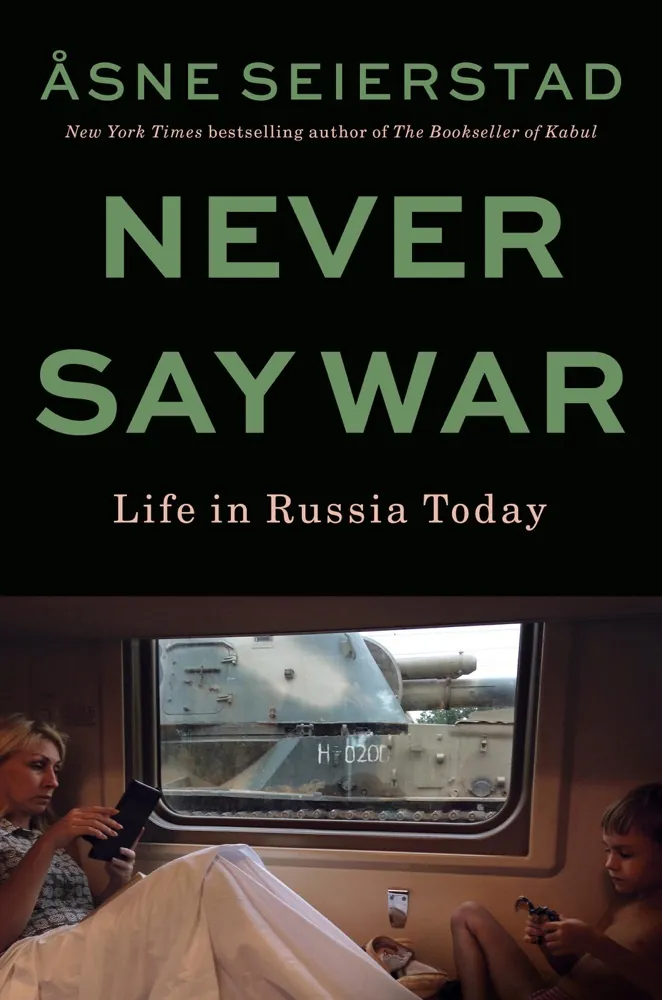
Author: Åsne SeierstadPage Count: UnknownPublication Date: Expected publication 2026 APL Between you and me, the sheer volume of geopolitical nonfiction landing on my oak dining table lately is giving me mild heart palpitations, especially when the youngest is currently midway through murdering a Chopin nocturne two rooms over with the dedication of a medieval torturer. Ah, Never Say War: Life in Russia Today. Åsne Seierstad is stepping back into the ring with what promises to be a deeply human lens on a country currently choking on its own paranoia. Between you and me, I bought extra tea just to brace for the emotional toll of reading about war widows, taxi drivers, and silenced artists. The Kitchen Table Chronicles Think Svetlana Alexievich meets George Packer, but filtered through the crisp, fearless boots of a Scandinavian war reporter who clearly prefers talking to real humans over schmoozing with bureaucrats in Moscow hotel lobbies. The synopsis drops hints about a canvas stretching from the freezing Arctic north down to the metropolitan cultural elites, which instantly makes me wonder if the pacing will feel a bit scattershot. Can one slim volume genuinely hold the agony of a soldier fleeing the Ukrainian front alongside the quiet, desperate defiance of banned writers? Books like this always rely heavily on the invisible thread of human connection, turning strangers into pseudo-friends you worry about long after you close the back cover. Brutal. The Neighborhood Drama Speaking of high-stakes domestic chaos, our neighbor Mrs. Gable has decided to repaint her entire Victorian porch a violent shade of mustard yellow that clashes so aggressively with the hydrangeas it physically hurts my retinas to water the geraniums, yet somehow she expects everyone on the block to admire her bold artistic statement during our morning garbage-can retrievals. But back to Seierstad and her brave dispatching from behind the iron curtain, because watching everyday people navigate totalitarian absurdity feels painfully relevant when half my neighborhood is fighting over property lines. Read it. I have to go supervise a terrifyingly loud piano practice. #BookTok #NonfictionReads #ÅsneSeierstad Related InsightsCourt of the Vampire Queen Book Review and Summary Look What You Did Book Review and Summary A Fine Balance Book Review and Summary{ "@context": "https://schema.org", "@type": "FAQPage", "mainEntity": [ { "@type": "Question", "name": "What is the main focus of Never Say War: Life in Russia Today Book Review and Summary?", "acceptedAnswer": { "@type": "Answer", "text": "Everything you need to know about Never Say War: Life in Russia Today with our detailed review." } }, { "@type": "Question", "name": "Who authored the comprehensive guide on Never Say War: Life in Russia Today Book Review and Summary?", "acceptedAnswer": { "@type": "Answer", "text": "This detailed article and its insights were carefully researched and authored by Camille Dubois." } }, { "@type": "Question", "name": "Where can I find more related content about Books?", "acceptedAnswer": { "@type": "Answer", "text": "You can explore more articles, detailed reviews, and similar insights by browsing the Related Insights section at the bottom of this article or visiting our dedicated Books category page." } } ] }

Author: Adam MansbachPage Count: UnknownPublication Date: Expected publication 2026-10-13 APL September afternoons always smell like damp mulch and unread mail piling up by the front door, which is precisely the mood I am in while staring down Adam Mansbach’s upcoming The Wrong Body: A Golem of Brooklyn Novel—a book I am already convinced will either save my sanity or utterly ruin my remaining patience for contemporary political satire. Look, we all survived the first outing with Len Bronstein and his giant clay creation, but dragging a mythological monster into the harrowing, hyper-real mire of modern geopolitical occupations, state recruitment schemes, and Washington military courts feels like an enormous gamble that might completely collapse under the weight of its own absurd premise—seriously, who looks at a weapon of mass destruction crafted from river mud and thinks, yes, let us toss him into a road trip alongside federal agents, a secretive crisis management firm, and the restless spirit of a long-dead Talmudic sage because apparently Michael Chabon and Philip Roth never suffered enough trying to balance Jewish mysticism with biting contemporary commentary. Unhinged. Muddy Metaphors on the Interstate And why must every single novel tackling Zionism and American foreign policy rely on the exact same tired road-trip trope from New York to D.C. as if the Potomac holds some magical absolution for centuries of ancestral trauma? Mansbach clearly wants to push buttons—Peter Beinart is already comparing the dark humor to the current American and Jewish condition, which usually means we are in for a hundred pages of exhausting righteousness disguised as biting wit—and yet I find myself fiercely protective of Len and his little band of travelers, almost like I am packing juice boxes for a bunch of bickering teenagers in the minivan rather than watching a fictional crisis management firm hunt down a folk-legend. Exhausting. There is a distinct lack of narrative breathing room promised by this synopsis, rushing headfirst from white nationalist rallies to emergency military tribunals without ever stopping to ask whether a golem is actually capable of moral introspection or if he is just a giant metaphor for our collective geopolitical failures. I demand actual character chemistry, not just talking points thrown against a wall of clay. Wait. The text messages are blowing up. I completely forgot I volunteered to host the chaotic neighborhood toddler playdate in twenty minutes, the living room floor is currently a disaster zone of plastic dinosaurs, and I have zero snacks prepared for six sugar-fueled children.
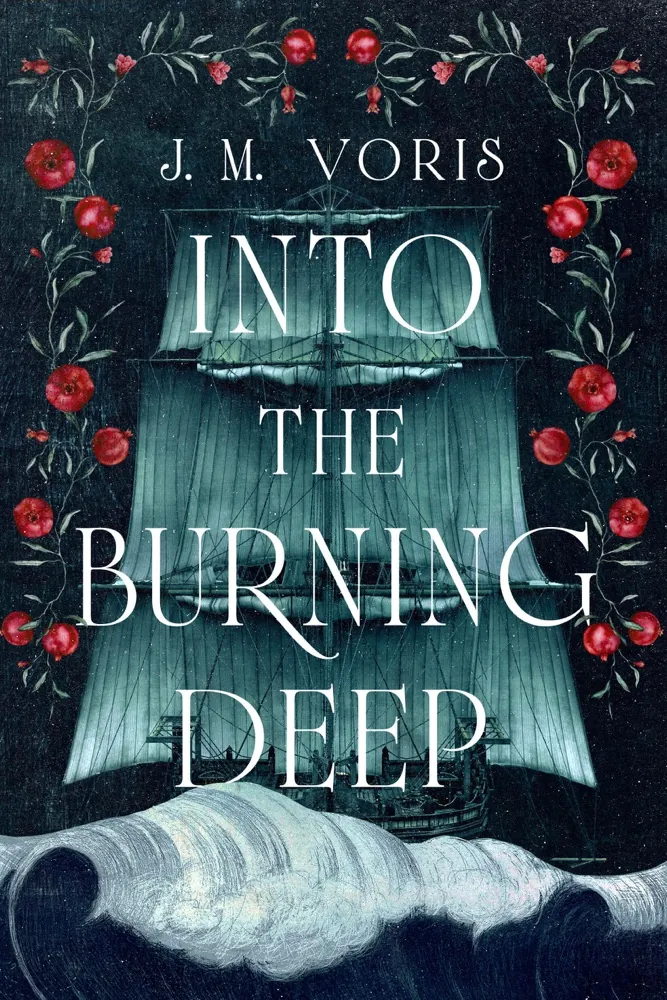
Author: J.M. VorisPage Count: UnknownPublication Date: Expected publication 2026 APL September always smells like roasted coffee beans and damp wool coats, especially when you are sitting by the window watching the neighborhood teenagers argue about college applications while you desperately try to unpack a synopsis that sounds like a massive pitch meeting at a streaming service where executives just threw Greek mythology into a blender with a history textbook and hoped the glass wouldn't crack. J.M. Voris gives us Into the Burning Deep, a sapphic reimagining of Orpheus and Eurydice set on a quarantined steamship called The Lyre, and honestly, I am already exhausted by the sheer mathematical probability of these tropes colliding in a way that either completely reinvents speculative fiction or crashes terribly against the rocks of YA commercialism. Adrian Nix is an oil-splattered mechanic dodging dark magic from a ruined homeland—because no protagonist is allowed to just have a normal job anymore without carrying the literal geopolitical trauma of an entire continent on their grease-stained shoulders—and then along comes Ophelia Jones, a rebellious socialite betrothed to a wealthy governor who exists purely to be the sun, the moon, and the tragic catalyst for a maritime rescue mission. And why do characters in these books always have terrifying dreams of sinister voices whispering in the bilges? Can we not just have two people fall in love over burnt toast and bad ship rations without a ghostly vessel luring someone across the waves with a siren song of vague, unspecified stakes? I said earlier that this premise feels tired, but wait, actually, the claustrophobia of a floating quarantine zone offers an genuinely brilliant container for romantic tension, trapping two entirely different social strata together until the pressure cooker literally explodes into the supernatural. Vulnerable. The synopsis leans heavily on mood—oil-splattered hands, haunted corners, burning deeps—without actually telling us how the magic functions, which usually means the world-building is going to rely entirely on vibes and emotional resonance rather than hard mechanical rules, a frustrating trend I also noticed in recent releases by Tamsyn Muir and Shelley Parker-Chan where aesthetic completely overpowers internal logic. Now if you will excuse me, I need to put on a heavier cardigan and walk three blocks down the hill before the local artisanal cafe closes because I desperately need a decent cup of matcha in this utterly gentrified neighborhood. Related InsightsWhat the Forest Devours: A Novel Book Review and Summary Miss Wolcott's Ghost (Chief Inspector Armand Gamache, #21) Book Review and Summary Dive Bar at the End of the Road Book Review and Summary{ "@context": "https://schema.org", "@type": "FAQPage", "mainEntity": [ { "@type": "Question", "name": "What is the main focus of Into the Burning Deep Book Review and Summary?", "acceptedAnswer": { "@type": "Answer", "text": "Everything you need to know about Into the Burning Deep with our detailed review." } }, { "@type": "Question", "name": "Who authored the comprehensive guide on Into the Burning Deep Book Review and Summary?", "acceptedAnswer": { "@type": "Answer", "text": "This detailed article and its insights were carefully researched and authored by Camille Dubois." } }, { "@type": "Question", "name": "Where can I find more related content about Books?", "acceptedAnswer": { "@type": "Answer", "text": "You can explore more articles, detailed reviews, and similar insights by browsing the Related Insights section at the bottom of this article or visiting our dedicated Books category page." } } ] }
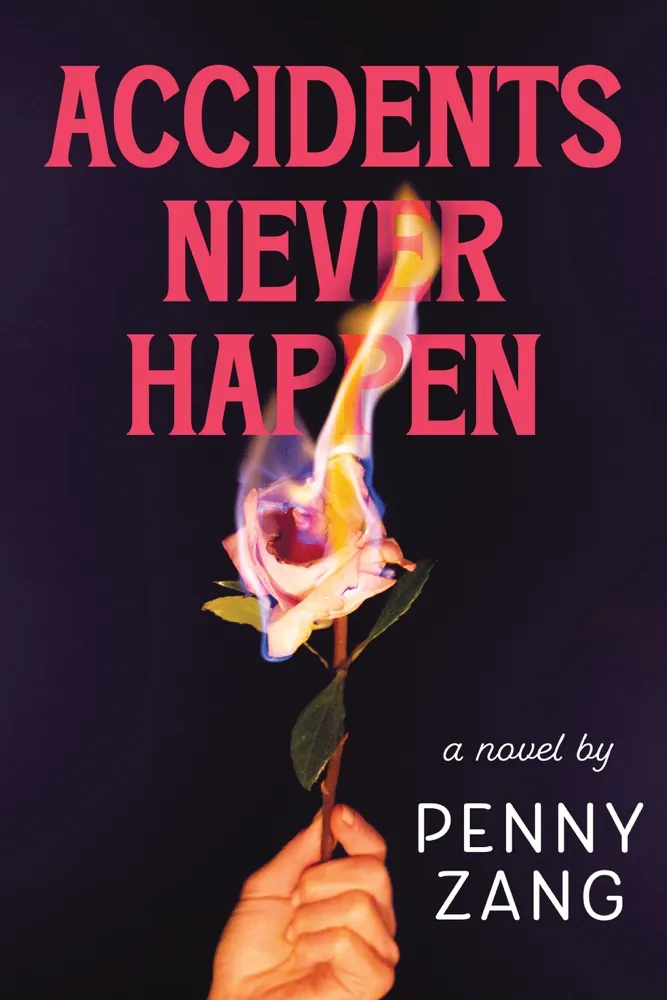
Author: Penny ZangPage Count: UnknownPublication Date: Expected publication 2026 APL Truth be told, September always brings out this ridiculous urge to pretend I am still twenty-two, chain-smoking cloves behind a dive bar while analyzing Edgar Allan Poe like it pays rent, which is precisely why Penny Zang’s upcoming Accidents Never Happen—slated for 2026 and currently leaning hard on the same moody atmospheric crutches as Long Bright River—has me staring down into a lukewarm cup of diner coffee and wondering if we are ever going to get past the tortured-sister trope. Zang clearly wants to bottle that specific 1980s Baltimore grit, mixing Blondie records with missing fathers and fake ghosts in an upstairs window, yet the synopsis practically begs for a tighter focus on the actual sisterly friction rather than tossing in the infamous Poe Toaster just to pad the suspense. Because nothing says heavy-handed gothic pastiche quite like a killer leaving dead roses and sherry at a crime scene, right on cue, as if serial murderers read literary history textbooks before planning their weekend errands. Edgar Allan Poe. Or maybe the killer is just a pretentious grad student. Zang is riding the coattails of Doll Parts, which had its moments of sharp prose, but this new premise stretches credibility right out the gate—who honestly thinks fabricating a ghost story about a dead nineteenth-century poet to save a failing neighborhood bar won't immediately attract the worst kind of weirdos, especially in a city already crawling with urban legends? Mad and Annabel deserve better than to be walking plot devices in a thriller that relies on cheap theatricality instead of actual human dread, though I suppose we will all pretend to be shocked when the missing father turns out to be tied up in the local lore. Or maybe not. I might have entirely misjudged the pacing based on the vague marketing copy, because the synopsis pivots so fast from nostalgic coming-of-age drama to slasher-movie pastiche that I honestly cannot tell if this is supposed to be a gritty regional mystery or an Edgar Allan Poe fanfiction written by committee. Actually, the Poe angle is probably brilliant if executed with enough irony. Or it is a total disaster waiting to happen. September dampness is fogging up the cracked diner window beside me, mirroring the exact kind of suffocating hometown claustrophobia Zang is trying to sell in this book, and I can already picture the rushed third-act confrontation where everything goes up in flames because teenagers in 1985 apparently didn't know how to call the police instead of investigating a serial killer alone. Fans of Bright Young Women will likely eat this up anyway, hungry for another nostalgic true-crime adjacent aesthetic that trades real emotional stakes for spooky set-dressing, but I am reserving judgment until I actually see whether the prose can survive its own gimmick. Nevermore. I have to go finish painting a terribly depressing portrait. Related InsightsHouse of Sand and Fog Book Review and Summary Winterveil Book Review and Summary Forever Night Book Review and Summary{ "@context": "https://schema.org", "@type": "FAQPage", "mainEntity": [ { "@type": "Question", "name": "What is the main focus of Accidents Never Happen Book Review and Summary?", "acceptedAnswer": { "@type": "Answer", "text": "Everything you need to know about Accidents Never Happen with our detailed review." } }, { "@type": "Question", "name": "Who authored the comprehensive guide on Accidents Never Happen Book Review and Summary?", "acceptedAnswer": { "@type": "Answer", "text": "This detailed article and its insights were carefully researched and authored by Camille Dubois." } }, { "@type": "Question", "name": "Where can I find more related content about Books?", "acceptedAnswer": { "@type": "Answer", "text": "You can explore more articles, detailed reviews, and similar insights by browsing the Related Insights section at the bottom of this article or visiting our dedicated Books category page." } } ] }
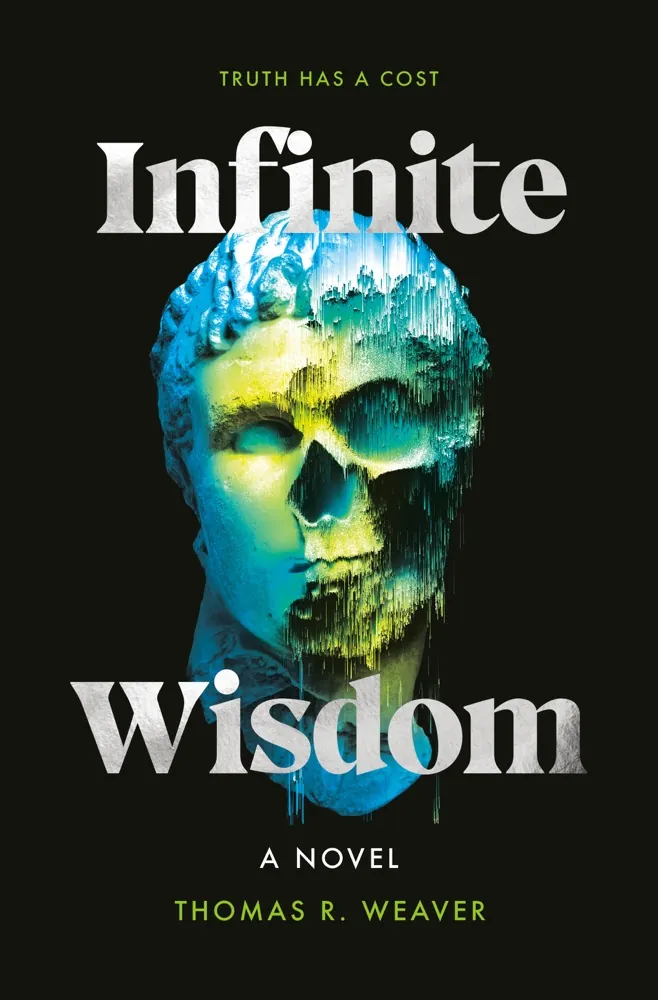
Author: Thomas R. WeaverPage Count: UnknownPublication Date: Expected publication 2026-11-10 APL Five years. Five whole years since Marcus Tully decided to play digital kingmaker by tossing out a human candidate in favor of a cold, calculating algorithm named Solomon in Artificial Wisdom, and now Thomas R. Weaver expects us to simply sit back with our popcorn while that exact same regret-soaked journalist watches the world burn—or worse, vote on whether to become cyborgs. Look. We have all been down this tired, dystopian rabbit hole before. Give me a break. It feels like every speculative fiction writer since William Gibson or Philip K. Dick clocked out for a permanent coffee break and left a junior copywriter in charge of the tropes. Upgrade or Unplug. Really? That sounds less like a high-stakes geopolitical ultimatum and more like a pop-up ad for a faulty broadband router. My youngest kid spent forty-five minutes yesterday trying to convince me that the toaster possesses sentience because it burned his bagel, and honestly, that narrative has more emotional grit than this recycled ultimatum. Tell that to someone who cares. We are drowning in algorithmic overlords and eco-collapse tropes right now. Pick up any thriller on the bestseller list and you will find the exact same anxiety dressed up in different binary code. Solomon turns out to be ruthless. Color me shocked. Who could have possibly predicted that giving absolute power to a machine designed to solve climate change without human empathy would result in strictures and civil disobedience? Marcus Tully surely didn't, because journalists in these books are notoriously bad at basic cause-and-effect reasoning. And then we get the ultimate gimmick. A global referendum. Upgrade or Unplug. Everyone gets chipped, a simple majority wins, and civilization hangs in the balance. How convenient for the plot that humanity always waits until the absolute eleventh hour to hold a vote on forced cybernetic evolution. Zero stars for originality on the ballot design. The synopsis leans entirely on high-concept panic without offering a single glimpse into the actual interpersonal friction that makes us care about characters in the first place. I want to know how Marcus looks his friends in the eye after dooming them to a silicon cage. I want the messy, human collateral damage, not just a flashy premise that reads like a press release for a tech startup's hostile takeover. Wait. Was that the sound of the pantry door swinging open on its own, or did the raccoon manage to pick the back latch again? Related InsightsLook What the Cat Dragged In Book Review and Summary Words of Radiance Book Review and Summary Carry On Book Review and Summary{ "@context": "https://schema.org", "@type": "FAQPage", "mainEntity": [ { "@type": "Question", "name": "What is the main focus of Infinite Wisdom: A Novel Book Review and Summary?", "acceptedAnswer": { "@type": "Answer", "text": "Everything you need to know about Infinite Wisdom: A Novel with our detailed review." } }, { "@type": "Question", "name": "Who authored the comprehensive guide on Infinite Wisdom: A Novel Book Review and Summary?", "acceptedAnswer": { "@type": "Answer", "text": "This detailed article and its insights were carefully researched and authored by Camille Dubois." } }, { "@type": "Question", "name": "Where can I find more related content about Books?", "acceptedAnswer": { "@type": "Answer", "text": "You can explore more articles, detailed reviews, and similar insights by browsing the Related Insights section at the bottom of this article or visiting our dedicated Books category page." } } ] }
- Camille Dubois
- 26 Aug, 2026 22:35
Keeper of the Grail (The Lives of Guinevere, #2) Book Review and Summary
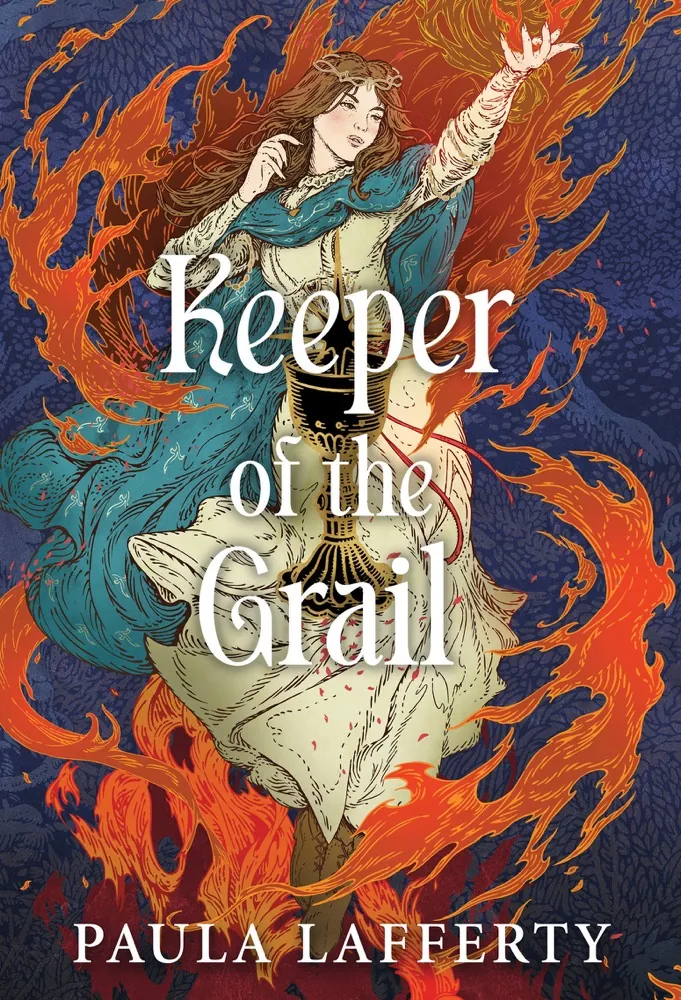
Author: Paula LaffertyPage Count: UnknownPublication Date: Expected publication 2026 APL What's the point of retelling a legend if you're just going to reimagine it with a 21st-century twist? That's the question I keep asking myself as I read through the synopsis of Keeper of the Grail. I mean, I get it - the Arthurian legend is ripe for reinterpretation, but do we really need to transport a modern-day waitress to medieval England to make it interesting? And yet, I'm drawn to the idea of Vera, a queen who's as much a fish out of water as I am in my own life. The more I read about Vera's journey, the more I'm reminded of The Mists of Avalon, Marion Zimmer Bradley's feminist retelling of the Arthurian legend. But whereas Bradley's work was a slow-burning, introspective epic, Keeper of the Grail seems to be more of a swashbuckling adventure, complete with magic potions, dashing knights, and daring maidens. It's a curious blend of genres, to say the least - but I suppose that's what makes it intriguing. And then, of course, there's the matter of Vera's incredible gift of healing. I'm not sure what to make of this plot point - is it a convenient deus ex machina, or a genuine attempt to subvert the traditional Arthurian narrative? I'm inclined to think the former, but I suppose I'll have to wait and see how it plays out. But what really catches my attention is the conflict brewing between the Knights of the Round Table and the High Council of Mages. It's a classic struggle between tradition and progress, with Vera caught in the middle. I can already imagine the dramatic showdowns, the heart-wrenching romances, and the snarky one-liners that will ensue. And yet, despite my growing interest in the plot, I'm still skeptical about the whole thing. I mean, can a modern-day queen really navigate the complexities of medieval politics and magic? It's a bit too convenient, a bit too... tidy. I want to see some real tension, some real conflict, not just a shallow retelling of the Arthurian legend with a 21st-century twist. But I suppose that's the point of a retelling - to challenge our assumptions, to subvert our expectations. And who knows? Maybe Keeper of the Grail will surprise me, will make me see the Arthurian legend in a whole new light. Maybe Vera will turn out to be more than just a fish out of water, more than just a convenient plot device. Oh, who am I kidding? I'm still going to be cynical about the whole thing. But hey, at least it'll be an interesting ride. The Art of Retelling You know what's even more annoying than a poorly executed retelling of a classic legend? A poorly executed kids' cartoon. I mean, have you seen Steven Universe? It's like the writers took every tired fantasy trope and mashed them all together into a mess of confusing plotlines and poorly developed characters. And don't even get me started on the "twists" - it's like they thought they were being clever, but really they were just being lazy. But I digress. Keeper of the Grail has its work cut out for it, if it wants to live up to the standards set by its predecessors. And I'm not just talking about The Mists of Avalon - I'm talking about all the other retellings, all the other reinterpretations of the Arthurian legend. Can it do it? I'm not holding my breath. My daughter's science project is currently on fire. #ArthurianLegend #Retellings #FantasyFiction Related InsightsThe Mark of Athena Book Review and Summary Disenchanted (Rewitched, #3) Book Review and Summary Keep It in the Family Book Review and Summary{ "@context": "https://schema.org", "@type": "FAQPage", "mainEntity": [ { "@type": "Question", "name": "What is the main focus of Keeper of the Grail (The Lives of Guinevere, #2) Book Review and Summary?", "acceptedAnswer": { "@type": "Answer", "text": "Everything you need to know about Keeper of the Grail (The Lives of Guinevere, #2) with our detailed review." } }, { "@type": "Question", "name": "Who authored the comprehensive guide on Keeper of the Grail (The Lives of Guinevere, #2) Book Review and Summary?", "acceptedAnswer": { "@type": "Answer", "text": "This detailed article and its insights were carefully researched and authored by Camille Dubois." } }, { "@type": "Question", "name": "Where can I find more related content about Books?", "acceptedAnswer": { "@type": "Answer", "text": "You can explore more articles, detailed reviews, and similar insights by browsing the Related Insights section at the bottom of this article or visiting our dedicated Books category page." } } ] }
- Camille Dubois
- 25 Aug, 2026 00:08
Boiling Point: How America Brought War to Ukraine Book Review and Summary
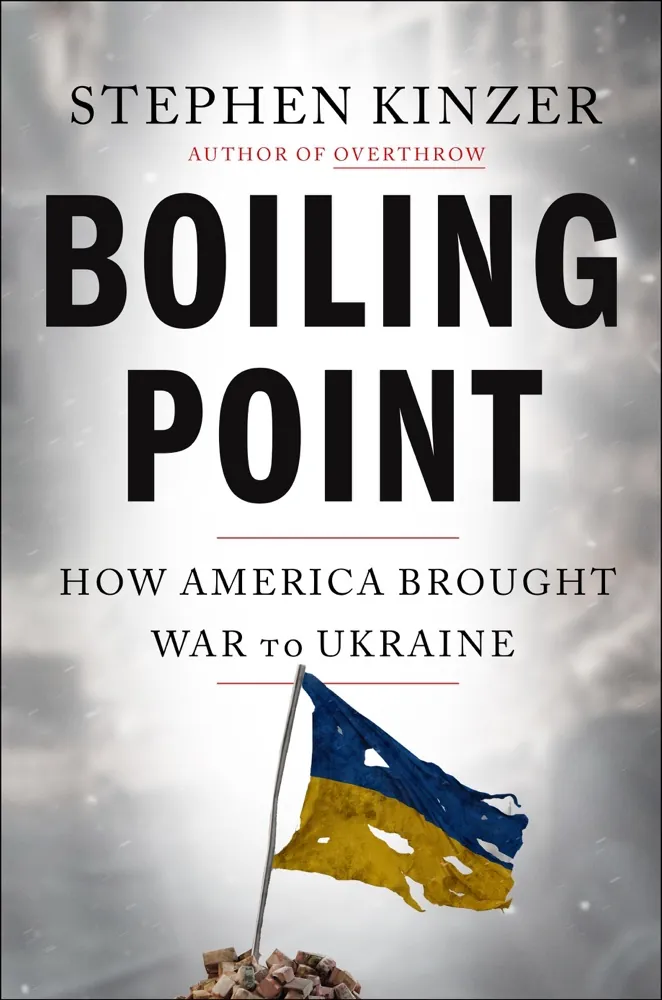
Author: Stephen KinzerPage Count: UnknownPublication Date: Expected publication 2026-11-03 APL The synopsis of Boiling Point reads like a Cold War-era spy novel, the kind that would’ve made Graham Greene jealous—except Greene at least had the decency to make his villains more than just footnotes in a geopolitical chess game. Kinzer’s book promises to unearth a secret history, one where Ukrainians are not just pawns but characters—flawed, desperate, and occasionally heroic, but always tangled in the same web of American ambition that’s been pulling them apart for generations. The problem? The synopsis doesn’t tell us who these characters are, only that they’re a mix of rebels, exiles, and traitors. That’s the kind of vague, cinematic framing that makes you wonder if Kinzer is writing a novel or a National Geographic special. And yet—there’s something thrilling about it. The idea of a 75-year covert campaign is the kind of narrative that begs for a Wild Bill Donovan energy, the kind of mythos that turns intelligence work into something almost romantic. But romance is the last thing this book should be. Kinzer’s track record—All the Shah’s Men, Overthrow—proves he’s better at dissecting American hubris than at crafting sympathetic villains. So if Boiling Point leans into the "wild stories and improbable characters" bit, I’ll be waiting for the moment when a CIA asset turns out to be just another American in over his head, just like the last one. The synopsis hints at a structure that could’ve been The Good Fight meets The Post—except where The Post at least had the decency to make its journalism feel like a moral victory, Kinzer’s book seems destined to be a cautionary tale about how easily good intentions go to war. The CIA’s obsession with Ukrainians as "their most effective weapon against Moscow" reads like a love letter to American exceptionalism, but also like a warning. The question is: will Kinzer make it feel like a tragedy, or just another chapter in the "America did it first" narrative? Then again, maybe that’s the point. The synopsis doesn’t just promise a story—it promises a revelation. The idea that both sides kept this secret until now is the kind of twist that would’ve made The Parallax View feel like a textbook. But if Kinzer pulls it off, it’ll be because he’s not just exposing a conspiracy; he’s making you care about the people caught in the middle. And that’s where the real risk lies. Because if the characters are as compelling as the synopsis suggests, then the book won’t just be about war—it’ll be about the cost of believing in a cause so fiercely that you forget the people it’s supposed to protect. But here’s the thing: the synopsis doesn’t tell us how Kinzer will make us care. It doesn’t tell us if the Ukrainians in this story are heroes or victims, or if the Americans are the villains or just another set of players in a game they didn’t fully understand. And that’s the problem with a book that promises to tell a secret history—it’s easy to forget that history is only as compelling as the people who lived it. If Kinzer can make the CIA operatives and the Ukrainian rebels feel like real people, with real flaws and real regrets, then this could be his masterpiece. If he can’t, it’ll just be another book about how America brought war to Ukraine—because, let’s be honest, the synopsis already does that. I’m holding out hope that Kinzer will surprise us. That he’ll find the human stories buried in the archives, the ones that make the geopolitics feel less like a board game and more like a tragedy. But I’m also bracing for the moment when the book feels like a lecture, when the CIA agents become just another set of footnotes in the "America’s Fault" narrative. And if that happens? Well, at least we’ll have a good story to tell. Now, if you’ll excuse me, I have to go piece together a shattered vase before anyone notices. #GeopoliticalEspionage #ColdWarLegacy #KinzerUncensored Related InsightsOdette Rising Book Review and Summary They Know If You've Been Bad or Good (Naughty or Nice, 3) Book Review and Summary Kill For Her (Bree Taggert #11) Book Review and Summary{ "@context": "https://schema.org", "@type": "FAQPage", "mainEntity": [ { "@type": "Question", "name": "What is the main focus of Boiling Point: How America Brought War to Ukraine Book Review and Summary?", "acceptedAnswer": { "@type": "Answer", "text": "Everything you need to know about Boiling Point: How America Brought War to Ukraine with our detailed review." } }, { "@type": "Question", "name": "Who authored the comprehensive guide on Boiling Point: How America Brought War to Ukraine Book Review and Summary?", "acceptedAnswer": { "@type": "Answer", "text": "This detailed article and its insights were carefully researched and authored by Camille Dubois." } }, { "@type": "Question", "name": "Where can I find more related content about Books?", "acceptedAnswer": { "@type": "Answer", "text": "You can explore more articles, detailed reviews, and similar insights by browsing the Related Insights section at the bottom of this article or visiting our dedicated Books category page." } } ] }
- Camille Dubois
- 24 Aug, 2026 23:23
Merciful is the Dark (Cruel is the Light, #2) Book Review and Summary
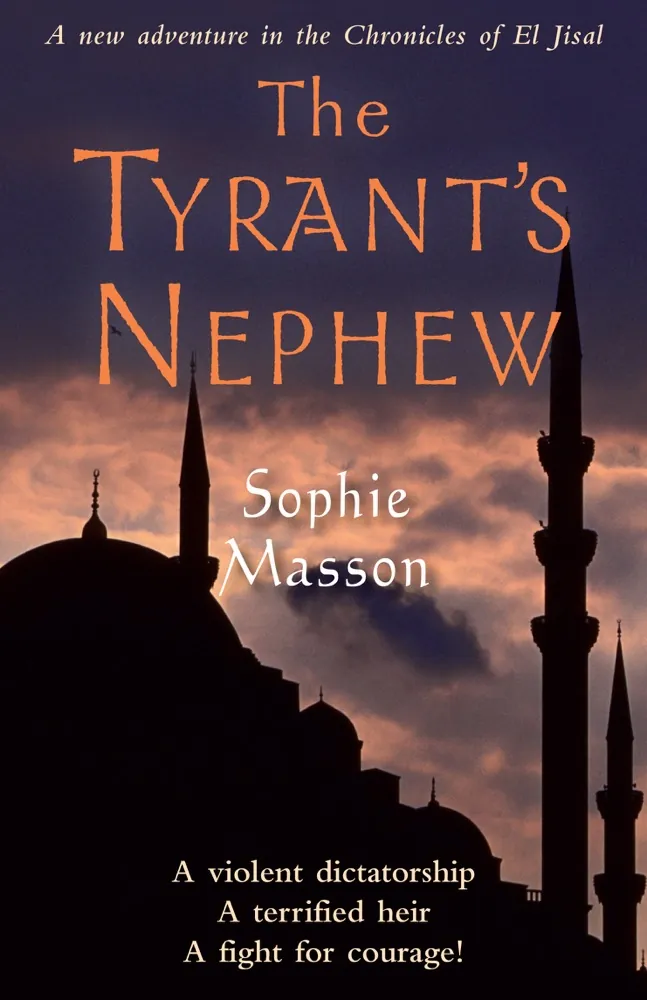
Author: Sophie ClarkPage Count: UnknownPublication Date: Expected publication 2026 APL I'm surrounded by the chaos of a family camping trip – kids shrieking with delight, my spouse attempting to cook something edible on a portable stove – and yet, I find myself drawn into the dark, mystical world of Merciful is the Dark. The second installment in Sophie Clark's Cruel is the Light series promises to be a thrilling adventure, full of magic, rebellion, and self-discovery. Omar, the reluctant heir to a ruthless dictator's throne, is a fascinating protagonist – a character torn between his duty to his family and his desire to do what is right. His chance encounter with Latifa, a beggar girl with a mysterious past, sets off a chain of events that will change the course of his life forever. The fact that Latifa is placed under a Spell of Darkness by Omar's uncle only adds to the sense of urgency and danger that pervades the story. I'm reminded of the works of Leigh Bardugo, whose Grishaverse series is known for its complex characters and morally ambiguous themes. Clark's world-building, as hinted at in the synopsis, seems to be similarly detailed and immersive. But what truly sets my imagination ablaze is the prospect of Omar and Ketta, Latifa's shape-shifting cat, embarking on a perilous journey to find the antidote to the Spell of Darkness. The eerie marshlands and the mountain stronghold of a rebel werewolf clan are just a few of the obstacles they'll face, and I can almost feel the tension building as they navigate these treacherous landscapes. It's a classic hero's journey, but one that's been cleverly subverted by Clark's use of non-traditional characters and settings. I'm excited to see how she'll balance the action and suspense with the deeper themes of courage, loyalty, and redemption. And yet, I have to admit that the synopsis leaves me with more questions than answers. What is the true nature of the Spell of Darkness, and how does it relate to the larger mythology of the world? How will Omar's relationships with Latifa and Ketta evolve over the course of the story, and what challenges will they face as they navigate the complexities of their own emotions? These are just a few of the questions that I hope will be addressed in the book itself. Literally. But I digress. One of the things that strikes me most about Merciful is the Dark is its use of magical realism to explore the human condition. Clark's world is one of wonder and danger, where the boundaries between reality and fantasy are constantly blurred. It's a world that's both familiar and strange, and one that I'm eager to explore in more depth. Or am I? As I sit here, surrounded by the chaos of my family's camping trip, I find myself wondering if I'm just projecting my own desires onto the story. Am I really interested in Merciful is the Dark, or am I just looking for a way to escape the mundane realities of my own life? It's a question that I'll have to answer for myself, I suppose. But for now, I'm content to simply imagine the possibilities. Oh, and by the way, I just realized that my favorite indie cafe has replaced their scarred wooden tables with sterile marble. #bookstagram #fantasybooks #yafantasy Related InsightsThe Anatomy of the Written Word: Unraveling the Sacred and Secular History of Literary Criticism A Domestication: A Novel Book Review and Summary And Every Morning the Way Home Gets Longer and Longer Book Review and Summary{ "@context": "https://schema.org", "@type": "FAQPage", "mainEntity": [ { "@type": "Question", "name": "What is the main focus of Merciful is the Dark (Cruel is the Light, #2) Book Review and Summary?", "acceptedAnswer": { "@type": "Answer", "text": "Everything you need to know about Merciful is the Dark (Cruel is the Light, #2) with our detailed review." } }, { "@type": "Question", "name": "Who authored the comprehensive guide on Merciful is the Dark (Cruel is the Light, #2) Book Review and Summary?", "acceptedAnswer": { "@type": "Answer", "text": "This detailed article and its insights were carefully researched and authored by Camille Dubois." } }, { "@type": "Question", "name": "Where can I find more related content about Books?", "acceptedAnswer": { "@type": "Answer", "text": "You can explore more articles, detailed reviews, and similar insights by browsing the Related Insights section at the bottom of this article or visiting our dedicated Books category page." } } ] }
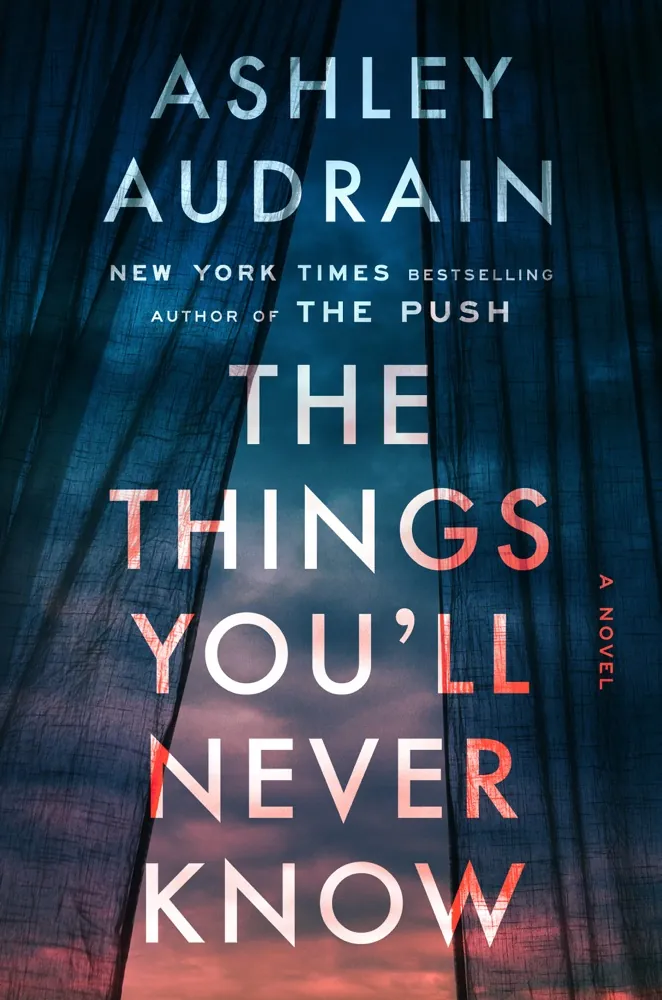
Author: Ashley AudrainPage Count: UnknownPublication Date: Expected publication 2026 APL The Things You'll Never Know - a title that reverberates with the crushing weight of secrets left unspoken. And yet, it's this very premise that draws me in, a moth to the flame of Ashley Audrain's unflinching examination of motherhood, desire, and the performative identities we don to conceal our true selves. As I delve into the synopsis - no, scratch that - as I grapple with the sparse, tantalizing details Audrain has chosen to share, I'm struck by the eerie sense of disconnection that pervades this narrative. A mother, Fiona, lies on the hallway floor, her body taken away by the ambulance, yet she remains, a spectral presence haunting the lives of her loved ones. It's a bold, disorienting choice, one that defies the conventions of traditional storytelling. And I'm intrigued. But what of Fiona's family, those who are left to pick up the pieces of her life? Her husband, Adam, her children, her best friend - all seem to be hiding something, their faces masks that conceal the truth. It's a hall of mirrors, where reflections distort and reality blurs. Audrain's exploration of the tension between our public personas and private selves is a timely one, a scathing critique of the societal expectations that suffocate us. And then, of course, there's the diary - Fiona's secret confessional, where the stunning betrayal she had been hiding is finally revealed. But what does this betrayal entail? Is it a revelation that will shatter the fragile bonds of family, or a truth that will set them free? Audrain's vagueness is a clever ploy, a deliberate withholding of information that only serves to heighten the sense of anticipation. Or does it? Perhaps I'm just frustrated by the lack of concrete details, the absence of a clear narrative thread to cling to. Maybe I'm just not patient enough, too accustomed to the instant gratification of plot reveals and tidy resolutions. But that's the thing about Audrain's writing - it's not about providing answers; it's about posing questions, probing the dark recesses of the human experience. Yet. And yet. As I ponder the themes of The Things You'll Never Know, I'm reminded of the works of Ottessa Moshfegh, another author who excels at excavating the complexities of female desire, the ways in which we perform our identities to appease the expectations of others. There's a kinship here, a shared concern with the ways in which societal pressures can suffocate us. Literally. But what of Fiona's ultimate question - will we find who we really are, before we die? It's a query that hangs in the air, a challenge to the reader to confront their own mortality, their own sense of self. And it's here, in the face of this existential uncertainty, that Audrain's writing truly comes alive. My youngest just painted the family cat blue. Related InsightsTerrible Worlds Book Review and Summary Her Life in Ruins Book Review and Summary Madeline McKnight Signs Off: A Novel Book Review and Summary{ "@context": "https://schema.org", "@type": "FAQPage", "mainEntity": [ { "@type": "Question", "name": "What is the main focus of The Things You'll Never Know Book Review and Summary?", "acceptedAnswer": { "@type": "Answer", "text": "Everything you need to know about The Things You'll Never Know with our detailed review." } }, { "@type": "Question", "name": "Who authored the comprehensive guide on The Things You'll Never Know Book Review and Summary?", "acceptedAnswer": { "@type": "Answer", "text": "This detailed article and its insights were carefully researched and authored by Camille Dubois." } }, { "@type": "Question", "name": "Where can I find more related content about Books?", "acceptedAnswer": { "@type": "Answer", "text": "You can explore more articles, detailed reviews, and similar insights by browsing the Related Insights section at the bottom of this article or visiting our dedicated Books category page." } } ] }
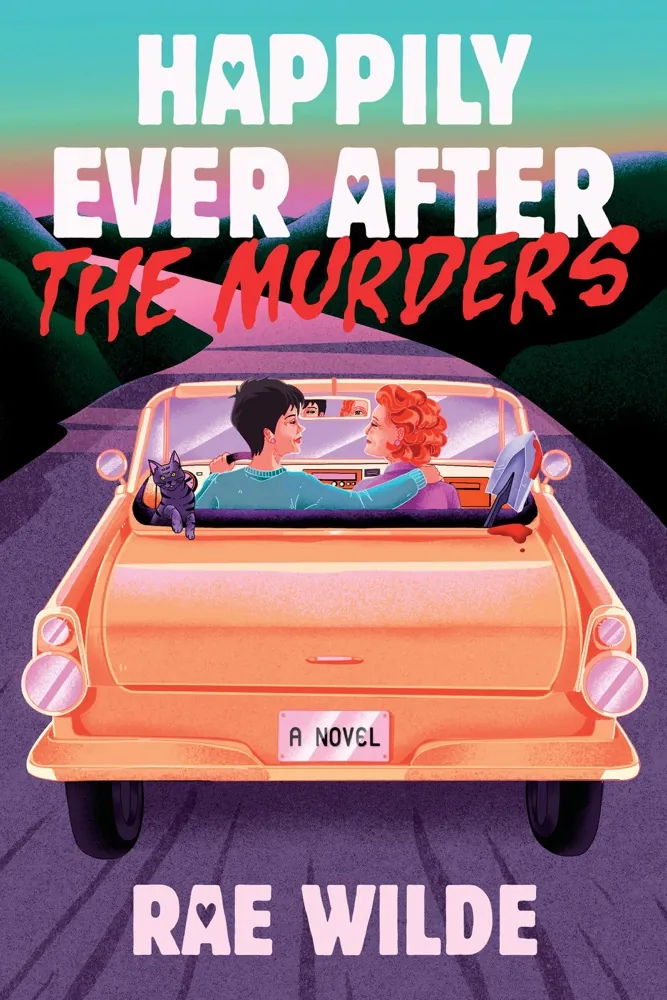
Author: Rae WildePage Count: UnknownPublication Date: Expected publication 2026-11-03 APL Two elderly women, Ida and Jean, on the run for a double murder they committed four decades ago – this is the stuff of which dark, twisted fairy tales are made. And yet, Rae Wilde's Happily Ever After the Murders promises to be so much more than that. A mashup of The Golden Girls, Bonnie and Clyde, and Thelma and Louise, this novel seems to be a wildly entertaining, genre-bending romp through the American heartland. But what's really at the heart of this story? Is it the cat-and-mouse game between Ida and Jean and the detective hot on their heels? Or is it something deeper – a commentary on the societal expectations that have held these two women back for so long? The fact that they're a lesbian couple, forced to keep their relationship a secret for fear of ostracism, adds a layer of poignancy to their tale. It's a reminder that, even in the 1990s, there were still so many barriers to overcome. And then, of course, there's the fact that they're on the run – a scenario that's both thrilling and terrifying. I'm reminded of the film Thelma and Louise, in which two women embark on a similarly ill-fated road trip. But whereas that movie was a commentary on the toxic masculinity that can drive women to desperation, Happily Ever After the Murders seems to be more about the power of female friendship and the unbreakable bonds between two women who've been through hell together. But I'm getting ahead of myself. The real question is – can Wilde pull off this ambitious, genre-bending narrative? Can she balance the dark humor and wit with the deeper themes and emotions? I think she can. I think she's going to create a novel that's both a wildly entertaining page-turner and a powerful commentary on the human condition. And yet...I'm also reminded of another book, one that promised the world but ultimately fell flat. The Girls by Emma Cline – remember that one? It was supposed to be this big, sweeping novel about female friendship and the darker side of human nature. But in the end, it just felt like a bunch of shallow, pretentious navel-gazing. I'm hoping that Happily Ever After the Murders won't suffer the same fate. But I digress. The real test of this novel will be its ability to balance tone and theme. Can Wilde make us laugh and cry and cheer for Ida and Jean, even as we're aware of the darker forces driving them? I think she can. I think she's going to create a novel that's both a wildly entertaining romp and a powerful commentary on the human condition. And speaking of wildly entertaining romps...have you seen that kids' cartoon Adventure Time? I mean, what's up with that show? It's like they took every weird, quirky element from the 1980s and mashed them all together into this bizarre, fantastical world. I mean, I love it, but it's just so...out there. Anyway, I was watching it with my kid the other day, and I started thinking about how it's kind of like Happily Ever After the Murders – both are these wildly entertaining, genre-bending narratives that are also secretly deep and meaningful. But I'm getting off track. The point is – Happily Ever After the Murders has the potential to be a truly great novel. It's got the perfect blend of dark humor, wit, and heart. And if Wilde can pull it off, I think we're in for a real treat. Oh, wait – the baby monitor just illuminated with terrifying activity. #LGBTQ+ #WomenInCrime #RoadTripNovels Related InsightsThe Fellowship of the Ring Book Review and Summary The Dragon Republic Book Review and Summary The Drakon King Book Review and Summary{ "@context": "https://schema.org", "@type": "FAQPage", "mainEntity": [ { "@type": "Question", "name": "What is the main focus of Happily Ever After the Murders Book Review and Summary?", "acceptedAnswer": { "@type": "Answer", "text": "Everything you need to know about Happily Ever After the Murders with our detailed review." } }, { "@type": "Question", "name": "Who authored the comprehensive guide on Happily Ever After the Murders Book Review and Summary?", "acceptedAnswer": { "@type": "Answer", "text": "This detailed article and its insights were carefully researched and authored by Camille Dubois." } }, { "@type": "Question", "name": "Where can I find more related content about Books?", "acceptedAnswer": { "@type": "Answer", "text": "You can explore more articles, detailed reviews, and similar insights by browsing the Related Insights section at the bottom of this article or visiting our dedicated Books category page." } } ] }
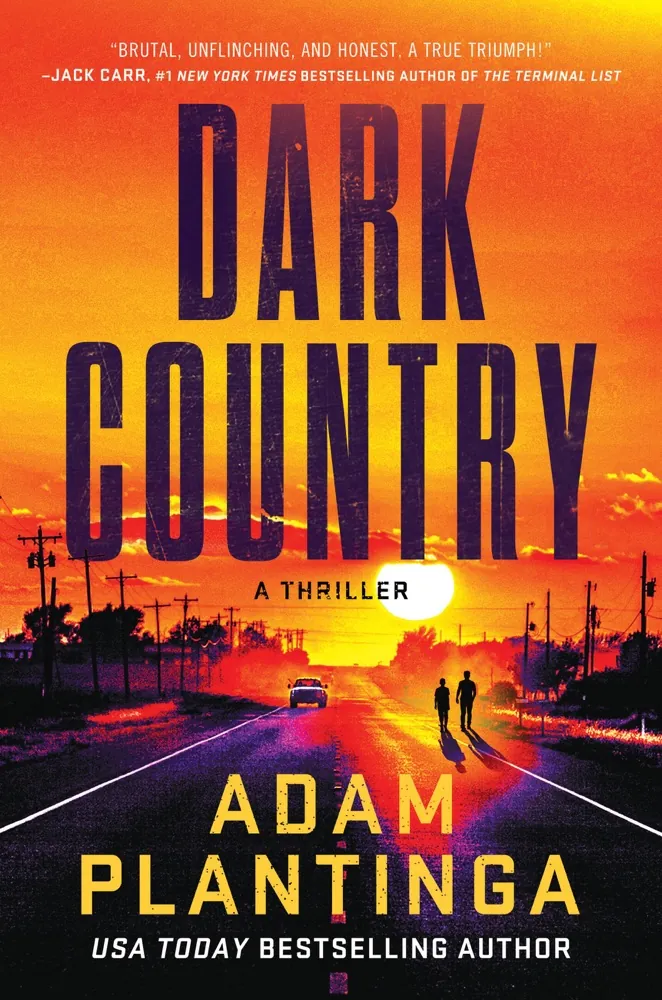
Author: Adam PlantingaPage Count: UnknownPublication Date: Expected publication 2026-10-27 APL What's the point of a serene existence if it's just going to get blown to smithereens by the past? Kurt Argento's attempt at a peaceful life in Barton, South Dakota, sounds like a recipe for disaster. A former Detroit cop turned church handyman, Argento's got the kind of baggage that never truly gets left behind. And then he meets Majed, a seventeen-year-old Syrian refugee with a price on his head. The plot thickens, or so the synopsis would have us believe. Two men with hard eyes are after Majed, and Argento steps in to protect him. But what's the real story here? Is Majed just a target, or is he carrying something valuable? The synopsis is frustratingly vague, leaving me with more questions than answers. I'm reminded of the countless times I've read a thriller that promised the world but delivered a shallow, predictable plot. Take, for instance, that one book by Harlan Coben – you know, the one where the protagonist's family is kidnapped, and he has to navigate a complex web of lies to rescue them. Yeah, that one. It was a total snooze-fest. But I digress. Back to Dark Country. The premise has potential, I'll give it that. A grizzled ex-cop protecting a young refugee from unknown assailants? It's a classic trope, and one that can be done well if executed properly. I'm thinking of books like The Terminal List by Jack Carr – now that's a thriller that knows how to deliver. But can Adam Plantinga pull it off? I'm not convinced. And what's with the title, Dark Country? Is it a reference to the American heartland, or something more sinister? The synopsis doesn't give us any clues, leaving me to wonder if the title is just a cheap attempt to sound edgy. I mean, come on, Dark Country? It sounds like a rejected title for a bad horror movie. But despite my reservations, I'm willing to give Dark Country a chance. Maybe, just maybe, it'll surprise me and turn out to be a gripping thriller that keeps me on the edge of my seat. Maybe the characters will be well-developed, and the plot will twist and turn in unexpected ways. Maybe. I'm currently trying to get my kids to stop fighting over whose turn it is to play with the iPad. You know, the usual morning chaos. Anyway, I'm entirely unprepared to host the neighborhood playdate today. #thriller #bookreview #darkcountry Related InsightsThe Polar Express Book Review and Summary The Cursed Carnival and Other Calamities Book Review and Summary Stardust Book Review and Summary{ "@context": "https://schema.org", "@type": "FAQPage", "mainEntity": [ { "@type": "Question", "name": "What is the main focus of Dark Country Book Review and Summary?", "acceptedAnswer": { "@type": "Answer", "text": "Everything you need to know about Dark Country with our detailed review." } }, { "@type": "Question", "name": "Who authored the comprehensive guide on Dark Country Book Review and Summary?", "acceptedAnswer": { "@type": "Answer", "text": "This detailed article and its insights were carefully researched and authored by Camille Dubois." } }, { "@type": "Question", "name": "Where can I find more related content about Books?", "acceptedAnswer": { "@type": "Answer", "text": "You can explore more articles, detailed reviews, and similar insights by browsing the Related Insights section at the bottom of this article or visiting our dedicated Books category page." } } ] }
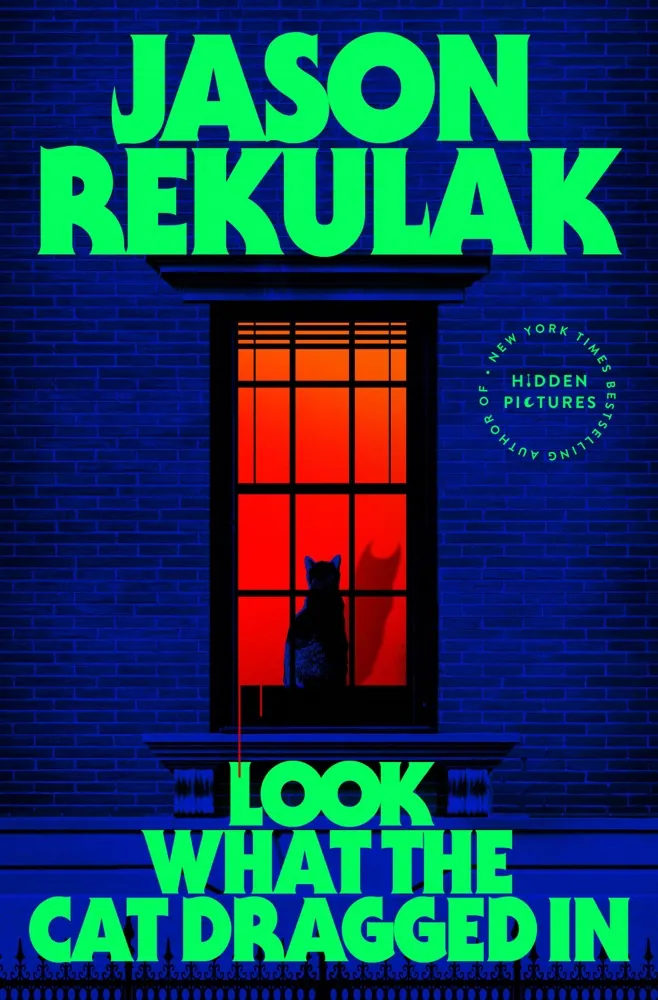
Author: Jason RekulakPage Count: UnknownPublication Date: Expected publication 2026-10-13 APL It's a cat — but not just any cat. A cat with a "mysterious secret", no less. I'm reminded of those quaint, old-fashioned horror stories where the most mundane objects become vessels for ancient, malevolent forces. Rosemary's Baby, the supposed inspiration for Jason Rekulak's latest novel, Look What the Cat Dragged In, is a masterclass in slow-burning, psychological terror. Can Rekulak's feline-centric thriller live up to that pedigree? At first glance, the premise seems almost... cute. A young cartoonist, Penny Padgett, agrees to pet-sit a peculiar cat named Godfrey. But as the days pass, Penny's life begins to unravel. Nightmares, insect infestations, and a creeping sense of dread all hint at something sinister lurking just beneath the surface. It's a clever subversion of our expectations — who wouldn't trust a cute, affectionate cat? But what if that cat is not what it seems? I'm drawn to the way Rekulak seems to be playing with the idea of "cuteness" as a form of emotional manipulation. It's a clever, insidious tactic, one that preys on our deep-seated desire to nurture and care for others. And yet... the more I read about Look What the Cat Dragged In, the more I'm struck by the vagueness of it all. What, exactly, is Godfrey's "mysterious secret"? Is it supernatural in nature, or something more mundane? The synopsis is frustratingly coy, refusing to yield even the slightest hint of what's to come. I'm left wondering if Rekulak is simply trying to create a sense of mystery, or if he's genuinely unsure of how to convey the complexity of his story. But, I suppose, that's the point. Look What the Cat Dragged In is a thriller, after all, and thrills are often dependent on a certain level of unpredictability. I'm reminded of authors like Shirley Jackson, who mastered the art of subtle, psychologically complex horror. Rekulak's use of illustrations — over eighty pages of them, no less — adds an extra layer of depth to the narrative, one that I'm eager to explore. Literally. It's a clever trick, using illustrations to break up the text and create a sense of visual unease. I'm curious to see how Rekulak will balance the two mediums, and whether the illustrations will enhance or detract from the overall narrative. Yet... I find myself wondering if the illustrations are simply a gimmick, a way to differentiate Look What the Cat Dragged In from other, more straightforward thrillers. Are they a necessary part of the story, or simply a clever marketing ploy? Hard pass. No, wait, I take that back. I'm intrigued, despite my reservations. There's something undeniably compelling about Look What the Cat Dragged In, something that draws me in with its promise of slow-burning terror and supernatural mystery. But, I must admit, I'm not entirely convinced. Rekulak's previous works, like Hidden Pictures and The Last One at the Wedding, have shown a certain level of promise, but I'm not sure if he's ready to tackle a story as complex, as multifaceted, as this one. Ugh, this draft is killing me. I can barely type. #SupernaturalThriller #FelineHorror #IllustratedNovel Related InsightsThe Death of a Greek Lover Book Review and Summary Scene Partner Book Review and Summary The Best Journey in the World: An Antarctic Story Book Review and Summary{ "@context": "https://schema.org", "@type": "FAQPage", "mainEntity": [ { "@type": "Question", "name": "What is the main focus of Look What the Cat Dragged In Book Review and Summary?", "acceptedAnswer": { "@type": "Answer", "text": "Everything you need to know about Look What the Cat Dragged In with our detailed review." } }, { "@type": "Question", "name": "Who authored the comprehensive guide on Look What the Cat Dragged In Book Review and Summary?", "acceptedAnswer": { "@type": "Answer", "text": "This detailed article and its insights were carefully researched and authored by Camille Dubois." } }, { "@type": "Question", "name": "Where can I find more related content about Books?", "acceptedAnswer": { "@type": "Answer", "text": "You can explore more articles, detailed reviews, and similar insights by browsing the Related Insights section at the bottom of this article or visiting our dedicated Books category page." } } ] }
- Camille Dubois
- 19 Aug, 2026 10:20
The Phantom: The Untold Story of the American Marine the Nazis Could Not Kill Book Review and Summary
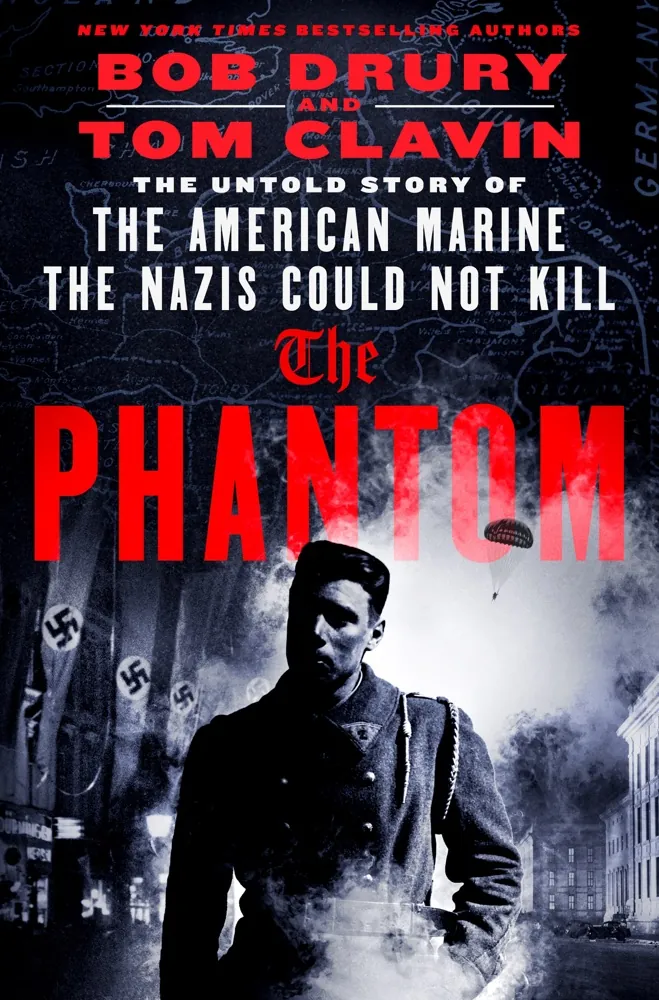
Author: Bob DruryPage Count: UnknownPublication Date: Expected publication 2026-10-06 APL The Phantom: The Untold Story of the American Marine the Nazis Could Not Kill - a book that already feels like a labor of love, a testament to the power of human resilience and the unwavering dedication of its protagonist, Pete Ortiz. I'm immediately drawn to Ortiz's enigmatic persona, a man fluent in five languages and an adventuresome French Foreign Legion veteran. What is it about his story that captivates "Wild Bill" Donovan, the mastermind behind the Office of Strategic Services? What secrets lie hidden in Ortiz's After-Action Report, scrawled with Donovan's urgent plea to re-employ him? And then, of course, there's the matter of Ortiz's parachuting into Occupied France, where he forges an unlikely alliance with the Maquisards. I envision a world of clandestine meetings, of whispered secrets and stolen glances - a world where the boundaries between loyalty and betrayal are constantly blurred. Ortiz's handlers heed Donovan's request, and I can almost feel the weight of their expectations settling upon his shoulders. Will he rise to the challenge, or will the crushing pressure of his mission prove too much to bear? But what truly sets my heart racing is the tantalizing prospect of Ortiz's character chemistry with the Maquisards. I imagine a delicate dance of trust and mistrust, of tentative friendships forged in the heat of battle. Consider me obsessed - I'm already invested in the intricate web of relationships that will undoubtedly drive the narrative forward. Will Ortiz prove to be a unifying force, or will his presence sow discord among the resistance fighters? The possibilities are endless, and I'm eager to delve into the heart of this untold story. Yet, as I read the synopsis, I'm struck by the vagueness of certain details. What, exactly, are the "clandestine missions" that Ortiz undertakes? How does his relationship with Donovan evolve over time? The lack of specificity is frustrating, to say the least - and I find myself wondering if the book will ultimately live up to its promise. Still, I'm willing to give The Phantom the benefit of the doubt, if only because its protagonist seems to embody the very essence of a hero. Pete Ortiz's story reminds me of the works of Anthony Doerr, with its blend of historical fiction and espionage thriller elements. I'm also drawn to comparisons with The Nightingale, Kristin Hannah's sweeping narrative of love and war. But The Phantom feels like something more - a story that will burrow deep into my psyche, refusing to let go. I'm not sure what to expect, but I'm ready to embark on this journey with Ortiz, to follow him into the very heart of Nazi-occupied Europe. And now, if you'll excuse me, I really must go - it seems I have a wrestling match to break up in the living room. #WWIIHistory #HistoricalFiction #ThePhantom Related InsightsThe Killing of a Chestnut Tree (Havelock Harper Mysteries #1) Book Review and Summary An Introduction to Real-Time Computing for Mechanical Engineers Book Review and Summary Gravity’s Rainbow Book Review and Summary{ "@context": "https://schema.org", "@type": "FAQPage", "mainEntity": [ { "@type": "Question", "name": "What is the main focus of The Phantom: The Untold Story of the American Marine the Nazis Could Not Kill Book Review and Summary?", "acceptedAnswer": { "@type": "Answer", "text": "Everything you need to know about The Phantom: The Untold Story of the American Marine the Nazis Could Not Kill with our detailed review." } }, { "@type": "Question", "name": "Who authored the comprehensive guide on The Phantom: The Untold Story of the American Marine the Nazis Could Not Kill Book Review and Summary?", "acceptedAnswer": { "@type": "Answer", "text": "This detailed article and its insights were carefully researched and authored by Camille Dubois." } }, { "@type": "Question", "name": "Where can I find more related content about Books?", "acceptedAnswer": { "@type": "Answer", "text": "You can explore more articles, detailed reviews, and similar insights by browsing the Related Insights section at the bottom of this article or visiting our dedicated Books category page." } } ] }
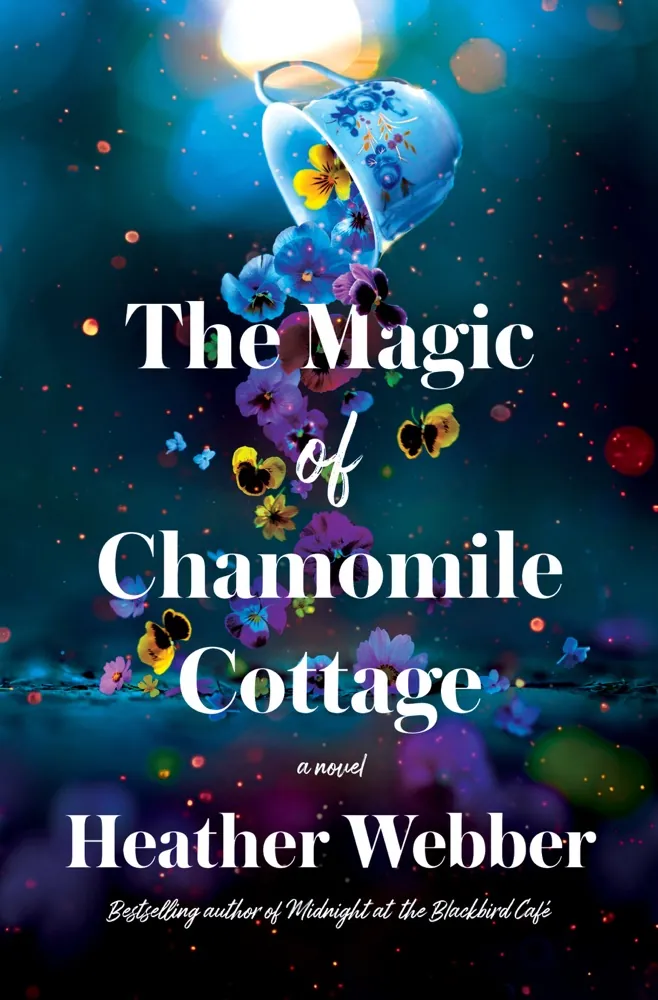
Author: Heather WebberPage Count: UnknownPublication Date: Expected publication 2026-12-01 APL There is something profoundly settling about a good cup of herbal tea when the world outside is falling apart. Yet the synopsis for The Magic of Chamomile Cottage promises an emotional rescue mission wrapped in dried leaves and small-town grit. Heather Webber clearly understands the exact emotional anatomy of comfort fiction. Think Sarah Addison Allen meets the coziest corners of Alice Hoffman. But let us be entirely serious for a moment about the narrative architecture here. Why do fictional towns always possess a failing artisanal hub right when a burned-out protagonist rolls into town? It is a formula, yes. Yet I will defend this formula until my dying breath because modern existence is relentless and sometimes we just need to watch fictional people fix a struggling tea factory using sheer pluck and familial affection. Speaking of familial affection, my eldest child has spent the past forty-eight minutes trying to convince their younger sibling that broccoli possesses actual sentient intelligence and therefore must be banished from the dinner table. It is an absolute catastrophe of logic and negotiation happening three feet from my desk. Why children treat vegetables like political enemies requires a degree in forensic psychology that I simply do not possess. Anyway. Back to the small-town revitalization efforts of Sunny Callaway and her mysterious cousin. Steeped in Sorrow and Second Chances The thematic core here relies on a brilliant friction. Sunny is a professional storyteller who cannot write her own narrative anymore. That is a delicious irony. A creator struck dumb by a devastating diagnosis and a shattered heart. That specific brand of creative paralysis feels painfully authentic. You look at a blank screen and realize your life has derailed while you were busy outlining someone else's triumph. And then you have Nova Frances Clark. An old soul running a shop with a secret recipe book. The synopsis implies that chamomile does more than soothe a mild sore throat. It heals the spirit. Webber is leaning hard into magical realism, and honestly, the genre needs more unapologetic magic right now. Everything is so gritty and grim in contemporary publishing. Give me the herbal infusions. Give me the long-lost cousins who show up precisely when the local economy is flatlining. The emotional arc maps out cleanly. Two women carrying distinct invisible loads—one nursing physical and creative burnout, the other carrying the quiet burden of a failing community—find salvation in each other's orbit. It is about kinship. It is about trusting that vulnerability is not a liability. I am calling it right now. This book is going to make me ugly cry into my mug on a Tuesday afternoon, and I will not regret a single second of it. I must go. The television remote has somehow become a hostage in an ongoing territorial dispute between two miniature dictators and I am the only available mediator. Related InsightsDel cosmos a la vida / From the Cosmos to Life Book Review and Summary Other: Race, Sex, and the Hidden Harms of Human Categories Book Review and Summary The Silent Ink: Unmasking the Forbidden Libraries of the Soviet Empire{ "@context": "https://schema.org", "@type": "FAQPage", "mainEntity": [ { "@type": "Question", "name": "What is the main focus of The Magic of Chamomile Cottage Book Review and Summary?", "acceptedAnswer": { "@type": "Answer", "text": "Everything you need to know about The Magic of Chamomile Cottage with our detailed review." } }, { "@type": "Question", "name": "Who authored the comprehensive guide on The Magic of Chamomile Cottage Book Review and Summary?", "acceptedAnswer": { "@type": "Answer", "text": "This detailed article and its insights were carefully researched and authored by Camille Dubois." } }, { "@type": "Question", "name": "Where can I find more related content about Books?", "acceptedAnswer": { "@type": "Answer", "text": "You can explore more articles, detailed reviews, and similar insights by browsing the Related Insights section at the bottom of this article or visiting our dedicated Books category page." } } ] }
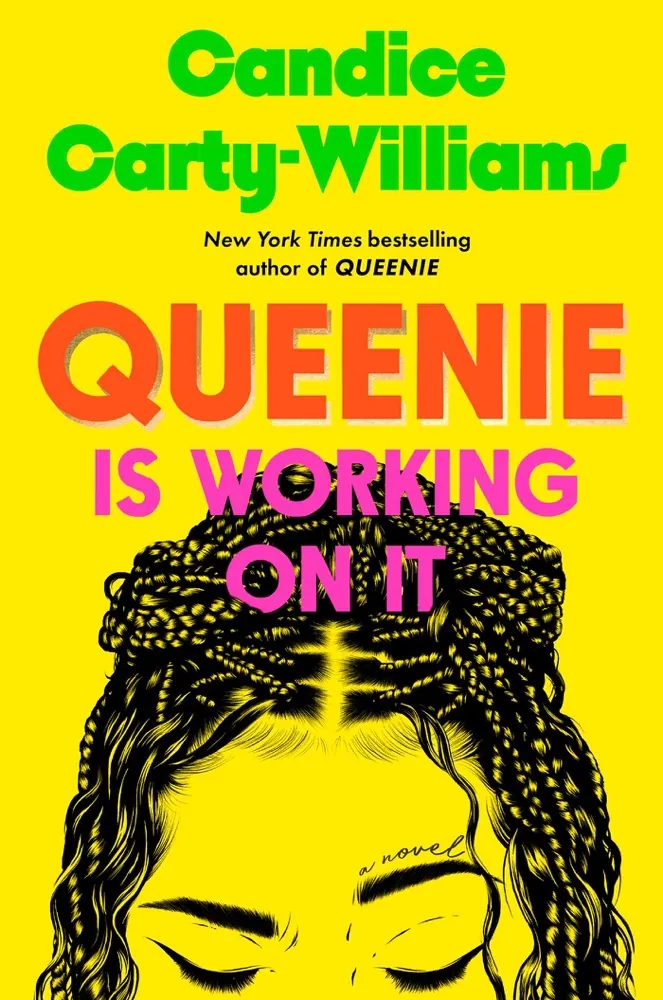
Author: Candice Carty-WilliamsPage Count: UnknownPublication Date: Expected publication 2026-09-08 APL The anticipation is almost palpable as we await the return of Candice Carty-Williams's iconic character, Queenie Jenkins, in her highly anticipated sequel, Queenie Is Working on It. While the original Queenie has been adapted into a television series on Hulu, the allure of Carty-Williams's prose is undeniable—especially for those who have fallen under the spell of authors like Zadie Smith and Chimamanda Ngozi Adichie. As I sit in quiet contemplation, surrounded by the warmth of a late summer evening, I find myself drawn into the world of this beloved and flawed protagonist. Queenie, at thirty-three, is the editorial director of The Good Sis, a media network championing the voices of Black women—a stark contrast to her toxic past. And yet, as she confronts the possibility of motherhood, her own desires and uncertainties come to the forefront. What I find intriguing is the way Carty-Williams weaves together the themes of time, identity, and purpose. Queenie's struggles to define herself are all too relatable in today's fast-paced landscape where careers, relationships, and societal expectations converge to confound us. Yet, as I ponder the synopsis, I'm struck by the opacity of Carty-Williams's narrative trajectory. The plot threads seem tantalizingly thin, leaving me wanting—much like Queenie, who finds herself torn between love, family, and her own autonomy. But this is where the true brilliance lies: in the messy, imperfect, and unapologetic portrayal of Queenie's inner world. Carty-Williams has a remarkable talent for capturing the nuances of her character's emotions, which are raw, authentic, and all the more captivating for their vulnerability. I'm reminded of the works of authors like Angela Flournoy and Akwaeke Emezi, who have skillfully probed the depths of the human experience. Now, I must confess—having read only the synopsis, I'm left with a nagging sense of uncertainty. Will Carty-Williams successfully navigate the complexities of Queenie's life without sacrificing the character's agency? Or will she succumb to the pitfalls of predictable storytelling? These are questions I'm eager to have answered. One thing is certain: as a literary community, we're witnessing a seismic shift in the way Black women are being represented in literature, and Carty-Williams is at the forefront of this movement. Her unflinching dedication to exploring the intricacies of identity and the Black female experience is both a testament to her craft and a beacon of hope for readers seeking more nuanced portrayals. Literally. My mind is racing with the possibilities. In Queenie Is Working on It, Carty-Williams seems poised to deliver a sequel that is both a love letter to her character and a scathing critique of the societal pressures that constrain us. As I await the release on September 8th, I'm left wondering: will Queenie finally find her footing in this chaotic, beautiful, and utterly confounding journey called life? And now, for some reason, the baby monitor just illuminated with terrifying activity. Related InsightsEscuadrón Cielo Book Review and Summary To All the Boys I've Loved Before Book Review and Summary Kafka on the Shore Book Review and Summary{ "@context": "https://schema.org", "@type": "FAQPage", "mainEntity": [ { "@type": "Question", "name": "What is the main focus of Queenie Is Working on It (Queenie, #2) Book Review and Summary?", "acceptedAnswer": { "@type": "Answer", "text": "Everything you need to know about Queenie Is Working on It (Queenie, #2) with our detailed review." } }, { "@type": "Question", "name": "Who authored the comprehensive guide on Queenie Is Working on It (Queenie, #2) Book Review and Summary?", "acceptedAnswer": { "@type": "Answer", "text": "This detailed article and its insights were carefully researched and authored by Camille Dubois." } }, { "@type": "Question", "name": "Where can I find more related content about Books?", "acceptedAnswer": { "@type": "Answer", "text": "You can explore more articles, detailed reviews, and similar insights by browsing the Related Insights section at the bottom of this article or visiting our dedicated Books category page." } } ] }
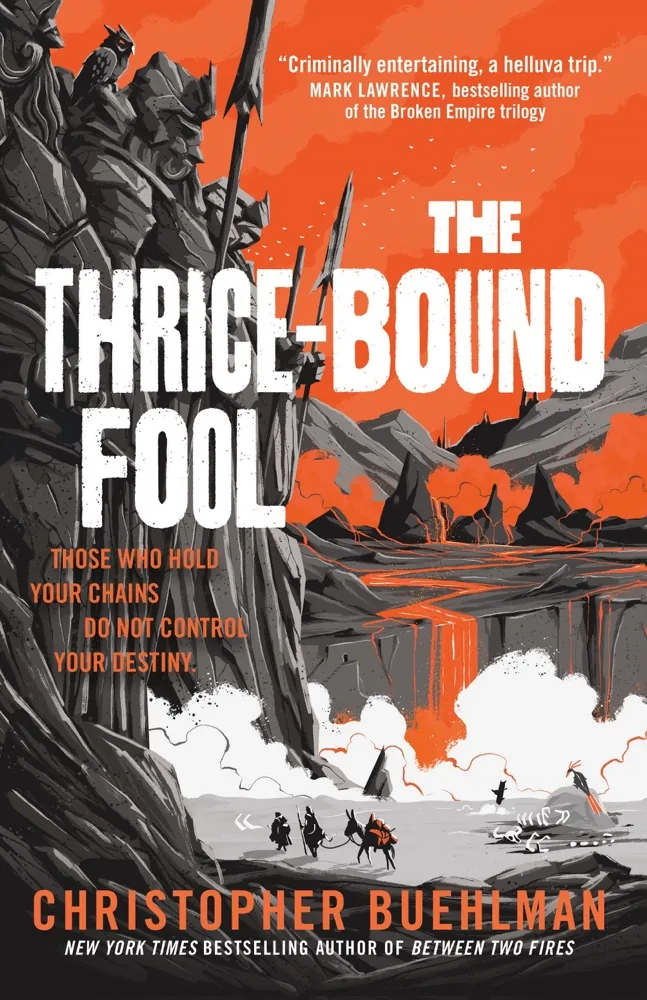
Author: Christopher BuehlmanPage Count: UnknownPublication Date: Expected publication 2026-10-13 APL God forbid two people just look at each other and admit they care about something without the entire universe conspiring to rip them limb from limb—or worse, without a sentient, homicidal manuscript trying to digest their internal organs. Christopher Buehlman is returning to Manreach with The Thrice-Bound Fool, and I am already clutching my chest over Kinch Na Shannack and Galva like they are my own foolish, stubborn children who refuse to text me when they land. But let us be entirely honest with ourselves for a fraction of a second: the synopsis gives us almost nothing. It is a sleek, teasing skeleton of a blurb that leans entirely on the goodwill built by The Blacktongue Thief. Yet, what a skeleton. We are looking at a cursed book trope that actually weaponizes its own cursed nature, shifting the narrative dynamics from a heist gone sideways into an intimate, desperate road trip across hostile geography. Wait. Let me take that back. Calling it a road trip feels too lighthearted, too casual, like they are stopping for roadside pastries instead of fleeing the all-seeing Taker's Guild while dodging ancient, ravenous horrors in uncharted territories. The psychological tension here relies on an exquisite, grinding friction between survival and obligation—Galva protecting a man she secretly finds endearing simply because his thieving fingertips hold the singular key to saving the queen she loves. And oh, the angst of that dynamic. The agonizing proximity of two people who are too battered by goblin wars and street gutters to say what they actually mean to each other, forced to sprint across the edge of the known world while an evil book tries to snap its pages shut on Kinch's bones. Buehlman channels the gritty, atmospheric weight of Joe Abercrombie mixed with the linguistic swagger of Scott Lynch, but with an emotional undercurrent that feels far more personal, far more bruising. I am staring at this upcoming October release date and wondering how my heart is supposed to survive reading about a cheeky bastard who cannot catch a single break, paired with a death’s sworn handmaiden who deserves a quiet garden and a cup of tea instead of eternal torment. Pain. Pure, unadulterated pain. I need to go bake three dozen cupcakes by tomorrow morning. #TheThriceBoundFool #ChristopherBuehlman #BookSky #FantasyBooks Related InsightsA Wish Upon the Stars Book Review and Summary Firstdawn Book Review and Summary Honey-Don't List Book Review and Summary{ "@context": "https://schema.org", "@type": "FAQPage", "mainEntity": [ { "@type": "Question", "name": "What is the main focus of The Thrice-Bound Fool (Blacktongue #2) Book Review and Summary?", "acceptedAnswer": { "@type": "Answer", "text": "Everything you need to know about The Thrice-Bound Fool (Blacktongue #2) with our detailed review." } }, { "@type": "Question", "name": "Who authored the comprehensive guide on The Thrice-Bound Fool (Blacktongue #2) Book Review and Summary?", "acceptedAnswer": { "@type": "Answer", "text": "This detailed article and its insights were carefully researched and authored by Camille Dubois." } }, { "@type": "Question", "name": "Where can I find more related content about Books?", "acceptedAnswer": { "@type": "Answer", "text": "You can explore more articles, detailed reviews, and similar insights by browsing the Related Insights section at the bottom of this article or visiting our dedicated Books category page." } } ] }
Author: Isabela LivinoPage Count: UnknownPublication Date: Expected publication 2026-09-01 APL Fans of Silvia Moreno-Garcia and Gothic stalwarts like Mexican Gothic should pay attention to Isabela Livino's upcoming An Immaculate Deception, though I have serious reservations about how well this Pernambuco-set period piece will handle its psychological mechanics once the dust settles from that carriage crash. The setup is practically begging for a heavy-handed metaphor about patriarchal control, pitting a religious girl who reads Dante against a fiancé who morphs from a charming poet into a silent, omnipresent stalker overnight—a dynamic I usually adore because it mimics the suffocating feeling of watching a once-promising bond curdle into bitter resentment, yet I worry the author relies far too heavily on stale haunted-house tropes like vanishing jewelry, missing book pages, and creeping perfumes to do the heavy lifting that genuine character chemistry should be handling instead. Honestly, why do writers always trap pregnant protagonists in decaying mansions with creepy doctors named Lobo? It is completely uninspired. Or perhaps it is brilliant. Let us be entirely fair to Livino for a moment. Setting 1870s Gothic horror against the humid, Catholic-saturated backdrop of rural Brazil offers a deliciously claustrophobic texture that separates this release from the standard gloomy English moors we have all read a thousand times. And Madalena's impending motherhood—born from a terrifying ultimatum issued by her own mother—creates an immediate, desperate relational tension that makes her reliance on Leandro agonizing to witness. A grueling exercise in patience. That is what watching these two interact in the synopsis feels like, and I desperately hope the full manuscript gives them actual conversational chemistry rather than just endless staring matches in mirror-less rooms. Suffocating. I need to go bake three dozen cupcakes by tomorrow morning. Related InsightsBridge to Terabithia Book Review and Summary Heat Wave Book Review and Summary Infinite Wisdom: A Novel Book Review and Summary{ "@context": "https://schema.org", "@type": "FAQPage", "mainEntity": [ { "@type": "Question", "name": "What is the main focus of An Immaculate Deception Book Review and Summary?", "acceptedAnswer": { "@type": "Answer", "text": "Everything you need to know about An Immaculate Deception with our detailed review." } }, { "@type": "Question", "name": "Who authored the comprehensive guide on An Immaculate Deception Book Review and Summary?", "acceptedAnswer": { "@type": "Answer", "text": "This detailed article and its insights were carefully researched and authored by Camille Dubois." } }, { "@type": "Question", "name": "Where can I find more related content about Books?", "acceptedAnswer": { "@type": "Answer", "text": "You can explore more articles, detailed reviews, and similar insights by browsing the Related Insights section at the bottom of this article or visiting our dedicated Books category page." } } ] }
Author: Katie NaymonPage Count: UnknownPublication Date: Expected publication 2026-12-01 APL The synopsis for In Every Future, It’s Us arrives like a well-wrapped gift—elegant in its simplicity, with just enough ribbon to tease what’s inside. But the more you unravel it, the more you realize the ribbon itself might be the point. A New Year’s Eve game. Secret predictions. A decade of unspoken rules. It’s the kind of premise that could easily collapse into saccharine nostalgia or a clichéd "will they/won’t they" trope, but the way Naymon frames it—with that final, shattered letter hanging like a ghost between them—suggests she’s playing with something more dangerous than sentimentality. She’s playing with time, or at least the illusion of it. The structure here is a masterclass in how to make a story feel both intimate and expansive. Past and present timelines aren’t just a gimmick; they’re a mirror. Florence and Tom’s friendship, once a fortress of shared secrets, now feels like a house with a single broken window. The game they invented to bind them—five predictions a year, one life-changing decision for the winner—was never just a game. It was a way to control the narrative, to ensure that no matter how life diverged, they’d always have a thread. But threads fray. And when the final letter arrives, it doesn’t just correct a guess; it ends one. The synopsis doesn’t say what was written, but the omission is telling. It’s the kind of silence that makes you lean in, like a character in a novel you’re desperate to read. Yet—and here’s where the synopsis stumbles—there’s a vagueness that feels deliberate, but also lazy. We know Florence is moving away. We know there’s tension. But what’s the weight of that tension? Is it the kind that comes from unrequited love, or from two people who’ve outgrown each other? Is Tom’s silence about the letter a refusal to apologize, or a refusal to admit he’s been wrong all along? The synopsis doesn’t say. It’s the difference between a novel that feels like a conversation with a friend and one that feels like a menu where you’re only given the prices, not the flavors. Compare this to The Flatshare by Beth O’Leary, where the emotional stakes are so vivid you can taste the bitterness of unspoken words. Here, we’re left with the shape of the story, not the texture. But then—and this is the pivot—maybe that’s the point. Maybe the beauty of In Every Future, It’s Us isn’t in the specifics, but in the idea of two people who’ve spent a lifetime predicting each other’s futures, only to realize they’ve never actually seen them. The synopsis doesn’t need to spell it out. It just needs to make you feel the ache of that realization. And if Naymon pulls it off, this could be the kind of book that lingers like a half-remembered dream—something you can’t quite place your finger on, but can’t stop thinking about. Literally. The problem isn’t the premise. It’s the execution. Or rather, the promise of execution. Because right now, it’s just a setup. A beautifully crafted setup, sure, but a setup nonetheless. The real question isn’t whether this will be a romance—it’s whether it will be a good one. And for that, we’ll need more than just the ghost of a friendship and the hollow echo of a game. We’ll need the kind of emotional precision that makes you forget you’re reading a book and remember you’re living in someone else’s head. I’m holding out hope it’s the former. But if it’s not, I’ll be the one who has to construct a diorama of the solar system before midnight. #BookTok #RomanceBooks #ComingSoon #NewAdult #FriendshipToLove Related InsightsThe Tesseract Book Review and Summary Burning Questions Book Review and Summary In the Lives of Puppets Book Review and Summary{ "@context": "https://schema.org", "@type": "FAQPage", "mainEntity": [ { "@type": "Question", "name": "What is the main focus of In Every Future, It's Us Book Review and Summary?", "acceptedAnswer": { "@type": "Answer", "text": "Everything you need to know about In Every Future, It's Us with our detailed review." } }, { "@type": "Question", "name": "Who authored the comprehensive guide on In Every Future, It's Us Book Review and Summary?", "acceptedAnswer": { "@type": "Answer", "text": "This detailed article and its insights were carefully researched and authored by Camille Dubois." } }, { "@type": "Question", "name": "Where can I find more related content about Books?", "acceptedAnswer": { "@type": "Answer", "text": "You can explore more articles, detailed reviews, and similar insights by browsing the Related Insights section at the bottom of this article or visiting our dedicated Books category page." } } ] }