Showing Posts From
Monastic history
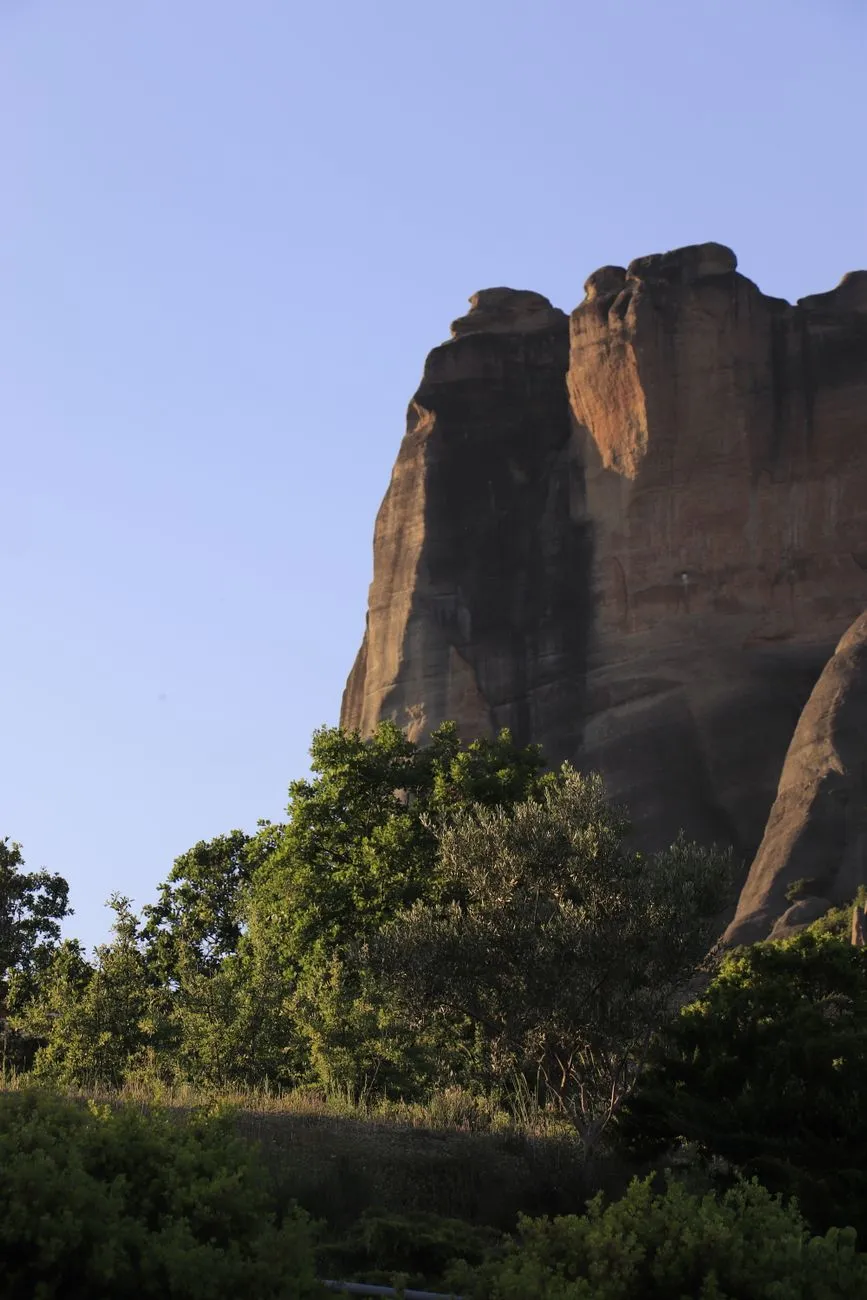

Scaling the Sky‑Piercing Rocks: How to Reach Meteora’s Hidden Sanctuaries The first step of any pilgrimage is simply arriving at the threshold. Meteora sits in the heart of Thessaly, central Greece, about 350 km north of Athens. Most visitors fly into Athens International Airport (ATH) and catch a high‑speed train to Kalambaka, the town that cradles the rock formations. The Athens‑Kalambaka line runs twice daily, with a journey time of roughly 4 hours 30 minutes. Once in Kalambaka, the real ascent begins. Two main routes lead to the monasteries: the paved “road to the rocks” that follows the riverbed, and the network of marked hiking trails that wind up the limestone spires. For the historically inclined, the stone‑paved “Monastery Path” (Monastiriaki Odos) is a living museum of Ottoman‑era cobbles, still used by local shepherds. Public transport is surprisingly efficient: local minibusses (the “KTEL” service) depart every 20 minutes from the Kalambaka bus station and stop at the base of each major rock—Great Meteoron, Varlaam, and the others. Tickets cost around €2.00 per ride (2024 rates). For the adventurous, a rented e‑bike can shave the ascent time dramatically; several outlets in Kalambaka offer electric mountain bikes for €15 per day, complete with helmets and GPS‑linked trail maps. If you prefer a guided experience, several licensed operators provide “Monastery‑by‑Monastery” tours. These usually include a local historian, a portable audio guide, and a short shuttle from the town center to the first viewpoint. Prices hover between €35 and €55 per person, depending on group size and the inclusion of a traditional Greek lunch. Regardless of your chosen mode, remember that the terrain is steep and uneven. Proper trekking boots, a lightweight rain jacket, and a reusable water bottle (water fountains are sparse on the cliffs) are essential. Early morning light not only offers the best photography but also avoids the mid‑day crowds that gather at the main visitor centers. Chronicles Carved in Stone: The Rise and Fall of the Forgotten Monasteries Meteora’s monasteries are not merely scenic backdrops; they are living testimonies to a turbulent epoch that began in the early 14th century. In 1307, a hermit named Athanasios the Meteorite retreated to the summit of the highest rock, seeking solitude from the encroaching Ottoman raids that threatened mainland monastic life. His modest stone cell soon attracted disciples, and by 1340 the Great Meteoron Monastery (the largest of the complex) was formally established under the patronage of the Byzantine nobleman John Palaiologos. The next half‑century saw a rapid proliferation of monastic foundations. Varlaam (founded 1345), Roussanou (built 1476), and the Holy Trinity (consecrated 1475) were all erected by wealthy benefactors who saw the cliffs as impregnable sanctuaries. Their architecture blends Byzantine frescoes, post‑Byzantine iconography, and fortified stone walls—features designed to repel both invaders and the harsh mountain winds. However, the Ottoman occupation also imposed heavy taxes, and by the 18th century many smaller establishments fell into disrepair. Two of the original six active monasteries—St. Nicholas Anapausa and St. Stephen—were abandoned in the early 1700s when their resident monks migrated to more fertile valleys. Their stone foundations remain, overgrown with wild thyme and punctuated by crumbling fresco fragments that hint at the once‑vibrant liturgical life. The 20th century brought a resurgence of interest, spurred by the 1938 designation of Meteora as a UNESCO World Heritage Site. Restoration campaigns, funded by the Greek Ministry of Culture and private donors, revived the Great Meteoron’s frescoes and reinforced the precarious cliff‑side staircases. Yet, despite these efforts, several lesser‑known hermitages—such as the “Cave of Saint John” near the Great Meteoron—remain largely inaccessible, preserved only in archival sketches from the 19th century. These forgotten monasteries embody a narrative of resilience: they rose from the need for spiritual refuge, survived centuries of political upheaval, and now stand as silent witnesses to humanity’s quest for transcendence amid stone. Pilgrim’s Path: A Day‑by‑Day Itinerary for the History‑Hungry Traveller Day 1 – Arrival & OrientationSettle into a boutique guesthouse in Kalambaka (average nightly rate €70, including breakfast). Spend the afternoon strolling the town’s cobbled streets, visiting the folklore museum, and reviewing the trail map at the Tourist Information Center. Day 2 – Great Meteoron & VarlaamBegin early (7 am) and take the KTEL bus to the base of the Great Meteoron. Ascend via the wooden footbridge and stone steps; the climb takes roughly 30 minutes. Inside, view the 12th‑century iconostasis and the ancient library that once housed over 2,000 manuscripts. After a 1‑hour reverent pause, descend and head to Varlaam, just a 15‑minute walk away. The monastery’s courtyard offers panoramic views of the Thessalian plain—ideal for a light lunch of “tsipouro” and olives from the on‑site garden. Day 4 – The Hidden HermitagesReserve a private guide for a “Secret Sites” excursion. The guide will lead you to the abandoned St. Nicholas Anapausa ruins and the Cave of Saint John, accessed via a narrow goat‑trail that is not signposted on public maps. Pack a picnic; there are no facilities on these sites. Day 5 – Holy Trinity & SunsetTake the cable‑car (operating from 9 am to 6 pm, €8 round‑trip) to the Holy Trinity. The ascent offers a dramatic aerial view of the entire Meteora complex. Inside, note the 16th‑century fresco of the Ascension, still vivid after centuries of exposure. Conclude the day by returning to the base and hiking to the “Sunset Rock” (a popular viewpoint just beyond the main trail) for a breathtaking golden‑hour panorama. Day 6 – Reflection & DepartureSpend a leisurely morning in Kalambaka, perhaps joining a local monk for a brief vespers service at the Great Meteoron (services are open to visitors on Wednesdays at 5 pm). Depart by train or flight, carrying a notebook filled with sketches, fresco reproductions, and the scent of thyme that clings to the stone walls. Each step of this itinerary balances structured exploration with moments of unscripted discovery, ensuring that the traveler experiences both the grand narrative and the intimate whispers of Meteora’s forgotten sanctuaries. Living Like a Monk in the Modern Age: Cost, Connectivity, and Comfort for Digital Nomads Meteora is increasingly attracting remote workers who crave a blend of awe‑inspiring scenery and a tranquil work environment. According to the latest Nomad Score (7.2/10), the region offers a solid balance of affordability, safety, and internet reliability. Below is a concise cost‑of‑living snapshot, drawn from Numbeo’s 2024 data for Kalambaka and the surrounding villages. Category Monthly Cost (USD) NotesRent (1‑bedroom apartment, city centre) $420 Most units are historic stone houses with modern amenities.Utilities (electricity, heating, cooling, water) $80 Solar panels are common; heating is mainly via natural gas.High‑speed Internet (50 Mbps) $45 Fiber‑optic is available in Kalambaka; many cafés offer free Wi‑Fi.Coworking Space (Desk, coffee, printing) $150 “Cliffside Co‑Work” operates 7 days a week, with views of the rocks.Groceries (basic basket) $250 Local markets supply olives, feta, fresh herbs, and seasonal fruit.Public Transport (monthly pass) $30 Includes KTEL minibusses to the monasteries and surrounding villages.Dining out (mid‑range restaurant, three‑course) $15 per meal Traditional tavernas serve “gemista” and grilled octopus.Total estimated monthly budget: ≈ $1,090. Internet speed in Kalambaka averages 78 Mbps download and 22 Mbps upload, sufficient for video conferencing, cloud‑based design work, and streaming. Many nomads report that the combination of natural light (especially during the long summer evenings) and the faint echo of distant bells creates an unexpectedly productive ambiance. For those seeking a more immersive experience, short‑term rentals inside restored monastery quarters are available through heritage‑preservation programs. These units cost about €1,200 per month and include a private terrace overlooking the cliffs—a price point comparable to boutique hotels in major European capitals. Health‑care access is reliable: the General Hospital of Trikala (30 km away) offers English‑speaking staff, and a pharmacy in Kalambaka operates 24 hours. Emergency services are coordinated via the national 112 system, with response times averaging 12 minutes in the region. Safety is another strong point. Crime rates in Kalambaka rank in the lowest 10 % of Greek municipalities, and the UNESCO designation ensures constant patrols by both local police and heritage guards. In short, the digital nomad can enjoy a modest budget, robust connectivity, and a daily backdrop that feels more like a meditation hall than a conventional office. Preserving the Sacred: Conservation Efforts and Ethical Visiting Practices The influx of tourists and remote workers brings both economic benefits and stewardship challenges. UNESCO, together with the Greek Ministry of Culture, has instituted a multi‑layered preservation plan that emphasizes structural reinforcement, fresco restoration, and ecological balance. Structural reinforcement: Engineers employ non‑invasive techniques, such as stainless‑steel anchors hidden within the rock, to stabilize the precarious staircases and wooden bridges. These interventions are regularly inspected using drone‑mounted LiDAR scanners, which map micro‑shifts in the limestone with millimeter precision. Fresco restoration: A dedicated team of conservators, led by the National Centre for Byzantine Studies, uses reversible, solvent‑free adhesives to re‑attach flaking pigment layers. The process is documented in open‑access journals, ensuring transparency and academic peer review. Ecological balance: The surrounding pine forest is managed through controlled grazing and reforestation projects. Volunteers, many of whom are visiting backpackers, plant native species like “Greek fir” (Abies cephalonica) during the spring planting season. Visitors play a pivotal role in these efforts. The most direct action is to purchase the “Meteora Preservation Pass” (€3 per day) at any ticket booth; proceeds fund ongoing maintenance. Additionally, tourists should adhere to the following guidelines: Stay on marked trails – off‑trail hiking accelerates erosion and can damage fragile frescoes hidden in side chambers. Limit flash photography – intense light degrades pigment over time; use a soft‑focus lens and avoid direct exposure to fresco surfaces. Respect prayer times – many monasteries hold liturgies at 9 am, 12 pm, and 5 pm. During these periods, silence is requested, and entry may be restricted to worshippers. Carry out all waste – the cliffs lack waste bins; bring a reusable bag and dispose of litter in Kalambaka’s recycling stations.By integrating personal responsibility with community‑wide conservation initiatives, the delicate equilibrium between accessibility and preservation can be maintained for future generations of pilgrims and digital wanderers alike. From Stone to Soul: Why the Forgotten Monasteries Call You Back Meteora is more than a collection of dramatic cliffs; it is a living archive of human yearning for the divine, etched into stone and sustained by centuries of faith, art, and perseverance. The forgotten monasteries—those crumbling walls and hidden caves—invite us to step away from the noise of modern life and into a realm where silence speaks louder than any city soundtrack. Whether you arrive by train, e‑bike, or a nomadic Wi‑Fi‑enabled laptop, the journey unfolds in layers: the physical climb, the historical revelation, the day‑by‑day immersion, and finally, the quiet contemplation that lingers long after you descend. By respecting the fragile ecosystems, supporting preservation funds, and embracing the rhythm of monastic life, you become part of an ongoing story that bridges medieval mystics and 21st‑century explorers. So pack your sturdy boots, charge your tablet, and let the wind that has whispered through these sanctuaries for eight hundred years guide you toward your own inner summit. #Meteora #DigitalNomad #HistoricalTravel Related InsightsCastillo de Gibralfaro: El Guardián de Málaga The Silk Road's Nomadic Hospitality: Yurt Stays in Kyrgyzstan L'Abbaye de Westminster : Le Cœur Royal de Londres{ "@context": "https://schema.org", "@type": "FAQPage", "mainEntity": [ { "@type": "Question", "name": "What is the main focus of Echoes in the Clouds: A Pilgrimage Through Meteora’s Forgotten Monasteries?", "acceptedAnswer": { "@type": "Answer", "text": "Explore the hidden monasteries perched on Thessaly’s towering cliffs, uncover their centuries‑old stories, and learn how modern travelers can experience them responsibly." } }, { "@type": "Question", "name": "Who authored the comprehensive guide on Echoes in the Clouds: A Pilgrimage Through Meteora’s Forgotten Monasteries?", "acceptedAnswer": { "@type": "Answer", "text": "This detailed article and its insights were carefully researched and authored by Mark Dinn." } }, { "@type": "Question", "name": "Where can I find more related content about Travel?", "acceptedAnswer": { "@type": "Answer", "text": "You can explore more articles, detailed reviews, and similar insights by browsing the Related Insights section at the bottom of this article or visiting our dedicated Travel category page." } } ] }