Showing Posts From
Mrs dalloway
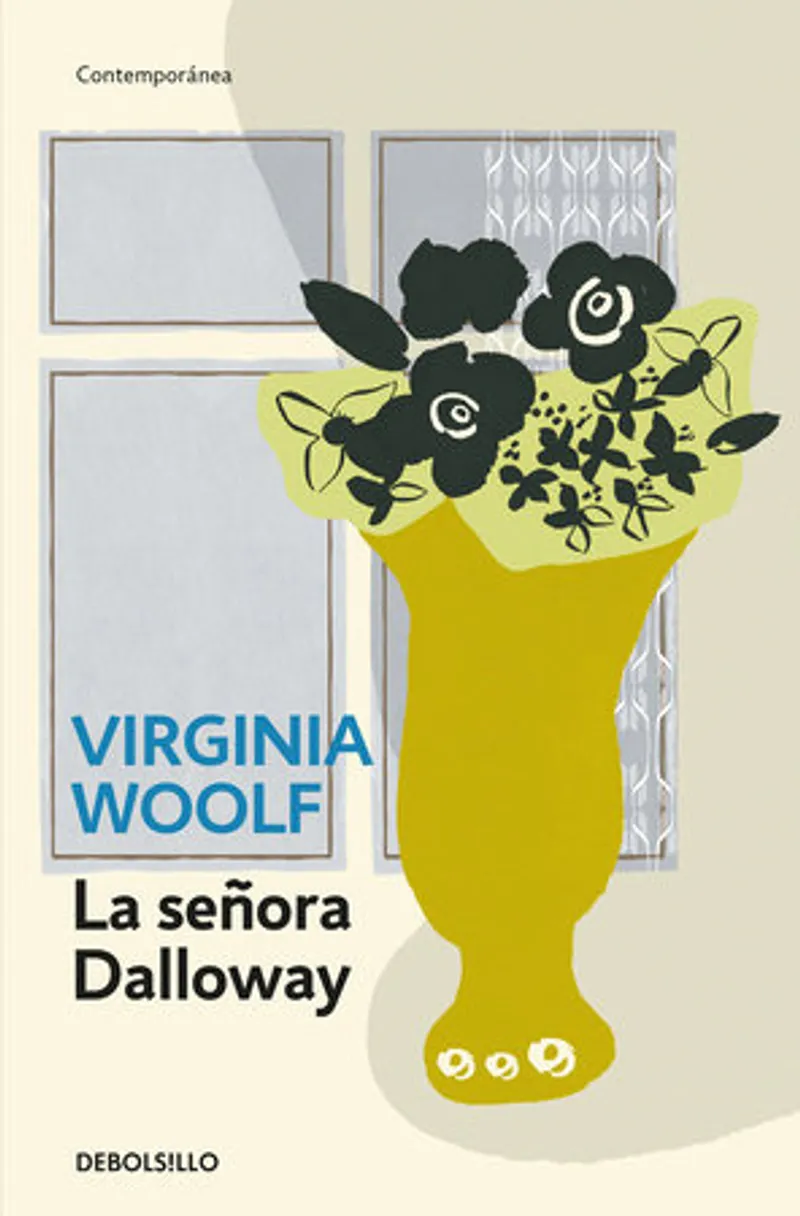
La señora Dalloway / Mrs. Dalloway Author: Virginia WoolfPage Count: UnknownPublication Date: 2026-PRH As I embarked on reading La señora Dalloway, or Mrs. Dalloway, by Virginia Woolf, I couldn't help but be immediately drawn into the intricate web of thoughts, emotions, and observations that comprise this masterpiece. Despite the book's publication year being listed as 2026, it's essential to acknowledge that this is likely an error, as the original novel was first published in 1925. This work is a seminal example of modernist literature, and its themes continue to resonate powerfully with readers today. At its core, Mrs. Dalloway is an exploration of human experience, delving into the inner lives of its characters as they navigate the complexities of post-World War I London. The novel centers around Clarissa Dalloway, a high-society matron, as she prepares to host a party, and Septimus Warren Smith, a shell-shocked veteran struggling to come to terms with the trauma he has endured. Through these characters, Woolf masterfully weaves a tapestry of stream-of-consciousness narrative, blurring the lines between reality and the inner world of the mind. One of the most striking aspects of Woolf's writing is her use of lyricism and poetic language to convey the fluid, often fragmented nature of human thought. Her prose is both economical and expansive, effortlessly shifting between the mundane details of daily life and the profound introspections that lie beneath the surface. This technique creates a dreamlike atmosphere, where the boundaries between past, present, and future are subtly blurred, and the reader is invited to participate in the free-flowing associational dance of the characters' minds. As the novel progresses, Woolf's exploration of the human condition deepens, touching on themes of identity, class, trauma, and the search for meaning in a chaotic world. Clarissa's preparations for her party serve as a backdrop for her own introspections on the nature of self and the societal expectations that have shaped her life. Meanwhile, Septimus's struggles to cope with the aftermath of war raise profound questions about the long-term effects of trauma and the inadequacy of societal support systems. Throughout the book, Woolf's writing is characterized by a remarkable level of nuance and subtlety, as she probes the intricate web of relationships between her characters. The novel is populated by a cast of vividly drawn figures, each with their own distinct voice and inner life. From the irrepressible Sally Seton to the enigmatic Peter Walsh, each character adds their own unique perspective to the narrative, enriching the reader's understanding of the complex social landscape of post-war London. In many ways, Mrs. Dalloway can be seen as a deeply feminist work, as Woolf sheds light on the restrictive social norms that have historically limited women's lives. Clarissa's ambivalence towards her own identity, as well as her complicated relationships with the men in her life, serves as a powerful commentary on the constrained roles available to women during this period. At the same time, the novel is also a powerful exploration of the human search for connection and meaning, as embodied by the fragile, often thwarted attempts at communication between the characters. In conclusion, La señora Dalloway, or Mrs. Dalloway, is a masterpiece of modernist literature that continues to captivate readers with its profound insights into the human condition. Virginia Woolf's innovative style, characterized by her use of stream-of-consciousness narration and poetic language, creates a reading experience that is both deeply immersive and intellectually stimulating. As we reflect on the novel's exploration of identity, trauma, and the search for meaning, we are reminded of the enduring power of literature to illuminate the complexities of human experience. #ModernistLiterature #MrsDalloway #VirginiaWoolf #StreamOfConsciousness #LiteraryClassic #FeministLiterature Related InsightsArcher's Voice Book Review and Summary Twisted Hate Book Review and Summary Never Greater Slaughter Book Review and Summary{ "@context": "https://schema.org", "@type": "FAQPage", "mainEntity": [ { "@type": "Question", "name": "What is the main focus of Mrs. Dalloway Book Review and Summary?", "acceptedAnswer": { "@type": "Answer", "text": "Everything you need to know about Mrs. Dalloway with our detailed review." } }, { "@type": "Question", "name": "Who authored the comprehensive guide on Mrs. Dalloway Book Review and Summary?", "acceptedAnswer": { "@type": "Answer", "text": "This detailed article and its insights were carefully researched and authored by Virginia Woolf." } }, { "@type": "Question", "name": "Where can I find more related content about Books?", "acceptedAnswer": { "@type": "Answer", "text": "You can explore more articles, detailed reviews, and similar insights by browsing the Related Insights section at the bottom of this article or visiting our dedicated Books category page." } } ] }