Showing Posts From
Mudbrick architecture
-
 Zola Ndlovu
 - 04 Oct, 2026 21:51
Mud‑Brick Horizons: Documenting the Architectural Soul of Djenné and Timbuktu
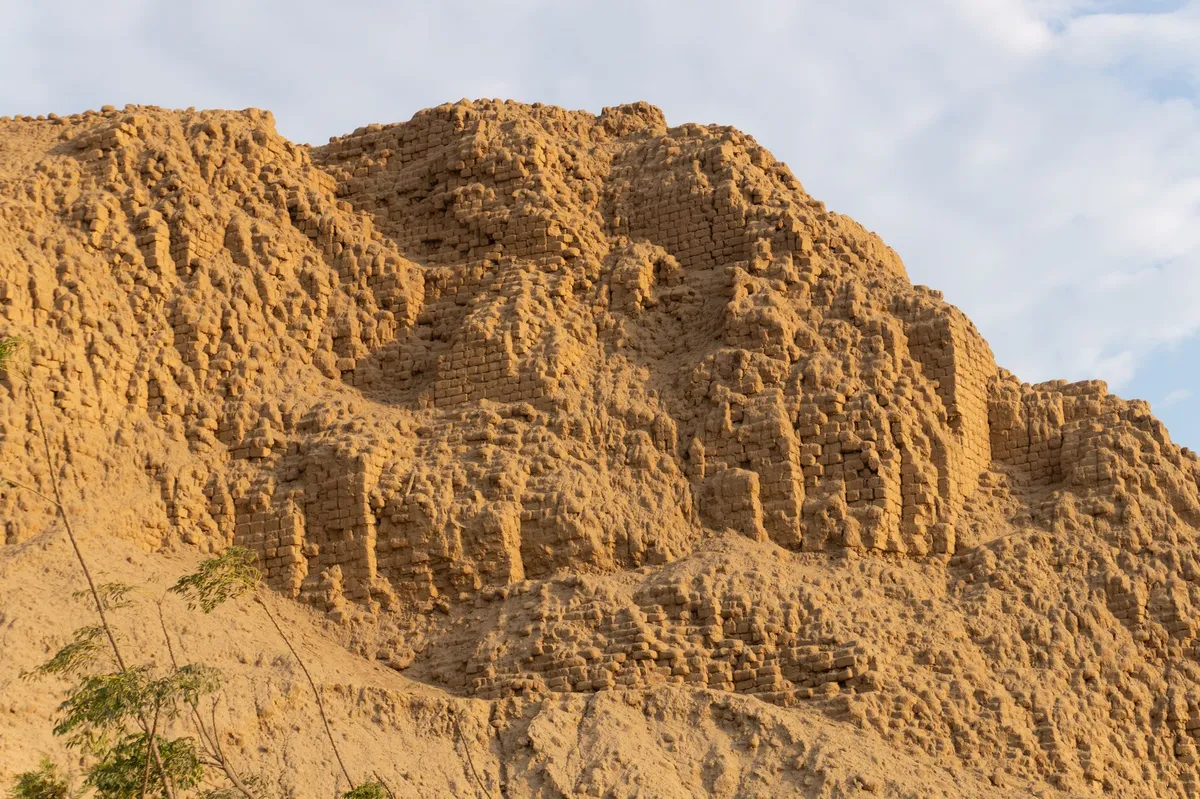
Foundations of Earth: The Mud‑Brick Mastery of Djenné Djenné rises from the floodplain of the Bani River like a mirage sculpted from sun‑baked clay. Its crown jewel, the Great Mosque, is the largest mud‑brick structure on the planet and a living testament to the Sudano‑Sahelian building tradition that has endured for over a millennium. Each year, after the rainy season, the community gathers for the Crepissage – a collective re‑plastering ritual where men, women, and children smear fresh banco (a mixture of mud, rice husks, and water) onto the mosque’s façade. This ceremony is not merely maintenance; it is a social contract that binds generations to the same earth that formed their ancestors’ homes. The architecture here follows a strict grammar: thick load‑bearing walls, tapered buttresses, and protruding toron (palm‑wood beams) that serve both as scaffolding for future repairs and as decorative rhythm across the façade. Roofs are flat, accessed by internal staircases, and often crowned with conical pinnacles that channel the rare but intense Sahelian rains away from the vulnerable mud. Inside, the prayer hall spans 75 metres by 30 metres, supported by a forest of 90 massive columns, each carved from a single trunk of Borassus aethiopum palm. The acoustic quality is remarkable – a whisper at the mihrab can be heard at the far end, a design feature that predates modern sound engineering by centuries. Beyond the mosque, the old town’s labyrinthine alleys reveal a domestic architecture that mirrors the public monuments. Courtyard houses, known locally as gueltas, are organized around a central open space that provides ventilation, light, and a private sanctuary from the scorching sun. Walls are typically 60–80 centimetres thick, offering thermal mass that keeps interiors cool by day and warm by night. Decorative motifs – geometric patterns, stylized lizards, and Quranic calligraphy – are incised into the wet plaster before it hardens, turning each façade into a page of communal memory. Visitors who wish to document this heritage should arrive early, when the low sun casts long shadows that accentuate the texture of the banco. A wide‑angle lens captures the mosque’s monumental scale, while a macro setting reveals the fingerprints of the artisans embedded in the plaster. Permission to photograph the interior during prayer times is granted only through the local Imam and the Association pour la Sauvegarde de Djenné; a respectful request, accompanied by a modest donation to the mosque’s maintenance fund, opens doors that remain closed to casual tourists. Timeless Scholars: Walking the Sandy Streets of Timbuktu Three hundred kilometres north‑west, Timbuktu sits on the southern fringe of the Sahara, its name synonymous with the quest for knowledge. The city’s three historic mosques – Sankore, Djinguereber, and Sidi Yahya – form a triangular nucleus of Islamic scholarship that once attracted students from Andalusia to the Swahili coast. Unlike Djenné’s monolithic mosque, Timbuktu’s sanctuaries are modest in scale but rich in intellectual legacy. Their walls, built from the same banco technique, hide libraries that once housed hundreds of thousands of manuscripts covering astronomy, law, medicine, and poetry. The Djinguereber Mosque, commissioned by Mansa Musa in 1327, showcases a distinctive sudano‑sahelian silhouette: a series of tiered minarets topped with ostrich‑egg finials, a motif that signals both spiritual aspiration and practical ventilation. Inside, the prayer hall is supported by rows of slender columns made from Acacia trunks, their surfaces smoothed by centuries of hands. The Sankore Mosque, originally a madrasa, features a courtyard lined with riwaqs (arcades) where scholars once debated theology under the shade of date palms. The Sidi Yahya Mosque, the smallest of the trio, is famed for its sealed door – a legend claims it will only open on the Day of Judgment. Walking the sand‑covered streets today, one encounters a city that has survived invasions, droughts, and the 2012‑2013 occupation that threatened its manuscript collections. Thanks to the Timbuktu Manuscripts Project and the UNESCO Emergency Safeguarding Programme, over 300,000 codices have been digitized, relocated, or restored. Local custodians, many of whom are descendants of the original ulama families, now guide visitors through climate‑controlled vaults where the fragile folios rest under low‑light LED panels. For the architectural documentarian, Timbuktu offers a study in adaptation. The mosques have been repeatedly repaired using locally sourced banco, yet each restoration respects the original qibla orientation and the spatial hierarchy established centuries ago. The toron beams protruding from the façades serve as permanent scaffolding, a design foresight that eliminates the need for external steel structures. Photographers should note the interplay of light through the mashrabiya‑style wooden screens – these lattice windows filter the harsh midday glare while allowing airflow, a passive cooling strategy that modern green architects are only now rediscovering. Navigating the Sahel: Logistics, Visas, and Real‑World Costs Reaching the twin jewels of Mali’s mud‑brick heritage demands careful planning. International flights land in Bamako, the capital, where most travelers secure a visa on arrival (valid for 30 days) or obtain an e‑visa through the Malian diplomatic portal before departure. A yellow‑fever vaccination certificate is mandatory, and the World Health Organization recommends prophylaxis for malaria, meningitis, and cholera. From Bamako, the journey to Djenné unfolds over a 12‑hour road trip (≈ 650 km) on the RN6, a paved highway that deteriorates into laterite tracks after Mopti. Shared bush taxis (minibuses) run daily, but a private 4×4 with a knowledgeable driver reduces travel time to nine hours and allows stops at the Mopti Grand Marché for supplies. The final leg to Timbuktu is either a 14‑hour overland trek via the RN15 (often impassable in the rainy season) or a 1‑hour charter flight from Mopti on a small turboprop operated by Air Mali or Sky Mali. Charter costs fluctuate; a round‑trip for four passengers typically ranges between US $1,200 and $1,800, depending on fuel surcharges. Accommodation options are modest but authentic. In Djenné, the Hotel Djenné and Auberge du Fleuve offer rooms with courtyard views for US $30–$45 per night, including breakfast. Timbuktu’s Hotel Azalaï and Campement de l’Amitié provide similar rates, though electricity can be intermittent; most lodges run on solar arrays backed by generators. Meals centered on tô (millet porridge), riz au gras, and grilled fish from the Niger River cost US $5–$10 per serving. According to Numbeo, Bamako’s cost‑of‑living index sits in the lower‑mid range for West African capitals, with a safety index reflecting the typical Sahelian environment – travelers should exercise standard precautions, avoid night travel outside major towns, and register with their embassy. Local guides, essential for navigating restricted manuscript sites and for cultural etiquette, charge US $50–$80 per day, inclusive of transport within the city. A concise budget for a seven‑day, two‑city itinerary (including flights, visas, ground transport, lodging, meals, guide fees, and a contingency) is presented below. Item Unit Cost (USD) Quantity Subtotal (USD)International flight (round‑trip) 1,200 1 1,200Visa (on arrival) 50 1 50Yellow‑fever certificate 30 1 30Bamako‑Djenné 4×4 (round‑trip) 350 1 350Mopti‑Timbuktu charter (round‑trip) 1,500 1 1,500Accommodation (7 nights) 40 7 280Meals (3 per day) 8 21 168Local guide (7 days) 65 7 455Manuscript site permits 20 3 60Contingency (10 %) — — 410Total Approx.4,603Seasonal Rhythms: When the Desert Breathes Life into Architecture The Sahel’s climate dictates every aspect of mud‑brick preservation and visitor experience. The harmattan (November–February) brings dry, dusty winds that strip moisture from the banco, causing surface cracking if not regularly re‑plastered. Conversely, the rainy season (June–September) delivers torrential downpours that can erode unprotected walls within hours. The optimal window for architectural documentation is the shoulder months of March–May and October–November, when temperatures hover between 28 °C and 35 °C, humidity is moderate, and the light is soft enough to reveal surface relief without harsh shadows. During the Crepissage in late April, Djenné’s entire population participates in a week‑long re‑plastering festival. This event offers a rare chance to witness the living tradition in action: scaffolding made from toron poles is erected, buckets of fresh banco are passed hand‑to‑hand, and chants in Bamanankan accompany the work. Photographers gain access to the mosque’s roof, normally off‑limits, and can capture the communal rhythm that has sustained the structure for centuries. In Timbuktu, the Festival au Désert (usually held in January) transforms the dunes surrounding the city into a stage for Tuareg music, poetry, and camel races. While the festival draws international crowds, it also strains local infrastructure; early booking of lodging and guides is essential. The cooler evenings provide ideal conditions for night‑time architectural photography – the mosques’ silhouettes against a star‑filled sky create a visual narrative that bridges ancient scholarship and contemporary cultural revival. Travelers should monitor the Mali Meteorological Agency alerts and the UN Office for the Coordination of Humanitarian Affairs (OCHA) security bulletins, as seasonal flooding can render the RN6 and RN15 impassable. Flexible itineraries, with buffer days built into the schedule, mitigate the risk of being stranded. Carrying a satellite messenger (e.g., Garmin inReach) ensures communication in areas where mobile coverage is non‑existent. Preserving the Past: Community Stewardship and Sustainable Tourism The longevity of Djenné and Timbuktu’s mud‑brick heritage rests on a delicate balance between conservation science and living culture. UNESCO’s World Heritage Committee mandates that any intervention respect the authenticity of materials, techniques, and social functions. In practice, this means that repairs must use locally sourced banco, traditional toron scaffolding, and the same hand‑troweling methods passed down through koranic apprenticeship systems. Modern cement, waterproof coatings Related InsightsWhispers of the Altai: Tracing Mongolia's Last Nomadic Trails – Part Two The Azores: Europe’s Hidden Paradise Where Wild Volcanoes Meet Turquoise Oceans (Part 2) Palacio de la Aljafería: Joya de Zaragoza{ "@context": "https://schema.org", "@type": "FAQPage", "mainEntity": [ { "@type": "Question", "name": "What is the main focus of Mud‑Brick Horizons: Documenting the Architectural Soul of Djenné and Timbuktu?", "acceptedAnswer": { "@type": "Answer", "text": "Explore the UNESCO‑listed mud‑brick heritage of Mali’s legendary cities, with practical logistics, seasonal insights, and community‑driven preservation." } }, { "@type": "Question", "name": "Who authored the comprehensive guide on Mud‑Brick Horizons: Documenting the Architectural Soul of Djenné and Timbuktu?", "acceptedAnswer": { "@type": "Answer", "text": "This detailed article and its insights were carefully researched and authored by Zola Ndlovu." } }, { "@type": "Question", "name": "Where can I find more related content about Travel?", "acceptedAnswer": { "@type": "Answer", "text": "You can explore more articles, detailed reviews, and similar insights by browsing the Related Insights section at the bottom of this article or visiting our dedicated Travel category page." } } ] }