Showing Posts From
Myanmartravel
-
 Chloe Tremblay
 - 11 Sep, 2026 21:12
The Inle Lake Odyssey: Where Humanity Choreographs a Symphony on Still Water
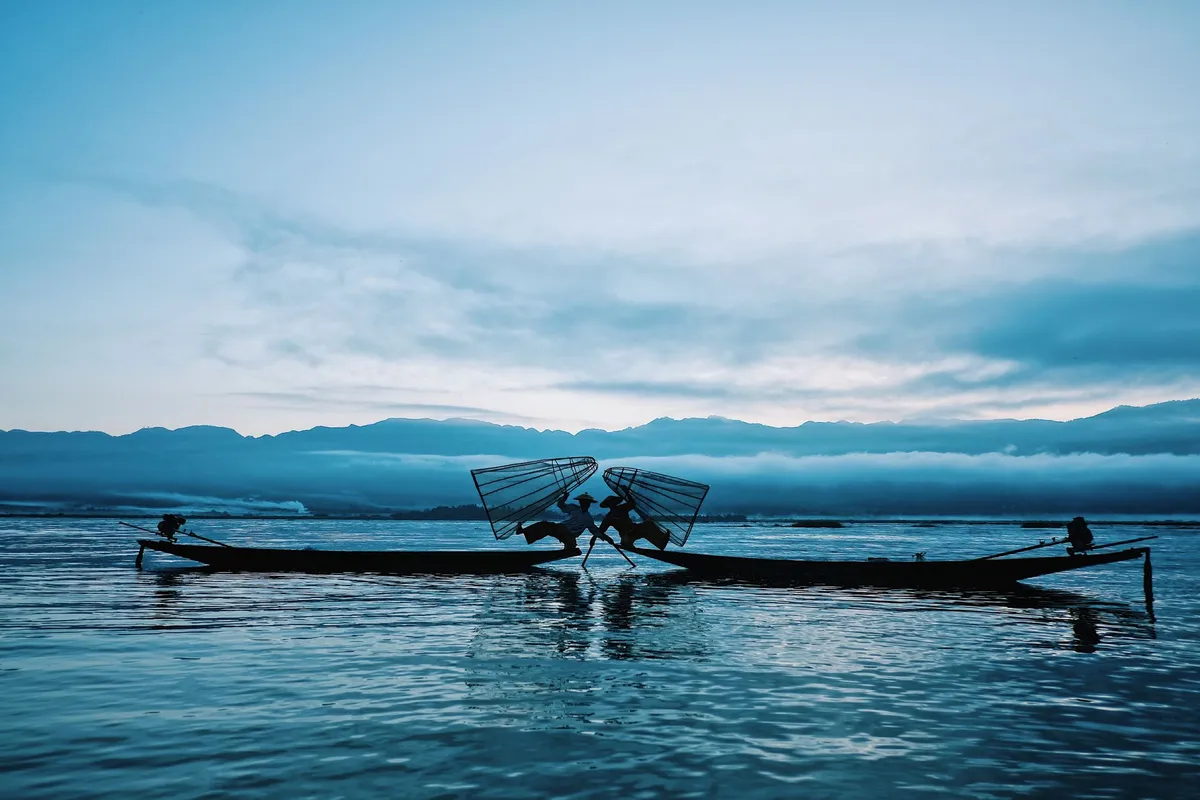
A Symphony of Balance: The Ethereal Art of Leg-Rowing The first time you witness a fisherman on Inle Lake, your perception of human equilibrium shifts entirely. As the morning mist clings to the surface of the water, creating a mirror effect that blurs the horizon, these men emerge like ghosts of a bygone era. Standing at the very stern of their narrow, wooden skiffs, they wrap one leg around the oar while balancing with impossible grace. This is not merely a method of navigation; it is a cultural signature of the Intha people, an ethnic group whose name literally translates to "sons of the lake." In the cool dawn air, you will see them casting their iconic conical nets. The technique requires a rhythmic, almost hypnotic motion, a dance that has been refined over centuries. The leg-rowing style was developed out of necessity; the lake is choked with dense reeds and floating vegetation, making traditional rowing obscured and difficult. By standing, the fisherman gains a panoramic view of the water, allowing him to spot schools of fish hiding beneath the surface mats and avoid the treacherous weeds that might tangle a submerged paddle. Beyond the aesthetics, there is a profound scientific harmony here. The Intha fishermen have mastered the art of sustainable harvesting. They do not overfish; they treat the lake as a living, breathing pantry. As you glide past them in a longtail boat, you notice the silence. The motor of your boat is an intruder, but the fisherman’s world remains quiet, punctuated only by the soft splash of the oar and the call of migrating birds. Understanding this balance is the key to appreciating Inle. It is a place where industrial ambition has no place, and human survival is deeply tethered to the health of the aquatic ecosystem. If you visit, I implore you to hire a local boatman rather than a commercial tour agency. The revenue stays within the village, supporting families who have protected these waters for generations, and you get an authentic, unscripted lesson in the hydro-geography of this high-altitude wetland.Horticultural Miracles: Feeding a Nation from Floating Soil If the fishermen represent the heart of Inle, the floating gardens—or in-ye—represent its industrious spirit. These are not just clusters of plants; they are marvels of human ingenuity that seem to defy the laws of gravity. Intha farmers harvest the thick, buoyant mats of water hyacinth and decaying organic matter from the lake, anchoring them to the bottom with sturdy bamboo poles. Over years, these mats become so thick and nutrient-dense that they can support the weight of a person. The result is a fertile, self-irrigating soil that yields the most vibrant tomatoes, chilies, and beans in all of Myanmar. Walking (or rather, boating) through these garden rows, you are essentially traversing a landscape that is constantly shifting. The water level fluctuates with the monsoon seasons, but the gardens move with it, rising and falling in a rhythmic, symbiotic cycle. It is a masterclass in permaculture that predates the modern sustainable movement by hundreds of years. The produce grown here supplies markets as far away as Yangon. You will notice that the vegetables have a distinct flavor, often attributed to the mineral-rich silt and the unique aquatic microclimate. For the traveler, this offers a unique gastronomic journey. In the floating villages, you can enjoy a meal where the ingredients were harvested less than a hundred yards from your table. Whether it is a spicy tomato salad dressed in local lime or a hearty bean soup, the freshness is unparalleled. However, as an expert, I must advise you to look beyond the tourist traps. Visit the Maing Thauk village or the smaller, less commercialized garden zones near the southern shores. There, you can witness the irrigation process where farmers pump water from the lake directly into the raised beds. It is a fragile balance, though. Rising temperatures and fluctuating rainfall are putting pressure on these gardens, and as a visitor, your role is to observe with profound respect, ensuring your presence does not contribute to the erosion of the delicate bamboo anchors that keep these floating plots from drifting into the open lake. A Budgetary Compass: Navigating the Real Cost of the Lake Planning a journey to Inle requires a granular understanding of the local economy. While Myanmar has seen fluctuations in its cost-of-living indices, the region surrounding Nyaung Shwe and Inle Lake remains an accessible destination for the mindful traveler, provided you navigate the currency and market realities with foresight. Drawing from extensive data collected by global cost-of-living databases, we can establish a clear baseline for what to expect in 2026. Prices in the lake region are influenced by logistics; while the produce is local, imported goods—such as high-quality toiletries, specialized electronics, or international-grade coffee—must be transported into the Shan State mountains, which adds a premium. However, the cost of a traditional meal, a stay in a locally-run guesthouse, and boat transport remains highly competitive compared to global tourist hubs. Below, I have synthesized current pricing trends to help you prepare your travel budget effectively.Category Typical Cost (USD Equivalent) NotesBoat Rental (Full Day) $15.00 – $25.00 Includes boatman and fuel for multiple stopsTraditional Intha Meal $3.00 – $7.00 Local restaurants, seasonal vegetablesMid-range Guesthouse (Night) $25.00 – $45.00 Includes breakfast and water amenitiesMarket Entrance/Village Fee $2.00 – $5.00 Often part of regional tourism taxesBottled Water (Large) $0.50 – $1.00 Always choose purified/sealed bottlesLocal Bicycle Rental $2.00 – $4.00 Best way to explore Nyaung Shwe inlandThis table serves as a realistic benchmark. Remember that bargaining is a part of the market culture, but do so with kindness and dignity. When you are paying for a boat, remember that the price covers not just the fuel, but the skill required to navigate the labyrinthine canals and the maintenance of the boat itself. While the exchange rates and inflation can shift, the local currency (Kyat) often fluctuates, so keeping a supply of smaller denominations is essential for market purchases. Always check for the most current localized data on the morning of your departure to avoid being blindsided by sudden spikes in fuel costs, which often dictate the price of boat tours.Spiritual Sanctuaries and the Architecture of Devotion The cultural topography of Inle Lake is anchored by its monasteries and pagodas, which serve as the spiritual bedrock of the Shan people. The most famous, the Phaung Daw U Pagoda, houses five small, gilded Buddha statues that have been so heavily covered in gold leaf by devoted pilgrims over the decades that they have lost their original shapes, appearing now as mere golden blobs. During the annual pagoda festival, these statues are paraded around the lake on a magnificent, swan-shaped royal barge, a spectacle that draws thousands of devotees. Traveling deeper into the water-borne landscape, you will find the Nga Phe Kyaung Monastery, once famous for its "jumping cats." While the monks no longer train the cats to leap through hoops, the monastery itself is a breathtaking example of Shan wood-carving architecture. Built on stilts over the water, it feels as though the entire structure is floating in meditation. As you move through the creaky, dark-wood corridors, you hear the low, rhythmic chanting of novices, a sound that seems to harmonize with the lap of water against the floorboards. These sites are not merely tourist attractions; they are active, living spaces of devotion. When entering a monastery, remember the etiquette: cover your shoulders and knees, remove your footwear, and always ask permission before taking photographs of the monks. The Intha people are deeply hospitable, but their faith is private. To truly understand this place, you must witness the sunset from the terrace of a nearby pagoda. As the golden hour hits the water, the light reflects off the distant Shan mountains, and the entire lake turns into a sheet of hammered copper. It is in these moments of transition—between the busy marketplace and the quiet prayer hall—that the essence of Inle reveals itself. It is a place that demands patience. If you rush, you see only the surface; if you linger, you begin to see the centuries of history held within the silt and the prayer beads.Preserving the Pulse of a Liquid Ecosystem The sustainability of Inle Lake is perhaps the most critical narrative for any visitor to consider in 2026 and beyond. This is an ecosystem under stress. Runoff from agricultural fertilizers, the accumulation of plastic waste from increasing tourism, and the encroaching development along the banks are all visible signs of a system that is struggling to maintain its integrity. As a traveler, your footprint is significant. The choice to stay in an eco-lodge rather than a large hotel, the decision to avoid plastic water bottles in favor of a filtered bottle, and the refusal to buy crafts made from endangered wood or protected wildlife are all acts of advocacy. Local communities are increasingly aware of these threats. Various environmental initiatives have been launched to manage the water hyacinth population and control the siltation levels. By visiting responsibly, you provide the local economy with the incentives necessary to continue these protection efforts. When you hire a boat, ask the operator about the health of the lake. They are the frontline observers of these changes, and their anecdotal evidence is more reliable than any brochure. Beyond the environmental aspects, there is the socio-economic reality. The lake is a region of high resilience. Despite the challenges, the Intha and Shan people continue to educate their children, maintain their traditions, and invite the world to see their beauty. Your visit is a contribution to their resilience. Ensure your travel dollars support local cooperatives rather than external conglomerates. When you buy a scarf from a Kayan weaving workshop, ensure it is the work of a local artisan. When you eat, choose the family-owned café where the grandmother is still in the kitchen. As your time on the lake draws to a close, and the longtail boat makes its final journey back to the jetty at Nyaung Shwe, take one last look at the leg-rowers. They are the guardians of this liquid world. They have seen the world change, seen the climate shift, and seen the tourists arrive, yet they remain tethered to the water. The Inle Lake experience is not about ticking a box on a map; it is about recognizing the delicate, beautiful, and sometimes precarious dance between humanity and nature. It is a reminder that in some corners of the world, we still live by the rhythm of the tides and the cycle of the sun. Carry the stillness of the lake with you long after the water has dried from your shoes. Inle is not just a destination; it is a lesson in how to float, how to balance, and how to survive with grace. #InleLake #MyanmarTravel #SustainableTourism #CulturalHeritage #OffTheBeatenPath Related InsightsThe Sunken City of Kekova Yellowstone: The Fiery Heart of the American West Beyond the Supermarket Aisle: A Gastronomic Odyssey Through Earth’s Most Exotic Fruits{ "@context": "https://schema.org", "@type": "FAQPage", "mainEntity": [ { "@type": "Question", "name": "What is the main focus of The Inle Lake Odyssey: Where Humanity Choreographs a Symphony on Still Water?", "acceptedAnswer": { "@type": "Answer", "text": "Discover the ethereal beauty of Myanmar’s Inle Lake, where unique leg-rowing fishermen and miraculous floating gardens define a timeless way of life." } }, { "@type": "Question", "name": "Who authored the comprehensive guide on The Inle Lake Odyssey: Where Humanity Choreographs a Symphony on Still Water?", "acceptedAnswer": { "@type": "Answer", "text": "This detailed article and its insights were carefully researched and authored by Chloe Tremblay." } }, { "@type": "Question", "name": "Where can I find more related content about Travel?", "acceptedAnswer": { "@type": "Answer", "text": "You can explore more articles, detailed reviews, and similar insights by browsing the Related Insights section at the bottom of this article or visiting our dedicated Travel category page." } } ] }