Showing Posts From
Native son
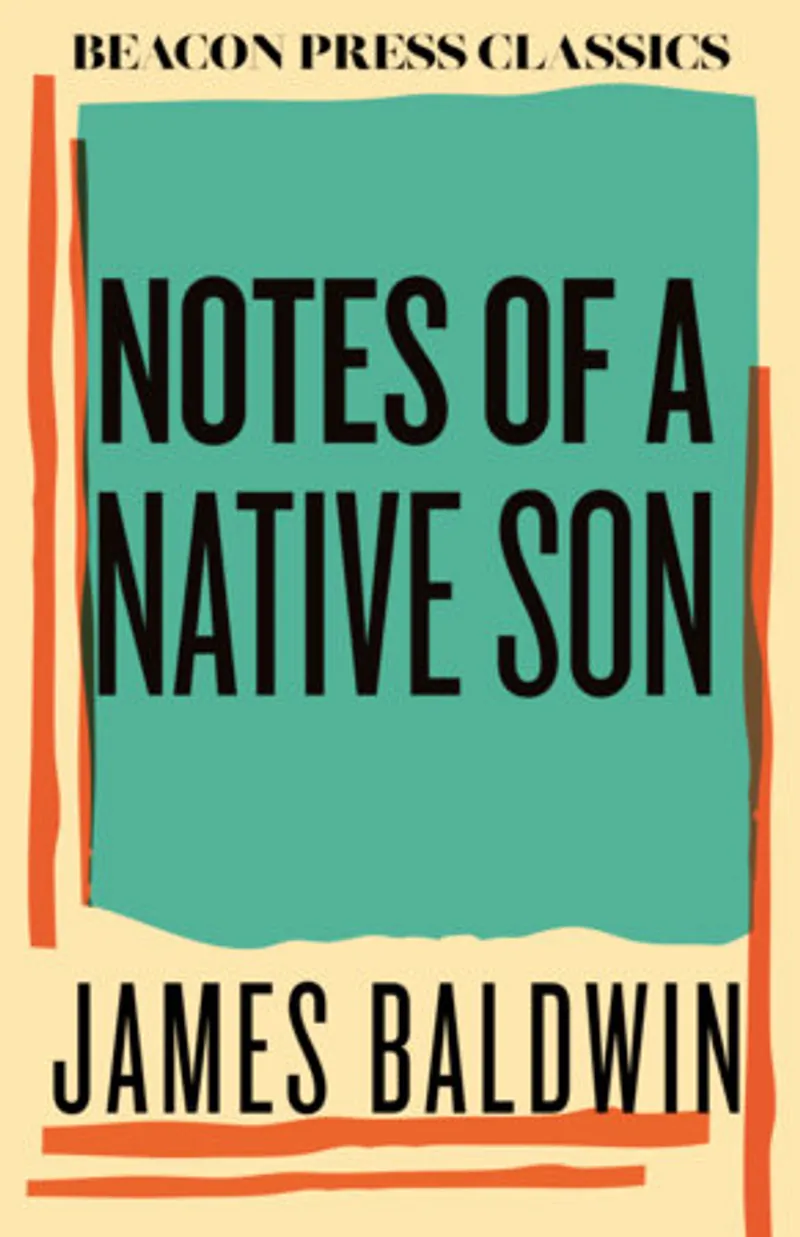
Notes of a Native Son Author: James BaldwinPage Count: UnknownPublication Date: 2025-PRH James Baldwin’s Notes of a Native Son is not just a book—it is a mirror held up to America, a searing indictment of its racial hypocrisy, and a testament to the unshakable power of truth. Even decades after its original publication in 1955, Baldwin’s voice remains electric, his words a blade that cuts through the fog of denial that still surrounds discussions of race in the United States. This deluxe hardcover edition, part of the Beacon Classics series, is a necessary reintroduction to an essential work, one that forces readers to confront uncomfortable realities with unflinching clarity. At its core, Notes of a Native Son is about identity—what it means to be Black in a country that has historically denied Black humanity, and how Baldwin himself grappled with that identity. The essays are a fusion of autobiography and social critique, where personal pain and public outrage intertwine. Baldwin doesn’t just describe the violence of racism; he dissects its psychological and emotional toll with surgical precision. In the title essay, he recounts the death of his father, a man consumed by bitterness and rage, and the way that rage echoed through Baldwin’s own life. The essay is a masterclass in introspection, where grief becomes a lens to examine the broader structures of oppression. “I loved my father, but I did not love his hatred,” Baldwin writes, capturing the generational cycle of pain that racism perpetuates. Baldwin’s style is what makes this book so devastating. He writes with a poet’s lyricism and a preacher’s fire, blending intellectual rigor with raw emotional force. His sentences are long, winding, and hypnotic, pulling the reader into a rhythm that feels both comforting and unsettling. He doesn’t just argue—he sings, he laments, he indicts. In “Everybody’s Protest Novel,” he dismantles the simplistic narratives of Black suffering, arguing that art must do more than merely document oppression; it must reveal the complexity of human experience. This essay alone is a blueprint for how to write about race with both moral urgency and artistic integrity. One of the most striking aspects of Notes of a Native Son is Baldwin’s ability to see both sides of the racial divide without excusing either. He doesn’t reduce white Americans to villains, nor does he absolve them of responsibility. Instead, he writes about the “innocent” white woman who crosses the street to avoid him, not with anger, but with a weary understanding of the fear that drives such actions. He writes about the Black expatriates in Paris, who flee America’s racism only to find that it follows them in different forms. Baldwin’s genius lies in his refusal to simplify. He acknowledges the humanity of his oppressors even as he exposes the cruelty of their systems. The essays in this collection are not just historical artifacts; they are prophetic. Baldwin writes about the protest novel, the Black church, the allure of Europe for Black artists, and the political violence of the Jim Crow South with a clarity that feels eerily prescient. His observations about the performative nature of white liberalism—how it often seeks to alleviate guilt rather than dismantle injustice—could have been written yesterday. In “A Report from Occupied Territory,” he describes the police as an occupying force in Harlem, a phrase that resonates in an era of mass incarceration and militarized policing. Baldwin understood, long before it became a cliché, that racism is not just personal prejudice but a systemic force that shapes every institution of American life. What makes Notes of a Native Son so enduring is Baldwin’s refusal to offer easy answers. He doesn’t promise redemption or revolution; he offers something far more valuable: the truth. And the truth, as he presents it, is both liberating and painful. It forces the reader to ask: What does it mean to be free in a country that has never truly reckoned with its sins? Baldwin doesn’t provide a roadmap, but he does something more important—he gives us the language to ask the right questions. This new edition, with its striking design and thoughtful presentation, is a reminder that Baldwin’s work is not just for the past; it is for the present. In a time when racial justice movements are once again reshaping the national conversation, Notes of a Native Son is a necessary companion. It doesn’t just tell us what it means to be Black in America—it tells us what it means to be human in a world that has too often denied that humanity to people of color. James Baldwin once wrote, “Not everything that is faced can be changed, but nothing can be changed until it is faced.” Notes of a Native Son is Baldwin facing America head-on, and in doing so, he forces us to face ourselves. #JamesBaldwin #NotesOfANativeSon #RacialJustice #AmericanLiterature #CivilRights #BlackVoices Related InsightsBetween Shades of Gray Book Review and Summary The last time I lied Book Review and Summary Going the Distance: Stallone, Philly, and the Story of Rocky Book Review and Summary{ "@context": "https://schema.org", "@type": "FAQPage", "mainEntity": [ { "@type": "Question", "name": "What is the main focus of Native Son Book Review and Summary?", "acceptedAnswer": { "@type": "Answer", "text": "Everything you need to know about Native Son with our detailed review." } }, { "@type": "Question", "name": "Who authored the comprehensive guide on Native Son Book Review and Summary?", "acceptedAnswer": { "@type": "Answer", "text": "This detailed article and its insights were carefully researched and authored by Richard Wright." } }, { "@type": "Question", "name": "Where can I find more related content about Books?", "acceptedAnswer": { "@type": "Answer", "text": "You can explore more articles, detailed reviews, and similar insights by browsing the Related Insights section at the bottom of this article or visiting our dedicated Books category page." } } ] }