Showing Posts From
Nero
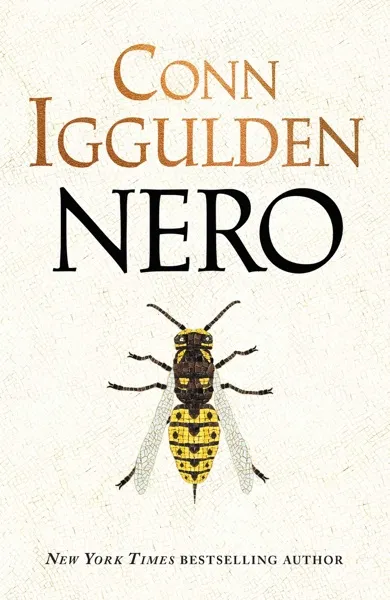

Nero Author: Conn IgguldenPage Count: UnknownPublication Year: 2024-GB Conn Iggulden’s Nero is a masterclass in historical fiction—an enthralling dive into the life of one of Rome’s most infamous emperors, where power, ambition, and decadence collide in a spectacle of fire and folly. As the latest installment in Iggulden’s Emperor series, this book does more than retell history; it reimagines it with the visceral intensity of a playwright’s pen and the meticulous research of a scholar. For readers who crave not just facts but the pulse of an era, Nero is a mesmerizing descent into the mind of a man who burned the world to see if he could be its light. At its core, Nero explores the corrupting allure of power and the fragility of legacy. Nero, the last of the Julio-Claudian dynasty, is often reduced to a caricature—fiddling while Rome burned, the archetypal tyrant. But Iggulden strips away the myth to reveal a complex figure: a man shaped by trauma, raised in a court of intrigue, and burdened by the weight of expectation. The book doesn’t glorify him; it dissects him. Nero’s reign is a study in contradictions—brilliant yet volatile, charismatic yet cruel, a poet at heart who became a monster by circumstance. Iggulden forces us to ask: Was Nero a victim of his own nature, or did the throne itself twist him into something monstrous? The novel’s strength lies in its dual narrative: the rise of Nero as emperor and the parallel descent of Rome into chaos. The fire of 64 AD, often framed as Nero’s doing, is here presented with nuance. Was it arson? Negligence? Or simply the inevitable collapse of a city built on borrowed time? Iggulden leans into ambiguity, letting the reader grapple with the same questions that haunted Nero’s contemporaries. The Great Fire becomes a metaphor for the empire itself—glorious, fragile, and on the brink of self-destruction. Iggulden’s prose is the book’s greatest weapon. His writing is taut, rhythmic, and unflinching, mirroring the tension of Nero’s reign. He excels at dialogue, giving his characters the cadence of real speech while maintaining historical authenticity. Nero’s voice—petulant, poetic, paranoid—leaps off the page, making him more than a historical figure; he becomes a man we pity even as we revile him. The supporting cast is equally vivid: Agrippina, Nero’s mother, is a force of nature, her ambition and cunning rendered with chilling precision; Seneca, the philosopher, is a puppet master pulling strings, his wisdom tinged with cowardice. Even minor characters, like the slave Britannicus or the courtesan Acte, are given depth, their fates weaving into the tapestry of Nero’s downfall. What sets Iggulden apart from other historical novelists is his ability to balance spectacle with substance. The novel is drenched in the sensory details of ancient Rome—its smells, its sounds, its brutal hierarchies. You can almost taste the wine at Nero’s banquets, feel the heat of the flames, hear the whispers of betrayal in the imperial palace. Yet beneath the opulence lies a sharp critique of power. Iggulden doesn’t just recount events; he interrogates them. Why do we remember Nero as a madman when his predecessors were no less brutal? Was his artistry a crime, or was his real crime failing to be the ruthless ruler Rome demanded? The book’s pacing is relentless, mirroring Nero’s own manic energy. The first half races through his early years, his mother’s manipulations, and his ascent to power, while the second half slows to a simmering boil as Nero’s grip on reality—and his empire—slips. The tragedy of Nero isn’t his downfall but his inability to escape the roles he was forced into. He wanted to be a poet, a musician, a performer, but Rome would only let him be an emperor—at any cost. Nero is not just a book about history; it’s a meditation on art, power, and the cost of living in a world that refuses to see you as more than a caricature. Iggulden doesn’t offer easy answers, but he does something better: he makes us care about the man behind the myth. By the final pages, when the smoke clears and Nero’s fate is sealed, you’ll close the book with a sense of melancholy—not just for the man, but for the empire that consumed him. If Nero has a flaw, it’s that its historical precision sometimes slows the narrative. Certain scenes, while fascinating, may test readers who prefer a faster pace. But this is a minor quibble in a novel that otherwise delivers on every promise. Iggulden’s Nero is not just a character; he’s a warning. For fans of immersive historical fiction, this is a must-read. For those who’ve never picked up a book about ancient Rome, this might just be the one to change their minds. #Nero #HistoricalFiction #AncientRome #ConnIggulden #EmperorSeries #RomanEmpire Related InsightsCapital Mysteries #12: The Ghost at Camp David Book Review and Summary A Good Man on a Dark Night Book Review and Summary A Beautiful Lie Book Review and Summary{ "@context": "https://schema.org", "@type": "FAQPage", "mainEntity": [ { "@type": "Question", "name": "What is the main focus of Nero Book Review and Summary?", "acceptedAnswer": { "@type": "Answer", "text": "Everything you need to know about Nero with our detailed review." } }, { "@type": "Question", "name": "Who authored the comprehensive guide on Nero Book Review and Summary?", "acceptedAnswer": { "@type": "Answer", "text": "This detailed article and its insights were carefully researched and authored by Anna Kowalska." } }, { "@type": "Question", "name": "Where can I find more related content about Books?", "acceptedAnswer": { "@type": "Answer", "text": "You can explore more articles, detailed reviews, and similar insights by browsing the Related Insights section at the bottom of this article or visiting our dedicated Books category page." } } ] }