Showing Posts From
Night of the mallrat
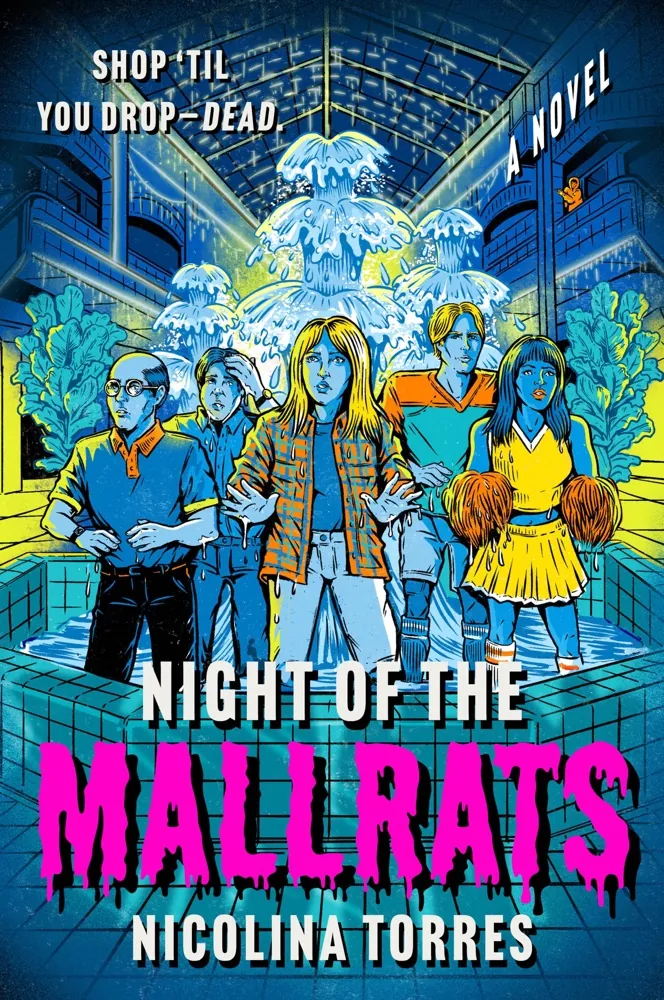

Author: Nicolina TorresPage Count: UnknownPublication Date: Expected publication 2026-10-06 APL The mall’s fluorescent lights flicker like the last dying embers of a generation—that generation, the one that still believes in the magic of a Beanie Baby or the existential dread of a Buffy episode. Night of the Mallrats arrives with the same kind of nostalgic bait-and-switch as The Last of Us’s first act, where the past isn’t just a memory but a living, breathing entity with teeth. The synopsis teases a time-travel thriller, but the real hook is the way it weaponizes 90s nostalgia—because nothing says "haunting" like a condemned mall where the only ghosts are the ones you invited back. The premise is a masterclass in false intimacy. Five friends reunite at the Beechnut Mall, a relic of their youth, only to be yanked back to 1994—the year the O.J. trial ended—where they must solve the disappearance of Beth Packard. The problem? The synopsis doesn’t tell you whether this is a Groundhog Day loop or a Dark episode where the past is a prison. Is the mall a sentient entity, or is it just a really good actor? The ambiguity is deliberate, but it also feels like the kind of hand-wavy plotting that would make The Ring’s original script look like a blueprint. And yet—there’s something thrilling about the way it leans into the 90s as a character. The mall isn’t just a setting; it’s a time capsule of failed dreams, Tamagotchis that died, and the kind of betrayals that still sting after three decades. The thematic core here is nostalgia as a curse—a concept that’s been mined by everyone from Twin Peaks to Hereditary, but rarely with this much mall-specific venom. The friends aren’t just reliving their past; they’re being forced to confront the lies they told themselves then, the ones they still tell now. The synopsis hints at fatal truths about each other, which is either a brilliant setup for a Big Little Lies meets The Stepford Wives twist or a lazy excuse for character assassination. The real question is: Will the book treat this as a psychological horror (like Sharp Objects) or a campy revenge fantasy (like The Craft)? The synopsis doesn’t say, and that’s the problem—it’s too busy selling the idea of the mall as a villain rather than the specificity of its terror. But then—the pivot. Maybe the mall isn’t the monster. Maybe the monster is the idea of never growing up. The synopsis mentions "lies and betrayals," which could mean anything from a Gossip Girl scandal to a Se7en-level descent into madness. And that’s where the book could either shine or collapse. Because if Night of the Mallrats is going to be anything like The Secret History meets Stranger Things, it needs to make the 90s feel alive—not just as a backdrop, but as a force that shapes the characters. Right now, the synopsis reads like a Halloween movie pitch: "What if the mall was haunted?" But the best horror doesn’t ask what if—it shows you why. The blurbs are telling. Maggie Thrash calls it "non-stop spooky joy," which is either a backhanded compliment or a sign that the book is leaning into camp over chills. Sadie Hartmann’s praise is more damning: "101 Horror Books to Read Before You’re Murdered" is a list that includes The Babadook and Mexican Gothic, so if Night of the Mallrats feels like a Halloween movie with a True Detective script, it might not make the cut. The real test will be whether the book can balance the nostalgic warmth of Eternal Sunshine with the visceral dread of The Witch. Right now, it’s just a mall with a mystery—and that’s not enough. The family dog just ate my chapter outline. It’s probably chewing on the bones of whatever this book could’ve been. #Mallrats #TimeTravelTrouble #NostalgiaIsAWeapon #HorrorThatDoesntKnowItsOwnStrength #BeanieBabyBloodbath Related InsightsThe Day the World Ended at Little Bighorn Book Review and Summary The Favorite Book Review and Summary I Am the Messenger Book Review and Summary{ "@context": "https://schema.org", "@type": "FAQPage", "mainEntity": [ { "@type": "Question", "name": "What is the main focus of Night of the Mallrats Book Review and Summary?", "acceptedAnswer": { "@type": "Answer", "text": "Everything you need to know about Night of the Mallrats with our detailed review." } }, { "@type": "Question", "name": "Who authored the comprehensive guide on Night of the Mallrats Book Review and Summary?", "acceptedAnswer": { "@type": "Answer", "text": "This detailed article and its insights were carefully researched and authored by Sofia Bianchi." } }, { "@type": "Question", "name": "Where can I find more related content about Books?", "acceptedAnswer": { "@type": "Answer", "text": "You can explore more articles, detailed reviews, and similar insights by browsing the Related Insights section at the bottom of this article or visiting our dedicated Books category page." } } ] }
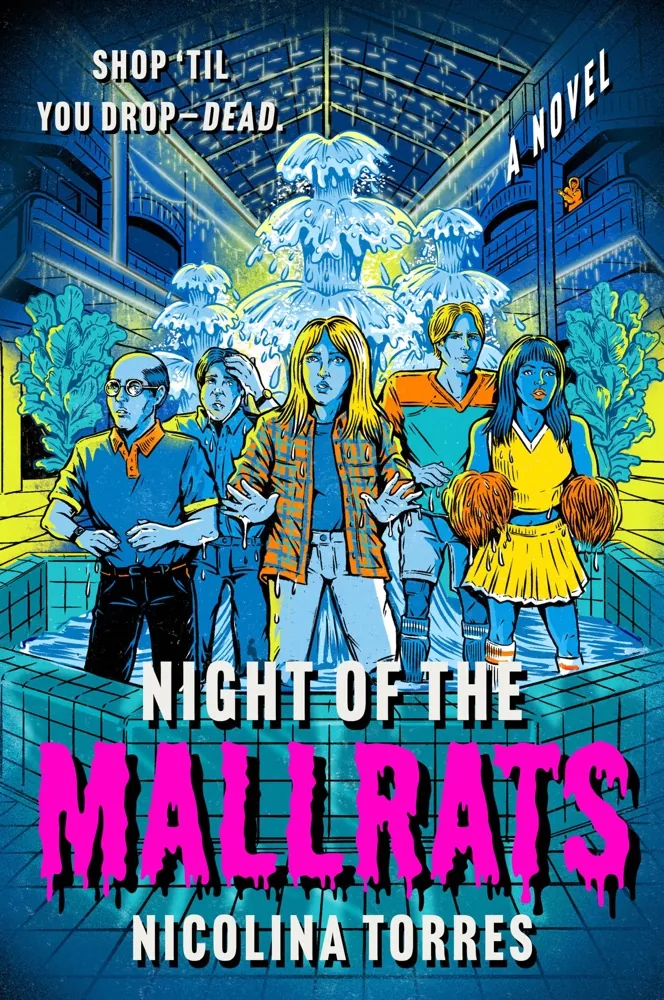

Author: Nicolina TorresPage Count: UnknownPublication Date: Expected publication 2026-10-06 APL The neon glow of a mall’s parking lot—empty now, but once humming with the kind of youthful chaos that only the ‘90s could manufacture—lingers in the synopsis like a half-buried corpse. Night of the Mallrats isn’t just a time-travel thriller; it’s a Jaws for nostalgia addicts, where the real horror isn’t the monster but the realization that the past was never as shiny as you remembered. Nicolina Torres seems to have swallowed a whole True Detective season and a Stranger Things binge in one gulp, then spat out something slick and unhinged. The premise is so 2024—five friends, a condemned mall, a missing girl from their past—yet it’s also so 1994, because the synopsis drips with the kind of deliberate anachronistic charm that only a writer who’s never actually been to a mall in the ‘90s could pull off. The Beechnut Mall isn’t just a setting; it’s a character, a Gothic villain in its own right, its abandoned corridors whispering secrets like a Rebecca protagonist who’s been dead for thirty years. But here’s the thing: the synopsis doesn’t show us the mall. It tells us it’s haunted, which is the literary equivalent of handing someone a Ouija board and saying, “Go on, ask it about the murder.” Where’s the sensory dread? Where’s the physical weight of the fluorescent lights buzzing like a swarm of angry bees? The description of the mall’s decay is more atmospheric than visceral—like reading a Twilight fanfiction where the vampires are just really moody. And then there’s the time-travel bit, which is either a gimmick or a missed opportunity. The synopsis frames it as a lost souls scenario—these friends are dragged back to the night Beth Packard vanished, forced to confront their own complicity in her disappearance. But where’s the mechanism? Is this a Groundhog Day loop? A Dark universe where time is a prison? Or is it just a lazy way to say, “Oh, and also, they’re stuck in the past”? The synopsis doesn’t even hint at the rules of the time jump, which is sloppy—like serving a five-course meal and forgetting to include the main dish. Compare this to The Time Traveler’s Wife, where the mechanics are obsessive, or Annihilation, where the rules are poetic and terrifying. Here, it feels like Torres is too busy waxing nostalgic about Beanie Babies to bother with the logistics of time itself. The real gold in this synopsis is the psychological angle—the idea that the friends are drawn back not just to solve a mystery, but to unravel each other. That’s promising, if vague. It’s the kind of setup that could either be brilliant (think Gone Girl meets The Stepford Wives) or painfully predictable (think The Breakfast Club but with more stabbing). The synopsis doesn’t give us enough to judge, but it does tease the kind of betrayal that could make this book unputdownable—if Torres has the guts to follow through. Right now, it reads like a Halloween movie script that’s been softened for a YA audience: the stakes are high, but the execution feels safe. And yet—there’s something deliciously campy about the whole thing. The title alone is a delightful bit of self-aware schlock, like if Scream and Clueless had a love child. The synopsis leans into the irony of the ‘90s nostalgia—Glamour Shots, Lisa Frank, the hollow promise of mall culture—while also promising something darker, something vengeful. It’s the kind of book that could either be a masterclass in nostalgic horror (like The Last Time I Lied meets Ready Player One) or a disappointing mess of unearned dread. The synopsis doesn’t convince me one way or the other, which is frustrating—but then again, that’s the point of a good synopsis, isn’t it? To leave you itching for more. I need to review the itinerary for my European book tour—because if this book lives up to its potential, I’m going to need a very strong drink in each city. #BookTok #HorrorLit #NostalgiaGoneWrong Related InsightsBlack Officer, White Navy Book Review and Summary Blood of Rome Book Review and Summary Bohemians on the Breadline: The Radical Women Artists of Roosevelt's New Deal Book Review and Summary{ "@context": "https://schema.org", "@type": "FAQPage", "mainEntity": [ { "@type": "Question", "name": "What is the main focus of Night of the Mallrats: A Novel Book Review and Summary?", "acceptedAnswer": { "@type": "Answer", "text": "Everything you need to know about Night of the Mallrats: A Novel with our detailed review." } }, { "@type": "Question", "name": "Who authored the comprehensive guide on Night of the Mallrats: A Novel Book Review and Summary?", "acceptedAnswer": { "@type": "Answer", "text": "This detailed article and its insights were carefully researched and authored by Lucia Garcia." } }, { "@type": "Question", "name": "Where can I find more related content about Books?", "acceptedAnswer": { "@type": "Answer", "text": "You can explore more articles, detailed reviews, and similar insights by browsing the Related Insights section at the bottom of this article or visiting our dedicated Books category page." } } ] }