Showing Posts From
No country for old m
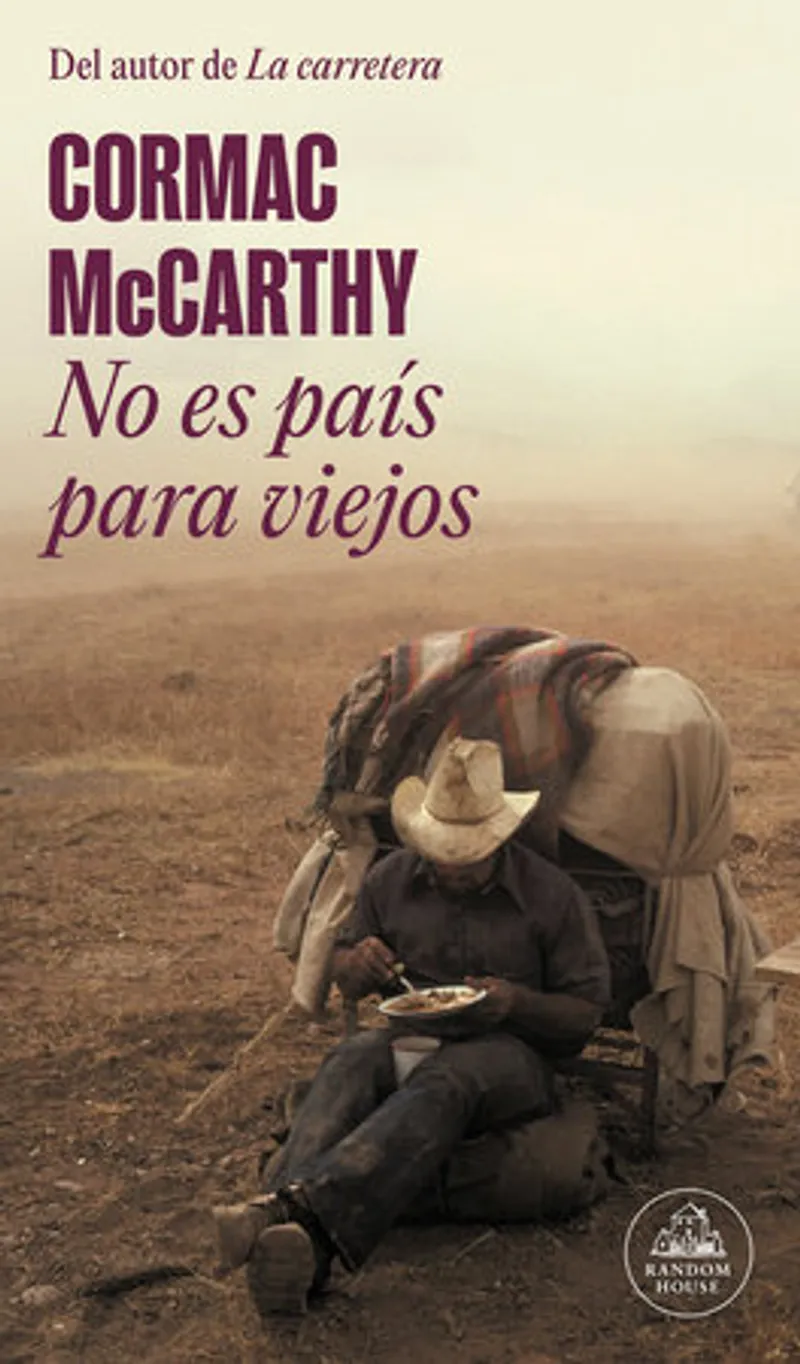
No es país para viejos / No Country for Old Men Author: Cormac McCarthyPage Count: UnknownPublication Date: 2023-PRH A Relentless Descent into Chaos: Cormac McCarthy’s No Country for Old Men Cormac McCarthy’s No Country for Old Men is not just a crime novel—it’s a brutal, philosophical reckoning with fate, violence, and the illusion of control in a world where evil is not just present but inevitable. Set against the sun-baked, lawless expanse of the Texas-Mexico border, the book strips away the glamour of the thriller genre to reveal something far more unsettling: a universe where morality is arbitrary, and survival is a matter of luck rather than virtue. At its core, the novel is a chase—a cat-and-mouse game between Llewellyn Moss, a hardened Vietnam vet who stumbles upon a drug cartel’s bloodied massacre and the two million dollars left behind; Anton Chigurh, a psychopathic hitman whose coin-flip philosophy masks a nihilistic god complex; and Sheriff Ed Tom Bell, a weary lawman clinging to a vanishing code of honor. But McCarthy’s genius lies in how he transforms this premise into a meditation on the nature of evil and the futility of resistance. Chigurh isn’t just a villain—he’s a force of nature, a man who kills not out of greed or rage but because he believes in the inevitability of suffering. His infamous coin-toss scene, where he forces a gas station proprietor to gamble his life, isn’t just shocking—it’s a chilling indictment of free will. If Chigurh represents the random cruelty of the universe, Moss embodies the stubborn, doomed human instinct to defy it. McCarthy’s prose is as stark and unflinching as the landscape he describes. His sentences are lean, devoid of adornment, yet laced with a poetic precision that makes every word feel deliberate. Dialogue crackles with tension, often reduced to terse exchanges where meaning hangs in the unspoken. There’s a biblical cadence to his writing, as if the characters are speaking in parables rather than casual conversation. When Bell reflects on his own mortality—"I always thought when I got older that God would sort of come into my life in some way. He didn’t."—the weight of his disillusionment lingers long after the page is turned. The novel’s power lies in its refusal to offer easy answers. Moss, for all his cunning, is no hero—he’s a man who makes a reckless choice and pays the price. Chigurh isn’t defeated; he simply moves on to the next victim. Bell, the moral compass of the story, is powerless to stop the tide of violence, his nostalgia for a "simpler" past rendered meaningless. In this way, No Country for Old Men feels like a modern Western, where the frontier isn’t a place but a state of mind—one where justice is a myth and the only certainty is chaos. The book’s adaptation by the Coen brothers amplifies its themes, but McCarthy’s original is far more unsettling. The Coens streamline the narrative, but the novel lingers in the mind like a bad dream, its violence lingering not just in the bloodshed but in the quiet moments—the way Bell remembers his father, the way Moss’s wife waits in vain for his return. It’s a story about the end of an era, not just for the characters but for the idea of America itself, where the old rules no longer apply and the new ones are written in gunpowder and blood. For readers who crave neat resolutions or moral clarity, No Country for Old Men will be a frustrating read. But for those who appreciate fiction that doesn’t flinch from the darker corners of human nature, it’s a masterpiece—a novel that doesn’t just entertain but haunts, leaving you to question whether the world is truly ruled by chance or if there’s something even more terrifying at work. #NoCountryForOldMen #CormacMcCarthy #CrimeFiction #DarkLiterature #AntonChigurh #ExistentialThriller Related InsightsNew Harry Bosch and Renée Ballard Novel Book Review and Summary The Key to a Killer (The Ruby and Cordelia Mysteries, #3) Book Review and Summary Dear Heart: A Sweet and Spicy, London-Set, Friends-to-Lovers Romance Book Review and Summary{ "@context": "https://schema.org", "@type": "FAQPage", "mainEntity": [ { "@type": "Question", "name": "What is the main focus of No Country for Old Men Book Review and Summary?", "acceptedAnswer": { "@type": "Answer", "text": "Everything you need to know about No Country for Old Men with our detailed review." } }, { "@type": "Question", "name": "Who authored the comprehensive guide on No Country for Old Men Book Review and Summary?", "acceptedAnswer": { "@type": "Answer", "text": "This detailed article and its insights were carefully researched and authored by Cormac McCarthy." } }, { "@type": "Question", "name": "Where can I find more related content about Books?", "acceptedAnswer": { "@type": "Answer", "text": "You can explore more articles, detailed reviews, and similar insights by browsing the Related Insights section at the bottom of this article or visiting our dedicated Books category page." } } ] }