Showing Posts From
Normal women
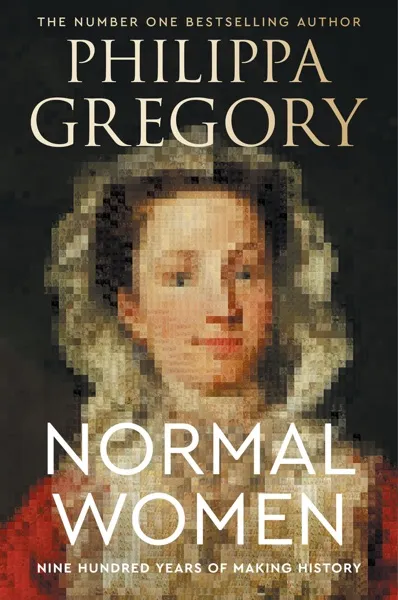

Normal Women Author: Philippa GregoryPage Count: UnknownPublication Year: 2024-GB Philippa Gregory’s Normal Women (2024) is a bold and transformative work that challenges the very idea of history as it has been told—centuries of stories dominated by men, about men, for men. With her signature narrative flair, Gregory shatters the myth of the passive, marginalized woman and instead presents a sweeping, intimate, and often revolutionary portrait of ordinary women whose lives shaped—and were shaped by—the turbulent tides of British history. This is not a book about queens or warriors in silk gowns; it is a celebration of the unsung, the overlooked, the "normal" women who lived, loved, rebelled, and endured across two millennia. In doing so, Gregory doesn’t just rewrite history—she redefines it. The central theme of Normal Women is a radical assertion: that women, in all their diversity and complexity, have always been the backbone of society, even when their stories were deliberately erased or trivialized. Gregory structures her narrative not around grand events or famous figures, but around the lived experiences of women from different classes, regions, and eras—from Iron Age pottery makers to medieval brewers, from Victorian factory workers to World War II land girls. Each chapter is a vignette, a snapshot of a life, yet collectively, they form a mosaic that recontextualizes known historical moments through the lens of female agency. What makes Gregory’s approach so compelling is her refusal to romanticize. These are not idealized heroines but real, flawed, and fiercely human women. A 14th-century peasant woman who steals a sheep to feed her family is not just a statistic in a court record—she becomes a figure of quiet defiance. A 19th-century factory girl who organizes a strike is not merely a footnote in labor history but a pioneer of collective action. Gregory’s genius lies in her ability to humanize the abstract, to take the dry bones of historical records and clothe them in flesh, blood, and emotion. She doesn’t just tell us what these women did; she makes us feel it. Her writing style is deceptively simple yet deeply immersive. Gregory has a remarkable talent for blending rigorous historical research with vivid, cinematic storytelling. She doesn’t overwhelm the reader with footnotes or academic jargon; instead, she trusts the power of narrative to convey truth. The prose flows effortlessly, drawing the reader into each era with rich sensory details—smells of a medieval alehouse, the texture of a woolen shift, the clatter of a suffragette’s heels on cobblestones. Yet beneath the lyrical surface, there is a steely intellect at work, meticulously reconstructing lives that were deliberately buried in the archives. One of the most striking aspects of Normal Women is its unflinching examination of power—how women wielded it, resisted it, and were crushed by it. Gregory doesn’t shy away from the brutality of patriarchal systems, whether it’s the forced marriages of medieval heiresses, the witch trials of the early modern period, or the systemic silencing of working-class women in industrial England. Yet she also highlights the spaces where women carved out autonomy: in the kitchens of grand houses, in the fields of communal farms, in the underground networks of suffragist societies. History, she reminds us, is not a linear march of progress but a series of struggles, some won, some lost, all fought in the shadows. Gregory’s use of multiple perspectives is particularly effective. By giving voice to women from vastly different backgrounds, she exposes the fallacy of a single "female experience." A noblewoman’s perspective on marriage is not the same as a laundress’s, nor should it be. This diversity enriches the narrative, making it feel both panoramic and deeply personal. The book’s structure—episodic yet thematically cohesive—allows Gregory to explore large-scale historical shifts (the Black Death, the Industrial Revolution, the rise of feminism) without losing sight of the individual. At times, Normal Women reads like a corrective to centuries of historical erasure. Gregory doesn’t just fill in gaps; she dismantles the frameworks that created those gaps in the first place. Her work challenges the reader to question who gets to write history—and why. In an era where women’s voices are still fighting for space in public discourse, this book feels not just timely but essential. It’s a rallying cry for anyone who has ever felt invisible in the official record. Philippa Gregory’s Normal Women is more than a history book; it’s a manifesto. It’s a love letter to the resilience of ordinary people, a challenge to the narratives we’ve been fed, and a testament to the power of storytelling itself. By centering the lives of women who were never meant to be remembered, Gregory doesn’t just recover lost history—she redefines what history can be. #WomenWhoShapedHistory #HiddenFiguresUnveiled #RewriteTheNarrative #EverydayHeroines #HistoryFromBelow #PhilippaGregoryAtHerBest Related InsightsMarked Book Review and Summary The Lies of Locke Lamora Book Review and Summary Long Walk Book Review and Summary{ "@context": "https://schema.org", "@type": "FAQPage", "mainEntity": [ { "@type": "Question", "name": "What is the main focus of Normal Women Book Review and Summary?", "acceptedAnswer": { "@type": "Answer", "text": "Everything you need to know about Normal Women with our detailed review." } }, { "@type": "Question", "name": "Who authored the comprehensive guide on Normal Women Book Review and Summary?", "acceptedAnswer": { "@type": "Answer", "text": "This detailed article and its insights were carefully researched and authored by Lucia Garcia." } }, { "@type": "Question", "name": "Where can I find more related content about Books?", "acceptedAnswer": { "@type": "Answer", "text": "You can explore more articles, detailed reviews, and similar insights by browsing the Related Insights section at the bottom of this article or visiting our dedicated Books category page." } } ] }