Showing Posts From
Notre dame
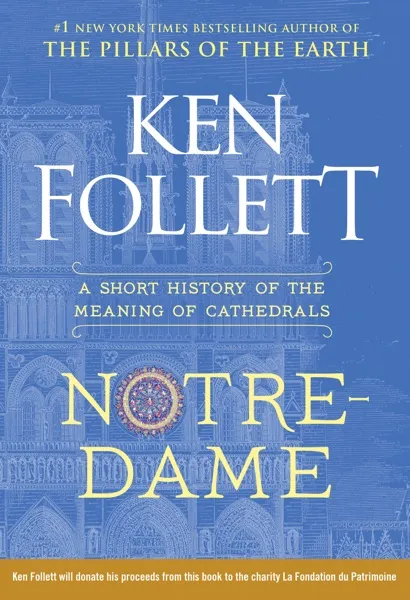

Notre-Dame Author: Ken FollettPage Count: UnknownPublication Year: 2019-GB Ken Follett’s Notre-Dame is more than a novel; it’s a sweeping love letter to the enduring spirit of human ingenuity, faith, and resilience. Published in 2019, this global bestseller weaves a rich tapestry of stories against the backdrop of the iconic Parisian cathedral—a symbol of both divine grandeur and human fragility. Follett, a master storyteller renowned for his meticulous research and immersive narratives, once again proves why he is a titan of historical fiction. Here, he doesn’t just recount the history of Notre-Dame; he breathes life into the stones, the people, and the centuries that shaped it. At its core, Notre-Dame is a meditation on the passage of time and the unyielding power of architecture to transcend eras. Follett structures his novel around the cathedral’s construction in the 12th century, its evolution over centuries, and its near-destruction in a modern fire that sent shockwaves around the world. But the true genius lies in how he intertwines these historical moments with deeply personal dramas. The book is divided into multiple sections, each focusing on different time periods and a cast of characters whose lives are inextricably linked to Notre-Dame. From medieval stonemasons and bishops to 19th-century romantics and 21st-century restorers, Follett crafts a chorus of voices that sing the cathedral’s praises in harmony. Follett’s style is unmistakable—clear, precise, and relentlessly engaging. He excels at making complex historical processes accessible without dumbing them down. The construction of Notre-Dame, for instance, is rendered with such vivid detail that readers can almost feel the weight of the limestone blocks and hear the rhythmic chiseling of the masons. Yet, he never sacrifices character depth for exposition. His protagonists—like the ambitious architect Maurice, the devout nun Agnès, or the modern-day architect Pierre—are flawed, compelling individuals whose personal struggles mirror the cathedral’s own trials. Follett’s ability to balance sweeping historical scope with intimate character studies is what elevates Notre-Dame from a mere historical epic to a profound exploration of what it means to build something that outlasts us. One of the novel’s most striking themes is the tension between destruction and creation. Notre-Dame has survived wars, revolutions, neglect, and now a catastrophic fire. Follett draws parallels between the cathedral’s resilience and the human capacity to rebuild, both literally and metaphorically. The modern fire that nearly consumes Notre-Dame in the book’s prologue and epilogue serves as a powerful framing device. It’s a reminder that even our greatest achievements are not invincible—but that the human spirit, much like the cathedral, can rise again with renewed purpose. Follett’s portrayal of the restoration efforts, filled with bureaucratic hurdles, emotional investment, and technical challenges, feels eerily prescient, given the real-world drama that unfolded in 2019. Another standout element is Follett’s treatment of faith—not as a dogmatic force, but as a living, breathing aspect of human experience. The cathedral is not just a building in his hands; it’s a sacred space where belief, doubt, and ambition collide. Whether through the eyes of the pious Agnès, who finds solace in the cathedral’s shadows, or the cynical Maurice, who sees it as a monument to his own genius, Follett explores how architecture shapes—and is shaped by—religious devotion. This is not a dry historical account but a living, breathing entity that shapes the lives of those who encounter it. Follett’s prose is economical yet evocative, his pacing relentless but never rushed. He understands that the best historical fiction doesn’t just inform—it immerses. The reader is transported to the bustling streets of medieval Paris, the candlelit interiors of 19th-century salons, and the smoldering ruins of Notre-Dame in the 21st century. His research is meticulous, yet it never clogs the narrative. Instead, it enriches the story, making the past feel immediate and urgent. Notre-Dame is ultimately a celebration of human creativity and perseverance. It’s a story about the things we build to outlast us, and the people who make those things possible. Follett doesn’t just write about a cathedral; he writes about the soul of a city, a nation, and a civilization. In an era where so many monuments and traditions are under threat, this novel feels like a defiant act of hope. If you’ve ever stood in awe of Notre-Dame’s towers, marveled at the intricacy of its gargoyles, or felt a pang of loss at its recent fire, this book will resonate deeply. It’s more than a novel—it’s an experience. Follett doesn’t just tell you about the cathedral; he lets you walk its halls, touch its stones, and witness its miracles. #NotreDame #KenFollett #HistoricalFiction #ArchitectureInFiction #ParisianLegacy #ResilienceThroughTime Related InsightsEl sueño de Sooley Book Review and Summary Kingdom of Ash Book Review and Summary Beautiful Creatures Book Review and Summary{ "@context": "https://schema.org", "@type": "FAQPage", "mainEntity": [ { "@type": "Question", "name": "What is the main focus of Notre-Dame Book Review and Summary?", "acceptedAnswer": { "@type": "Answer", "text": "Everything you need to know about Notre-Dame with our detailed review." } }, { "@type": "Question", "name": "Who authored the comprehensive guide on Notre-Dame Book Review and Summary?", "acceptedAnswer": { "@type": "Answer", "text": "This detailed article and its insights were carefully researched and authored by Carmen Martinez." } }, { "@type": "Question", "name": "Where can I find more related content about Books?", "acceptedAnswer": { "@type": "Answer", "text": "You can explore more articles, detailed reviews, and similar insights by browsing the Related Insights section at the bottom of this article or visiting our dedicated Books category page." } } ] }