Showing Posts From
Nuragic civilization
-
 John Explorer
 - 27 Jun, 2026 10:15
Echoes in Stone: Unearthing Sardinia's Lost Cyclopean Mysteries in the Wild Heart of Barbagia
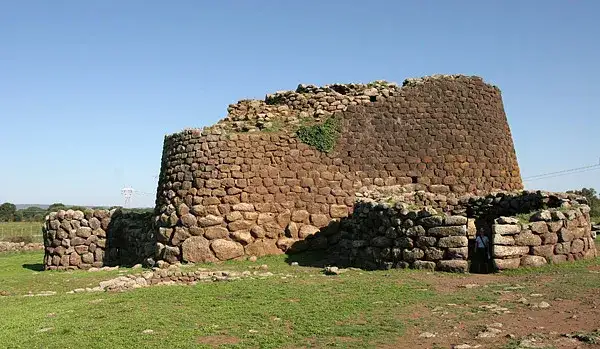
The world teems with whispers of forgotten civilizations, of monumental achievements carved from stone, often attributed to mythical giants or unknown forces. We've all seen the awe-inspiring pyramids, the colosseums, the acropolises. But what if I told you that in the rugged, untamed heart of an island beloved for its turquoise waters and celebrity beaches, lies a different kind of #ancient wonder – a network of colossal, enigmatic stone fortifications so vast and mysterious they defy easy explanation? Forget the glittering coastlines and tourist traps; we are venturing into the Barbagia, Sardinia's ancient soul, to chase the shadow of its lost builders and the secrets held within its formidable Cyclopean Walls. This isn't a story of sun-drenched ruins easily accessed. This is a tale of resilience, isolation, and a civilization that built with a scale and precision that still baffles modern engineers. These are the Mura Ciclopiche, the Cyclopean Walls, named by the ancient Greeks who believed only the one-eyed giants, the Cyclopes, could have moved such immense stones. They are not merely walls, but a testament to an advanced Bronze Age #culture, the Nuragic people, whose ingenuity shaped a landscape for millennia before #Rome ever rose. And to truly understand them, we must embrace the wildness of Barbagia, a region where time often seems to have forgotten to move on. Barbagia: Sardinia's Unyielding Core Before we delve into the stones, let's establish our setting. Barbagia is not just a geographical region; it's a state of mind, a historical fortress against invaders and modern incursions alike. Nestled within the mountainous spine of Sardinia, particularly the Gennargentu massif, Barbagia remains stubbornly authentic. Its name, derived from "Barbaria" by the Romans, reflects its perceived wildness and the fierce independence of its inhabitants, who resisted Romanization more fiercely than any other Sardinian population. This isolation, while historically challenging, inadvertently preserved not only unique cultural traditions but also an astounding concentration of archaeological treasures. Driving through Barbagia is an experience in itself. Winding roads snake through oak forests, past granite outcrops, and into valleys where the only sounds are the rustle of leaves and the distant bleating of sheep. Villages here cling to hillsides, their stone houses seemingly extensions of the mountains themselves. This is a land of shepherds, of ancient traditions like the Canto a Tenore (polyphonic singing), and of a deeply rooted respect for #history and the land. It’s here, amidst this rugged beauty, that the true scale and mystery of the Cyclopean Walls begin to reveal themselves. The Nuragic Legacy: Master Builders of Stone The architects of these monumental structures were the Nuragic people, a civilization unique to Sardinia, flourishing from roughly 1800 BC to 250 BC. Their most iconic creations are the nuraghi themselves – conical stone towers, often reaching several stories high, built without mortar. Over 7,000 nuraghi dot the Sardinian landscape, from the coast to the highest peaks, some standing alone, others forming parts of vast, complex village structures. But the Cyclopean Walls represent an even grander ambition, an often overlooked aspect of their engineering prowess. These walls were not just defensive perimeters; they were expressions of power, territorial markers, and perhaps even astronomical observatories. The sheer size of the stones used—some weighing many tons—and their precise fitting without any binding material speaks volumes about the Nuragic people's understanding of physics, geometry, and communal effort. How they quarried, transported, and lifted these megaliths remains a subject of ongoing debate and fascination, adding layers to the mystery that surrounds them.Tracing the Megalithic Footprints: Sites Worth the Trek While nuraghi are ubiquitous, dedicated Cyclopean wall systems are more concentrated and often harder to reach, demanding a sense of adventure and respect for the terrain. They are frequently found surrounding extensive Nuragic complexes, serving as their primary defense and definition. One of the most impressive examples, though still relatively underexplored by mainstream tourism, is the archaeological complex of Serra Orrios, near Dorgali. This site features a well-preserved Nuragic village with over a hundred huts and two nuraghi, all enclosed by a formidable Cyclopean wall. The wall here isn't just a simple barrier; it's a testament to urban planning, defining space and offering a clear demarcation between the settlement and the wild. Further into the heart of Barbagia, near the village of Fonni, one can find remnants of even grander scale. The area around Monte Tiscali (though Tiscali itself is a cave village, the surrounding region holds immense archaeological interest) and the Gennargentu foothills often reveal isolated sections of these walls, sometimes merely a few courses high, but with blocks so colossal they evoke immediate awe. These are not always easily signposted, requiring local knowledge or detailed topographical maps and a willingness to hike. The Nuraghe Arvu complex, also near Dorgali, offers another compelling experience. While the nuraghe itself is impressive, the surrounding defensive walls, built from massive, roughly hewn stones, illustrate the protective measures taken by these ancient communities. What strikes visitors most is the seamless integration of these structures into the natural landscape, often using natural rock formations as foundations, amplifying their formidable presence. Exploring these sites is more than just a walk through ruins; it’s a #journey into a different time, a confrontation with engineering marvels that predate classical antiquity by millennia. Each colossal stone whispers tales of a vibrant, complex society that mastered its environment in ways we are only just beginning to comprehend. The Journey Inward: Practicalities and Preparation Venturing into Barbagia to seek out these ancient wonders is not for the faint of heart or the unprepared. This is authentic, rugged #travel.Vehicle: A sturdy car, preferably with good ground clearance, is highly recommended. Many of the most interesting sites are accessed via unpaved or poorly maintained roads. Navigation: While GPS is helpful, physical maps and a compass can be invaluable, especially in areas with patchy mobile signal. Local advice is golden; the people of Barbagia are famously hospitable once trust is established. Hiking Gear: Comfortable hiking boots, plenty of water, sun protection, and appropriate clothing for varying weather conditions are essential. Some treks can be strenuous, involving steep climbs and uneven terrain. Respect the Land: These sites are often unfenced and lie on private land or within natural parks. Always respect private property, leave no trace, and do not disturb any archaeological remains. Accommodation: Stay in charming agriturismos (farm stays) or family-run guesthouses in towns like Oliena, Orgosolo, or Fonni. This not only supports local communities but also provides an authentic cultural immersion. Patience: Discovering these hidden gems requires patience. Some sites might be harder to find than anticipated, but the reward of standing before a wall built 3,500 years ago is immeasurable.Beyond the Stones: Culture and Myth The enduring legacy of the Nuragic civilization extends beyond its formidable architecture. The spirit of independence and connection to the land that characterizes Barbagia today is arguably a direct inheritance from these ancient people. Local myths and legends often intertwine with the presence of these colossal structures. Tales of giants, fairies (Janas), and benevolent spirits are often associated with the nuraghi and megalithic sites, reflecting a deep cultural memory of powerful, mysterious builders. The traditional Sardinian diet, centered around lamb, wild boar, pecorino cheese, and the flatbread pane carasau, sustained by shepherds and farmers, echoes ancient ways of life. Even the renowned bandits of Orgosolo, a historical phenomenon, can be seen as a modern manifestation of Barbagia's long-standing resistance to external authority, a trait perhaps etched into the very stones of their ancestral fortifications. Visiting Barbagia is not just an archaeological expedition; it’s a journey into a living culture that remains fiercely proud of its past. Engage with the locals, try their food, listen to their stories. You’ll find that the "barbarians" are some of the kindest and most welcoming people you’ll ever meet, eager to share the secrets of their ancient land, if approached with genuine interest and respect. Conservation and the Future of Sardinia's Megaliths Despite their grandeur, many of Sardinia's Nuragic sites, particularly the less accessible Cyclopean walls, face threats from natural erosion, neglect, and occasional illicit digging. While some major complexes are protected and maintained, countless smaller, equally significant sites remain vulnerable. There is a growing movement within Sardinia to further protect and promote these incredible testaments to their ancient heritage, balancing preservation with sustainable tourism. For the intrepid traveler, this offers a unique opportunity to witness these wonders in a raw, uncommercialized state. But it also places a responsibility on us, as visitors, to tread lightly, to respect the fragility of these sites, and to advocate for their continued preservation. By visiting responsibly, we contribute to their recognition and ensure that the echoes in stone continue to whisper their tales for generations to come. Conclusion: A Call to the Untamed Sardinia's Cyclopean Walls in the heart of Barbagia represent one of Europe's most overlooked archaeological treasures. They are a powerful reminder that history is not just found in textbooks or on well-trodden paths, but often in the most rugged, forgotten corners of our world. To stand before these immense, dry-stone structures, built by a people whose secrets are still being unravelled, is to feel a profound connection to the ancient human spirit – a spirit of ingenuity, resilience, and an unyielding will to build and to defend. This journey is an invitation to step beyond the picturesque postcard and plunge into the wild, untamed beauty of Sardinia's interior. It’s an adventure for those who seek not just sights, but stories; not just ruins, but echoes. Come, listen to the stones whisper their ancient lore, and discover a Sardinia you never knew existed.#SardiniaTravel #NuragicCivilization #BarbagiaAdventures #MegalithicStructures #HiddenHistory Related InsightsLe Dôme de Milan (Il Duomo) : L'Élégance de Marbre Blanc From Cliffside Villages to Fjord Horizons: Europe’s Most Breathtaking Coastal Drives Svalbard: Arctic Adventures Beyond the Northern Lights – A Remote Paradise for Explorers and Digital Nomads{ "@context": "https://schema.org", "@type": "FAQPage", "mainEntity": [ { "@type": "Question", "name": "What is the main focus of Echoes in Stone: Unearthing Sardinia's Lost Cyclopean Mysteries in the Wild Heart of Barbagia?", "acceptedAnswer": { "@type": "Answer", "text": "Journey deep into Sardinia's untamed Barbagia region to uncover the colossal, enigmatic Cyclopean Walls—a testament to a forgotten Bronze Age civilization and a breathtaking adventure for the intrepid explorer." } }, { "@type": "Question", "name": "Who authored the comprehensive guide on Echoes in Stone: Unearthing Sardinia's Lost Cyclopean Mysteries in the Wild Heart of Barbagia?", "acceptedAnswer": { "@type": "Answer", "text": "This detailed article and its insights were carefully researched and authored by John Explorer." } }, { "@type": "Question", "name": "Where can I find more related content about Travel?", "acceptedAnswer": { "@type": "Answer", "text": "You can explore more articles, detailed reviews, and similar insights by browsing the Related Insights section at the bottom of this article or visiting our dedicated Travel category page." } } ] }