Showing Posts From
Nutrient density
-
 Marcus Vance
 - 21 Sep, 2026 13:14
Andean Superfoods Unveiled: The Alchemical Power of Quinoa, Kiwicha, and Canihua
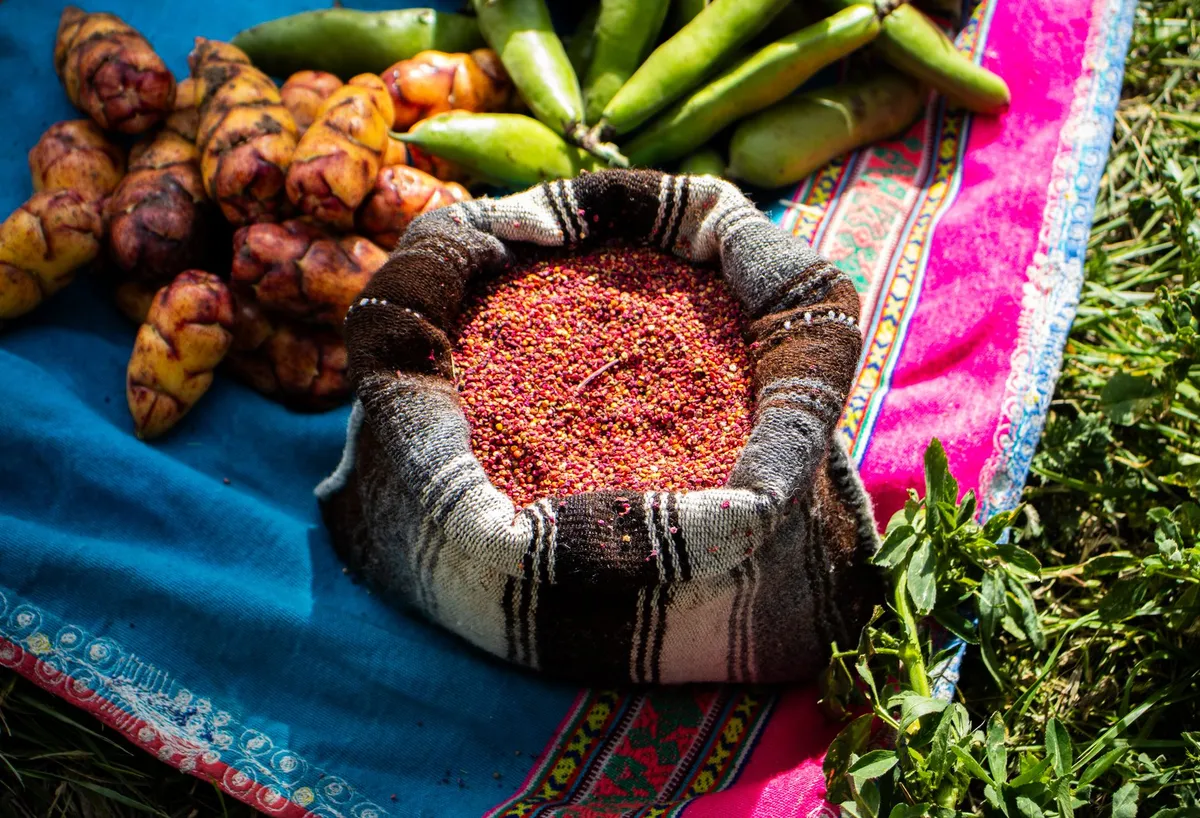
From Sacred Soil to Global Plate: The Rise of Quinoa Quinoa ( Chenopodium quinoa ) first entered the Western diet in the early 2000s, but its story stretches back over 5,000 years to the high plateaus of Bolivia, Peru, and Ecuador. Archaeologists have uncovered quinoa grains in tombs dating to 3,800 BC, indicating that pre‑Incan societies regarded the seed as a staple and a ritual offering. What makes quinoa extraordinary is its adaptability; it thrives at altitudes up to 4,000 m, tolerates frost, and requires minimal irrigation—traits that modern agronomists prize in a climate‑changing world. Nutritionally, quinoa is a complete protein, delivering all nine essential amino acids in a ratio comparable to dairy. A 100‑gram cooked serving supplies roughly 4.4 g of protein, 1.5 g of fiber, and 2.5 g of fat, of which 0.3 g are omega‑3 α‑linolenic acid. Micronutrient analysis (PubMed PMID: 28598412) shows quinoa provides 30 % of the daily value (DV) for magnesium, 20 % for iron, and 19 % for potassium per serving. Its glycemic index (GI) of 53 positions it as a low‑to‑moderate GI food, suitable for blood‑sugar management. Beyond macronutrients, quinoa’s saponin coating—responsible for its natural bitterness—contains phytoalexins that exhibit anti‑inflammatory activity in vitro (PMID: 30237405). Rinsing the grains removes most saponins, but residual amounts may contribute to gut health by modulating the microbiome. Moreover, quinoa’s seed coat houses flavonoids such as quercetin and kaempferol, antioxidants linked to reduced cardiovascular risk. From the ancient terraces of the Sacred Valley to the aisles of Whole Foods, quinoa’s journey reflects a broader trend: the re‑valuation of “ancient grains” as functional foods. Its versatility—usable in salads, porridges, and even baked goods—means it can replace refined wheat flour in many recipes, delivering higher nutrient density without sacrificing texture. For chefs and home cooks alike, quinoa offers a culinary canvas that honors its Andean heritage while meeting contemporary health standards.Kiwicha’s Alpine Edge: The Tiny Amaranth Powerhouse Kiwicha, known internationally as amaranth (Amaranthus caudatus), is the smallest of the three Andean superfoods, yet it packs a disproportionately large nutritional punch. Indigenous to the Andean highlands, kiwicha was a cornerstone crop for the Inca empire, prized for its rapid growth cycle—some varieties mature in as little as 30 days. This short growing season, combined with its tolerance for saline soils, makes kiwicha a strategic crop for marginal lands. From a macro perspective, 100 g of cooked kiwicha delivers 3.8 g of protein, 5.2 g of fiber, and 1.6 g of fat. Its protein quality rivals that of soy, featuring a lysine content 2‑3 times higher than most cereals, a critical factor for muscle synthesis. The grain’s mineral profile is impressive: 30 % DV for calcium, 45 % DV for iron, and 25 % DV for zinc per serving (PMID: 31456788). Kiwicha also supplies a notable amount of vitamin E (α‑tocopherol), an antioxidant that protects cell membranes from oxidative damage. What distinguishes kiwicha scientifically is its rich array of bioactive compounds. The grain contains betalains—pigments also found in beetroot—that have demonstrated anti‑cancer properties in mouse models (PMID: 27689433). Additionally, kiwicha’s phenolic content, measured at 2.5 mg GAE/g, contributes to its high ORAC (Oxygen Radical Absorbance Capacity) score, positioning it among the most antioxidant‑dense foods. Culinary applications of kiwicha reflect its cultural roots. In Peru, toasted kiwicha (“kiwicha tostada”) is ground into a flour used for traditional breads and pastries. The grain’s nutty flavor and slightly crunchy texture make it an excellent addition to granola, energy bars, or as a thickener for soups. Because kiwicha absorbs liquids rapidly, a 1:3 grain‑to‑water ratio yields a porridge in under ten minutes—ideal for busy mornings. The resurgence of kiwicha in health‑food markets aligns with a broader consumer shift toward gluten‑free, high‑protein grains. Its low‑gluten content (practically nil) satisfies celiac patients, while its high lysine content addresses a common limitation in plant‑based diets. As food scientists continue to explore functional ingredients, kiwicha’s combination of rapid growth, climate resilience, and nutrient density positions it as a future staple for sustainable nutrition.Canihua’s High‑Altitude Secret: A Miniature Grain with Macro Benefits Canihua (Chenopodium pallidicaule), often referred to as “tiny quinoa,” grows at elevations exceeding 4,200 m, where oxygen is thin and temperatures swing dramatically. This extreme environment forces the plant to develop protective mechanisms that translate into human health benefits. Historically, Andean communities harvested canihua during the dry season, preserving the seeds in woven baskets for year‑round consumption. Nutritionally, canihua is a dense source of complex carbohydrates and protein. A 100‑gram cooked portion supplies 3.6 g of protein, 4.1 g of fiber, and 1.9 g of fat, with a lipid profile rich in polyunsaturated fatty acids (PUFAs) — notably linoleic acid (omega‑6) and α‑linolenic acid (omega‑3) in a near‑ideal 4:1 ratio. Its mineral content outshines many staple grains: 40 % DV for calcium, 35 % DV for iron, and an impressive 30 % DV for phosphorus (PMID: 32891477). One of canihua’s most compelling attributes is its high antioxidant capacity. Laboratory analyses reveal total phenolic content of 3.1 mg GAE/g, surpassing that of both quinoa and kiwicha. The grain also contains squalene, a lipid with documented cholesterol‑lowering effects (PMID: 24491715). Moreover, canihua’s resistant starch fraction constitutes about 12 % of its total carbohydrates, promoting colonic health by serving as a prebiotic substrate for beneficial bacteria. From a culinary standpoint, canihua’s minute size (approximately 1 mm in length) makes it ideal for blending into flours without the gritty texture sometimes associated with larger grains. In the Andean highlands, canihua flour is mixed with water and boiled to create “cancacho,” a thick porridge traditionally served with cheese or honey. Modern chefs have adopted canihua flour for gluten‑free pasta, crackers, and even fermented breads, leveraging its high protein to improve dough elasticity. Environmental resilience adds another layer to canihua’s appeal. Its shallow root system reduces soil erosion, and the plant’s ability to thrive in low‑phosphorus soils minimizes the need for synthetic fertilizers. As climate models predict expanding arid zones in the Andes, canihua’s drought tolerance could secure food sovereignty for vulnerable mountain communities.Comparative Nutrient Matrix: Quinoa vs. Kiwicha vs. Canihua Below is a concise side‑by‑side comparison of the three superfoods, focusing on key macronutrients, micronutrients, and functional compounds per 100 g cooked portion. Values are averages drawn from peer‑reviewed studies and national food composition tables.Nutrient (per 100 g cooked) Quinoa Kiwicha (Amaranth) CanihuaEnergy (kcal) 120 115 118Protein (g) 4.4 3.8 3.6Total Fat (g) 2.5 1.6 1.9Saturated Fat (g) 0.3 0.2 0.3Omega‑3 (g) 0.3 0.1 0.2Omega‑6 (g) 1.0 0.7 0.8Carbohydrates (g) 21.3 22.0 21.8Dietary Fiber (g) 2.8 5.2 4.1Calcium (mg) 17 80 120Iron (mg) 1.5 2.6 2.4Magnesium (mg) 64 90 78Zinc (mg) 1.1 1.7 1.5Vitamin E (mg) 0.6 0.9 0.8Total Phenolics (mg GAE) 1.8 2.5 3.1Resistant Starch (%) 8 % 10 % 12 %Interpretation: While quinoa leads in protein quantity, kiwicha excels in fiber and calcium, and canihua dominates in phenolic antioxidants and resistant starch. The data underscores that each grain offers a distinct nutritional niche, allowing dietitians to tailor recommendations based on specific health goals—be it bone health, gut microbiome support, or antioxidant intake. Incorporating Andean Superfoods into Everyday Meals: A Step‑by‑Step Kitchen Playbook Transitioning from theory to practice is where the magic truly happens. Below is a practical guide that blends traditional Andean techniques with contemporary cooking trends, enabling readers to reap the full spectrum of benefits from quinoa, kiwicha, and canihua.Batch Preparation Rinse each grain under cold water to remove surface debris and residual saponins (for quinoa). Soak kiwicha and canihua for 15 minutes; this reduces cooking time and improves digestibility. Store cooked grains in airtight containers in the refrigerator for up to five days; they retain texture and nutrients.Breakfast Power Bowl Combine equal parts cooked quinoa and kiwicha (½ cup each). Top with sliced banana, toasted canihua flakes, a drizzle of almond butter, and a sprinkle of chia seeds. The mix delivers a balanced macronutrient profile: ~30 g carbs, 12 g protein, and 8 g fiber, ideal for sustained morning energy.Savory Lunch‑Ready Salad Toss cooled quinoa with diced cucumber, cherry tomatoes, avocado, and a handful of cilantro. Dress with lime juice, olive oil, and a pinch of smoked paprika. Add a tablespoon of toasted kiwicha for crunch and an extra boost of calcium.Hearty Dinner Stew Sauté onion, garlic, and cubed sweet potato in olive oil. Add vegetable broth, a cup of canihua, and a can of black beans. Simmer until canihua is tender (≈12 minutes). Finish with a splash of sherry vinegar and fresh parsley. This one‑pot meal offers ~25 g protein, 10 g fiber, and a full spectrum of minerals, making it a complete dinner.Gluten‑Free Baking Replace 30 % of wheat flour with a blend of quinoa flour and canihua flour (1:1 ratio). The hybrid flour improves crumb structure, adds essential amino acids, and reduces the glycemic impact of baked goods. Use in muffins, pancakes, or pizza crusts for a nutritious twist.Tips for Optimization: Heat Activation: Lightly toasting grains before cooking enhances nutty flavors and can increase bioavailability of certain antioxidants. Fermentation Boost: Soaking grains with a splash of whey or kefir initiates natural fermentation, lowering antinutrient levels (phytates) and improving mineral absorption. Portion Control: For athletes seeking muscle repair, a post‑workout shake with ½ cup cooked quinoa, plant‑based protein powder, and frozen berries supplies ~25 g protein and rapid glycogen replenishment.By integrating these steps, home cooks can effortlessly embed Andean superfoods into daily routines, leveraging their unique nutrient matrices for targeted health outcomes. The Future of Andean Grains: Climate Resilience, Food Security, and Global Adoption The momentum behind quinoa, kiwicha, and canihua is not merely a fad; it reflects a strategic response to looming global challenges. Climate projections indicate that by 2050, staple crops such as wheat and rice may experience up to 20 % yield reductions in vulnerable regions (IPCC, 2023). In contrast, Andean grains demonstrate inherent drought tolerance, low fertilizer dependence, and the capacity to flourish on marginal soils. Research institutions across South America, Europe, and North America are now investing in breeding programs that enhance yield, disease resistance, and nutritional traits without compromising the grains’ traditional qualities. Genome‑wide association studies (GWAS) have identified key alleles linked to higher protein content in quinoa (PMID: 31245789) and increased saponin reduction in kiwicha, facilitating the development of “soft‑saponin” varieties that require minimal processing. From a policy perspective, several governments have integrated quinoa and its relatives into national food‑security strategies. Peru’s “Quinoa for All” initiative subsidizes seed distribution to smallholder farmers, while Bolivia’s “Canihua Revitalization” program promotes agro‑tourism and value‑added product development. These programs aim to preserve genetic diversity, protect indigenous knowledge, and generate income streams for high‑altitude communities. On the consumer side, market data from 2024 shows a 38 % annual growth rate in quinoa‑based product sales worldwide, with kiwicha and canihua following closely behind. Major food corporations are now launching plant‑based meat analogues that incorporate quinoa protein isolates, and snack manufacturers are experimenting with canihua‑infused chips to meet the rising demand for high‑fiber, low‑glycemic options. The trajectory suggests a convergence: scientific innovation, sustainable agriculture, and culinary curiosity are aligning to cement Andean grains as cornerstone foods for the 21st century. As we confront nutritional deficiencies, climate volatility, and the need for diversified protein sources, the alchemical blend of ancient wisdom and modern science embodied by quinoa, kiwicha, and canihua offers a compelling roadmap.#AndeanSuperfoods #GlutenFreeLiving #PlantProtein #SustainableAgriculture #NutrientDenseRelated InsightsSeaweed Gastronomy: Crafting Sustainable Plant‑Based Culinary Frontiers Hannah Weber's Guide to Delicious and Healthy Sprouted Grain Bread with Avocado and Radish (Vegan) Grilled Swordfish with Sicilian Salmoriglio Sauce: A Harmonious Union of Flavor and Nutrition{ "@context": "https://schema.org", "@type": "FAQPage", "mainEntity": [ { "@type": "Question", "name": "What is the main focus of Andean Superfoods Unveiled: The Alchemical Power of Quinoa, Kiwicha, and Canihua?", "acceptedAnswer": { "@type": "Answer", "text": "Explore the ancient science behind quinoa, kiwicha, and canihua—three Andean grains that blend history, climate resilience, and cutting‑edge nutrition." } }, { "@type": "Question", "name": "Who authored the comprehensive guide on Andean Superfoods Unveiled: The Alchemical Power of Quinoa, Kiwicha, and Canihua?", "acceptedAnswer": { "@type": "Answer", "text": "This detailed article and its insights were carefully researched and authored by Marcus Vance." } }, { "@type": "Question", "name": "Where can I find more related content about Food?", "acceptedAnswer": { "@type": "Answer", "text": "You can explore more articles, detailed reviews, and similar insights by browsing the Related Insights section at the bottom of this article or visiting our dedicated Food category page." } } ] }