Showing Posts From
Nutrition
-
 Chloe Blanc
 - 18 Sep, 2026 20:09
L'Alchimie Silencieuse : Quand le Temps Sculpte la Saveur dans l'Ombre des Bocaux
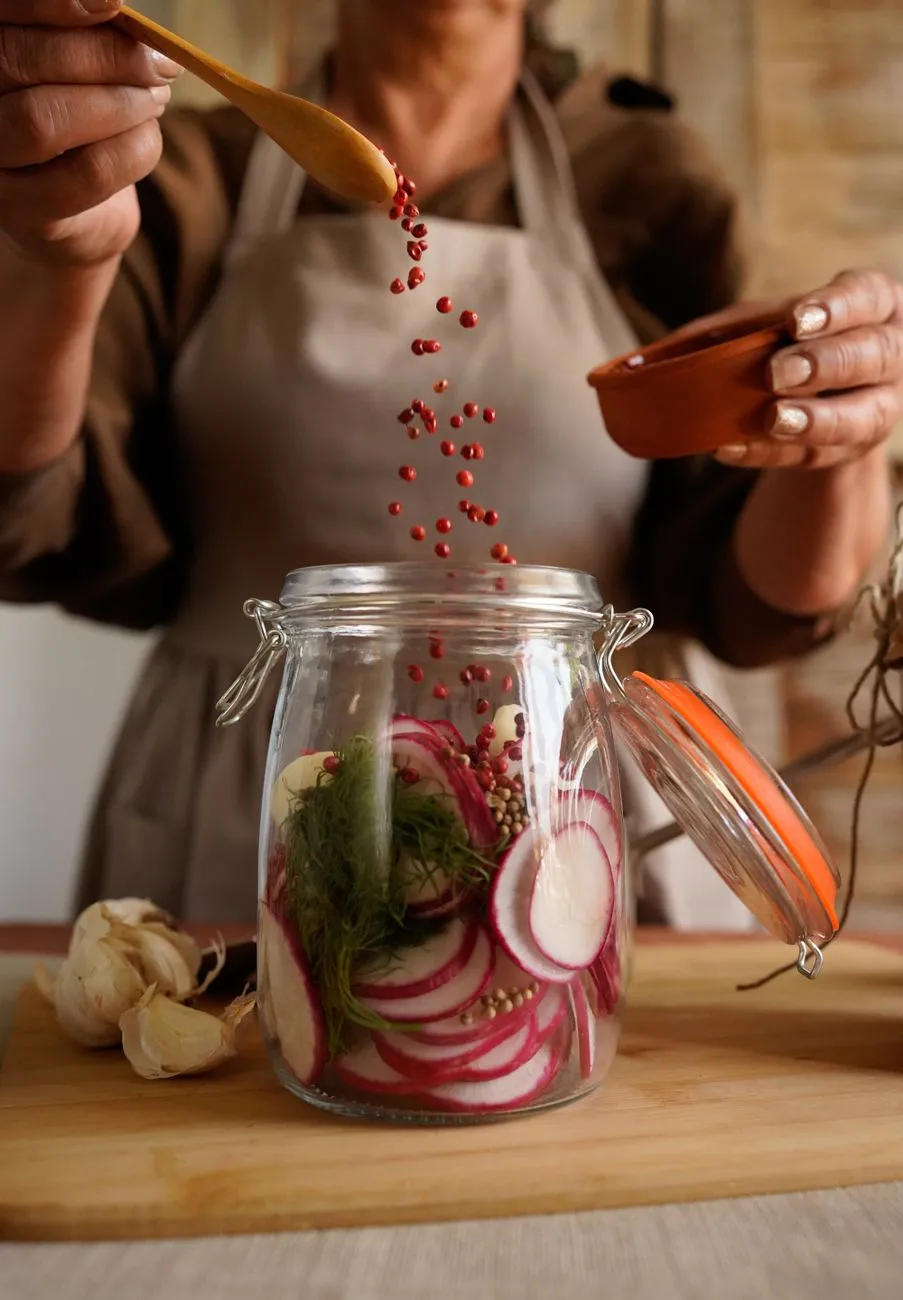
Le bruit est imperceptible. Un minuscule cliquetis de bulles d'air traversant une saumure trouble, un murmure gazeux sous le couvercle d'un bocal en verre. C'est le son de la vie qui s'organise, invisible à l'œil nu, dans l'obscurité tiède d'un placard de cuisine. Depuis l'aube de l'humanité, bien avant que Pasteur ne pose son regard sur le microscope, nous avons confié notre subsistance à cette alchimie silencieuse. La fermentation n'est pas une invention humaine ; c'est une domestication, un pacte scellé avec le monde microbien pour transformer la pourriture potentielle en garde-manger sacré.Les Premiers Archéologues du Goût : L'Origine d'une Révolution L'histoire de la fermentation se confond avec celle de la sédentarisation. Il y a près de 10 000 ans, dans le Croissant fertile, nos ancêtres ont découvert que le grain broyé et humidifié, laissé à l'abandon, ne pourrissait pas toujours. Il bouillonnait, gonflait, développait une odeur acide complexe. Le premier pain au levain est né de cette négligence providentielle. Parallèlement, en Chine, au site de Jiahu, des résidus de poterie datés de 7000 av. J.-C. révèlent la trace chimique d'une boisson fermentée à base de riz, de miel et de fruits — l'ancêtre spectral du vin et de la bière. Ce n'était pas de la cuisine, c'était de la survie. Dans un monde sans réfrigération, sans stérilisation, le microbe était le seul allié capable de prolonger la récolte d'octobre jusqu'au carême de mars. La choucroute — Sauerkraut en allemand, Suan cai en chinois — n'est pas une spécialité régionale, mais une réponse universelle au même problème : comment garder le chou quand l'hiver fend les pierres ? Le sel crée un environnement hostile aux pathogènes (putréfaction) mais accueillant pour les Leuconostoc et Lactobacillus. Ces bactéries lactiques transforment les sucres en acide lactique, abaissant le pH, verrouillant la texture, scellant la sécurité alimentaire. La Chorégraphie Microscopique : Comprendre le Métabolisme Anaérobie Au cœur du bocal, pas de soleil, pas d'oxygène. La fermentation est, par définition, un métabolisme anaérobie. Là où la respiration cellulaire (aérobie) brûle le glucose complètement en CO2 et eau pour maximiser l'énergie (ATP), la fermentation est une voie de secours, un "mode dégradé" énergétique. Elle ne produit que 2 ATP par molécule de glucose contre 38 pour la respiration. Mais ce "gaspillage" énergétique est notre trésor gastronomique. Prenons les trois grands piliers chimiques qui structurent nos assiettes : 1. La fermentation lactique (Lacto-fermentation). C'est la plus répandue pour les légumes (cornichons, kimchi, olives) et les produits laitiers (yaourt, kéfir, fromage). Les bactéries lactiques (LAB) consomment glucose, fructose, saccharose. Le produit final majeur est l'acide lactique (L ou D-isomères). Mais la magie réside dans les métabolites secondaires : acide acétique (note vinaigrée), éthanol (trace), diacétyl (note beurrée), et surtout les bactériocines — des antibiotiques naturels qui tuent Listeria, Clostridium, Salmonella. C'est une guerre chimique où nos alliés gagnent du terrain. 2. La fermentation alcoolique. Le domaine des levures (Saccharomyces cerevisiae en tête). Le glucose devient éthanol et CO2. Le pain lève, le vin mousse, la bière pétille. Mais attention : Saccharomyces n'agit pas seul. Dans les vins nature ou les bières lambic, Brettanomyces (les "Brett") apportent des phénols volatils (cuir, étable, fruits tropicaux), et les bactéries lactiques (fermentation malolactique) transforment l'acide malique vert en acide lactique plus doux. C'est un consortium, pas une monoculture. 3. La fermentation acétique. C'est la seconde vie de l'alcool. Acetobacter a besoin d'oxygène (aérobie stricte) pour oxyder l'éthanol en acide acétique. Le vin tourné devient vinaigre. Le cidre devient vinaigre de cidre. C'est la seule fermentation "ouverte" sur le monde, nécessitant une surface de contact air-liquide large (la "mère" de vinaigre, biofilm celluloseux). Le Kimchi et le Miso : L'Asie, Laboratoire du Goût Umami Si l'Europe a fait du fromage et du pain ses piliers, l'Asie a poussé la fermentation vers des sommets de complexité protéique. Le Kimchi coréen n'est pas une recette, c'est un genre littéraire. Plus de 200 variétés existent. Le Baechu-kimchi (chou napa) repose sur une saumure initiale (5-7% NaCl) pour déshydrater les cellules végétales, puis un mélange pâteux (yangnyom) : piment gochugaru, ail, gingembre, sauce de poisson (jeotgal), crevettes fermentées. Le jeotgal est crucial : il inocule des protéases et des lipases qui hydrolysent les protéines en peptides et acides aminés libres — l'umami. Le glutamate, l'inosinate, le guanylate explosent en bouche. La texture croquante est préservée par la structure du chou et la rapidité de l'acidification (pH < 4.2 en 3-4 jours à 20°C). Au Japon, le Miso et le Shoyu (sauce soja) racontent une autre histoire : la fermentation solide (Koji). Aspergillus oryzae, le champignon national japonais, est ensemencé sur riz ou orge cuit à la vapeur. En 48h, le Koji blanc et duveteux sécrète des quantités massives d'enzymes : amylases (cassent l'amidon en sucre), protéases (cassent la protéine en acides aminés). Ce Koji est ensuite mélangé à des fèves de soja cuites et du sel. La maturation dure de 6 mois (shiro miso, doux) à 3 ans (aka miso, rouge, puissant). C'est une digestion externalisée. Le soja, indigeste cru (inhibiteurs de trypsine, lectines), devient une pâte nutritive, riche en vitamines B (dont B12 pour certaines souches), digeste, salvatrice.Le Levain : L'Âme du Pain Vivant En Occident, le pain au levain (sourdough) est le dernier bastion de la fermentation lente face à l'industrialisation. La levure commerciale (S. cerevisiae sélectionnée pour sa vitesse et sa tolérance à l'osmose) a standardisé le pain : mie blanche, croûte mince, saveur neutre, index glycémique élevé. Le levain naturel, lui, est un écosystème complexe, symbiotique. Il héberge des levures sauvages (S. exiguus, C. humilis) tolérantes à l'acidité, et des bactéries lactiques obligatoirement hétérofermentaires (Fructilactobacillus sanfranciscensis — l'âme du pain de San Francisco). Ces bactéries produisent de l'acide acétique (arôme vinaigré, conservation) et de l'acide lactique (douceur). Elles pré-digèrent le gluten (protéases), dégradent les FODMAPs (oligosaccharides fermentescibles responsables de ballonnements), libèrent des minéraux piégés par l'acide phytique (phytases). Le pain au levain véritable a un index glycémique plus bas, une croûte caramélisée par les acides aminés (réaction de Maillard boostée par le pH acide), une mie alvéolée, élastique, qui se garde une semaine sans durcir (rétrogradation de l'amidon ralentie par l'acidité). C'est de la nutrition pré-digérée. Le Kéfir et le Kombucha : Les Boissons Vivantes, Écosystèmes en Suspension Le Kéfir de lait (grains de kéfir) est une structure biophysique unique : une matrice de polysaccharides (kefiran) et de protéines où cohabitent levures (Kluyveromyces, Saccharomyces) et bactéries (Lactobacillus kefiranofaciens, Acetobacter). C'est un "grain" qui grandit, se divise, se transmet de main en main. Le lait devient une boisson pétillante, faiblement alcoolisée (0.5-1%), riche en GABA (acide gamma-aminobutyrique, neurotransmetteur relaxant), en folates (B9) synthétisés de novo par les bactéries. Le Kombucha (thé sucré + SCOBY - Symbiotic Culture Of Bacteria and Yeast) suit le même principe aérobie/anaérobie. Les levures hydrolysent le saccharose (invertase) -> glucose + fructose -> éthanol + CO2. Les bactéries acétiques (Komagataeibacter) oxydent l'éthanol -> acide acétique + gluconique. La cellulose bactérienne forme le "disque" gélatineux flottant. Résultat : une boisson acide, tannique, vineuse, riche en acides organiques (glucuronique, détoxifiant hépatique potentiel) et polyphénols du thé rendus plus biodisponibles.La Science Moderne Valide l'Ancestral : Microbiote et Postbiotiques Aujourd'hui, la méta-génomique (séquençage 16S rRNA, shotgun metagenomics) cartographie ces écosystèmes. On ne parle plus seulement de "probiotiques" (bactéries vivantes ingérées), mais de postbiotiques : les métabolites bioactifs produits pendant la fermentation, présents dans l'aliment final, même si les bactéries sont mortes (cuisson du pain, pasteurisation légère).Exopolysaccharides (EPS) : Le kefiran du kéfir, le levan de certains levains. Immunomodulateurs, hypocholestérolémiants, texture "corps" en bouche. Peptides bioactifs : Libérés par protéolyse (fromages affinés, miso, sauce poisson). Inhibiteurs de l'ECA (angiotensine) -> effet antihypertenseur. Antioxydants. Opioïdes alimentaires (casomorphines, exorphines du gluten hydrolysé). Vitamines : Synthèse de B2 (riboflavine), B9 (folates), B12 (cobalamine - rare, souches spécifiques Propionibacterium dans fromages, L. reuteri dans certains levains), K2 (ménaquinone - Bacillus subtilis dans le Natto). GABA : Acide γ-aminobutyrique. Produit par décarboxylation du glutamate via GAD (glutamate décarboxylase) chez Lactobacillus brevis, L. plantarum. Effet anxiolytique, hypotenseur démontré in vivo.La fermentation transforme une matrice alimentaire "morte" (légume cru, lait cru, farine) en une matrice "vivante" ou "informée", porteuse de signaux chimiques que notre corps (et notre microbiote intestinal) reconnaît et utilise. L'Art du "Terroir Microbien" : Pourquoi Votre Levain est Unique Un fait fascinant, confirmé par le projet Global Sourdough Project (NC State University) : la géographie dicte la microbiologie. Un levain parisien, un levain san-franciscain, un levain tokyoïte n'ont pas les mêmes souches dominantes. Ils viennent de la farine (endophytes du grain), de l'eau, de l'air, des mains du boulanger, du bois du pétrin. C'est le terroir microbien. De même, les nuruk coréens (levain de céréales pour alcool) varient selon la montagne où l'on ramasse les herbes qui inoculent le blé. Le Camembert AOP ne peut être fait qu'avec les souches de Penicillium camemberti et Geotrichum candidum des caves de Normandie. La standardisation industrielle (souches uniques, lyophilisées) efface cette diversité. Nous perdons non seulement des saveurs, mais de la résilience. Un écosystème diversifié résiste aux invasions (phages, moisissures indésirables) ; une monoculture s'effondre. Fermenter Chez Soi : La Règle du Sel, du Temps, de l'Anaérobiose Pas besoin de laboratoire. La lacto-fermentation des légumes est la porte d'entrée la plus sûre, la plus démocratique.Le Sel : 2% à 2.5% du poids des légumes + eau (saumure) OU 2% du poids des légumes seuls (auto-saumurage par osmose, ex: chou, concombres). Le sel inhibe les Enterobacteriaceae (coliformes, putréfaction) et favorise les LAB halotolérantes. L'Immersion : Tout doit rester sous la saumure. Un poids (caillou propre, poids en verre, feuille de chou repliée) est impératif. L'oxygène = moisissures (champignons filamenteux) + levures d'oxydation (film blanc Kahm — inoffensif mais désagréable). La Température : 18-22°C idéale. < 15°C : trop lent, risque pathogènes. > 25°C : trop vite, texture molle, acide acétique dominant (goût vinaigré agressif), risque butyrique (odeur beurre rance). Le Temps : 3 à 7 jours pour l'acidification primaire (pH < 4.3 = sécurité). Puis 3 semaines à 6 mois au frais (cave, frigo) pour l'affinage (développement aromatique, ramollissement pectines contrôlé).Le Kimchi demande une étape de salage sec (2-4h) pour craquer la structure cellulaire du chou, puis rinçage, puis enrobage de la pâte yangnyom. Le Levain demande de la régularité : rafraîchi (nourri farine/eau) toutes les 12-24h à température ambiante, ou 1 fois/semaine au frigo. La constance nourrit la population stable. Au-Delà de la Conservation : Une Philosophie du Vivant Fermenter, c'est accepter de ne pas tout contrôler. C'est observer, sentir, goûter. C'est voir une bulle se former et se dire : "Ça vit". C'est accepter qu'un bocal puisse parfois sentir le pieds (fermentation butyrique ratée) et le composter sans drame. C'est refuser l'asepsie stérile de l'industrie agroalimentaire pour embrasser la biodiversité fonctionnelle. Dans un monde obsédé par le "sans" (sans gluten, sans lactose, sans additifs, sans conservateurs), la fermentation offre le "avec". Avec des enzymes. Avec des vitamines. Avec des save Related InsightsFrom Mongolian Steppes to American Diner Classics: The Untold Saga of the Hamburger The Ultimate High-Protein Turkey Chili: A Masterclass in Gastronomy and Science Prahok: The Fermented Soul of Cambodia's Culinary Identity{ "@context": "https://schema.org", "@type": "FAQPage", "mainEntity": [ { "@type": "Question", "name": "What is the main focus of L'Alchimie Silencieuse : Quand le Temps Sculpte la Saveur dans l'Ombre des Bocaux?", "acceptedAnswer": { "@type": "Answer", "text": "Plongée au cœur de la fermentation, cette métamorphose millénaire où bactéries et levures transforment l'éphémère en éternel, du kimchi coréen au pain au levain ancestral." } }, { "@type": "Question", "name": "Who authored the comprehensive guide on L'Alchimie Silencieuse : Quand le Temps Sculpte la Saveur dans l'Ombre des Bocaux?", "acceptedAnswer": { "@type": "Answer", "text": "This detailed article and its insights were carefully researched and authored by Chloe Blanc." } }, { "@type": "Question", "name": "Where can I find more related content about Food?", "acceptedAnswer": { "@type": "Answer", "text": "You can explore more articles, detailed reviews, and similar insights by browsing the Related Insights section at the bottom of this article or visiting our dedicated Food category page." } } ] }
-
 Isabella Rossi
 - 07 Sep, 2026 21:45
The Golden Harvest: Transforming Your Vitality with Quinoa, Sweet Potatoes, and Kale
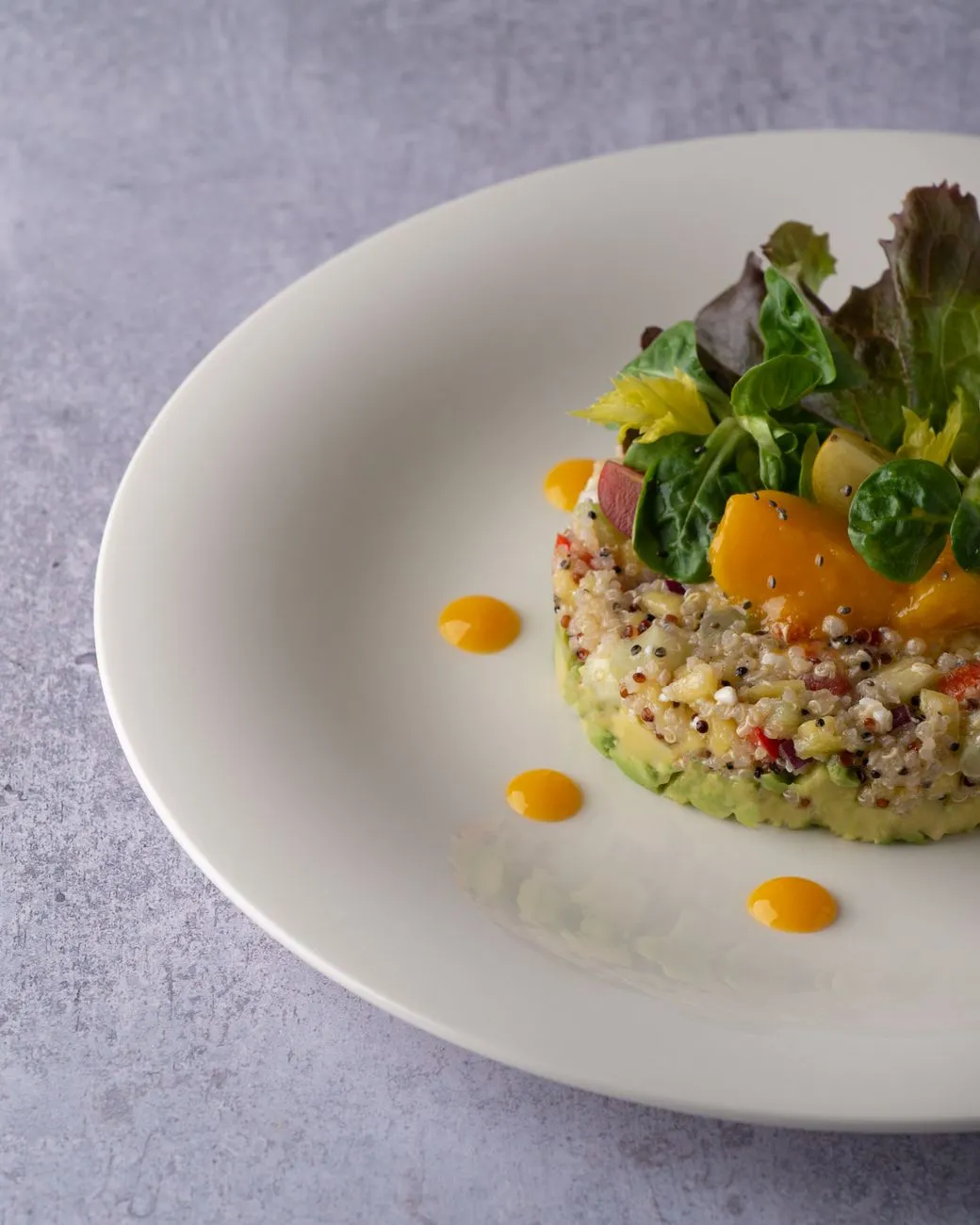
A Symphony of Cellular Defense Through Culinary Art In the fast-paced modern world, the pursuit of sustained energy is not merely a lifestyle preference but a biological imperative. As an expert in nutrition and culinary arts, I have spent years observing how the synergy of whole, unprocessed ingredients impacts systemic health. Today, we are focusing on a dish that acts as a blueprint for cellular longevity: the Quinoa Salad with Roasted Sweet Potatoes and Kale. This is not just a salad; it is a meticulously constructed intervention designed to combat the persistent threat of oxidative stress. Recent research highlights the crucial role of dietary antioxidants in healthcare, specifically noting their function in energy enhancement. Much like the findings from the NUTRIENT Trial—which investigated the feasibility of Mediterranean-style diets—we are seeing that sustained health is best achieved through consistent, intentional dietary interventions. By integrating foods that contain coenzyme Q10 and various phytonutrients, we provide our bodies with the raw materials needed to neutralize free radicals. When you combine the nutty, protein-rich profile of quinoa with the beta-carotene-dense sweet potato and the cruciferous powerhouse that is kale, you aren't just eating for satisfaction; you are providing your body with the tools to mitigate the psychological and physical impacts of a high-stress lifestyle. We must view our kitchens as our primary pharmacy, crafting meals that reduce the systemic inflammation associated with modern work environments.The Architectonics of Grain: Why Quinoa Reigns Supreme Quinoa is often labeled a "superfood," a term I usually approach with caution, yet in this instance, it is scientifically justified. Unlike refined grains, quinoa is a pseudocereal that functions as a complete protein, containing all nine essential amino acids. In the context of the NUTRIENT Trial, which emphasized the importance of adherence to high-quality, nutrient-dense eating patterns, quinoa stands as a cornerstone for those seeking to stabilize blood glucose while maintaining cognitive function. When we look at the role of dietary antioxidants for energy enhancement, quinoa offers a unique matrix of polyphenols, such as quercetin and kaempferol. These molecules are instrumental in protecting the cardiovascular system and supporting the mitochondrial function of healthcare professionals and high-performers alike. To prepare the perfect base, one must first toast the quinoa slightly before boiling. This process releases nutty essential oils that improve both flavor and nutrient bioavailability. Use a ratio of two parts water to one part quinoa, bringing it to a simmer and allowing it to rest for ten minutes after the moisture is absorbed. This steaming period is vital; it ensures the grains are fluffy rather than mushy, maintaining the structural integrity of the complex carbohydrates. By replacing heavy, refined grains with this fiber-rich alternative, you are effectively slowing the glycemic response of your meal, ensuring that the energy you receive from the salad is sustained over several hours rather than spiking and crashing. This steady release is exactly what is required to keep oxidative stress at bay throughout a demanding afternoon. The Radiant Glow of Beta-Carotene-Rich Tubers The inclusion of roasted sweet potatoes is where this dish transcends standard grain bowls. Sweet potatoes provide a profound concentration of beta-carotene, an antioxidant precursor to Vitamin A that is essential for immune function and vision. When we talk about energy enhancement in professional settings, we often overlook the role of micronutrients in supporting the endocrine system. The roasting process, if done correctly, caramelizes the natural sugars in the potato, intensifying the flavor profile while softening the fiber for easier digestion. To achieve the ideal roast, toss your diced sweet potatoes in a minimal amount of high-quality extra virgin olive oil—the golden standard of the Mediterranean diet—and a pinch of sea salt. Roast them at 400 degrees Fahrenheit until the edges turn a deep, golden brown. This level of roasting creates a Maillard reaction, which not only develops flavor but also makes certain nutrients more accessible to the digestive enzymes in your gut. Research into food supplements and functional foods suggests that the synergy between the healthy fats in the olive oil and the fat-soluble vitamins in the sweet potato creates a biological pathway for optimal absorption. Without this healthy fat anchor, the beta-carotene would not be processed by your body with the same efficiency. By incorporating these roots, you are layering in deep, earth-derived energy. It is this intentional pairing of ingredients—grains for structure, roots for sustained fuel—that forms the backbone of a high-functioning diet. Furthermore, the psychological satisfaction of the sweet flavor profile provides a subtle reward mechanism, reducing the craving for processed sweets that often plague busy professionals during high-stress periods. Mastering the Cruciferous Power of Massaged Kale Kale has earned its reputation as a powerhouse, but its efficacy depends entirely on preparation. Raw kale can be tough, fibrous, and difficult for some individuals to digest, which is why the technique of "massaging" the leaves is non-negotiable. By rubbing the kale with a small amount of lemon juice and a touch of olive oil for two to three minutes, you mechanically break down the cellulose walls of the leaves. This makes the kale more tender, improves its flavor by reducing bitterness, and makes its rich supply of glucosinolates—compounds associated with cellular detoxification—more readily available for your system to utilize. Kale is a dense source of Vitamin K, Vitamin C, and manganese, all of which are critical for the metabolic processes that keep our bodies energized and resilient. In the context of interventions regarding systemic health, kale serves as a primary source of protective chemistry. It is these cruciferous vegetables that have been shown to help regulate the body's oxidative response. When incorporated into the quinoa base, the kale adds a textural contrast that forces you to chew more deliberately, which in turn slows your eating speed—a common recommendation in nutritional behavioral counseling. Slowing down your meal promotes better satiety signals, ensuring you don't over-consume calories while maximizing the absorption of these essential nutrients. Think of this process as a sensory intervention; you are not just eating, you are engaging in a process of systemic renewal. The brightness of the lemon used in the massage also cuts through the earthiness of the roasted potatoes, creating a balanced palate that keeps the meal exciting from the first bite to the last.The Synergy of Dressings and Final Assembly A dish is only as good as the medium that connects its elements. For this antioxidant powerhouse, the dressing must be more than a flavor enhancer; it should be a nutritional vehicle. I recommend a vibrant vinaigrette composed of cold-pressed hemp seed oil, fresh ginger, raw apple cider vinegar, and a hint of turmeric. Hemp seed oil provides a superior ratio of Omega-3 to Omega-6 fatty acids, which is foundational for cognitive health and inflammation management. The ginger and turmeric introduce potent anti-inflammatory compounds that act synergistically with the antioxidants found in the quinoa and kale. When assembling, begin by placing the massaged kale at the bottom of a wide bowl, allowing it to act as the nutrient-dense foundation. Add the warm quinoa, followed by the roasted sweet potatoes. This layering technique allows the residual heat from the potatoes to slightly soften the kale just enough, without losing the fresh, crisp bite. Finally, drizzle your dressing over the top and incorporate toasted pumpkin seeds or walnuts for a necessary crunch. These nuts and seeds are vital additions—they provide zinc, magnesium, and additional Coenzyme Q10 precursors, rounding out the nutrient profile of your meal. This is culinary science at its most refined. Every element is intentional, designed to work in concert to fuel your brain and fortify your cells against the daily pressures of a high-demand career. By taking these steps, you are moving away from the paradigm of "fueling up" and moving toward the strategy of "optimizing your biological hardware."Component Key Nutrient Profile Functional BenefitQuinoa Complete Protein (9 Amino Acids) Sustained energy & muscle repairSweet Potato Beta-Carotene (Vitamin A) Immune support & eye healthKale Glucosinolates & Vit K Cellular detox & bone healthHemp Oil Omega-3 Fatty Acids Reduced inflammation & cognitive focusWalnuts Magnesium & Zinc Neural function & stress resilienceTurmeric Curcumin Powerful antioxidant & anti-inflammatoryNourishing the Future of Your Performance The transition to a highly functional, antioxidant-rich diet is a journey, not a destination. By adopting this Quinoa Salad with Roasted Sweet Potatoes and Kale as a regular feature in your meal rotation, you are making a tangible investment in your long-term health. The data is clear: whether we look at the feasibility of the Mediterranean diet or the necessity of antioxidants in mitigating oxidative stress, the consensus is that what we put on our plates directly dictates how we perform in our professional and personal lives. This salad is more than just a meal; it is a manifestation of self-care. It represents a shift from impulsive consumption to strategic fueling. As you integrate these ingredients into your routine, notice the difference in your energy stability throughout the afternoon. Pay attention to how your focus shifts when you are no longer burdened by the inflammation caused by processed additives and refined sugars. My mission as a food expert is to provide you with the knowledge to make these decisions with confidence. You now have the blueprint. The quinoa provides the structure, the sweet potatoes provide the endurance, the kale provides the resilience, and the dressing provides the catalyst. Start this week by preparing a large batch of these components; they store beautifully, making them an excellent choice for meal prep. Your body is a highly complex machine, and it requires high-performance fuel to function at its peak. By choosing to nourish yourself with this combination of whole, vibrant foods, you are ensuring that you have the vitality to tackle whatever challenges your professional life presents. Remember, consistency is the key to any intervention—keep this salad in your repertoire, and your body will thank you with sustained clarity and vigor. #HealthyEating #AntioxidantRich #PlantBasedNutrition #HighPerformanceFuel #MediterraneanDietInspired Related InsightsPeruvian Ceviche Revealed: The Ancient Citrus Alchemy That Transforms Seafood into a Nutritional Powerhouse (Part 3) Basque Pintxos: Spain’s Tiny Plates of Culinary Genius You Must Try The Protein-Powered Italian Table: Spinach and Ricotta Stuffed Shells{ "@context": "https://schema.org", "@type": "FAQPage", "mainEntity": [ { "@type": "Question", "name": "What is the main focus of The Golden Harvest: Transforming Your Vitality with Quinoa, Sweet Potatoes, and Kale?", "acceptedAnswer": { "@type": "Answer", "text": "Unlock superior energy levels with this nutrient-dense, antioxidant-rich quinoa salad featuring roasted sweet potatoes and kale—backed by the latest nutritional research." } }, { "@type": "Question", "name": "Who authored the comprehensive guide on The Golden Harvest: Transforming Your Vitality with Quinoa, Sweet Potatoes, and Kale?", "acceptedAnswer": { "@type": "Answer", "text": "This detailed article and its insights were carefully researched and authored by Isabella Rossi." } }, { "@type": "Question", "name": "Where can I find more related content about Food?", "acceptedAnswer": { "@type": "Answer", "text": "You can explore more articles, detailed reviews, and similar insights by browsing the Related Insights section at the bottom of this article or visiting our dedicated Food category page." } } ] }