Showing Posts From
Odette rising
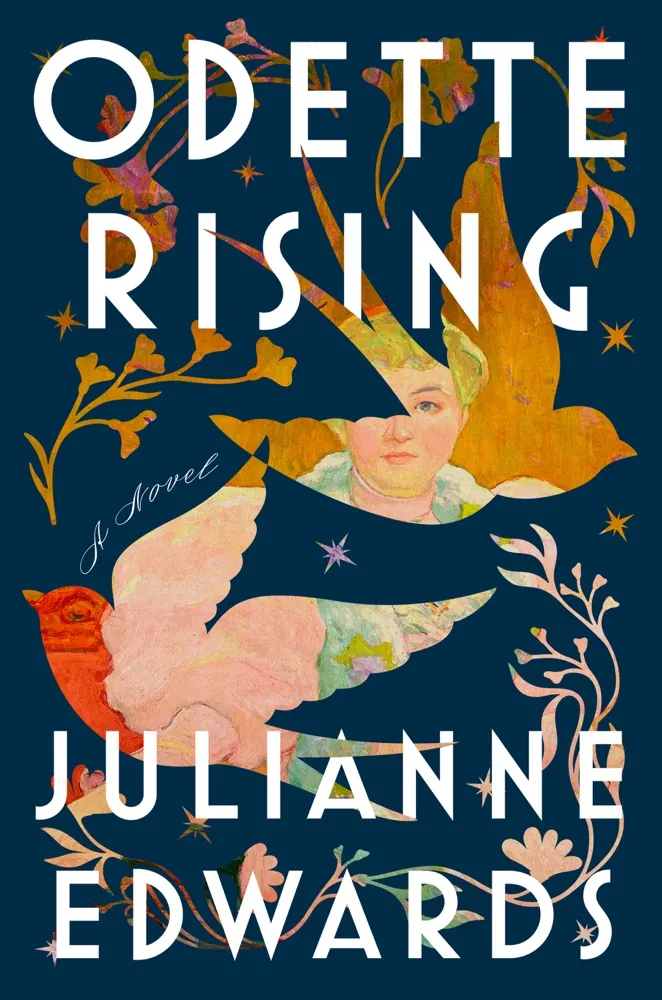

Author: Julianne EdwardsPage Count: UnknownPublication Date: Expected publication 2026-10-13 APL Ten years of voluntary enclosure in Sèvres because society demands female docility is a choice that makes my eye twitch. Not to burst anyone's bubble, but the trope of the sequestered maiden waiting for a dead man's estate to violently yank her into consciousness is exhausting. Julianne Edwards is dropping Odette Rising in October 2026, and the publishing machine is already trying to sell us another bourgeois girlboss awakening fueled by inherited hosiery capital. Give me a break. Or better yet, give this protagonist a guillotine. The Gilded Cage of Bourgeois Legitimization We are supposed to swoon over a twenty-one-year-old recluse who spent a decade hiding from loss by reading and carb-loading. Relatable? Sure. Radically subversive? Absolutely not. The premise hinges on a massive fortune tied to stockings that adorn the slender ankles of Parisian femmes célèbres. And there it is. The mandatory commodification of female vanity—even in a supposedly triumphant coming-of-age narrative. Yet the marketing copy insists on framing this inheritance as an emancipation tool. Men die, women inherit the factory floor, and suddenly capitalism is feminist empowerment. Right. Finding Agency in the Patriarchal Ledger Let us look closely at the architecture of this anticipated text. Odette unearths paternal secrets and stumbles upon her true identity through an unorthodox found family. Yawn. We have read this exact blueprint in every historical drama marketed toward book clubs that pretend they want grit while demanding a cozy resolution. Clare Leslie Hall compares it to Broken Country, which tells me to expect lush prose masking deeply conventional character arcs. Odette is touted as complex and flawed—which usually translates to making mildly bad decisions before the narrative gently rewards her with self-actualization and a found family hug. Where is the feral rage? Where is the institutional demolition? The Tyranny of the Comfort Read We refuse to accept that healing requires a quirky supporting cast and a dusty ledger of industrial secrets. A decade of agoraphobia broken down by a pair of designer stockings and some dead man's paperwork defies any realistic psychological trajectory—it is pure literary comfort food disguised as a triumph of storytelling. And yet, the prose excerpt promises moments of genuine sensory awakening. The tension between the shadows and the sudden shock of joy might actually save the manuscript from drowning in its own predictable domesticity. Or maybe it will just be another three hundred pages of crying into brioche until a man or a legacy saves her. Time will tell if Edwards has the teeth to bite the hand that binds her heroine. The washing machine just flooded the laundry room. Related InsightsThe Five People You Meet in Heaven Book Review and Summary Clockwork Princess Book Review and Summary Love Story Book Review and Summary{ "@context": "https://schema.org", "@type": "FAQPage", "mainEntity": [ { "@type": "Question", "name": "What is the main focus of Odette Rising Book Review and Summary?", "acceptedAnswer": { "@type": "Answer", "text": "Everything you need to know about Odette Rising with our detailed review." } }, { "@type": "Question", "name": "Who authored the comprehensive guide on Odette Rising Book Review and Summary?", "acceptedAnswer": { "@type": "Answer", "text": "This detailed article and its insights were carefully researched and authored by Marta Wisniewska." } }, { "@type": "Question", "name": "Where can I find more related content about Books?", "acceptedAnswer": { "@type": "Answer", "text": "You can explore more articles, detailed reviews, and similar insights by browsing the Related Insights section at the bottom of this article or visiting our dedicated Books category page." } } ] }