Showing Posts From
Oman travel
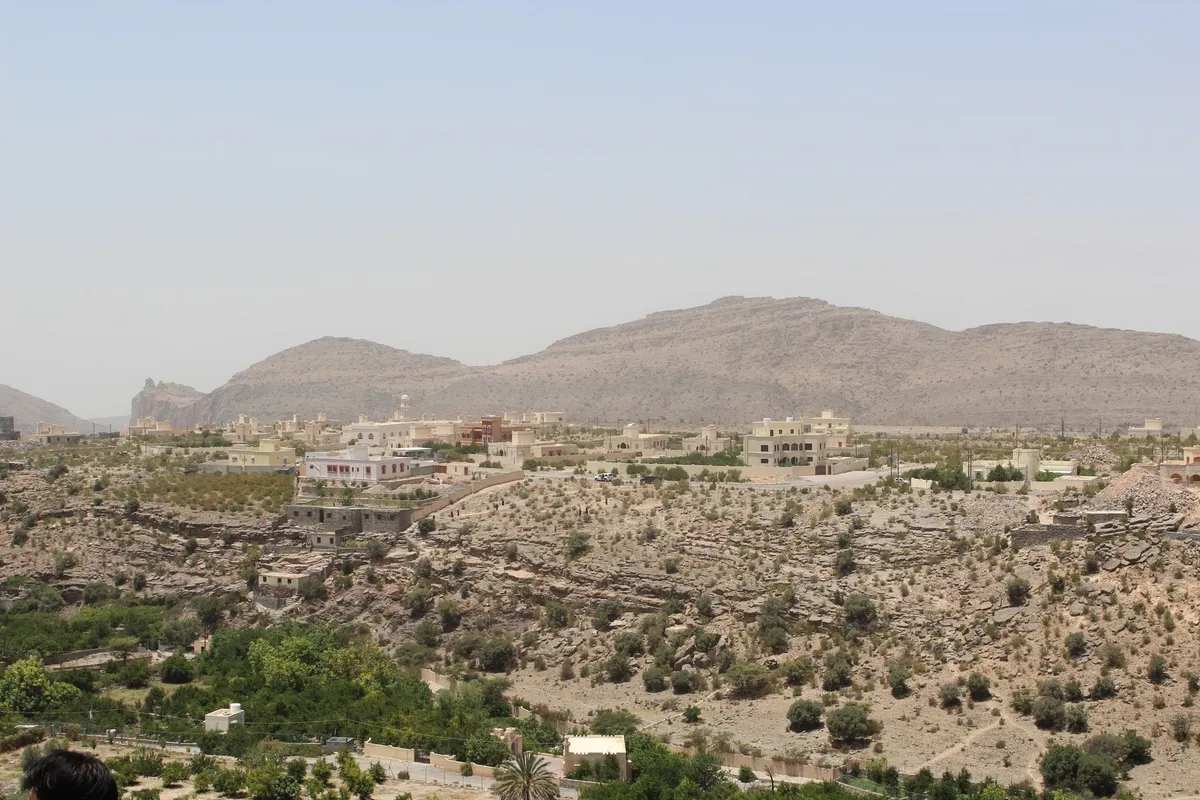

A Desert Rose Blooms – The Rise of Oman’s Tourist Flow The Arabian Peninsula’s jewel, Oman, has transformed its visitor numbers into a soaring arc. From 3.1 million guests in 2017 to 4.1 million in 2019, the nation’s tourism sector has become a cornerstone of the economy, a trajectory first forecast in a 2013 report that foresaw it becoming one of the country’s largest industries. Muscat, the capital, earned worldwide acclaim when Lonely Planet crowned it the best city to visit in 2012, and the same year it was named Capital of Arab Tourism. These accolades echo a strategic blend of natural splendor, cultural depth, and modern hospitality that draws explorers from every corner of the globe.Seamless Entry – Visa Essentials for the Global Traveller Oman welcomes visitors with a clear visa framework. Citizens of the Gulf Cooperation Council travel visa‑free, while 69 other nationalities can secure a 30‑day e‑visa online. The only prerequisite for all guests is a passport valid for at least six months. This streamlined process removes barriers, letting travelers focus on the adventure that awaits.Sun‑Kissed Shores – Beach Activities Along Oman’s Coast Stretching along the Arabian Sea, Oman’s coastline offers a playground for water lovers. Resort hotels dot the western and eastern fringes of Muscat, providing immediate access to a menu of activities:Sunbathing and swimming on pristine sands Kitesurfing, powered by a reliable daily sea breeze—popular spots include Muscat, Al Sawadi Beach, Alzaiba Beach, and Masirah Island Diving and snorkeling amid vibrant marine life Boating, water scooters, and surfing for the thrill‑seekers Beach combing, shell collecting, and fishing excursions for the contemplative explorerWhispering Dunes – Desert Safaris in the Sharqiya Sands Formerly known as Wahiba Sands, the Sharqiya Sands present a dramatic canvas of golden dunes. Visitors can embark on camelback rides or four‑wheel‑drive journeys that culminate in authentic desert experiences:Overnight stays in traditional Barsti huts Barbecues under a starlit sky Sandboarding and camel racing Visits to Bedouin communities, offering a glimpse into nomadic lifeThese safaris combine adrenaline with cultural immersion, showcasing the resilience and hospitality of Oman’s desert heritage.Hidden Underworlds – Caving Adventures in Limestone Mountains Oman’s rugged mountains harbor a labyrinth of limestone caves, many formed by centuries of sedimentary activity. The Ministry of Tourism unveiled a development plan in 2008 to showcase Majlis al Jinn, the world’s second‑largest cavern, as a show cave. The earlier success of Al Hoota Cave—drawing 75 000 visitors in its inaugural year—demonstrates the public’s appetite for subterranean wonder. For the adventurous, amateur‑friendly sites such as Muqal Cave in Wadi Bani Khalid and caves in Baydiah (Ash Sharqiyah) offer accessible exploration, while more demanding chambers require specialized equipment and expertise.Market Mazes – Souqs That Pulse With Omani Craft Every Omani town boasts a souq, but the Ruwi and Muttrah markets in Muscat stand out as bustling hubs of tradition. Stalls overflow with silver and gold artefacts, hand‑woven textiles, and other handcrafted treasures. These markets serve not only as shopping destinations but also as living museums of Omani artisanal skill.Stone Sentinels – Forts Guarding History Nearly every Omani settlement is crowned by a fort, many erected or expanded during the Al‑Yarubi dynasty (1624‑1744). Designed as refuges, these fortifications feature water wells, food stores, and secret tunnels extending kilometers beyond their walls. In peace, they have functioned as administrative centers, schools, and community spaces, embodying a seamless blend of defense and daily life.UNESCO Treasures – World Heritage Sites That Define Oman Four cultural sites in Oman have earned UNESCO recognition, each narrating a distinct chapter of the nation’s past:Bahla Fort – The stronghold of the Nabhani dynasty, a medieval power that prospered across the Arabian Peninsula. Archaeological Sites of Bat, Al‑Khutm, and Al‑Ayn – Settlements and necropolises dating to the 3rd millennium BCE, with Bat’s necropolis illustrating early Bronze Age funeral customs. Land of Frankincense – A network of ancient ports (Khor Rori, Al‑Baleed) and caravan oases (Shisr, Wadi Dawkah) that once fueled a global luxury trade in fragrant resin. Falaj Irrigation Systems – Five ingeniously engineered water‑distribution networks, inscribed in 2006, that harness gravity to sustain Omani agriculture since at least 500 CE.These sites weave together commerce, spirituality, and engineering, offering travelers a tangible link to millennia of human ingenuity.Festive Rhythms – Cultural Events That Light Up the Calendar Oman’s cultural calendar is a vibrant tapestry of festivals and performances:Muscat Festival (January–February) – International exhibits paired with displays of traditional Omani lifestyle, art, and circus street theatre. Salalah Festival (July–August) – A family‑focused celebration in the cooler southern region, showcasing cultural, traditional, and modern artistic shows. Cultural Theatre Program (December–March) – Staged at historic venues such as Al Flayj Castle and Al Morooj theatres, featuring global groups in a series of evening performances.These events invite visitors to engage directly with Omani heritage, from music and dance to craft and cuisine.Racing the Horizon – Sporting and Adventure Events Oman’s love of speed and stamina is evident in a suite of high‑profile competitions:Horse and Camel Racing (September–June) – Races at Seeb’s royal stables and across Al Kamil/Al Wafi, with long‑distance camel sprints on public holidays and National Day. Dubai–Muscat Offshore Sailing Race (January) – A grueling regatta that navigates the Straits of Hormuz before docking at Bandar Al‑Rawdah Marina. Sinbad Classic (April) – An international deep‑sea fishing contest serving as an IGFA World Championships qualifier. Oman Adventure (November) – A five‑day endurance challenge pairing a runner and a cyclist, demanding self‑sufficient planning for food, water, and gear. Oman International Rally (March) – A cornerstone of the Middle East Rally Championship. Bidiyah Challenge (February) – A daring dune‑scale race in Bidiya, Sharqiyah Region. Tour of Oman (since 2010) – A professional road‑cycling stage race on the UCI Asia Tour, designed to promote cycling, showcase Oman’s scenery, and stimulate trade.These events draw athletes and spectators worldwide, reinforcing Oman’s reputation as an adventure destination.Crafting Your Oman Itinerary – Practical TipsVisa Planning – Secure an e‑visa if you’re among the 69 eligible nations; ensure your passport’s six‑month validity. Seasonal Choices – The Salalah Festival offers cooler weather in July–August, while the Muscat Festival shines in winter months. Activity Pairing – Combine a desert safari in Sharqiya Sands with a night at a Barsti hut, then head to the coast for kitesurfing at Al Sawadi. Cultural Respect – Visit souqs early to avoid crowds, and dress modestly when exploring forts and museums.The Road Ahead – Why Oman Remains a Must‑Visit Oman’s tourism story is one of purposeful growth anchored in authentic experiences. From the rhythmic chants of camel races to the silent awe of Majlis al Jinn, the country offers a spectrum of attractions that satisfy both the casual traveler and the intrepid explorer. Its strategic visa policies, diverse natural playgrounds, and UNESCO‑listed heritage sites position Oman as a destination that not only welcomes visitors but invites them to become part of its living narrative. As the numbers rise and global recognition expands, Oman stands ready to share its sands, seas, and stories with the world—one unforgettable journey at a time.#Travel #Oman #Adventure #CulturalHeritage #Explore Related Insights>- Damned If I Do Book Review and Summary Counting Down to You Book Review and Summary