Showing Posts From
Omantravel
-
 Zola Ndlovu
 - 08 Sep, 2026 21:22
Oman Unveiled: Where Golden Dunes Meet Timeless Forts and Hidden Oases
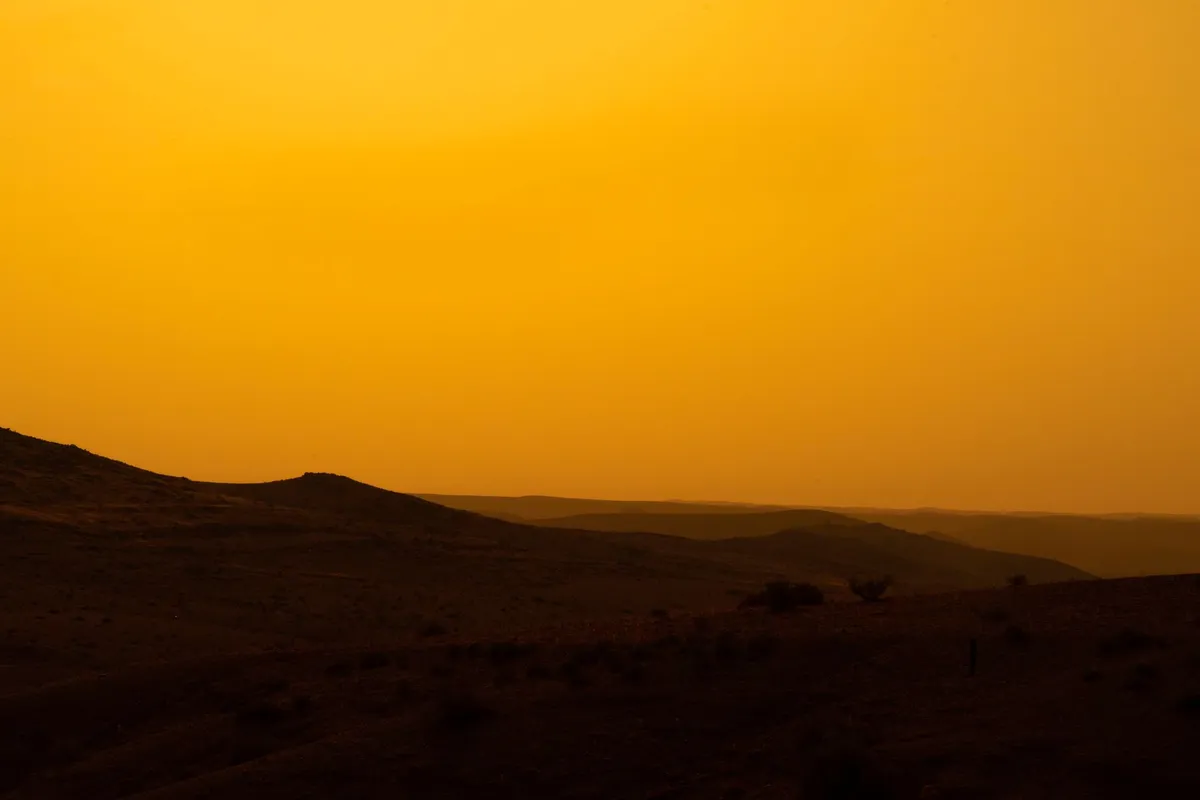
Symphonies of Sand and Stone: A Gateway to the Arabian Soul Stepping into Oman is like turning the pages of an ancient manuscript written in gold and sandstone. As an explorer who has traversed the globe, I find few places that balance the raw, untamed magnetism of the desert with the refined elegance of modern infrastructure quite like the Sultanate. Oman does not shout for your attention; it whispers in the rustle of date palms and the rhythmic lapping of the Indian Ocean against the jagged cliffs of Musandam. Here, the hospitality is not a service—it is a sacred tradition. When you land in Muscat, the capital, you are greeted by the scent of frankincense, a fragrant reminder that you are standing at the historical crossroads of the ancient incense trade routes. This is a land where the government has meticulously preserved its heritage, ensuring that the skyscrapers of the 21st century do not overshadow the crenellated silhouettes of 17th-century forts. Whether you are a digital nomad scouting for a base with a high quality of life or a traveler seeking the silence of the Wahiba Sands, Oman offers an authenticity that is increasingly rare in our hyper-connected world. The air is clear, the pace is deliberate, and the horizon is always inviting. As we navigate the complexities of travel in 2026, it is essential to understand that Oman is not merely a destination; it is a profound immersion into a culture that deeply respects its roots while gracefully embracing the future. My goal is to guide you through this majestic tapestry, providing not just the aesthetic wonders, but the practical, hard-hitting data you need to navigate the Sultanate with the authority of a seasoned local expert. From the hidden wadis that pool with turquoise water to the vibrant souqs where silver and spice hold court, Oman is a revelation waiting for those who know where to look.Navigating the Cost of the Sultanate: A Practical Financial Blueprint To travel or reside in Oman effectively in 2026, one must move past the glossy brochures and confront the fiscal reality of the region. Oman offers a sophisticated financial environment, particularly for those coming from Western metropolitan hubs. According to recent data, the cost of living in Muscat provides a stark, favorable contrast to global financial centers like New York. If you are planning an extended stay, it is vital to anchor your budget around concrete figures. For a family of four, the estimated monthly expenditure—excluding housing—hovers around $3,034.40, which translates to approximately 1,166.7 Omani Rials. For the solo traveler or the digital nomad flying solo, that figure drops to a remarkably manageable $868.00 (333.8 Omani Rials). When we analyze these figures against the backdrop of a major city like New York, the economic advantage becomes undeniable. Muscat is roughly 51.9% less expensive than New York, excluding rent. Perhaps more compelling for those looking to set up a long-term base is the housing market; rent in Muscat is, on average, 85% lower than in its American counterparts. This financial breathing room is what allows the modern traveler to trade a cramped apartment for a sprawling villa with sea views or a centrally located flat near the bustling Mutrah Corniche. However, cost of living is only one piece of the puzzle. When calculating your financial pathway, you must factor in visa requirements, which have evolved to cater more specifically to remote workers and long-term expatriates. The purchasing power of the Omani Rial is robust, and when you combine lower daily expenses with the high quality of public infrastructure—such as the pristine roads and advanced telecommunications—the value proposition of choosing Oman for your next nomadic chapter becomes incredibly strong. As you build your itinerary, remember that while luxury is readily available, the true essence of Omani travel is found in the intersection of affordability and accessibility. Architectural Marvels and the Sentinels of Time The skyline of Oman is a dialogue between the earth and the heavens. Unlike the glass-and-steel competition seen in neighboring states, Omani architecture remains resolutely grounded in its environment. The forts—Nizwa, Bahla, and Nakhal—are not merely relics; they are the architectural anchors of the nation. Nizwa Fort, with its massive circular drum, stands as a testament to the Imamate period, providing a tactical view of the surrounding palm oases. To walk through these corridors is to touch the very foundation of Omani resilience. The Sultan Qaboos Grand Mosque in Muscat is perhaps the most striking example of modern Islamic architecture, housing one of the world's largest hand-woven carpets and a chandelier that mimics the starry night sky. The precision involved in these structures is staggering, often utilizing local limestone and traditional woodworking techniques that have been passed down through generations. These buildings are more than just tourist sites; they are functional symbols of the Sultanate’s dedication to preserving a cohesive national identity. When exploring these sites, one notices the deliberate lack of overwhelming modernization within the historic districts. The government has implemented strict zoning laws to ensure that the charm of the past remains undisturbed. Whether you are staring up at the intricate woodwork of a mosque ceiling or tracing the defensive masonry of a coastal watchtower, you are witnessing a commitment to longevity. For the discerning photographer, the interplay of light and shadow on these golden-hued structures during the 'golden hour' provides some of the most dramatic imagery in the Middle East. It is in these moments, surrounded by the silence of ancient stone, that you realize Oman is not interested in keeping pace with the world; it is interested in defining its own rhythm, one that is perfectly synced with the cycles of history.Wadis, Oasis, and the Turquoise Heart of the Desert If the forts are the bones of Oman, then the wadis are its lifeblood. A 'wadi' is a valley or a dry riverbed that, in Oman, often blossoms into a series of crystal-clear swimming holes fed by mountain springs. Wadi Shab is the crowning jewel of this geography. To reach it, you must take a small boat across a river, hike through rugged limestone cliffs, and navigate a series of submerged passages that lead you into a hidden cavern with a waterfall. It is a surreal, almost ethereal experience. This is the antithesis of the typical tourist beach experience. Here, the water is cool, the stone is smooth, and the only soundtrack is the gentle echo of water against rock. Beyond Wadi Shab, places like Wadi Bani Khalid offer a more accessible, but no less stunning, oasis experience. The contrast between the harsh, arid mountains and these lush, verdant pockets of water is what defines the Omani landscape. For the adventurous, these areas provide incredible hiking and canyoning opportunities. The water quality is exceptional, often mineral-rich and refreshing even in the peak of the Arabian summer. However, it is essential to respect the environment of these hidden oases. As a visitor, you are a guest in a fragile ecosystem. Local customs dictate modest dress even when swimming in these remote areas, and leave-no-trace principles are strictly expected. Engaging with the locals near these wadis—often farmers tending to date palms or grazing goats—offers a glimpse into a rural lifestyle that remains largely unchanged by the rapid digitization of the cities. Taking the time to share a coffee and dates with a local villager near a wadi provides a depth of cultural understanding that no guidebook can offer. It is here, far from the Wi-Fi signals and the noise of the city, that you will find the true, beating heart of Oman. A Comparative Analysis of Lifestyle ExpendituresExpense Category Muscat Average (USD) Comparative Index (vs NYC)Monthly Rent (1-Bed City Center) $450 - $650 85% LowerBasic Utilities (Monthly) $85 - $120 40% LowerRestaurant Meal (Mid-range) $15 - $25 60% LowerPublic Transport/Fuel $40 - $60 50% LowerGroceries (Monthly/Person) $200 - $300 45% LowerHigh-Speed Internet (Monthly) $40 - $55 ComparableThe table above illustrates the economic reality for those considering a transition to life in the Sultanate. While costs such as high-speed internet remain competitive with Western prices due to the reliance on imported infrastructure and advanced telecommunications networks, the fundamental costs of living—namely shelter and sustenance—provide significant savings. This economic delta is the primary driver for the growing influx of digital nomads who prioritize a high quality of life, safety, and cultural depth over the high-octane pace of major Western capitals. When analyzing these figures, consider the total package: the ability to live in a secure, stable, and culturally rich environment at a fraction of the cost found in global financial hubs. Furthermore, the lack of traditional income tax on personal earnings for many expatriates adds an additional layer of financial attractiveness. When you combine these economic benefits with the natural beauty and the historical depth of the region, the Sultanate emerges not just as a travel destination, but as a viable, long-term lifestyle choice. The data confirms what many who have visited already know: Oman is a hidden economic gem that rewards those who take the time to look beneath the surface. From the affordable fresh produce in the Muttrah Souq to the reasonably priced luxury of coastal housing, the Sultanate invites you to live well while experiencing a culture that places a premium on peace, progress, and historical integrity. It is an investment in your quality of life, offering a rare blend of modern convenience and ancient soul that is increasingly hard to find in a rapidly shifting global landscape.The Art of Living: Traditions, Flavors, and the Future of Travel As we look toward the future of travel in 2026, Oman remains a bastion of tradition in a world that often loses its way in the pursuit of the next trend. The hospitality here is anchored in 'Kahwa'—a bitter, cardamom-infused coffee served with sweet, chewy dates. It is a ritual performed in every home and every luxury hotel alike, a symbol of the Omani belief that a guest is a gift from God. This ethos extends to how the Sultanate manages its growth. The focus is on sustainable tourism—preserving the mountain trails, protecting the turtle nesting grounds at Ras Al Jinz, and ensuring the maritime history of Sur remains a living legacy rather than a dusty exhibit. For the traveler, this means that every dollar spent in Oman contributes to a larger mission of preservation. Whether you are bargaining for handmade silver in the souq or embarking on a desert safari, you are participating in a local economy that values quality and craftsmanship. The Omani people are exceptionally welcoming, and they are proud to share their land with those who show respect for their values. As you conclude your journey through the golden dunes and the timeworn forts, you will likely find that Oman has changed you. It reminds us that there is a profound power in simplicity, in the endurance of stone, and in the timelessness of a sunset over the desert. It is a place where you can find both the silence required for deep reflection and the vibrancy needed for genuine inspiration. As you prepare to leave, you will realize that you are not just taking photos or souvenirs with you; you are carrying a piece of a story that is as vast and beautiful as the Rub' al Khali itself. Oman is, and will always be, a beacon for the intentional traveler—one who looks for the gold not just in the dunes, but in the people, the history, and the quiet, enduring wisdom of the land. It is time to venture forth, with your camera ready and your heart open to the wonders of the Sultanate. #OmanTravel #DigitalNomad #MiddleEastDiscovery #LuxuryTravel #HiddenGems Related InsightsThe Pantanal Chronicles: Into the Heart of Earth’s Greatest Wetland Sanctuary L'Orizzonte Senza Fine: Viaggio nell'Anima e nel Motore del Turismo Australiano Le Isole che Respirano il Vento: Il Risveglio Silenzioso delle Fær Øer{ "@context": "https://schema.org", "@type": "FAQPage", "mainEntity": [ { "@type": "Question", "name": "What is the main focus of Oman Unveiled: Where Golden Dunes Meet Timeless Forts and Hidden Oases?", "acceptedAnswer": { "@type": "Answer", "text": "Discover the majestic beauty of Oman, from the vast Wahiba Sands to historic Muscat, with a comprehensive guide on culture, travel, and realistic living costs for the modern explorer." } }, { "@type": "Question", "name": "Who authored the comprehensive guide on Oman Unveiled: Where Golden Dunes Meet Timeless Forts and Hidden Oases?", "acceptedAnswer": { "@type": "Answer", "text": "This detailed article and its insights were carefully researched and authored by Zola Ndlovu." } }, { "@type": "Question", "name": "Where can I find more related content about Travel?", "acceptedAnswer": { "@type": "Answer", "text": "You can explore more articles, detailed reviews, and similar insights by browsing the Related Insights section at the bottom of this article or visiting our dedicated Travel category page." } } ] }