Showing Posts From
Once upon a broken h
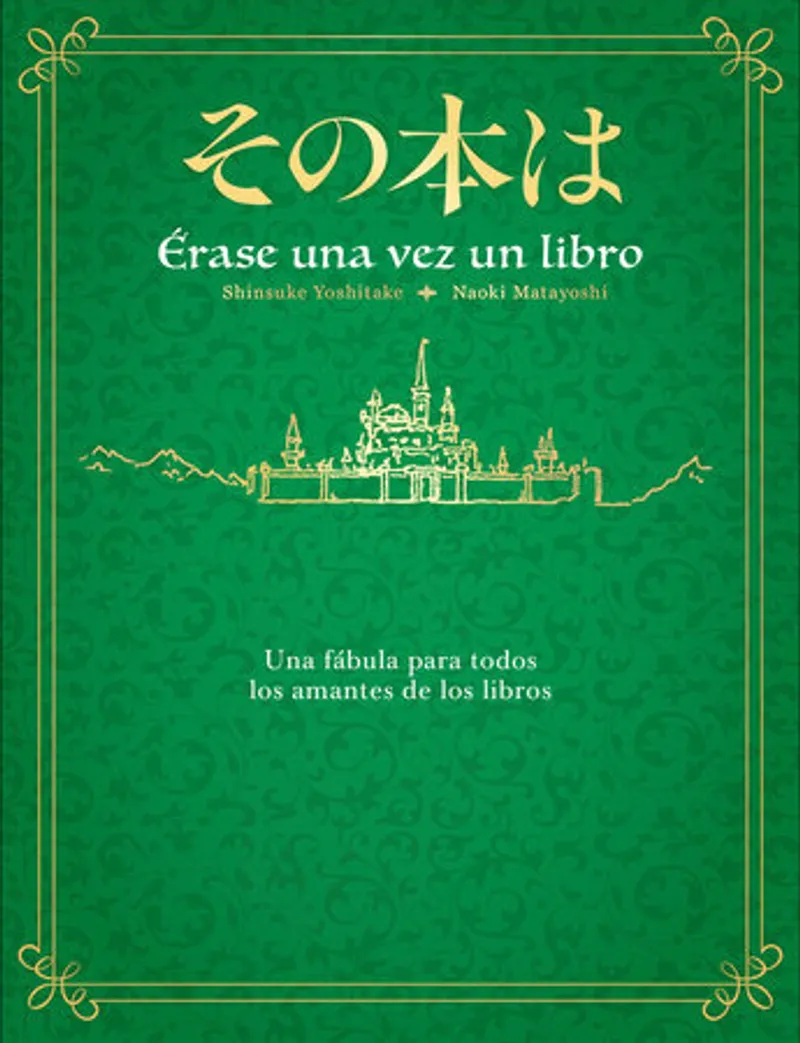
Érase una vez un libro / Once Upon a Time, There Was a Book Author: Shinsuke YoshitakePage Count: UnknownPublication Date: 2025-PRH Érase una vez un libro / Once Upon a Time, There Was a Book is a whimsical, thought-provoking picture book that reimagines the very act of reading as an adventure—one that begins not with a single page, but with the boundless curiosity of a child’s imagination. Authored by the acclaimed Japanese illustrator and storyteller Shinsuke Yoshitake, whose previous works like The Boring Book and What Happens Next? have delighted readers with their playful yet profound exploration of everyday emotions, this new creation promises to be both a celebration of literature and a gentle nudge toward creative self-discovery. At its heart, the book is a metafictional journey: it invites readers to step inside the pages of a book—not as passive observers, but as active participants in the unfolding story. Yoshitake, known for his expressive, minimalist illustrations and gentle humor, crafts a narrative that blurs the line between reader and story, suggesting that every book is a living thing, waiting to be brought to life by the imagination of its audience. The title itself—repeated in both Spanish and English—serves as a portal: “Once upon a time, there was a book…” and so begins not just a story, but an invitation to wonder. What makes Yoshitake’s work so compelling is his ability to distill complex ideas into simple, visually engaging scenes. Here, he doesn’t just tell us that books are magical—he shows us. Through a series of vignettes, the book depicts a child (or perhaps a child-like adult) opening a book and watching as the characters step out, interact with the real world, and even invite the reader to join their journey. The illustrations are deceptively simple: soft watercolors, clean lines, and expressive faces that convey curiosity, surprise, and quiet joy. Yet within these spare images lies a deeper meditation on the power of storytelling to transform not only the reader, but the world around them. The book’s genius lies in its refusal to be prescriptive. It doesn’t dictate what a book “should” be or how it should be read. Instead, it presents reading as an act of co-creation—where the reader’s thoughts, feelings, and even daydreams become part of the narrative. In one spread, a character from the book might climb out of the page and sit beside the reader on a park bench, sparking a conversation. In another, the book itself seems to breathe, its pages fluttering like wings. These moments are not explained; they are simply presented, leaving room for the reader’s own interpretation and emotional response. Yoshitake’s style is deeply rooted in Japanese picture book traditions, where visual storytelling often carries as much weight as the text. His use of white space, subtle textures, and understated facial expressions creates a sense of intimacy and warmth. The characters—whether human, animal, or fantastical—feel real not because of their complexity, but because of their authenticity. They stumble, they question, they wonder aloud—just as a child might. This authenticity is what makes the book resonate across ages. While it will undoubtedly enchant young readers with its playful visuals and gentle humor, adults will find in it a quiet reminder of the magic they once saw in books, and perhaps still do, if only they pause to look. The book’s bilingual presentation—Spanish and English—adds another layer of richness. It’s not merely a translation, but a deliberate choice to make the story accessible to a wider audience, inviting cross-cultural dialogue through the universal language of storytelling. The repetition of the title in both languages feels like a bridge, a reminder that stories connect us even when words differ. Ultimately, Érase una vez un libro is more than a book about books. It’s a book about possibility. It asks: What if every time you opened a book, you didn’t just read a story—you entered one? What if the characters were waiting for you? What if the book itself could change, depending on who was holding it? Yoshitake doesn’t provide answers. Instead, he offers a space for reflection, for daydreaming, for rediscovering the joy of getting lost in a story. In an age where digital distractions compete for our attention, this book is a gentle rebellion—a quiet manifesto for the enduring power of the printed word and the imagination it inspires. It reminds us that reading is not a passive act, but an active, alive engagement with the world. And perhaps, in the end, that’s the most magical thing a book can do. #OnceUponATimeThereWasABook #ChildrensBooksWithHeart #MagicalReading #ShinsukeYoshitake #PictureBookMagic #StoriesThatComeToLife Related InsightsEmpire (Heir Duology, #2) Book Review and Summary This Shattered Tempest (The Hurricane Wars, #3) Book Review and Summary 'Die stille Revolution: Wie Noise-Cancelling-Kopfhörer die Welt zum Verstummen bringen'{ "@context": "https://schema.org", "@type": "FAQPage", "mainEntity": [ { "@type": "Question", "name": "What is the main focus of Once Upon a Broken Heart Book Review and Summary?", "acceptedAnswer": { "@type": "Answer", "text": "Everything you need to know about Once Upon a Broken Heart with our detailed review." } }, { "@type": "Question", "name": "Who authored the comprehensive guide on Once Upon a Broken Heart Book Review and Summary?", "acceptedAnswer": { "@type": "Answer", "text": "This detailed article and its insights were carefully researched and authored by Stephanie Garber." } }, { "@type": "Question", "name": "Where can I find more related content about Books?", "acceptedAnswer": { "@type": "Answer", "text": "You can explore more articles, detailed reviews, and similar insights by browsing the Related Insights section at the bottom of this article or visiting our dedicated Books category page." } } ] }