Showing Posts From
One flew over the cu
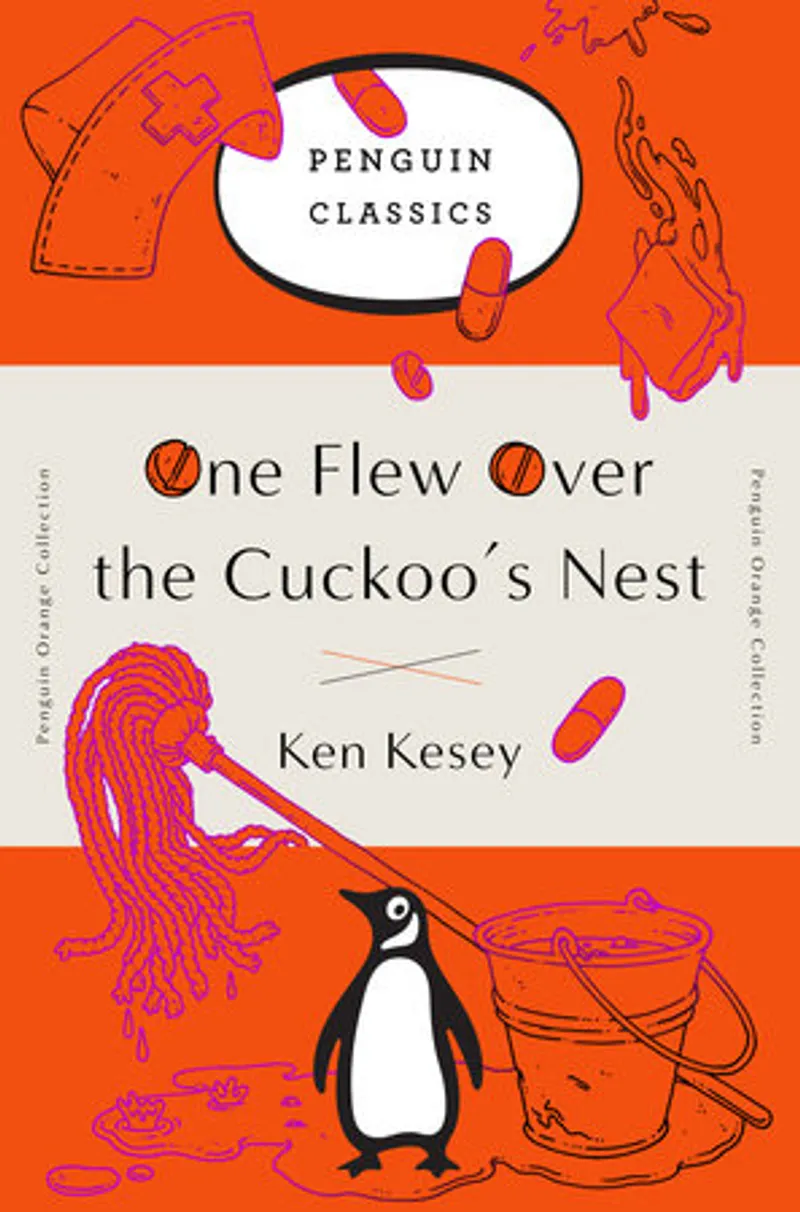
One Flew Over the Cuckoo's Nest Author: Ken KeseyPage Count: UnknownPublication Date: 2016-PRH One Flew Over the Cuckoo's Nest, a seminal novel of the 1960s, is a thought-provoking and hauntingly beautiful book that has captivated readers for generations. Written by Ken Kesey, this counterculture classic tells the unforgettable story of a mental ward and its inhabitants, exploring the themes of individualism, rebellion, and the effects of institutionalization on the human spirit. At the heart of the novel is the character of Randle McMurphy, a boisterous and confident man who is transferred to the mental ward after being sentenced to a work farm for statutory rape. McMurphy's arrival shakes up the rigid and oppressive atmosphere of the ward, which is controlled by the strict and authoritarian Nurse Ratched. As the story unfolds, McMurphy's rebellious nature inspires the other patients to challenge the status quo and question the authority of the hospital's administrators. Through McMurphy's character, Kesey explores the tension between individual freedom and institutional control. The novel is a powerful critique of the psychiatric establishment and the ways in which it can stifle creativity, suppress dissent, and destroy the human spirit. Kesey's depiction of the mental ward as a symbol of societal oppression is both haunting and thought-provoking, raising important questions about the nature of sanity and madness. Kesey's writing style is a key element of the novel's enduring appeal. His prose is vivid, poetic, and infused with a sense of humor and irony. The narrative is presented through the eyes of Chief Bromden, a silent and observant patient who has been in the hospital for years. Chief's unique perspective provides a nuanced and insightful view of the events that unfold, and Kesey's use of his narrative voice adds a layer of depth and complexity to the story. One of the most striking aspects of the novel is its exploration of the theme of masculinity. McMurphy is a hyper-masculine character, who embodies the traditional masculine ideals of strength, courage, and aggression. However, as the story progresses, it becomes clear that McMurphy's bravado is also a facade, hiding a deep sense of vulnerability and insecurity. Kesey's portrayal of masculinity is both nuanced and critical, highlighting the ways in which societal expectations of masculinity can be both empowering and suffocating. The novel's historical context is also significant, as it reflects the social and cultural upheaval of the 1960s. The civil rights movement, the feminist movement, and the anti-war movement were all challenging the status quo and pushing for social change. Kesey's novel captures the spirit of rebellion and nonconformity that defined this era, and its themes of individualism and counterculture continue to resonate with readers today. In conclusion, One Flew Over the Cuckoo's Nest is a masterpiece of American literature that continues to captivate readers with its thought-provoking themes, vivid characters, and poetic prose. Kesey's novel is a powerful critique of institutionalized power and a celebration of individual freedom and creativity. If you haven't already, do yourself a favor and read this iconic novel, and experience the unforgettable story of Randle McMurphy and the inhabitants of the mental ward. #OneFlewOverTheCuckoosNest #KenKesey #CountercultureClassics #MentalHealthMatters #BookReview #ClassicLiterature Related InsightsHigh Sierra Book Review and Summary A Simple Plan Book Review and Summary Their Eyes Were Watching God Book Review and Summary{ "@context": "https://schema.org", "@type": "FAQPage", "mainEntity": [ { "@type": "Question", "name": "What is the main focus of One Flew Over the Cuckoo’s Nest Book Review and Summary?", "acceptedAnswer": { "@type": "Answer", "text": "Everything you need to know about One Flew Over the Cuckoo’s Nest with our detailed review." } }, { "@type": "Question", "name": "Who authored the comprehensive guide on One Flew Over the Cuckoo’s Nest Book Review and Summary?", "acceptedAnswer": { "@type": "Answer", "text": "This detailed article and its insights were carefully researched and authored by Ken Kesey." } }, { "@type": "Question", "name": "Where can I find more related content about Books?", "acceptedAnswer": { "@type": "Answer", "text": "You can explore more articles, detailed reviews, and similar insights by browsing the Related Insights section at the bottom of this article or visiting our dedicated Books category page." } } ] }