Showing Posts From
Our noble selves
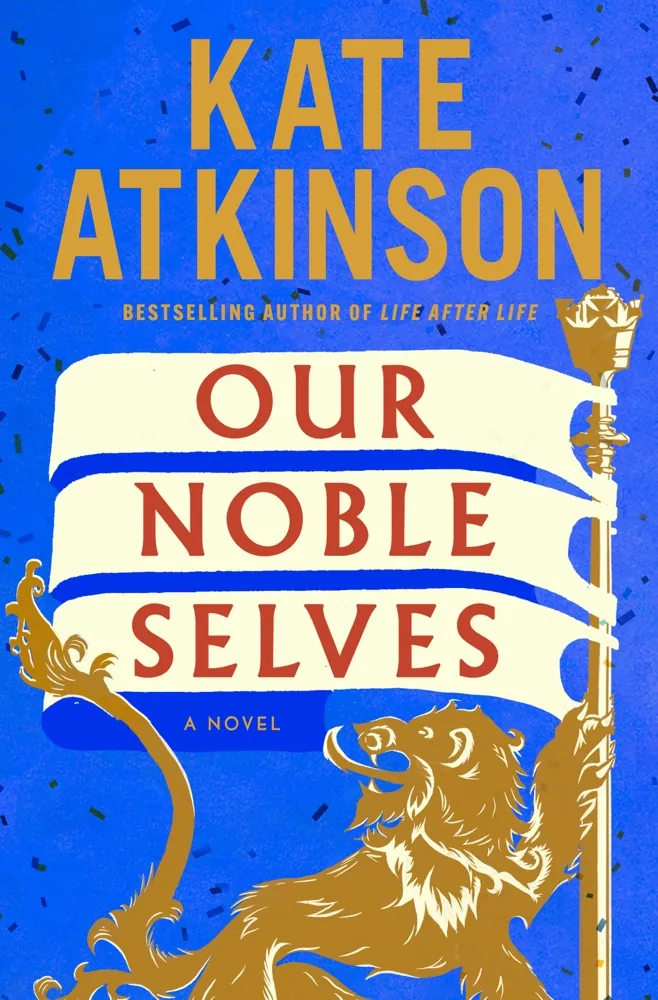

Author: Kate AtkinsonPage Count: UnknownPublication Date: Expected publication 2026-09-15 APL The synopsis for Our Noble Selves is so deliberately vague it’s almost a feature—like a film poster that refuses to reveal the villain’s face until the final act. This is either a masterstroke of marketing ambiguity or a sign that Atkinson is playing with the reader’s expectations like a cat with a mouse. Either way, it’s a gambit that demands patience, the kind of patience only a broken university student with a PhD in literary theory and a rent due next week can muster. The Festival of Britain, a government-sponsored spectacle meant to paper over the cracks of a nation still bleeding from war, is the perfect setting for a story about memory, guilt, and the ways institutions lie to themselves. But here’s the thing—Atkinson’s best work (Life After Life, Case Histories) thrives on the tension between the personal and the historical, where a single character’s trauma becomes a microcosm of a larger collective amnesia. The synopsis hints at Flynn’s amnesia as a plot device, but amnesia in Atkinson’s hands is rarely just a plot device. It’s a metaphor for the way history itself erases inconvenient truths. So when Flynn can’t remember the night the Frenchwoman vanished, we’re not just dealing with a whodunit—we’re dealing with the question of who gets to decide what’s remembered and what’s forgotten. Yet the synopsis also drops a red flag: the "misfits and eccentrics" of the Festival team. This is a trope Atkinson has used before (Life After Life’s ensemble of time-traveling siblings, Human Croquet’s surrealist cast), but the phrasing here feels almost throwaway, like an afterthought. If this is another ensemble piece, then Atkinson’s challenge will be to make each character feel as vivid as the historical backdrop. Because let’s be honest—when the synopsis lists a cast of "misfits," it’s either a promise of rich, layered characters or a warning that the book might lean too heavily on the "eccentric" as shorthand for depth. I’m betting on the former, but only because I’ve seen Atkinson pull it off before. Still, the vagueness here is maddening—where’s the specificity? Where’s the hint of a character who isn’t just "eccentric" but haunting? And then there’s the Festival itself, a government-funded carnival meant to celebrate Britain’s creativity. But Atkinson’s work has always been skeptical of such grand gestures—Life After Life’s alternate histories are a critique of national mythmaking, and Case Histories’ fragmented narratives refuse to let the state tell a single, cohesive story. So if Our Noble Selves is about a nation reconstructing its image, then the real question isn’t who killed the Frenchwoman—it’s who benefits from the story that gets told. The synopsis doesn’t say. It doesn’t need to. But it leaves you wondering: is this a story about individual guilt, or is it about the collective lies we tell to survive? I keep thinking about The Remains of the Day here, the way James Bond’s butler’s quiet complicity in the horrors of his era is the real tragedy. But Atkinson’s work is more subversive than that—she doesn’t just expose the lies, she makes the reader complicit in uncovering them. So if Flynn’s amnesia is the hook, then the real tension will be in how much we, as readers, are allowed to see. And if the Festival is the backdrop, then the question isn’t just who’s hiding something—it’s who’s performing for whom. But I’m getting ahead of myself. The synopsis is deliberately opaque, and that’s fine—it’s a trick Atkinson has used before, a way to make the reader work. And honestly? I’m glad. Because if this book is half as good as the synopsis suggests, then it’ll be worth the wait. But if it’s just another historical mystery with a few "eccentrics" thrown in, then I’ll have to ask myself why I’m even bothering to write this review in the first place. I need to go to a poetry reading. It’ll be terrible, but at least it’ll be over by midnight. And unlike this book, I’ll know exactly what to expect. Related InsightsOne Perfect Couple Book Review and Summary Wonder Book Review and Summary The Invention of Hugo Cabret Book Review and Summary{ "@context": "https://schema.org", "@type": "FAQPage", "mainEntity": [ { "@type": "Question", "name": "What is the main focus of Our Noble Selves Book Review and Summary?", "acceptedAnswer": { "@type": "Answer", "text": "Everything you need to know about Our Noble Selves with our detailed review." } }, { "@type": "Question", "name": "Who authored the comprehensive guide on Our Noble Selves Book Review and Summary?", "acceptedAnswer": { "@type": "Answer", "text": "This detailed article and its insights were carefully researched and authored by Marco Conti." } }, { "@type": "Question", "name": "Where can I find more related content about Books?", "acceptedAnswer": { "@type": "Answer", "text": "You can explore more articles, detailed reviews, and similar insights by browsing the Related Insights section at the bottom of this article or visiting our dedicated Books category page." } } ] }