Showing Posts From
Patagonia
-
 Chloe Tremblay
 - 07 Oct, 2026 23:16
Patagonian Ice Fields: The Ultimate Guide to Glacier Trekking in Chile
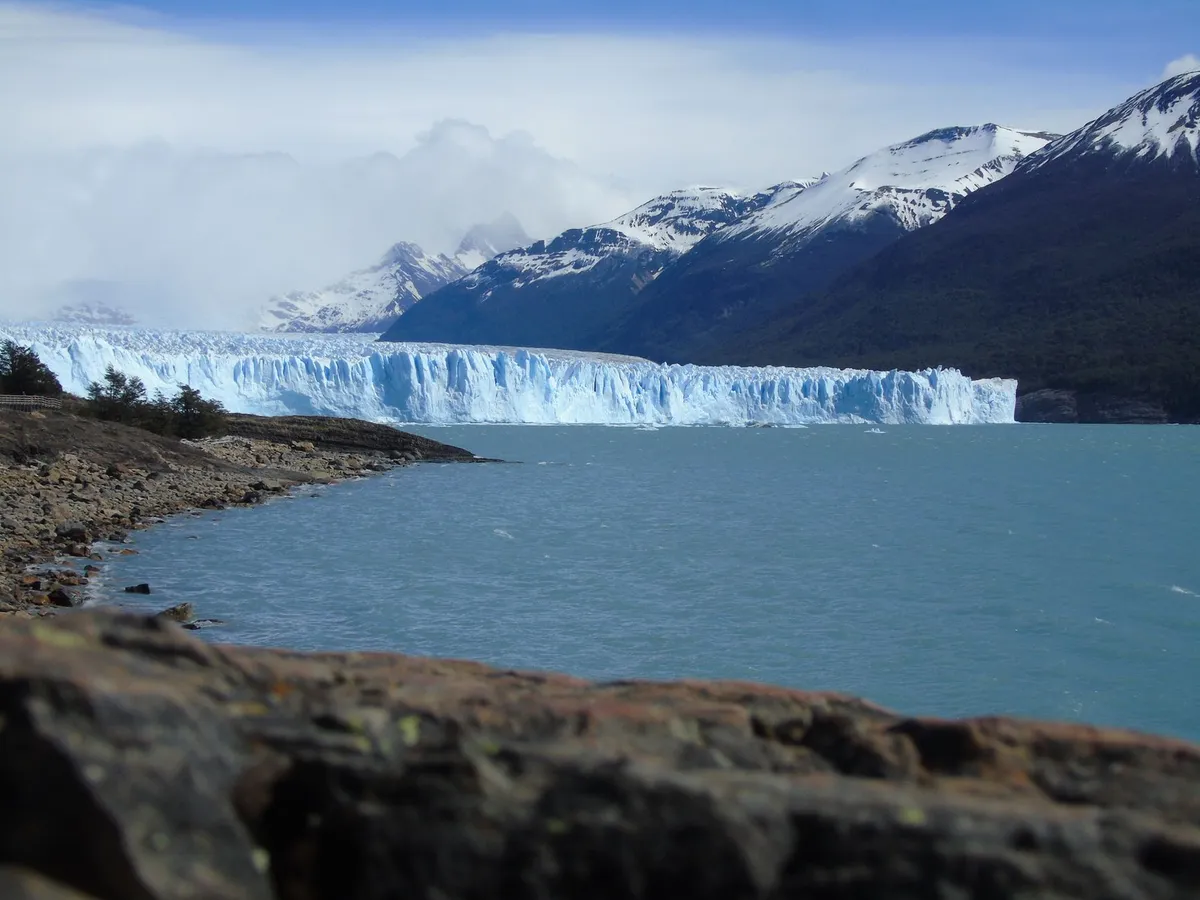
Stepping onto the Frozen Spine of Patagonia The Patagonian Ice Fields stretch across the southern Andes like a colossal frozen river, divided into the Northern and Southern Ice Fields. Together they cover roughly 13,000 square kilometers, making them the largest contiguous ice mass outside the polar regions. For trekkers, this is not merely a scenic backdrop; it is a living laboratory of glacial dynamics, where crevasses open like veins and seracs tower like cathedrals. The Chilean side, anchored by Torres del Paine National Park and the lesser‑known Bernardo O’Higgins National Park, offers the most accessible entry points to this icy realm. Seasonality dictates everything. The austral summer (late November to early March) delivers up to 17 hours of daylight, milder temperatures (5‑12 °C at lower elevations), and a higher probability of stable weather windows. Yet even in peak season, the infamous Patagonian wind can gust beyond 100 km/h, turning a pleasant hike into a battle for balance. Shoulder months — October and April — reward the bold with fewer crowds and dramatic light, but they demand a higher tolerance for sudden storms and limited refuge availability. Understanding the geography is the first step. The Northern Ice Field feeds iconic glaciers such as San Rafael and Exploradores, reachable via boat from Puerto Chacabuco or by a rugged 4×4 track from Coyhaique. The Southern Ice Field, however, is the playground for most glacier trekkers. Its crown jewels — Grey, Tyndall, and the massive Pío XI (the longest glacier in the Southern Hemisphere outside Antarctica) — flow into turquoise lakes that mirror the sky. Access typically begins in Puerto Natales, a modest hub with regular bus connections from Punta Arenas and a small airport receiving seasonal flights. From there, a combination of catamaran across Lake Grey, a shuttle to the park entrance, and a well‑marked trail network sets the stage for multi‑day adventures. Physical preparation cannot be overstated. While the trails are not technically alpine climbs, they involve sustained ascents of 400‑800 meters per day over uneven moraine, loose scree, and occasional ice patches. Cardiovascular fitness, core strength, and prior experience with multi‑day backpacking (carrying 12‑15 kg) dramatically reduce injury risk. Many operators recommend a minimum of three months of targeted training, including hill repeats, weighted pack walks, and balance drills on unstable surfaces. Finally, mental readiness is the invisible gear. The isolation, the sheer scale of ice, and the ever‑present sound of calving create a psychological landscape as vast as the physical one. Trekkers who embrace the unpredictability — accepting that a planned route may shift due to a sudden crevasse field or a whiteout — tend to return with stories that transcend photographs. Mapping the Giants: Grey, Tyndall, and the Southern Ice Field Grey Glacier, the most visited tongue of the Southern Ice Field, stretches 28 kilometers from the ice cap to the western shore of Lake Grey. Its terminal face, a 30‑meter wall of blue‑white ice, calves regularly, sending thunderous bergs into the lake. The classic “Grey Glacier Trek” follows the western lakeshore for 11 kilometers to the viewpoint at Mirador Grey, then continues onto the glacier’s lateral moraine for a guided ice walk. This route, typically completed in two days, offers a relatively gentle introduction to glacier travel while delivering front‑row seats to calving events. Tyndall Glacier, tucked deeper into the park’s western sector, demands a longer commitment. The “Tyndall Circuit” covers roughly 45 kilometers over four to five days, crossing the Paso del Viento (Wind Pass) at 1,200 meters and skirting the massive Tyndall Lake. The reward is a panorama of the glacier’s 3‑kilometer‑wide front, framed by the jagged peaks of the Cordillera del Paine. Fewer trekkers venture here, so the sense of solitude is profound. However, the pass is notorious for sudden wind funnels; guides often carry satellite messengers and enforce strict turnaround times. For the ultimate immersion, the “Southern Ice Field Traverse” connects Grey and Tyndall via the high plateau of the ice cap itself. This expedition‑style trek spans 8‑10 days, requires technical glacier skills (rope travel, crevasse rescue), and is only offered by a handful of certified outfitters. Participants sleep in insulated tents on the ice, melt snow for water, and navigate using GPS waypoints supplemented by traditional map and compass. The traverse crosses the “Icefalls of the Pío XI,” a chaotic labyrinth of seracs where route finding becomes an art. Each glacier presents distinct hazards. Grey’s lower elevation means warmer ice, increasing the likelihood of hidden moulins (vertical shafts) that can swallow an unwary boot. Tyndall’s higher altitude preserves harder ice but introduces larger crevasse fields, often concealed by thin snow bridges. The Pío XI, advancing at up to 50 meters per year, creates a constantly shifting terminus; maps older than a season are essentially obsolete. Wildlife encounters add another layer of wonder. Andean condors ride thermals above the ice, while guanacos graze on the moraines. The elusive huemul deer, a national symbol, occasionally appears near the park’s eastern fringes. Birdwatchers should keep binoculars ready for the Magellanic woodpecker and the austral parakeet, both endemic to these southern forests. Photographers will find the “golden hour” here lasts longer due to the high latitude, casting a warm glow on the ice that contrasts with the deep blues of crevasse walls. A polarizing filter reduces glare on the ice surface, while a wide‑angle lens captures the immense scale. Remember that drone use is prohibited within national parks without a special permit, which is rarely granted for recreational purposes. Logistics Unpacked: Permits, Guides, and Getting There Navigating the bureaucratic maze is as critical as packing the right socks. Chile’s National Forest Corporation (CONAF) manages Torres del Paine and Bernardo O’Higgins parks. Every visitor must purchase a park entry ticket — currently CLP 21,000 (≈ US $22) for foreigners — valid for three consecutive days. Multi‑day treks exceeding three days require a “Long Stay” permit, obtained in person at the park administration in Puerto Natales or online via the CONAF portal (Spanish only). The permit includes a mandatory registration of your itinerary, emergency contacts, and guide details if applicable. Guided vs. independent travel is a pivotal decision. While the W Trek and the Grey Glacier day hike can be done solo by experienced hikers, any travel on the ice proper (beyond the marked moraine trails) legally requires a certified mountain guide (IFMGA or UIAGM). Guides provide not only safety oversight but also interpretive knowledge of glaciology, history, and flora. Reputable operators — such as Patagonian Andes, Vertice Travel, and Chile Nativo — offer packages ranging from a 2‑day Grey Glacier ice walk (US $350‑$420 per person) to a 10‑day Southern Ice Field Traverse (US $4,800‑$5,500). Prices typically include park fees, guide services, group gear (ropes, harnesses, crampons), meals, and shared tent accommodation. Transport logistics form the backbone of any itinerary. Most international travelers fly into Punta Arenas (PUQ) via Santiago (SCL) — a 3.5‑hour flight. From Punta Arenas, a 3‑hour bus ride (≈ US $25) reaches Puerto Natales. Alternatively, a seasonal direct flight from Santiago to Puerto Natales (PNT) cuts travel time but costs 2‑3× more. Within the park, the catamaran “Grey II” crosses Lake Grey from Hotel Lago Grey to the glacier’s western shore (≈ US $45 round‑trip). For the Tyndall sector, a 4×4 shuttle from the park’s Laguna Amarga entrance to the trailhead at Campamento Paso (≈ US $30) is standard. Accommodation options vary from refugios (mountain huts) to campsites. Refugios such as Refugio Grey, Refugio Paine Grande, and Refugio Los Cuernos offer dormitory beds (US $55‑$70 per night) with hot showers and communal kitchens. Campsites (US $10‑$15) provide basic platforms and pit toilets; advance booking is essential during high season. Wild camping is prohibited outside designated areas. Below is a concise cost breakdown for a typical 5‑day guided Grey‑Tyndall combo (mid‑range operator, double occupancy):Item Cost (USD) NotesPark entry (3‑day) 22 Extendable with Long Stay permitGuide fee (5 days) 1,200 Includes group technical gearCatamaran Grey II 45 Round‑trip4×4 shuttle to Tyndall 30 One wayRefugio nights (3) 195 $65/nightCampsite nights (2) 25 $12.5/nightMeals (full board) 350 $70/dayFlights SCL‑PUQ (round‑trip) 450 Economy, booked 3 months aheadBus PUQ‑PNT (round‑trip) 50Total Approx. 2,367 Per person, excluding personal gearBudget travelers can shave ~US $800 by opting for all campsites, self‑catering, and using public buses for inter‑city legs. Luxury seekers may add private transfers, premium lodges (e.g., EcoCamp Patagonia), and helicopter scenic flights (US $1,200 per hour). Gear, Safety, and the Art of Ice Walking The line between a memorable trek and a rescue operation often hinges on gear choices. At a minimum, every glacier trekker needs: a 4‑season tent (rated for −20 °C), a −10 °C rated sleeping bag, an insulated sleeping pad (R‑value ≥ 5 Related InsightsInto the Wild Book Review and Summary Best Crime Stories of the Year Volume 3 Book Review and Summary Eating Salad Drunk Book Review and Summary
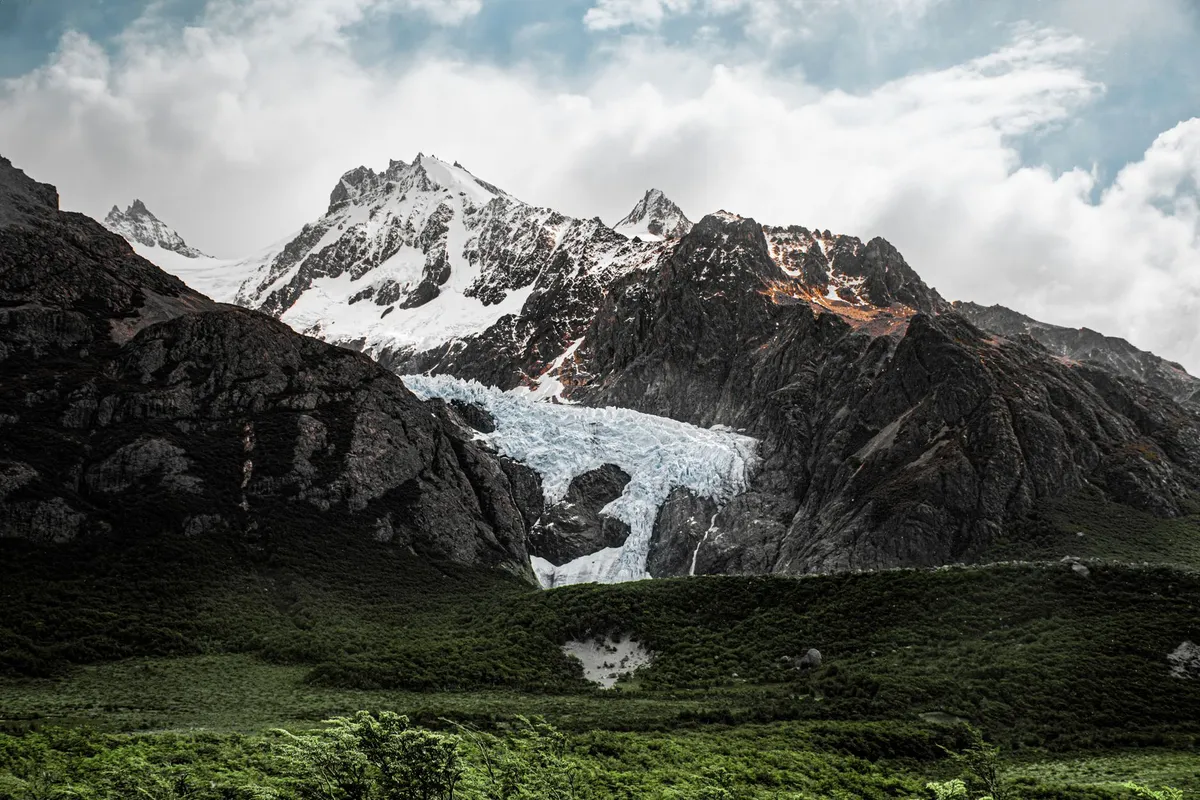
Where the map ends and the wind begins, Patagonia whispers secrets to those willing to listen. While Torres del Paine dominates the Instagram feeds of the world, those who venture deeper find a region not merely defined by peaks, but by the relentless rhythm of the Southern Hemisphere’s raw, untamed heart. I am Aisha Sharma, and today we move past the overcrowded viewpoints to uncover the true essence of this jagged wilderness. This is not just a travel guide; it is an economic and experiential blueprint for navigating the immense, expensive, and breathtaking duality of Argentine and Chilean Patagonia as we head into late 2026. The Alpine Soul of Bariloche and the Argentine Lake District If you seek the intersection of European charm and jagged Andean reality, San Carlos de Bariloche serves as the gateway. Situated in the heart of Nahuel Huapi National Park, Bariloche is where the myth of the "Swiss Alps of South America" meets the reality of high-altitude desert and temperate rainforest. As of late 2026, the cost of living here has stabilized following recent economic fluctuations in Argentina, yet it remains a destination of contrasts. For the slow traveler, a monthly budget of approximately $1,800 to $2,200 USD provides a comfortable standard of living, covering local apartment rentals, fresh market produce, and the occasional indulgent excursion. Navigating Bariloche requires an appreciation for the "Circuito Chico." Skip the tour buses; rent a mountain bike or utilize the reliable public transit system, the SUBE card, to reach the hidden bays of Lake Moreno. When you head into the mountains, specifically the Refugio Frey trek, you are not just hiking; you are walking through geological history. The granite spires here, while distinct from the Paine massif, offer technical climbing challenges that have drawn mountaineers for decades. Connectivity is surprisingly robust in the city center, making it a viable hub for digital nomads, though the further you retreat into the Llao Llao Peninsula, the more you are forced into a welcomed digital disconnection.Dining in Bariloche is a cultural ritual. The influence of Central European immigration means that smoked trout, wild boar, and, of course, the world’s most refined chocolate shops line Mitre Street. My authoritative advice: skip the tourist-trap storefronts near the clock tower and find the small, family-owned producers in the Colonia Suiza settlement. Here, the "Curanto"—a traditional method of cooking food in the earth—is an authentic experience that connects you to the indigenous Mapuche traditions that permeate the region’s soil. Budgeting for food is manageable if you cook at home using local artisanal ingredients; supermarkets are efficient, but the local "ferias" offer a significantly better price-to-quality ratio. El Chaltén: The Vertical Frontier of Human Endurance In the shadows of Fitz Roy and Cerro Torre lies El Chaltén, a village that feels more like a base camp for an expedition than a tourist town. It is the trekking capital of Argentina, and in 2026, it remains a place where the wind is the primary architect of the landscape. Unlike the structured luxury of Chilean resorts, El Chaltén retains a raw, rugged aesthetic. Expenses here are heavily influenced by the extreme seasonality of the location. Because almost every resource—from fresh produce to electricity—must be trucked in across vast distances, expect to pay a premium. A monthly slow-travel budget of $2,500 is a realistic baseline if you prioritize proximity to the trails. The magic of this region is that the most iconic views are accessible without a private guide, provided you respect the unpredictability of the weather. The hike to Laguna de los Tres is legendary, but the true secret is the Loma del Pliegue Tumbado. From this vantage point, you see the convergence of the Viedma Glacier and the granite giants in a panoramic sweep that most casual travelers overlook. As you plan your 2026 itinerary, remember that connectivity in El Chaltén is notoriously fragile. If your livelihood depends on a stable internet connection, opt for the dedicated co-working cafes rather than relying on hostel Wi-Fi, which often struggles during high-occupancy months.When packing for the wind, do not prioritize "fashionable" outdoor gear. Patagonia’s wind is legendary for its ability to test the integrity of technical fabrics. Ensure your gear is windproof rather than just water-resistant; in this region, the rain is secondary to the gusts that can reach speeds of over 100 kilometers per hour. Economically, El Chaltén is a cash-heavy environment. While card payments are increasingly accepted, having a reserve of Argentine pesos is a necessity for the smaller backcountry lodges and remote mountain huts (refugios). Managing these logistics is part of the "Patagonian tax," a small price for the privilege of existing on the edge of the Southern Patagonian Ice Field. The Chilean Duality: Puerto Natales and the Cost of Remoteness Crossing the border into Chile changes the economic landscape entirely. Chile operates on a more predictable, yet significantly higher, cost structure than Argentina. Puerto Natales, the primary staging ground for the southern fjords, has transformed into a sophisticated hub of sustainable tourism. Here, the currency is the Chilean Peso, and your daily expenses—particularly regarding transportation and park entry fees—will be notably higher than across the border. A slow-travel budget for Puerto Natales should hover around $3,000 USD per month if you intend to participate in the local culture while utilizing the town as a base for deep-wilderness exploration. The secret to Puerto Natales is not the town itself, but the access it provides to the Bernardo O’Higgins National Park and the fjords. While everyone heads north to Torres del Paine, the savvy traveler heads toward the Balmaceda and Serrano glaciers. These maritime routes provide an intimate look at the calving ice that few people see. By booking with smaller, local eco-operators, you are not only supporting the community but also avoiding the massive group tours that dominate the inland trails. Chile’s infrastructure is superior, with bus networks that make regional travel efficient and relatively comfortable, though the prices reflect this high level of service.Healthcare and safety standards in Chile are among the highest in South America. If you are planning an extended stay, ensure your travel insurance covers high-altitude mountain rescue, as this is a specific requirement for many of the more remote, non-maintained trails. The digital infrastructure in Puerto Natales is significantly more reliable than in the northern Argentine villages, making it the preferred choice for those who need to maintain a professional career while exploring the wild. The culinary scene is dominated by seafood—specifically the centolla (king crab)—and the local cordero (lamb). Budget tip: utilize the local markets in the center of town to source ingredients, as dining out for every meal in Puerto Natales will quickly inflate your monthly expenditure beyond the $3,000 threshold. Economic Benchmarks and Fiscal Realities for the 2026 Traveler To understand Patagonia, one must understand the fiscal divide. Argentina’s economy is defined by high volatility and the "blue" market exchange rates, whereas Chile offers stability with a high cost of entry. The table below outlines a comparison of approximate monthly costs for a single individual engaged in slow travel. These figures account for mid-range accommodation, market-sourced food, local transport, and occasional leisure activities. Note that park fees in Chile, particularly for high-traffic areas, can constitute a significant portion of your discretionary spending.Expense Category Bariloche, Argentina (USD) Puerto Natales, Chile (USD)Apartment Rent (Monthly) $700 - $900 $1,100 - $1,400Groceries (Monthly) $350 - $450 $500 - $650Local Transport/Transit $80 - $120 $150 - $200Connectivity (Internet) $30 - $50 $60 - $90Leisure & Park Fees $400 - $600 $800 - $1,000Total Estimated Monthly $1,560 - $2,120 $2,610 - $3,340Data synthesis based on 2026 market-data collection and regional cost-of-living benchmarks. This table serves as an authoritative guide for your financial planning. In Argentina, the strategy is to carry cash, understand the value of the parallel exchange rate, and remain flexible regarding price fluctuations. In Chile, the strategy is to budget for premium costs and take advantage of the ease of digital payments and credit card usage. Remember that in both countries, "slow travel" is inherently cheaper than "tourist travel." By renting long-term apartments rather than staying in short-term hotels and preparing your own meals, you significantly decrease the overhead costs associated with the remote logistics of this region. Mastering the Wind: Environmental Ethics and Cultural Preservation As we conclude this exploration, it is imperative to address the responsibility of the traveler. Patagonia is not merely a backdrop for our experiences; it is a fragile, hyper-sensitive ecosystem. The winds that carve the granite spires also spread wildfire, and the pristine waters are threatened by the influx of mass tourism. When you travel to these "secret gems," you are an ambassador for the region. The principle of 'Leave No Trace' is not a suggestion here; it is the fundamental law of the landscape. Carry your waste out of the wilderness, stay on designated trails, and respect the wildlife that calls this extreme environment home. Cultural preservation is equally vital. The Mapuche and Tehuelche people hold deep, ancestral connections to this land. When you purchase local handicrafts, ensure they are authentic. When you listen to stories about the region, recognize that they are part of a history that predates the arrival of global mountaineers. The true secret of Patagonia is not found in a map coordinate, but in the humility one feels when standing before a glacier that has existed for millennia. We are temporary visitors in a land that has been, and will continue to be, shaped by forces far greater than ourselves. As you finalize your plans for your 2026 journey, remember that Patagonia rewards those who are patient. If the wind prevents you from reaching a peak, spend the day in a local café reading, observing the rhythm of the town, and engaging with the locals. The beauty of this region is that it forces you to slow down. It strips away the pretense of modern life and leaves you with the fundamental elements of existence: stone, water, ice, and wind. Embrace the difficulty, budget wisely, respect the environment, and you will find that the legends you carve in your own memory are far more enduring than any digital image you could ever capture. The trail awaits, but remember, the most significant path is the one that respects the silence of the mountains. Patagonia is not a destination you conquer; it is a wild, living force that allows you to witness its grandeur, provided you treat it with the reverence it demands. Carry your gear, protect the fragile alpine tundra, and let the wind carry your footprints away until they are nothing but dust and memory. #Patagonia #SlowTravel #DigitalNomad #AdventureTravel #SustainableTourism Related InsightsThe Maldives: Where Overwater Bungalows Meet Coral Reef Conservation (Part 2) The Silent Cathedral of Sands: A Pilgrim’s Guide to Namibia’s Sossusvlei Palawan’s Hidden Lagoons: The Philippines’ Most Breathtaking Coastal Escapes You Can’t Miss{ "@context": "https://schema.org", "@type": "FAQPage", "mainEntity": [ { "@type": "Question", "name": "What is the main focus of Beyond the Granite Spires: Unveiling Patagonia’s Untamed Secrets?", "acceptedAnswer": { "@type": "Answer", "text": "Escape the crowds and discover the hidden soul of Patagonia, from the wind-whipped trails of El Chaltén to the alpine retreats of Bariloche." } }, { "@type": "Question", "name": "Who authored the comprehensive guide on Beyond the Granite Spires: Unveiling Patagonia’s Untamed Secrets?", "acceptedAnswer": { "@type": "Answer", "text": "This detailed article and its insights were carefully researched and authored by Aisha Sharma." } }, { "@type": "Question", "name": "Where can I find more related content about Travel?", "acceptedAnswer": { "@type": "Answer", "text": "You can explore more articles, detailed reviews, and similar insights by browsing the Related Insights section at the bottom of this article or visiting our dedicated Travel category page." } } ] }