Showing Posts From
Patagonia travel
-
 Chloe Tremblay
 - 16 Aug, 2026 18:58
Patagonia’s Secret Gems: Where Wild Winds Carve Legends Beyond Torres del Paine
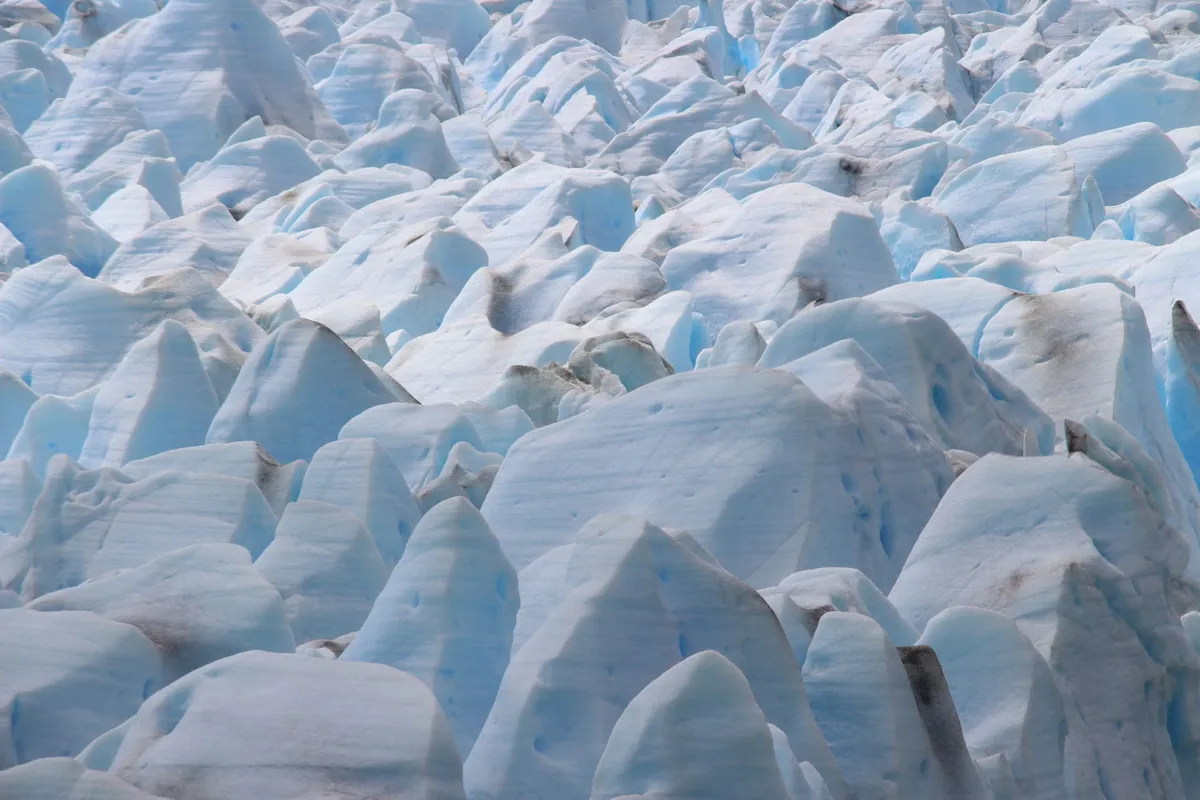
Where the Earth Breathes Fire and Ice: Patagonia’s Uncharted Soul Patagonia isn’t just a place—it’s a whisper from the planet’s wildest dreams. While Torres del Paine steals the spotlight with its jagged granite spires, the true magic of this land lies in the places where few dare to tread. Here, glaciers groan under the weight of centuries, winds sculpt ancient forests into living sculptures, and the silence is so profound it feels like the world has paused to listen. This is a land for those who crave depth over crowds, authenticity over postcards. Welcome to Patagonia’s hidden treasures—where every step feels like a secret shared between you and the earth.Bariloche’s Chocolate-Kissed Wilderness: A Slow Traveler’s Dream Nestled against the eastern slopes of the Andes, San Carlos de Bariloche is often dismissed as a touristy gateway to Patagonia. But those who linger beyond the chocolate shops and ski lifts discover a landscape where alpine lakes mirror the sky and ancient forests hum with stories of Mapuche legends. This is the place where Patagonia’s wild heart beats strongest—not in the postcard-perfect postcard moments, but in the quiet corners where time moves to the rhythm of a woodstove’s crackle. Start your slow journey in Villa La Angostura, a town so picturesque it feels like a painting left unfinished. The Arrayanes Forest, with its cinnamon-colored myrtle trees, is a UNESCO-listed wonder where the trees glow amber in the afternoon light. Hike the Circuito Chico, a 48-kilometer loop that takes you past turquoise lakes, waterfalls, and views of the Nahuel Huapi volcano. For a deeper dive, take a boat to Isla Victoria, a pristine island where guanacos graze and the air smells of pine and rain. Food here is an adventure in itself. Bariloche’s chocolate isn’t just a treat—it’s a cultural institution. Visit Mamuschka or Rapa Nui for artisanal truffles, or stop by La Marisma for lamb slow-cooked in a traditional curanto pit. The local calafate berry, a tart purple fruit used in jams and liqueurs, is a must-try. Pair it with a glass of Malbec from nearby Bodega Schroeder, where the high-altitude vineyards produce wines with a crisp, alpine edge. But the real magic? Slow travel. Bariloche rewards those who linger. Rent a cabin in Pampa Linda, a hamlet at the base of the Tronador Volcano, where the air is thin and the stars are so bright they feel within reach. Or spend a week in El Bolsón, a bohemian village where artisans sell handwoven textiles and organic honey. The cost of living here is surprisingly affordable if you avoid peak season (December–February). A mid-range apartment rents for $800–$1,200 USD/month, while a meal at a local parrilla (steakhouse) costs $15–$25 USD. Public transport is reliable, with buses connecting Bariloche to nearby towns for as little as $2–$5 USD per trip.El Chaltén’s Untamed Trails: Where Every Step is a Story If Bariloche is Patagonia’s gentle introduction, El Chaltén is where the land demands your respect. Known as the "Trekking Capital of Argentina," this tiny village at the foot of the Fitz Roy massif is a place where the wind is a constant companion, and the mountains refuse to be ignored. But beyond the famous Laguna de los Tres hike lies a world of hidden trails, where glaciers calve into turquoise lagoons and condors circle overhead like ancient guardians. Start with the classics, but don’t stop there. The Laguna de los Tres trail (22 km round trip) is a rite of passage, offering a jaw-dropping view of the Fitz Roy’s granite spires reflected in the lagoon. But for a quieter experience, take the Laguna Torre route (18 km round trip), where the glacier’s tongue meets the lake in a dramatic display of nature’s power. For the truly adventurous, the Laguna Capri loop (10 km) is a shorter but no less stunning alternative, with views of the Fitz Roy’s north face. Beyond the trails, El Chaltén is a place of contrasts. The village itself is a hub of backpackers and climbers, with cozy hostels like Destino Sur and La Cabaña offering hot showers and hearty meals. But the real magic happens in the estancias (ranches) just outside town. Spend a night at Estancia Helsingfors, where you can horseback ride through the valleys or help with the sheep shearing. The cost? $100–$150 USD for a night’s stay, including meals. Food here is fuel for the soul. La Tapera serves up hearty Patagonian stews, while El Muro offers wood-fired pizzas with a view of the Fitz Roy. Don’t miss the cordero patagónico (Patagonian lamb), slow-roasted over an open fire. The cost of living is higher than in Bariloche, but still manageable if you plan ahead. A dorm bed in a hostel costs $20–$30 USD/night, while a meal at a mid-range restaurant runs $15–$25 USD. Groceries are affordable—expect to spend $150–$200 USD/month on basics like bread, cheese, and pasta.Puerto Natales: The Gateway to Patagonia’s Wildest Secrets If El Chaltén is where the mountains call, Puerto Natales is where the adventure begins. This rugged port town on the shores of the Última Esperanza Fjord is the jumping-off point for some of Patagonia’s most remote and breathtaking destinations. But it’s also a place with its own charm—a place where the Torres del Paine looms in the distance, but the real treasures lie elsewhere. Start with the Balneario Municipal, a hot spring nestled in a cove where you can soak your muscles after days of hiking. Then, explore the Cueva del Milodón, a cave where prehistoric sloths once roamed, and where the wind carries the scent of salt and adventure. For a taste of local life, visit the Mercado Municipal, where fishermen sell fresh king crab and mussels straight from the fjord. But the real magic of Puerto Natales lies in its proximity to Torres del Paine’s lesser-known corners. Take a boat to Puerto Edén, a remote village accessible only by sea, where the Paine Massif reflects in the fjord’s glassy waters. Or visit Lago Grey, where the Grey Glacier calves into the lake with a thunderous splash. For the truly intrepid, the Dientes de Navarino circuit on Isla Navarino (Chile) offers a 5-day trek around the southernmost town in the world, Puerto Williams. The cost of living in Puerto Natales is lower than in El Chaltén but higher than in Bariloche. A mid-range apartment rents for $600–$900 USD/month, while a meal at a local asador (grill) costs $10–$20 USD. Public transport is limited, so renting a car or joining a tour is often the best option. A day trip to Torres del Paine costs $80–$150 USD, while a boat tour to Puerto Edén runs $120–$200 USD.The Patagonian Budget Breakdown: How to Slow Travel Without Breaking the Bank Slow travel in Patagonia isn’t just about the destinations—it’s about the rhythm. It’s about waking up to the sound of rain on a tin roof, about trading crowded hostels for cozy cabins, about savoring meals that taste like home. But how much does it really cost to live here in 2026? The answer depends on where you go and how you travel, but with the right planning, Patagonia can be surprisingly affordable. Here’s a breakdown of monthly costs for a slow traveler in Patagonia’s hidden gems:Category Bariloche (USD) El Chaltén (USD) Puerto Natales (USD)Accommodation (mid-range) $800–$1,200 $1,000–$1,500 $600–$900Food (groceries + eating out) $300–$500 $400–$600 $250–$400Transport (local buses + occasional tours) $100–$200 $150–$300 $200–$400Activities (hikes, tours, entrance fees) $100–$200 $150–$300 $100–$250Miscellaneous (Wi-Fi, SIM card, etc.) $50–$100 $50–$100 $50–$100Total (per month) $1,350–$2,100 $1,750–$2,800 $1,250–$2,050Pro Tips for Saving Money:Travel in shoulder season (April–May or September–October) to avoid peak prices. Cook your own meals—hostels and Airbnbs often have kitchens. Use local buses instead of tours for hikes like Laguna Torre. Stay in cabins or guesthouses—they’re often cheaper than hostels and more comfortable. Buy groceries in bulk—markets in Bariloche and Puerto Natales offer great deals on staples like rice, pasta, and cheese.The Wind’s Whisper: Why Patagonia’s Hidden Treasures Outshine the Postcards Patagonia is a land of extremes—where the wind can strip paint from a car in minutes and the silence is so deep it feels like the world has stopped. But it’s also a land of quiet wonders, where the real magic lies not in the places everyone visits, but in the corners where few dare to go. In Bariloche, the chocolate shops and ski lifts are just the beginning. The real treasures are the hidden lakes, the Mapuche legends, and the alpine meadows where wildflowers bloom in defiance of the cold. In El Chaltén, the Fitz Roy is a constant presence, but the real magic is in the untouched trails, the glaciers that calve into turquoise lagoons, and the estancias where time moves to the rhythm of the land. And in Puerto Natales, the fjords and glaciers are just the start—adventure awaits in remote villages, prehistoric caves, and boat trips to places where the world feels untouched. Slow travel in Patagonia isn’t about ticking off landmarks—it’s about listening to the wind, savoring the silence, and letting the land guide you. It’s about waking up in a cabin with a view of the mountains, about sharing stories with fellow travelers in a cozy hostel, about tasting food that tastes like home. It’s about discovering that the real treasures of Patagonia aren’t the places everyone visits, but the places where few dare to go. So pack your bags, leave the crowds behind, and let Patagonia’s hidden treasures reveal themselves to you. The wind is calling—and the land is waiting.#PatagoniaUncovered #SlowTravelPatagonia #OffTheBeatenPath Related InsightsThe Enigmatic Ruins of Angkor Wat: Beyond the Crowds and Into the Jungle Yellowstone: The Fiery Heart of the American West Sustainable Archipelagos: Crafting an Eco‑Conscious Island‑Hopping Blueprint for the Azores{ "@context": "https://schema.org", "@type": "FAQPage", "mainEntity": [ { "@type": "Question", "name": "What is the main focus of Patagonia’s Secret Gems: Where Wild Winds Carve Legends Beyond Torres del Paine?", "acceptedAnswer": { "@type": "Answer", "text": "Uncover Patagonia’s lesser-known wonders—from Bariloche’s chocolate trails to El Chaltén’s untouched trails—with real cost breakdowns and insider tips for slow travel in 2026." } }, { "@type": "Question", "name": "Who authored the comprehensive guide on Patagonia’s Secret Gems: Where Wild Winds Carve Legends Beyond Torres del Paine?", "acceptedAnswer": { "@type": "Answer", "text": "This detailed article and its insights were carefully researched and authored by Chloe Tremblay." } }, { "@type": "Question", "name": "Where can I find more related content about Travel?", "acceptedAnswer": { "@type": "Answer", "text": "You can explore more articles, detailed reviews, and similar insights by browsing the Related Insights section at the bottom of this article or visiting our dedicated Travel category page." } } ] }