Showing Posts From
Perfume the story of
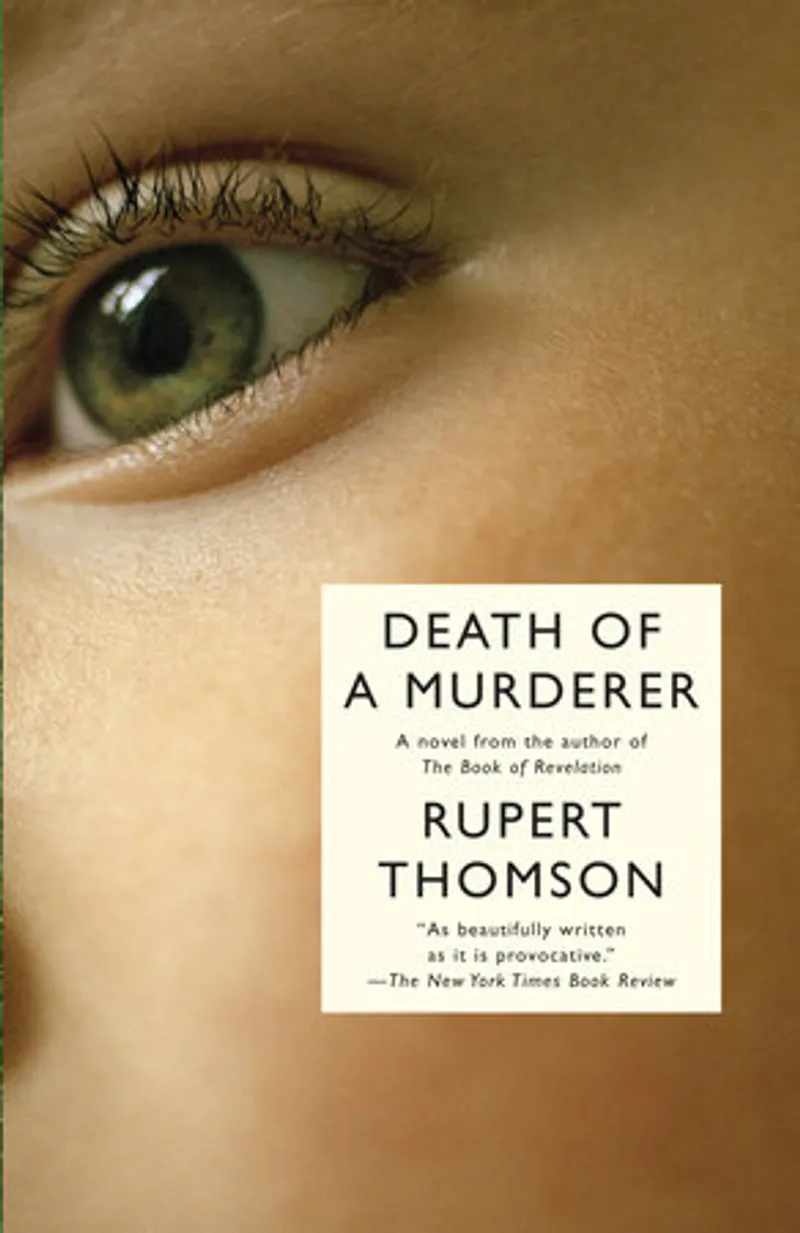
Death of a Murderer Author: Rupert ThomsonPage Count: UnknownPublication Date: 2008-PRH Rupert Thomson’s Death of a Murderer is a haunting meditation on guilt, redemption, and the unsettling power of evil—even in death. At its core, the novel explores the paradox of a man whose life is defined by order and justice finding himself inexplicably drawn to the corpse of a notorious murderer. Billy Tyler, a veteran policeman, is tasked with guarding the body of a woman whose crimes have left an indelible stain on the public conscience. Yet, as he sits alone in the morgue, the boundaries between justice and fascination, duty and temptation begin to blur. Thomson crafts a psychological thriller that lingers in the mind long after the last page, not because of its plot alone, but because of its unflinching interrogation of what it means to confront the darkness in others—and within oneself. The novel’s strength lies in its restraint. Thomson doesn’t rely on cheap shocks or melodrama; instead, he builds tension through atmosphere and introspection. The hospital morgue, with its sterile lights and the oppressive weight of the dead woman’s presence, becomes a character in its own right. The setting is claustrophobic, a place where life and death intersect in the most literal sense. Billy’s isolation is palpable—his wife’s pleas for him to refuse the assignment underscore the dread of the unknown, while his own memories and regrets seep into the silence. Thomson’s prose is lean and precise, yet it carries an undercurrent of unease, as if the very words are whispering secrets Billy can’t quite hear. At the heart of the story is the question of evil: is it something inherent, or is it shaped by circumstance? The murderer’s crimes are never fully detailed, which makes her all the more terrifying. She exists in the public imagination as a monster, yet in death, she becomes a blank canvas onto which Billy projects his own failures and desires. Thomson doesn’t glorify her or vilify her; instead, he leaves her as an enigma, a void that Billy—and the reader—are forced to confront. This ambiguity is masterful, forcing us to question whether evil is something we recognize in others or something we secretly recognize in ourselves. Thomson’s style is deceptively simple, but it’s in the quiet moments that the novel truly shines. There are no grand speeches or dramatic confrontations; instead, the tension builds through small, unsettling details. The way the corpse’s hand twitches, the hum of the refrigeration unit, the flicker of a light that shouldn’t be on—these are the things that unsettle. It’s a testament to Thomson’s skill that he can make the mundane feel sinister, that he can turn a man sitting in a room with a dead body into a scene of unbearable suspense. The novel also explores themes of punishment and forgiveness, not just in the legal sense but on a deeply personal level. Billy’s career in law enforcement suggests he believes in justice as a moral absolute, yet his encounter with the murderer forces him to question whether retribution is ever truly satisfying. The murderer, in death, becomes a mirror, reflecting back the parts of Billy’s life he’s tried to bury. There’s a quiet tragedy in this, a sense that Billy’s rigid worldview is crumbling under the weight of something he can’t control. Death of a Murderer is not a book for those seeking easy answers or catharsis. It’s a novel that lingers, that makes you question the nature of good and evil, and whether the line between them is as clear as we’d like to believe. Thomson doesn’t offer resolution; instead, he leaves us with a sense of unease, a feeling that evil isn’t just out there in the world—it’s something we carry within us, waiting for the right moment to surface. In the end, Death of a Murderer is a chilling exploration of the human psyche, a story that asks whether we can ever truly escape the darkness we’ve spent our lives fighting against. It’s a book that will haunt you, not because of what it shows you, but because of what it leaves you to imagine. #DeathOfAMurderer #RupertThomson #PsychologicalThriller #CrimeFiction #DarkMystery #Noir Related InsightsTidal Creatures Book Review and Summary No One Can Know Book Review and Summary Catwoman Book Review and Summary{ "@context": "https://schema.org", "@type": "FAQPage", "mainEntity": [ { "@type": "Question", "name": "What is the main focus of Perfume: The Story of a Murderer Book Review and Summary?", "acceptedAnswer": { "@type": "Answer", "text": "Everything you need to know about Perfume: The Story of a Murderer with our detailed review." } }, { "@type": "Question", "name": "Who authored the comprehensive guide on Perfume: The Story of a Murderer Book Review and Summary?", "acceptedAnswer": { "@type": "Answer", "text": "This detailed article and its insights were carefully researched and authored by Patrick Süskind." } }, { "@type": "Question", "name": "Where can I find more related content about Books?", "acceptedAnswer": { "@type": "Answer", "text": "You can explore more articles, detailed reviews, and similar insights by browsing the Related Insights section at the bottom of this article or visiting our dedicated Books category page." } } ] }