Showing Posts From
Philippines
-
 Aisha Sharma
 - 01 Sep, 2026 21:15
Palawan’s Hidden Lagoons: The Philippines’ Most Breathtaking Coastal Escapes You Can’t Miss
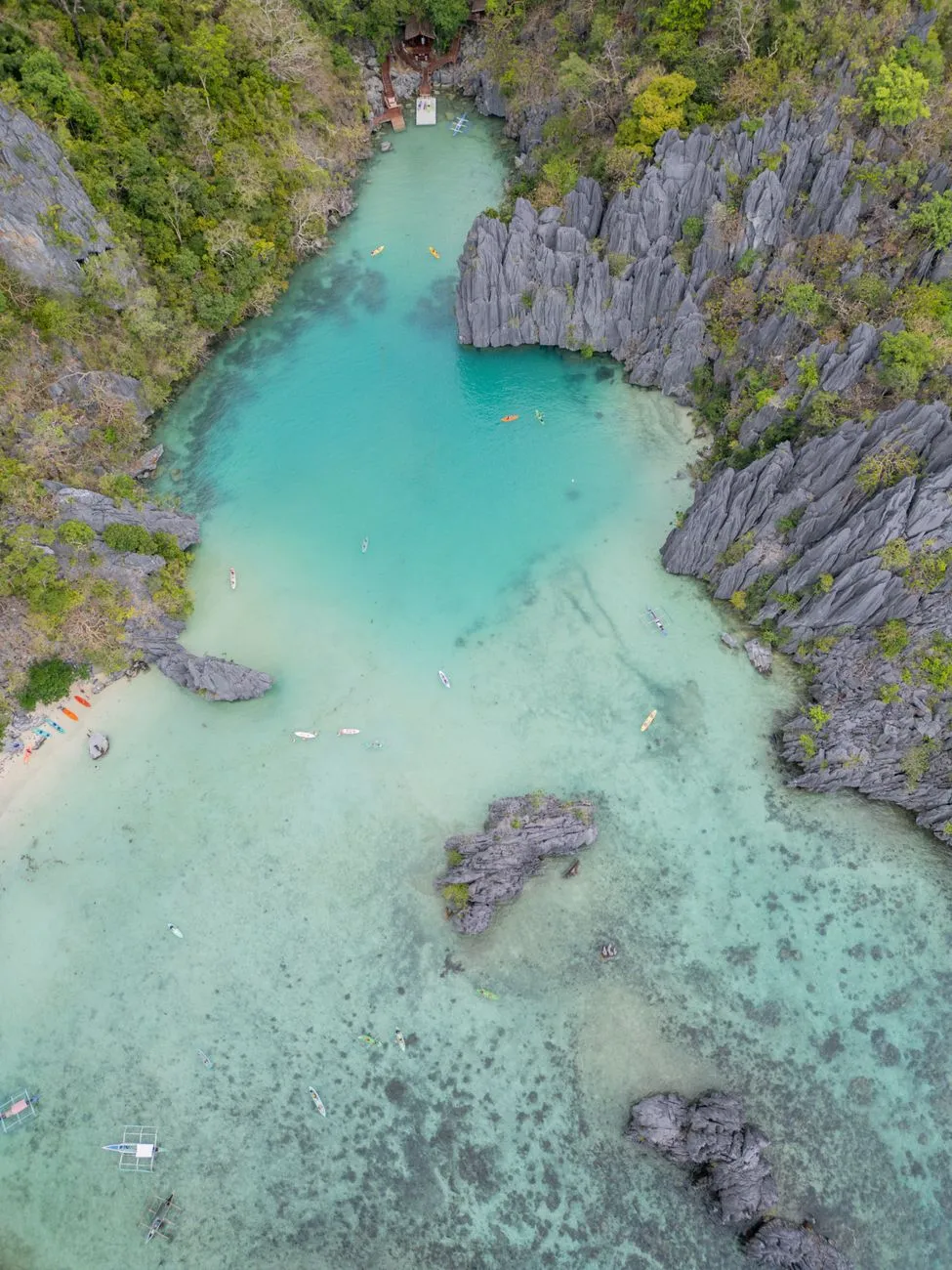
Where the Ocean Meets Myth: Palawan’s Lagoons Beckon the Adventurous Soul Nestled in the western Philippines, Palawan is a dream woven from emerald forests, powder-white beaches, and lagoons so pristine they feel plucked from a painter’s palette. While El Nido and Coron hog the spotlight, the true magic lies in the hidden lagoons—secluded pockets of water where limestone karsts rise like ancient sentinels, and the sea whispers secrets to those willing to listen. These are not just destinations; they are experiences that linger in the soul long after the tide has pulled you back to shore. For the intrepid traveler, Palawan’s lagoons offer more than Instagram-worthy backdrops. They are gateways to untouched ecosystems, where bioluminescent plankton dance under moonlight and mangroves cradle rare bird species. Whether you’re a digital nomad seeking inspiration, a honeymooner chasing romance, or a solo explorer mapping uncharted waters, these lagoons promise an escape that feels both timeless and exhilarating. But how do you uncover these hidden gems without falling into the tourist traps? What’s the real cost of living in this paradise, and how can you make the most of your visit? Let’s dive into the heart of Palawan’s lagoons, where every ripple tells a story.The Lagoons That Time Forgot: A Journey Through Palawan’s Secret Waterways Palawan’s lagoons are not just bodies of water; they are living museums of geological wonder. Formed over millions of years by the slow dissolution of limestone, these lagoons are part of a vast karst landscape that stretches from El Nido to Coron. The most famous among them—Big Lagoon, Small Lagoon, and Secret Lagoon in El Nido—are often crowded, but the real treasures lie beyond the beaten path. Take Taraw Cliff Lagoon, for instance. Accessible only by a steep hike through dense jungle, this lagoon rewards adventurers with a panoramic view of Bacuit Bay. The water here is so clear that you can spot fish darting between coral formations, and the limestone walls echo with the calls of swiftlets nesting in the caves. For those who prefer a quieter experience, Cadlao Lagoon in Coron offers a secluded escape with fewer boats and more wildlife sightings, including monitor lizards and kingfishers. But the crown jewel might just be Kayangan Lake, often hailed as the cleanest lake in Asia. Surrounded by towering cliffs, this lagoon is a snorkeler’s paradise, with vibrant coral reefs teeming with marine life. The water is so transparent that you can see the lakebed from the surface, making it a photographer’s dream. To reach it, you’ll need to climb a series of wooden steps, but the effort is worth every bead of sweat. For the truly off-the-beaten-path explorer, Dipuyai Lagoon in Taytay offers a raw, untouched beauty. Unlike the more touristy lagoons, Dipuyai is rarely visited, making it a perfect spot for solitude and reflection. The lagoon is nestled within a mangrove forest, and the water here is a mesmerizing shade of blue-green, reflecting the sky above.From Budget Backpacker to Luxury Seeker: The Real Cost of Living in Palawan Palawan is a paradise, but it’s not without its costs. Whether you’re planning a short visit or a long-term stay, understanding the financial landscape is crucial. According to recent data, the cost of living in Palawan for a digital nomad hovers around $1,280 per month for a mid-tier lifestyle. This includes rent, groceries, dining out, transportation, utilities, and coworking space access. Here’s a detailed breakdown of what you can expect:Expense Category Monthly Cost (USD) NotesRent (1-bedroom apartment) $550 Prices vary by location; El Nido and Coron are pricier than smaller towns.Groceries $240 Local markets offer fresh produce at lower prices than supermarkets.Dining Out $200 Street food and local eateries are affordable; Western restaurants cost more.Transportation $50 Tricycles and jeepneys are cheap; renting a scooter costs ~$10/day.Utilities (electricity, water, internet) $110 Internet speeds are decent but can be unreliable in remote areas.Coworking Space $130 Spaces like The Hub in Puerto Princesa or Do It El Nido offer modern amenities.Miscellaneous (tours, tips, etc.) $100 Includes entrance fees to lagoons, tips for guides, and unexpected expenses.For budget travelers, it’s possible to live on $800–$1,000 per month by opting for homestays, cooking your own meals, and using public transport. However, if you’re looking for comfort and convenience, budget closer to $1,500–$2,000 to enjoy Palawan’s finer offerings, such as private boat tours or luxury resorts.Visa Voyages: Navigating Palawan’s Entry Requirements Without the Headache Palawan’s allure is undeniable, but before you pack your bags, you’ll need to navigate the visa landscape. The good news? The Philippines offers visa-free entry for up to 30 days for citizens of over 150 countries, including the US, UK, Canada, Australia, and most EU nations. This visa-on-arrival is extendable for up to 36 months, making Palawan an ideal long-term destination for digital nomads and remote workers. Here’s what you need to know:Visa-Free Entry: If you’re from a visa-exempt country, you’ll receive a 30-day stamp upon arrival. No prior application is needed. Extensions: To extend your stay, visit the Bureau of Immigration office in Puerto Princesa or El Nido. Extensions are typically granted in 30-day increments, with a maximum stay of 36 months. Special Visa Programs: For digital nomads, the Philippines offers the Special Working Visa, which allows remote workers to stay for up to 6 months. Requirements include proof of employment or business ownership and a minimum monthly income of $800. Overstaying Penalties: Overstaying can result in fines of ₱500 per day, so it’s best to plan your extensions in advance.Pro tip: If you’re planning to stay long-term, consider applying for a Tourist Visa Extension (TVE) before your initial 30 days expire. The process is straightforward, but it’s wise to hire a local agent to handle the paperwork, as the bureaucracy can be daunting.Beyond the Postcard: Sustainable Ways to Explore Palawan’s Lagoons Palawan’s lagoons are fragile ecosystems, and their beauty is under threat from overtourism and environmental degradation. As a responsible traveler, you can minimize your impact—and even contribute to conservation efforts—by adopting sustainable practices.Choose Eco-Friendly Tour Operators: Opt for operators that prioritize sustainability, such as those using solar-powered boats or offering plastic-free tours. In El Nido, El Nido Resorts and Lagen Island Resort are leaders in eco-tourism, with initiatives like coral restoration and waste management programs. Leave No Trace: Pack out all your trash, including biodegradable items like fruit peels, which can harm wildlife. Avoid using chemical sunscreens, as they can bleach coral reefs. Support Local Communities: Buy souvenirs directly from local artisans in Palawan’s markets, such as the Puerto Princesa Public Market or El Nido’s Art in Paradise. This ensures your money goes to the people who call Palawan home. Respect Wildlife: Keep a safe distance from marine life, including dolphins and sea turtles. Never touch or feed wild animals, as this can disrupt their natural behaviors. Offset Your Carbon Footprint: Consider donating to local conservation projects, such as the Palawan Council for Sustainable Development, which works to protect the province’s biodiversity.By traveling responsibly, you’re not just preserving Palawan’s lagoons for future generations—you’re ensuring that your own memories of this paradise remain untarnished.The Unwritten Rules of Palawan’s Lagoons: Etiquette for the Conscious Traveler Palawan’s lagoons are not just attractions; they are sacred spaces for the communities that call them home. To ensure your visit is respectful—and unforgettable—here are some unwritten rules to follow:Ask Before You Enter: Some lagoons, like Nacpan Beach’s hidden coves, are on private land. Always ask locals or your guide for permission before exploring. Dress Modestly: While swimwear is acceptable at the lagoons, cover up when walking through villages or religious sites. Shoulders and knees should be covered in churches and local communities. Hire Local Guides: Not only do local guides provide invaluable insights into the lagoons’ history and ecology, but they also support the local economy. In Coron, guides often share stories about the lagoons’ formation or point out hidden caves. Avoid Peak Hours: The lagoons are at their most magical in the early morning or late afternoon. Avoid visiting between 10 AM and 3 PM to reduce crowds and give the ecosystem a chance to breathe. Learn a Few Local Phrases: A simple "Salamat" (thank you) in Tagalog goes a long way in showing respect to the locals. Many Palawan locals speak Cuyonon, a distinct dialect, so learning a few phrases can enhance your interactions.By following these guidelines, you’ll not only enrich your own experience but also foster a deeper connection with the people and places that make Palawan so special.When the Tide Calls: The Best Time to Visit Palawan’s Lagoons Palawan’s lagoons are a year-round destination, but the best time to visit depends on your priorities. Here’s a seasonal breakdown to help you plan:November to February (Dry Season): This is the peak tourist season, with sunny skies and calm waters. Expect higher prices and crowded lagoons, but also the best snorkeling conditions. If you’re planning a visit during this time, book accommodations and tours well in advance. March to May (Hot Season): Temperatures soar, but the lagoons are less crowded. This is a great time for budget travelers, as prices drop significantly. However, be prepared for occasional heatwaves and water shortages in some areas. June to October (Rainy Season): The rains bring lush greenery and fewer tourists, but the seas can be rough, making boat tours less reliable. If you’re seeking solitude and don’t mind the occasional downpour, this is the perfect time to visit. Just pack a waterproof bag for your gear!For the ultimate lagoon experience, aim for late January or early February, when the weather is ideal, and the crowds haven’t yet peaked. If you’re a photographer, the golden hours of sunrise and sunset cast a magical glow over the lagoons, making them even more photogenic.The Lagoons’ Legacy: How Palawan’s Hidden Gems Are Shaping the Future of Travel Palawan’s lagoons are more than just Instagram backdrops—they are a testament to the power of sustainable tourism. As travelers increasingly seek authentic, off-the-beaten-path experiences, Palawan has emerged as a model for responsible exploration. From community-led eco-tours to conservation initiatives, the province is proving that tourism can be both profitable and protective. One shining example is the El Nido-Taytay Managed Resource Protected Area (ENTMRPA), which oversees the conservation of Palawan’s marine ecosystems. Through partnerships with local NGOs and government agencies, the ENTMRPA has implemented measures like no-anchoring zones to protect coral reefs and fishing quotas to preserve marine biodiversity. Meanwhile, initiatives like The Palawan Sustainable Tourism Project are training local guides in eco-friendly practices and promoting homestays to distribute tourism revenue more evenly. These efforts not only safeguard Palawan’s natural beauty but also empower local communities to take ownership of their heritage. For travelers, this means that visiting Palawan’s lagoons is not just a vacation—it’s an opportunity to be part of a larger movement. By choosing sustainable options, supporting local businesses, and respecting the environment, you’re helping to ensure that these hidden gems remain unspoiled for generations to come.Where the Journey Never Ends: Palawan’s Lagoons Await Your Footsteps Palawan’s lagoons are not just destinations; they are invitations. Invitations to explore, to reflect, to connect with nature, and to rediscover the joy of unhurried travel. Whether you’re paddling through the emerald waters of Kayangan Lake, snorkeling in the vibrant reefs of Cadlao Lagoon, or simply sitting on the shore of a secluded cove, these lagoons have a way of slowing time and awakening the senses. But remember, the magic of Palawan lies not just in its beauty, but in the stories you’ll carry home. The fisherman who shared his lunch with you, the guide who pointed out a rare bird, the sunset that painted the sky in hues you never thought possible. These are the moments that transform a trip into a journey. So pack your bags, leave your worries behind, and let Palawan’s lagoons weave their spell on you. The tide is calling—will you answer?#PalawanParadise #HiddenGemsPhilippines #SustainableTravel #LagoonLover #OffTheBeatenPath Related InsightsSun-Drenched Serenity vs. The Fjord’s Embrace: Choosing Between the Albanian Riviera and the Bay of Kotor La Signora di Ferro che Sfidò il Cielo: Storie, Segreti e le Ombre Nascoste della Torre Eiffel 清水寺: 断崖に立つ祈りの舞台{ "@context": "https://schema.org", "@type": "FAQPage", "mainEntity": [ { "@type": "Question", "name": "What is the main focus of Palawan’s Hidden Lagoons: The Philippines’ Most Breathtaking Coastal Escapes You Can’t Miss?", "acceptedAnswer": { "@type": "Answer", "text": "Discover Palawan’s secret lagoons, where turquoise waters and limestone cliffs create paradise. Dive into the Philippines’ most stunning coastal escapes with this insider’s guide." } }, { "@type": "Question", "name": "Who authored the comprehensive guide on Palawan’s Hidden Lagoons: The Philippines’ Most Breathtaking Coastal Escapes You Can’t Miss?", "acceptedAnswer": { "@type": "Answer", "text": "This detailed article and its insights were carefully researched and authored by Aisha Sharma." } }, { "@type": "Question", "name": "Where can I find more related content about Travel?", "acceptedAnswer": { "@type": "Answer", "text": "You can explore more articles, detailed reviews, and similar insights by browsing the Related Insights section at the bottom of this article or visiting our dedicated Travel category page." } } ] }
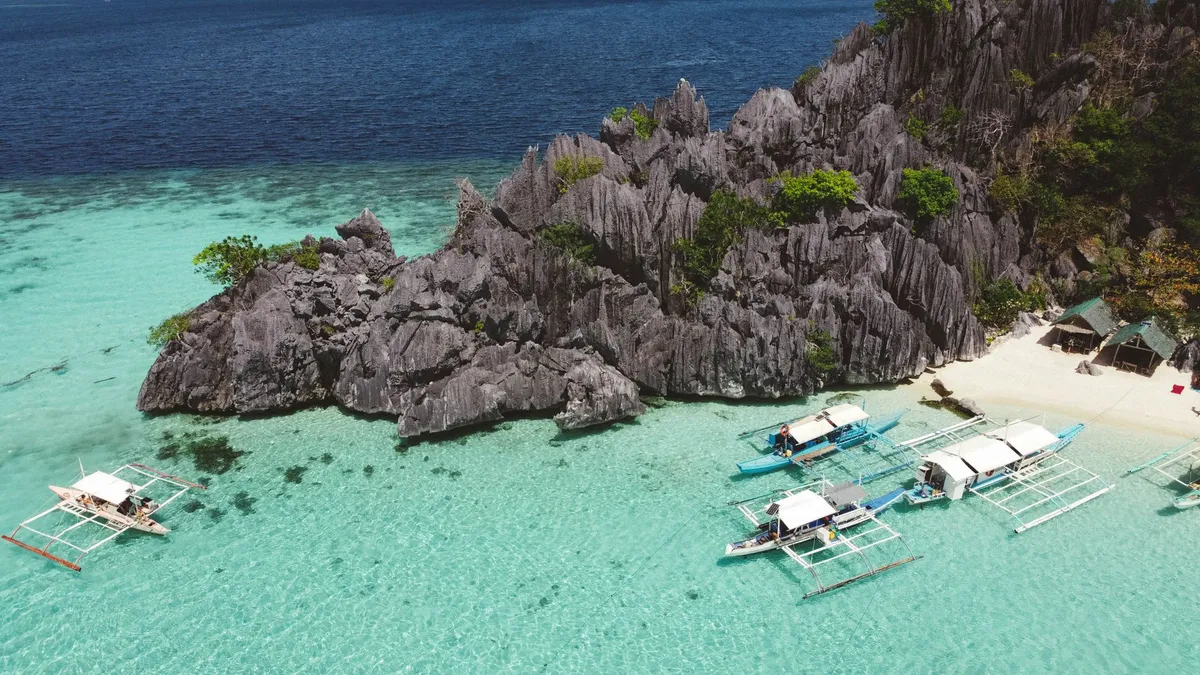

The Enchanting Province of Palawan Located in the region of Mimaropa, Palawan is the largest province in the Philippines, boasting a total area of 14,649.73 km2. This archipelagic province is a treasure trove of natural wonders, from its stunning beaches to its lush forests and majestic mountains. The capital and largest city, Puerto Princesa, is a must-visit destination, with its vibrant culture and rich history.The islands of Palawan stretch between Mindoro island in the northeast and Borneo in the southwest, lying between the South China Sea and the Sulu Sea. The province is named after its largest island, Palawan Island, which measures 450 kilometers long and 50 kilometers wide. A Glimpse into Pre-History The early history of Palawan was determined by a team of researchers led by Robert Bradford Fox, who found evidence in the Tabon Caves that humans have lived in Palawan for more than 50,000 years. The discovery of human bone fragments, known as Tabon Man, in the municipality of Quezon, as well as tools and other artifacts, provides a fascinating insight into the lives of the island's earliest inhabitants.The discovery of two articulated phalanx bones of a tiger, alongside other animal fossils, in Ille Cave near the village of New Ibajay, is a significant find. The condition of the tiger subfossils, dated to approximately 12,000 to 9,000 years ago, suggests that they may have been imported from elsewhere, possibly from Borneo. The Maritime Jade Road Palawan was a major site for the Maritime Jade Road, one of the most extensive sea-based trade networks of a single geological material in the prehistoric world. Operating for 3,000 years from 2000 BCE to 1000 CE, this network played a significant role in the island's early history.The Maritime Jade Road connected Palawan to other parts of Southeast Asia, facilitating the exchange of goods, ideas, and cultures. This ancient trade network has left a lasting legacy on the island, with many of its traditions and customs still evident today. Early History and Indigenous Groups Palawan is home to several Indigenous groups, including the Palaw'an, Batak, Tagbanwa, and Tau't Bato. These groups have traditionally practiced animist anito religions and have a deep connection to the island's natural environment.The coastlines of Palawan were also settled by later groups, collectively known as "Palaweños." Prior to Islamization, the islands of Palawan, Calamian, and parts of Luzon were under the jurisdiction of the nation Sandao, a vassal-state to the more powerful Ma-i nation in Mindoro. Spanish Colonial Era The arrival of the Spanish in the late 15th century marked a significant turning point in Palawan's history. The northern Calamianes Islands were the first to come under Spanish authority, and were later declared a province separate from the Palawan mainland.The Spanish colonial period saw the establishment of churches, garrisons, and other infrastructure, which had a lasting impact on the island's architecture and culture. The 1818 Spanish census recorded Palawan island as having 4,486 native families and 29 Spanish-Filipino families. Conclusion Palawan is a treasure trove of natural wonders, rich history, and vibrant culture. From its stunning beaches to its lush forests and majestic mountains, this Philippine archipelago is a must-visit destination for any traveler. With its unique blend of indigenous and colonial influences, Palawan is a true gem of the Philippines, waiting to be explored and discovered. #Travel #Palawan #Philippines #HiddenGems #IslandLife #CulturalHeritage