Showing Posts From
Pictures of you
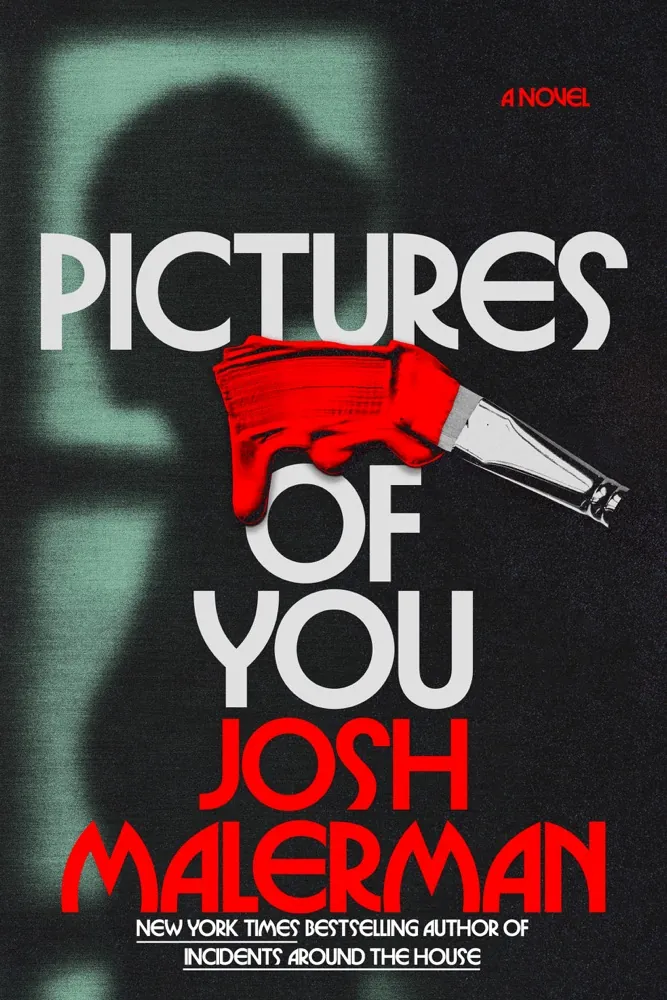
Author: Josh MalermanPage Count: UnknownPublication Date: Expected publication 2026-09-08 APL The synopsis for Pictures of You arrives like a whisper in the humid August air—thick with the scent of damp concrete and the distant hum of a city that’s too hot to move through, too heavy to ignore. Already, I can feel the weight of Malerman’s prose pressing against my ribs, the kind of dread that curls around the spine like ivy on a crumbling estate. This isn’t just another horror novel; it’s a Hitchcockian thriller, which means we’re not just in the business of scares here—we’re in the business of unsettling the gaze. And Emily, our protagonist, is the canvas upon which this entire nightmare is being painted. But let’s not pretend this is merely a gimmick. The synopsis teases a psychological labyrinth—Emily’s memory, her isolation, the demand of the unseen artist—all of which suggests a meditation on the fragility of selfhood. And here’s the thing: Malerman, bless his unsettling genius, has a knack for turning domestic spaces into pressure cookers of paranoia. Incidents Around the House was a masterclass in how to make a reader question every shadow, every creak, every almost-recognition. So what happens when you take that same dread and frame it through the lens of art—not as inspiration, but as predation? The synopsis drops Emily into a room that’s too beautiful, too precise, like a still life by a master but with the unsettling absence of the subject. And then—oh, then—there’s the easel. No canvas. Just the silhouette of a figure that “emanates demand, danger, evil.” This isn’t just a painting waiting to happen; it’s a warning. The artist isn’t just creating something—he’s claiming Emily as the subject, and the way the synopsis frames it—“She’s acting as if Emily herself is the painting”—is pure psychological torture. It’s the kind of narrative trick that makes you wonder: Is this about artistic obsession, or is it about the way we’re all, in some way, captured by the stories we’re told about ourselves? And let’s not forget the clock is ticking. That’s not just a trope; that’s a metaphor. Time in horror isn’t just a countdown—it’s a measure of how deeply the protagonist is entangled in the horror’s logic. Emily’s brilliance is mentioned, but it’s her fear that’s the real engine here. She’s fierce, independent—traits that, in Malerman’s world, often make her the most vulnerable. Because when you’re trapped in a room with a silent, demanding force, your intelligence doesn’t save you. Your perception does. And that’s where the artistry comes in. The synopsis hints that Emily will have to “think like an artist” to escape, which is either a brilliant twist or a lazy nod to the idea that “creativity” is the key to survival. (I’m leaning toward the former, but I’ll reserve judgment until I see how Malerman executes it.) Yet—here’s the thing that’s bothering me. The synopsis is too vague. It doesn’t tell us why Emily is the subject. Is this about love? About control? About the way we’re all, in some way, consumed by the people who love us? The way the synopsis frames Jack’s life as “on the line with her own” suggests a romantic entanglement, but it’s also the kind of phrasing that could apply to any kind of dependency—artistic, emotional, even existential. And that’s the beauty of it, isn’t it? The ambiguity forces the reader to fill in the blanks, to project their own fears onto the page. But it also risks feeling like a setup without a payoff. Where’s the substance? Where’s the depth? Compare this to something like The Last House on Needless Street by Catriona Ward, where the psychological horror is so tightly wound that every detail feels like a clue. Or The Fisherman by John Langan, where the cosmic dread is balanced by a slow-burning, almost philosophical dread. Malerman’s work often feels like a pressure cooker of dread, but if Pictures of You doesn’t deliver on the promise of its own artistic metaphor, it might just feel like a gimmick. And that’s a shame, because the potential is so there. But then again—maybe that’s the point. Maybe the art isn’t in the execution, but in the idea of being trapped in someone else’s vision. Maybe the real horror isn’t the escape, but the realization that we’re all, in some way, painted by the stories we live. And if that’s the case, then Malerman’s already won. Because in a world where we’re all just trying to figure out how to be seen, the idea of being chosen as a subject—even if it’s by a monster—is the most terrifying art of all. Now, if you’ll excuse me, I’ve got to get to my Pilates class before the instructor starts judging my lack of discipline. #HorrorThatHurts #ArtAsPredator #MalermanOrBust Related InsightsWoodland Warrior Book Review and Summary Crime and Punishment Book Review and Summary Mrs. Dalloway Book Review and Summary{ "@context": "https://schema.org", "@type": "FAQPage", "mainEntity": [ { "@type": "Question", "name": "What is the main focus of Pictures of You Book Review and Summary?", "acceptedAnswer": { "@type": "Answer", "text": "Everything you need to know about Pictures of You with our detailed review." } }, { "@type": "Question", "name": "Who authored the comprehensive guide on Pictures of You Book Review and Summary?", "acceptedAnswer": { "@type": "Answer", "text": "This detailed article and its insights were carefully researched and authored by Sofia Bianchi." } }, { "@type": "Question", "name": "Where can I find more related content about Books?", "acceptedAnswer": { "@type": "Answer", "text": "You can explore more articles, detailed reviews, and similar insights by browsing the Related Insights section at the bottom of this article or visiting our dedicated Books category page." } } ] }