Showing Posts From
Plantbased
-
 Isabella Rossi
 - 07 Sep, 2026 21:45
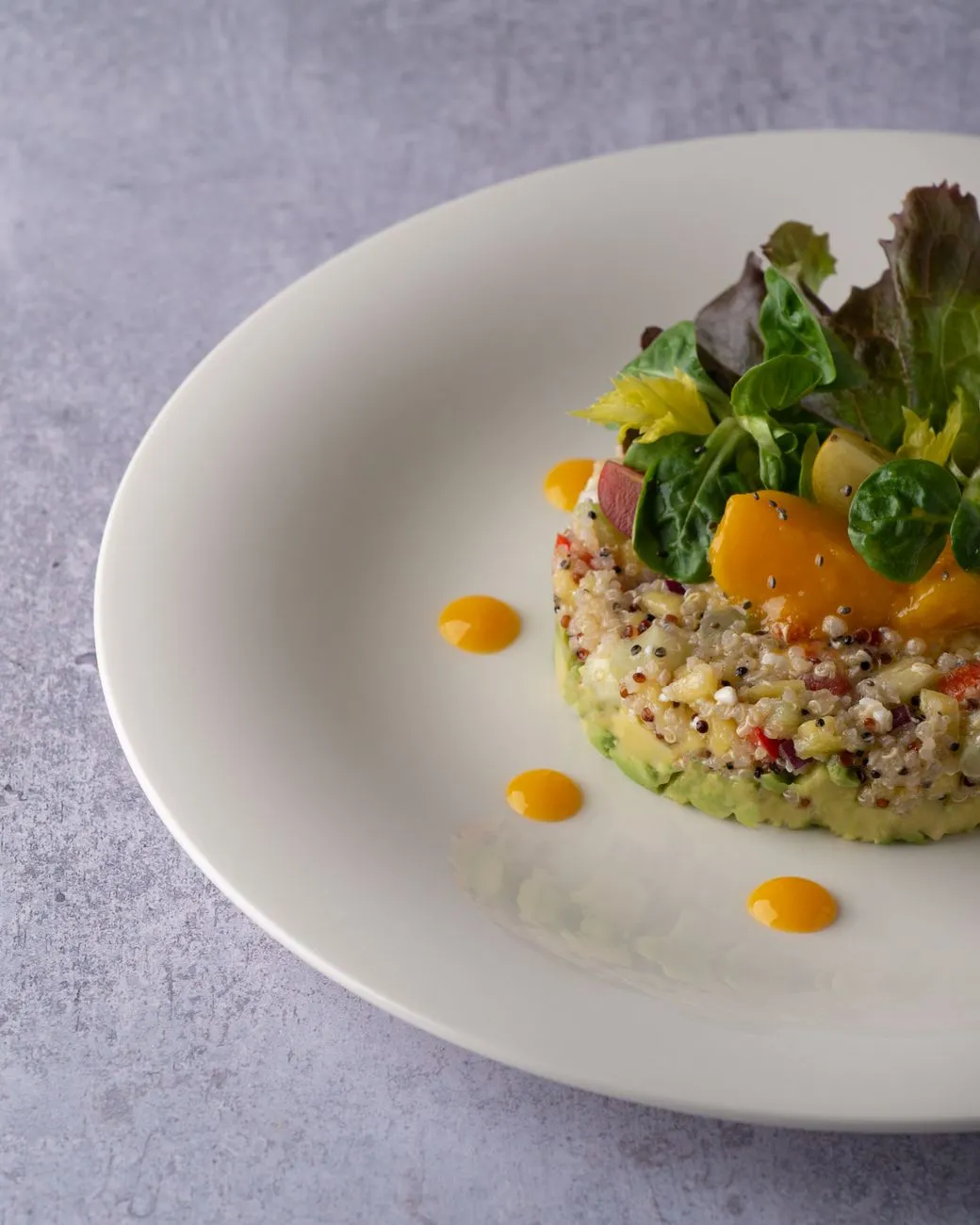
The Golden Harvest: Transforming Your Vitality with Quinoa, Sweet Potatoes, and Kale
A Symphony of Cellular Defense Through Culinary Art In the fast-paced modern world, the pursuit of sustained energy is not merely a lifestyle preference but a biological imperative. As an expert in nutrition and culinary arts, I have spent years observing how the synergy of whole, unprocessed ingredients impacts systemic health. Today, we are focusing on a dish that acts as a blueprint for cellular longevity: the Quinoa Salad with Roasted Sweet Potatoes and Kale. This is not just a salad; it is a meticulously constructed intervention designed to combat the persistent threat of oxidative stress. Recent research highlights the crucial role of dietary antioxidants in healthcare, specifically noting their function in energy enhancement. Much like the findings from the NUTRIENT Trial—which investigated the feasibility of Mediterranean-style diets—we are seeing that sustained health is best achieved through consistent, intentional dietary interventions. By integrating foods that contain coenzyme Q10 and various phytonutrients, we provide our bodies with the raw materials needed to neutralize free radicals. When you combine the nutty, protein-rich profile of quinoa with the beta-carotene-dense sweet potato and the cruciferous powerhouse that is kale, you aren't just eating for satisfaction; you are providing your body with the tools to mitigate the psychological and physical impacts of a high-stress lifestyle. We must view our kitchens as our primary pharmacy, crafting meals that reduce the systemic inflammation associated with modern work environments.The Architectonics of Grain: Why Quinoa Reigns Supreme Quinoa is often labeled a "superfood," a term I usually approach with caution, yet in this instance, it is scientifically justified. Unlike refined grains, quinoa is a pseudocereal that functions as a complete protein, containing all nine essential amino acids. In the context of the NUTRIENT Trial, which emphasized the importance of adherence to high-quality, nutrient-dense eating patterns, quinoa stands as a cornerstone for those seeking to stabilize blood glucose while maintaining cognitive function. When we look at the role of dietary antioxidants for energy enhancement, quinoa offers a unique matrix of polyphenols, such as quercetin and kaempferol. These molecules are instrumental in protecting the cardiovascular system and supporting the mitochondrial function of healthcare professionals and high-performers alike. To prepare the perfect base, one must first toast the quinoa slightly before boiling. This process releases nutty essential oils that improve both flavor and nutrient bioavailability. Use a ratio of two parts water to one part quinoa, bringing it to a simmer and allowing it to rest for ten minutes after the moisture is absorbed. This steaming period is vital; it ensures the grains are fluffy rather than mushy, maintaining the structural integrity of the complex carbohydrates. By replacing heavy, refined grains with this fiber-rich alternative, you are effectively slowing the glycemic response of your meal, ensuring that the energy you receive from the salad is sustained over several hours rather than spiking and crashing. This steady release is exactly what is required to keep oxidative stress at bay throughout a demanding afternoon. The Radiant Glow of Beta-Carotene-Rich Tubers The inclusion of roasted sweet potatoes is where this dish transcends standard grain bowls. Sweet potatoes provide a profound concentration of beta-carotene, an antioxidant precursor to Vitamin A that is essential for immune function and vision. When we talk about energy enhancement in professional settings, we often overlook the role of micronutrients in supporting the endocrine system. The roasting process, if done correctly, caramelizes the natural sugars in the potato, intensifying the flavor profile while softening the fiber for easier digestion. To achieve the ideal roast, toss your diced sweet potatoes in a minimal amount of high-quality extra virgin olive oil—the golden standard of the Mediterranean diet—and a pinch of sea salt. Roast them at 400 degrees Fahrenheit until the edges turn a deep, golden brown. This level of roasting creates a Maillard reaction, which not only develops flavor but also makes certain nutrients more accessible to the digestive enzymes in your gut. Research into food supplements and functional foods suggests that the synergy between the healthy fats in the olive oil and the fat-soluble vitamins in the sweet potato creates a biological pathway for optimal absorption. Without this healthy fat anchor, the beta-carotene would not be processed by your body with the same efficiency. By incorporating these roots, you are layering in deep, earth-derived energy. It is this intentional pairing of ingredients—grains for structure, roots for sustained fuel—that forms the backbone of a high-functioning diet. Furthermore, the psychological satisfaction of the sweet flavor profile provides a subtle reward mechanism, reducing the craving for processed sweets that often plague busy professionals during high-stress periods. Mastering the Cruciferous Power of Massaged Kale Kale has earned its reputation as a powerhouse, but its efficacy depends entirely on preparation. Raw kale can be tough, fibrous, and difficult for some individuals to digest, which is why the technique of "massaging" the leaves is non-negotiable. By rubbing the kale with a small amount of lemon juice and a touch of olive oil for two to three minutes, you mechanically break down the cellulose walls of the leaves. This makes the kale more tender, improves its flavor by reducing bitterness, and makes its rich supply of glucosinolates—compounds associated with cellular detoxification—more readily available for your system to utilize. Kale is a dense source of Vitamin K, Vitamin C, and manganese, all of which are critical for the metabolic processes that keep our bodies energized and resilient. In the context of interventions regarding systemic health, kale serves as a primary source of protective chemistry. It is these cruciferous vegetables that have been shown to help regulate the body's oxidative response. When incorporated into the quinoa base, the kale adds a textural contrast that forces you to chew more deliberately, which in turn slows your eating speed—a common recommendation in nutritional behavioral counseling. Slowing down your meal promotes better satiety signals, ensuring you don't over-consume calories while maximizing the absorption of these essential nutrients. Think of this process as a sensory intervention; you are not just eating, you are engaging in a process of systemic renewal. The brightness of the lemon used in the massage also cuts through the earthiness of the roasted potatoes, creating a balanced palate that keeps the meal exciting from the first bite to the last.The Synergy of Dressings and Final Assembly A dish is only as good as the medium that connects its elements. For this antioxidant powerhouse, the dressing must be more than a flavor enhancer; it should be a nutritional vehicle. I recommend a vibrant vinaigrette composed of cold-pressed hemp seed oil, fresh ginger, raw apple cider vinegar, and a hint of turmeric. Hemp seed oil provides a superior ratio of Omega-3 to Omega-6 fatty acids, which is foundational for cognitive health and inflammation management. The ginger and turmeric introduce potent anti-inflammatory compounds that act synergistically with the antioxidants found in the quinoa and kale. When assembling, begin by placing the massaged kale at the bottom of a wide bowl, allowing it to act as the nutrient-dense foundation. Add the warm quinoa, followed by the roasted sweet potatoes. This layering technique allows the residual heat from the potatoes to slightly soften the kale just enough, without losing the fresh, crisp bite. Finally, drizzle your dressing over the top and incorporate toasted pumpkin seeds or walnuts for a necessary crunch. These nuts and seeds are vital additions—they provide zinc, magnesium, and additional Coenzyme Q10 precursors, rounding out the nutrient profile of your meal. This is culinary science at its most refined. Every element is intentional, designed to work in concert to fuel your brain and fortify your cells against the daily pressures of a high-demand career. By taking these steps, you are moving away from the paradigm of "fueling up" and moving toward the strategy of "optimizing your biological hardware."Component Key Nutrient Profile Functional BenefitQuinoa Complete Protein (9 Amino Acids) Sustained energy & muscle repairSweet Potato Beta-Carotene (Vitamin A) Immune support & eye healthKale Glucosinolates & Vit K Cellular detox & bone healthHemp Oil Omega-3 Fatty Acids Reduced inflammation & cognitive focusWalnuts Magnesium & Zinc Neural function & stress resilienceTurmeric Curcumin Powerful antioxidant & anti-inflammatoryNourishing the Future of Your Performance The transition to a highly functional, antioxidant-rich diet is a journey, not a destination. By adopting this Quinoa Salad with Roasted Sweet Potatoes and Kale as a regular feature in your meal rotation, you are making a tangible investment in your long-term health. The data is clear: whether we look at the feasibility of the Mediterranean diet or the necessity of antioxidants in mitigating oxidative stress, the consensus is that what we put on our plates directly dictates how we perform in our professional and personal lives. This salad is more than just a meal; it is a manifestation of self-care. It represents a shift from impulsive consumption to strategic fueling. As you integrate these ingredients into your routine, notice the difference in your energy stability throughout the afternoon. Pay attention to how your focus shifts when you are no longer burdened by the inflammation caused by processed additives and refined sugars. My mission as a food expert is to provide you with the knowledge to make these decisions with confidence. You now have the blueprint. The quinoa provides the structure, the sweet potatoes provide the endurance, the kale provides the resilience, and the dressing provides the catalyst. Start this week by preparing a large batch of these components; they store beautifully, making them an excellent choice for meal prep. Your body is a highly complex machine, and it requires high-performance fuel to function at its peak. By choosing to nourish yourself with this combination of whole, vibrant foods, you are ensuring that you have the vitality to tackle whatever challenges your professional life presents. Remember, consistency is the key to any intervention—keep this salad in your repertoire, and your body will thank you with sustained clarity and vigor. #HealthyEating #AntioxidantRich #PlantBasedNutrition #HighPerformanceFuel #MediterraneanDietInspired Related InsightsPeruvian Ceviche Revealed: The Ancient Citrus Alchemy That Transforms Seafood into a Nutritional Powerhouse (Part 3) Basque Pintxos: Spain’s Tiny Plates of Culinary Genius You Must Try The Protein-Powered Italian Table: Spinach and Ricotta Stuffed Shells{ "@context": "https://schema.org", "@type": "FAQPage", "mainEntity": [ { "@type": "Question", "name": "What is the main focus of The Golden Harvest: Transforming Your Vitality with Quinoa, Sweet Potatoes, and Kale?", "acceptedAnswer": { "@type": "Answer", "text": "Unlock superior energy levels with this nutrient-dense, antioxidant-rich quinoa salad featuring roasted sweet potatoes and kale—backed by the latest nutritional research." } }, { "@type": "Question", "name": "Who authored the comprehensive guide on The Golden Harvest: Transforming Your Vitality with Quinoa, Sweet Potatoes, and Kale?", "acceptedAnswer": { "@type": "Answer", "text": "This detailed article and its insights were carefully researched and authored by Isabella Rossi." } }, { "@type": "Question", "name": "Where can I find more related content about Food?", "acceptedAnswer": { "@type": "Answer", "text": "You can explore more articles, detailed reviews, and similar insights by browsing the Related Insights section at the bottom of this article or visiting our dedicated Food category page." } } ] }
-
 Marco Rossi
 - 15 Jun, 2026 16:37
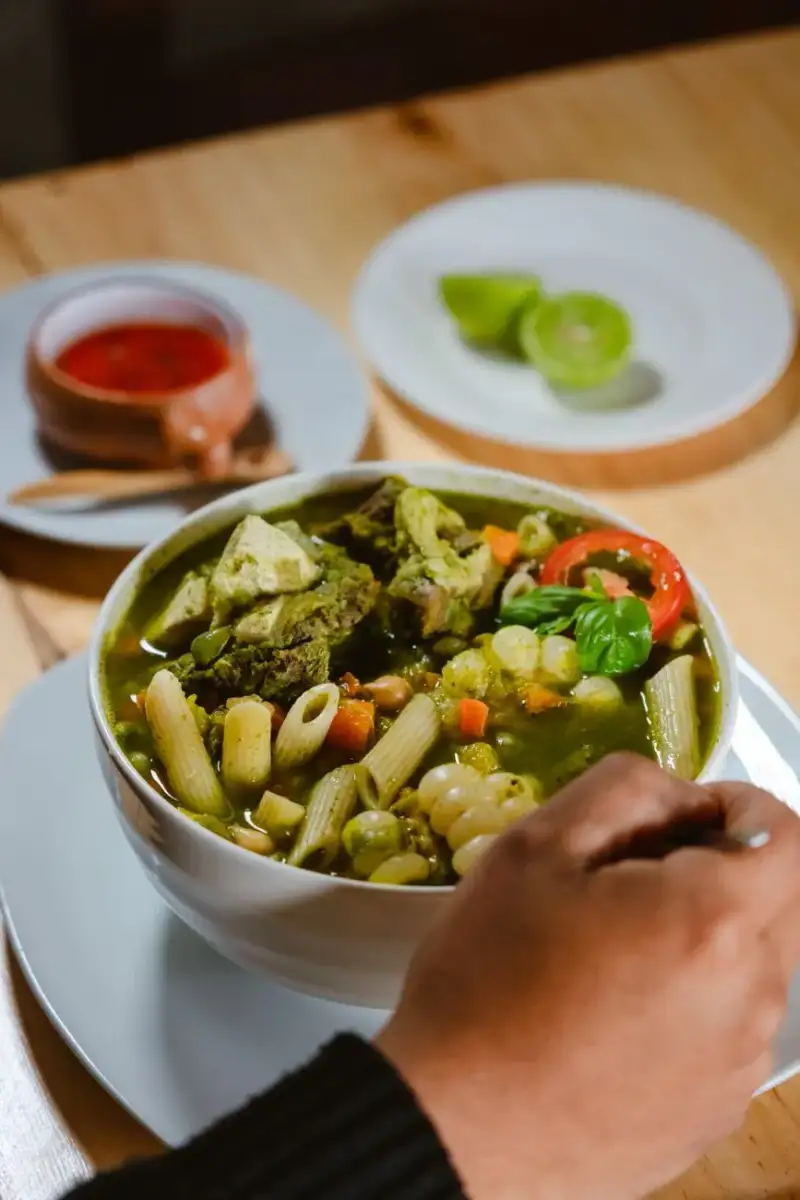
The Tuscan Secret: Why Minestrone with Farro is the Ultimate High-Fiber Superfood
When I think of home, I think of the rhythmic sound of a wooden spoon scraping the bottom of a heavy ceramic pot. I am Marco Rossi, and for me, gastronomy is not just about the flourish of a chef’s knife or the plating of a dish; it is about the ancient, symbiotic relationship between the land and our longevity. Today, we are exploring a pillar of the Mediterranean diet: the Minestrone, elevated with the ancient, nutty heart of farro. In the fast-paced modern world, we often lose sight of why our ancestors thrived. They didn’t have "superfood" powders or complex supplement stacks; they had the earth, the seasons, and an abundance of legumes and whole grains. Minestrone—the word itself derived from the Italian "minestra," meaning "to serve"—is arguably the most democratic of all dishes. It is a soup that evolves with the harvest. However, by introducing farro, we aren't just adding a grain; we are upgrading the nutritional profile of a meal that has sustained generations.The Science of Fiber: Beyond Digestion When we discuss "high fiber," we are often met with the mundane image of breakfast cereals. But let us look at this through a lens of human physiology. Fiber is not merely a "bulking agent"; it is a complex metabolic modulator. Current nutritional research confirms that high-fiber diets are fundamentally linked to improved gut microbiome diversity. A healthy gut environment is the bedrock of your immune system. When you consume a bowl of this Minestrone with farro, you are feeding the beneficial bacteria in your microbiome with prebiotic fibers. These bacteria, in turn, ferment these fibers into short-chain fatty acids (SCFAs) like butyrate, which are crucial for maintaining the integrity of the colon lining. Furthermore, research consistently shows that fiber slows the absorption of glucose, preventing the sharp insulin spikes that plague our modern, processed-food-heavy society. By replacing refined white pasta—a common, albeit less healthy, addition to traditional minestrone—with fiber-rich, nutrient-dense farro, you are making a conscious choice to stabilize your glycemic response while keeping hunger at bay for hours. Farro: The Ancient Guardian of Health Farro is not merely a trend. It is one of the oldest domesticated crops in human history, dating back to the Fertile Crescent. Nutritionally, farro is a powerhouse of complex carbohydrates. Unlike modern wheat, which has been selectively bred for high gluten and starch content, farro maintains a robust structural integrity that requires more energy for your body to break down. This "slow-release" energy is exactly what the body craves for sustained cognitive function and physical endurance.According to general scientific consensus in the field of dietetics, the intake of whole grains like farro is inversely correlated with risks of cardiovascular disease. The fiber found in farro, specifically beta-glucan, has been shown in various clinical observations to support healthy cholesterol levels. When you combine this with the wide array of phytonutrients found in the carrots, kale, and beans of our Minestrone, you are creating a synergy of antioxidants. Lycopene from the tomatoes, beta-carotene from the carrots, and chlorophyll from the kale all work in concert, protected by the healthy fats of high-quality extra-virgin olive oil. The Art of the Simmer: A Culinary Narrative Cooking, as I often tell my readers, is an act of patience. When you prepare this Minestrone, do not rush the base. The "soffritto"—the holy trinity of onion, carrot, and celery—must be allowed to sweat until the onions turn translucent and sweet. This is where the flavor depth begins. By adding the farro early, we allow the grain to absorb the savory essence of the vegetable broth, turning the starch into a subtle thickener for the soup. I encourage you to source high-quality beans, perhaps even heirloom varieties if you can find them. The texture of a firm, creamy cannellini bean against the pleasant, chewy "al dente" bite of the farro creates a sensory profile that is deeply satisfying. Creating Your Masterpiece: The Recipe The beauty of this recipe lies in its adaptability. While I provide a structured guideline below, consider this your canvas. If you have extra chard in the fridge, toss it in. If you find a beautiful bunch of rosemary, let it infuse the broth for a few minutes before serving. [Refer to the Recipe section in the Frontmatter for the exact preparation method.] Final Thoughts: The Mediterranean Legacy As you sit down with your bowl of steaming Minestrone, remember that you are partaking in a legacy that transcends time. Eating for health does not mean sacrificing the soul of the meal; it means honoring it. When we prioritize whole, fiber-rich ingredients, we aren't just eating; we are healing. Let the warmth of the broth and the texture of the farro remind you that the most potent medicines are often found in the most humble of ingredients. Feed your body, nourish your gut, and enjoy the profound simplicity of a life well-lived in the kitchen. #HealthyLiving #Gastronomy #MinestroneMagic #WholeGrainNutrition #ItalianCuisine Related InsightsUnwrapping the Flavors of Eastern Europe: The Pierogi Story The Alchemy of Microbes: Crafting Kombucha, Kefir, and Fermented Elixirs at Home The Edible Pulse of Mumbai: A Gastronomic Odyssey Through the Khau Gallis{ "@context": "https://schema.org", "@type": "FAQPage", "mainEntity": [ { "@type": "Question", "name": "What is the main focus of The Tuscan Secret: Why Minestrone with Farro is the Ultimate High-Fiber Superfood?", "acceptedAnswer": { "@type": "Answer", "text": "Discover the perfect harmony of Italian tradition and modern nutrition with this fiber-rich Minestrone soup featuring heart-healthy farro." } }, { "@type": "Question", "name": "Who authored the comprehensive guide on The Tuscan Secret: Why Minestrone with Farro is the Ultimate High-Fiber Superfood?", "acceptedAnswer": { "@type": "Answer", "text": "This detailed article and its insights were carefully researched and authored by Marco Rossi." } }, { "@type": "Question", "name": "Where can I find more related content about Food?", "acceptedAnswer": { "@type": "Answer", "text": "You can explore more articles, detailed reviews, and similar insights by browsing the Related Insights section at the bottom of this article or visiting our dedicated Food category page." } } ] }