Showing Posts From
Poetry
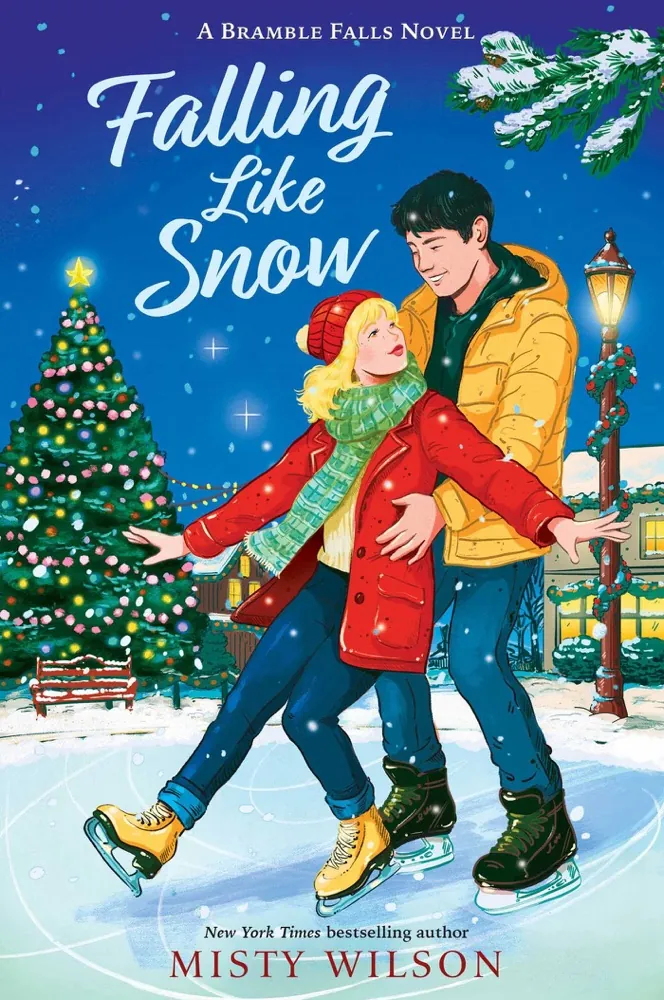
Author: Misty WilsonPage Count: UnknownPublication Date: Expected publication 2026-10-06 APL Outside the double-paned Belgian glass, the August sun is beating down on emerald pastures with the unyielding malice of a bad hangover, yet here I sit, contemplating the literary atrocity awaiting us in October. Falling Like Snow by Misty Wilson promises another descent into the small-town, flannel-clad purgatory of Falling Like Leaves. Because nothing screams high-art like recycling a municipal committee meeting for the sake of forced proximity. The Architecture of Cliché The premise rests on a foundation so painfully predictable it hurts. Sloane Sullivan survives one autumnal civic disaster only to be dragged headfirst into a winter bacchanal because her mother clearly lacks hobbies. Nora Ephron marathons with the platonic best friend? Groundbreaking. Truly, literature has never witnessed such raw, unfiltered cinematic audacity. Naturally, the universe must disrupt this cozy domesticity by parading a chisel-jawed hockey player across the page. Yet we must interrogate the sheer laziness of the love triangle trope here. It is the literary equivalent of eating gas-station sushi—you know it is going to end in digestive regret, but you do it anyway for the cheap thrill. Wilson leans so heavily into the manufactured confusion that one wonders if Sloane possesses the cognitive function of a damp tea towel. How does one suddenly look at the boy who hands her popcorn and realize he has a jawline? Make it make sense, bestie. This is pure brainrot dressed up in holiday wrapping paper. Seasonal Whiplash and Aesthetic Crimes Releasing a winter-themed book in October is a marketing choice, though perhaps "choice" is too generous a word for an editorial cash grab designed to capitalize on pumpkin-spice fatigue before the first icicle even forms. The synopsis relies on that tired, exhausted trope of forced event-planning as emotional scaffolding. If characters cannot communicate over a shared hot cocoa without a parade committee present, do they even possess interiority? No. They are merely puppets dancing for the YA industrial complex. Compare this pedestrian fluff to the biting, razor-sharp social dissection of Sally Rooney or the decadent emotional devastation found in Emily Henry’s better moments. Wilson’s dialogue sounds like it was generated by an algorithm fed exclusively on Hallmark Christmas movie scraps and frantic TikTok edits. The pacing will undoubtedly drag faster than an overloaded sleigh stuck in July mud, leaving readers drowning in a sea of manufactured angst. My managing editor is currently hyperventilating over the Q3 projections because nobody wants to buy winter fluff while we are still sweating through linen trousers on an express train to Zurich. #BookTok #FallReads #LiteraryTrash Related InsightsGhosts of the West Yorkshire Moors: The Savage Soul of Wuthering Heights What You Need to Be Warm Book Review and Summary A Little Princess Book Review and Summary{ "@context": "https://schema.org", "@type": "FAQPage", "mainEntity": [ { "@type": "Question", "name": "What is the main focus of Falling Like Snow (Bramble Falls #2) Book Review and Summary?", "acceptedAnswer": { "@type": "Answer", "text": "Everything you need to know about Falling Like Snow (Bramble Falls #2) with our detailed review." } }, { "@type": "Question", "name": "Who authored the comprehensive guide on Falling Like Snow (Bramble Falls #2) Book Review and Summary?", "acceptedAnswer": { "@type": "Answer", "text": "This detailed article and its insights were carefully researched and authored by Tiago Silva." } }, { "@type": "Question", "name": "Where can I find more related content about Books?", "acceptedAnswer": { "@type": "Answer", "text": "You can explore more articles, detailed reviews, and similar insights by browsing the Related Insights section at the bottom of this article or visiting our dedicated Books category page." } } ] }
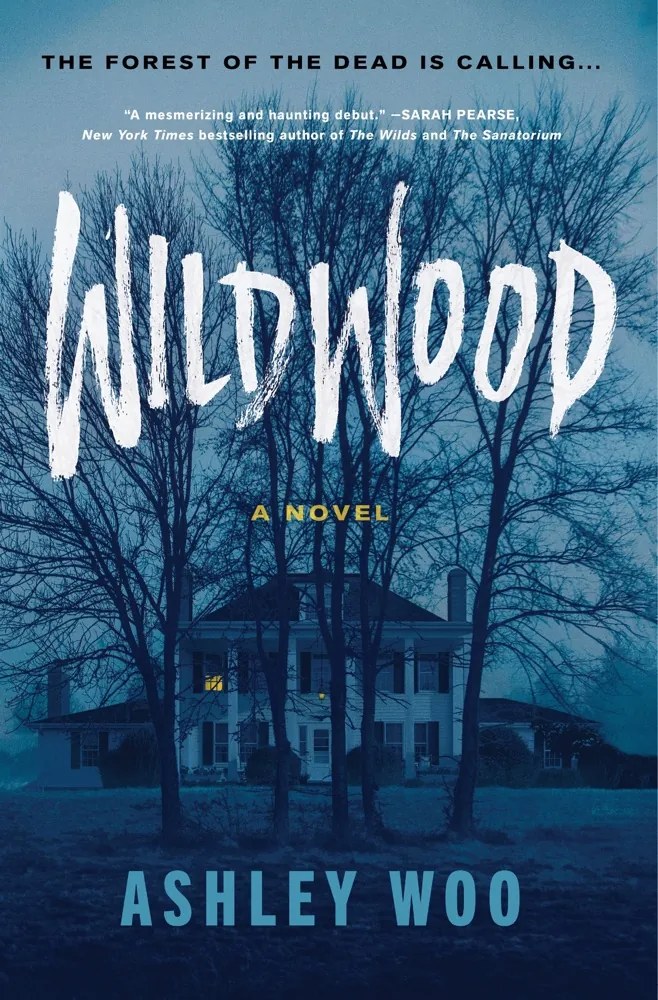
Author: Ashley WooPage Count: UnknownPublication Date: Expected publication 2026-09-08 APL As I sit here, sipping my champagne, I find myself pondering the upcoming release of Wildwood — a debut gothic mystery that promises to send shivers down the spines of even the most discerning readers. And, yet, I must admit that the official synopsis leaves me with more questions than answers. But, what is it about the unknown that draws us in, like moths to a flame? The prospect of uncovering secrets, of unraveling the threads of a mysterious narrative, is a tantalizing one, indeed. The Shadows That Bind The story of Elinor, a newly pregnant and unemployed woman who inherits the enigmatic Wildwood estate, is a fascinating one — full of dark secrets and eerie atmospheres. Her decision to move to rural Vermont, to make a home and raise her baby, is a bold one, especially given her estrangement from her extended family. It is what it is. The fact that she's an outsider, both to the townsfolk and the prominent Brook family, only adds to the sense of tension and foreboding that permeates the narrative. I am reminded of the works of Jason Rekulak and Stacy Willingham, authors who have mastered the art of crafting suspenseful, gothic mysteries that keep readers on the edge of their seats. And, yet, as I read through the synopsis, I find myself wondering — what lies beneath the surface of this story? What secrets is the author, Ashley Woo, hiding from us? The mention of an eerie nineteenth-century mural, "the Forest of the Dead," is particularly intriguing, as is Elinor's growing obsession with uncovering the truth about her family's past. But, will this obsession consume her, or will she emerge stronger, wiser, and more resilient? Only time will tell. Beyond the Façade As a luxury lifestyle blogger, I am drawn to the opulent, atmospheric settings that Wildwood promises to deliver. The sprawling wilderness of rural Vermont, the grand estate with its dark secrets — all of these elements combine to create a sense of foreboding, of something lurking just beneath the surface. But, what about the characters, the people who inhabit this world? Elinor, in particular, is a fascinating figure — a woman driven by a desire to uncover the truth, to make sense of her family's troubled past. Her dreams, her visions, her growing sense of unease — all of these elements suggest a complex, deeply human character, one who is both relatable and flawed. It is this complexity, this depth, that I believe will set Wildwood apart from other gothic mysteries. The fact that the author is willing to explore the darker aspects of human nature, to confront the secrets and lies that bind us, is a testament to her skill and courage as a writer. Yet, I must admit that I am also drawn to the vague, almost teasing nature of the synopsis — it's as if the author is dangling a carrot in front of us, tempting us to take a bite. But, I suppose that's the point. Wildwood is a mystery, a puzzle waiting to be solved, and I, for one, am eager to dive in, to uncover the secrets that lie within. And, so, I shall wait, patiently, for the book's release, my curiosity piqued, my senses on high alert. Now, if you'll excuse me, I need to go unclog the shower drain #GothicMystery #BookLovers #LuxuryLifestyle
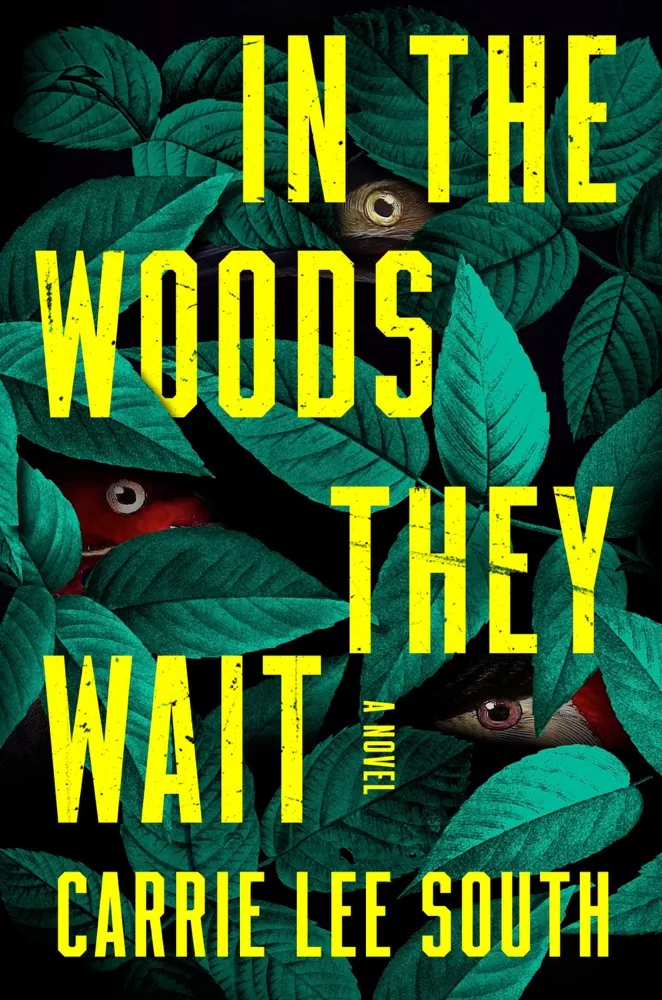
Author: Carrie Lee SouthPage Count: UnknownPublication Date: Expected publication 2026-09-22 APL As I sit here, sipping my chilled Chardonnay on this sweltering August afternoon, I find myself utterly entranced by the official synopsis of In the Woods They Wait, the upcoming novel by Carrie Lee South. The promise of a haunting southern gothic, expertly woven with the dark threads of a page-turner, has me positively salivating — and I must confess, the comparisons to Stephen King and Liz Moore only serve to heighten my anticipation. But, I must ask, what is it about this particular brand of storytelling that continues to captivate us, like moths to a flame, drawn inexorably to the very darkness that threatens to consume us? And yet, as I ponder the synopsis, I am struck by the sense of familiarity that pervades it — a sense of déjà vu, if you will. The disappearance of a child, the haunted woods, the secrets that lurk just beneath the surface... it's a narrative that feels both timeless and timely, a testament to the enduring power of the human psyche to conjure forth its deepest fears. But, I wonder, will In the Woods They Wait manage to subvert our expectations, to surprise us with a twist that will leave us breathless and wanting more? Or will it rely on the familiar tropes of the genre, content to simply retread the same old ground? The Shadows That Bind As I consider the protagonist, Audrey Figg, I am drawn to the complexity of her character — a park ranger, driven by a tragedy in her past, and yet, still searching for answers, still seeking to uncover the truth that has haunted her for so long. It's a compelling portrait, one that speaks to the very heart of human psychology — our need for closure, our desire to make sense of the senseless. But, what secrets is Audrey hiding, and how will they impact her search for the missing girl, Ivy? The synopsis is tantalizingly vague on this point, leaving me to wonder — and speculate — about the nature of Audrey's past, and the terrible secret that she has kept hidden for so long. The writing, too, promises to be a highlight of the book — "beautifully written, with a terrifying secret at its heart," as Elizabeth Hand so aptly puts it. And, I must say, the use of language in the synopsis is indeed evocative, conjuring forth the very atmosphere of the woods, with all their attendant terrors and mysteries. But, will the final product live up to this promise, or will it succumb to the pitfalls of overly florid prose? Only time will tell, I suppose. The Darkness That Waits As the summer draws to a close, and the shadows begin to lengthen, I find myself increasingly drawn to the darker corners of literature — and In the Woods They Wait seems to promise a journey into the very heart of darkness itself. It's a prospect that both thrills and terrifies me, rather like the promise of a summer storm, looming on the horizon. But, I am willing to take the risk, to venture into the unknown, in the hopes of uncovering something truly remarkable. After all, as any true bibliophile will tell you, the best books are those that leave us changed, somehow — that challenge our assumptions, and push us to confront the darkness that lurks within. And so, I shall wait, with bated breath, for the release of In the Woods They Wait — and I shall be ready, with a cleared space on my bookshelf, waiting to devour this latest offering from Carrie Lee South. #BookLovers #NewRelease #SouthernGothic #PageTurner #MustRead Related InsightsCaptive in the Dark Book Review and Summary Unfinished Business: Writing the 5 Essential Letters of Your Life Book Review and Summary L'Éternel Retour des Pixels : Pourquoi le Passé Numérique est Notre Avenir{ "@context": "https://schema.org", "@type": "FAQPage", "mainEntity": [ { "@type": "Question", "name": "What is the main focus of In the Woods They Wait Book Review and Summary?", "acceptedAnswer": { "@type": "Answer", "text": "Everything you need to know about In the Woods They Wait with our detailed review." } }, { "@type": "Question", "name": "Who authored the comprehensive guide on In the Woods They Wait Book Review and Summary?", "acceptedAnswer": { "@type": "Answer", "text": "This detailed article and its insights were carefully researched and authored by Tiago Silva." } }, { "@type": "Question", "name": "Where can I find more related content about Books?", "acceptedAnswer": { "@type": "Answer", "text": "You can explore more articles, detailed reviews, and similar insights by browsing the Related Insights section at the bottom of this article or visiting our dedicated Books category page." } } ] }
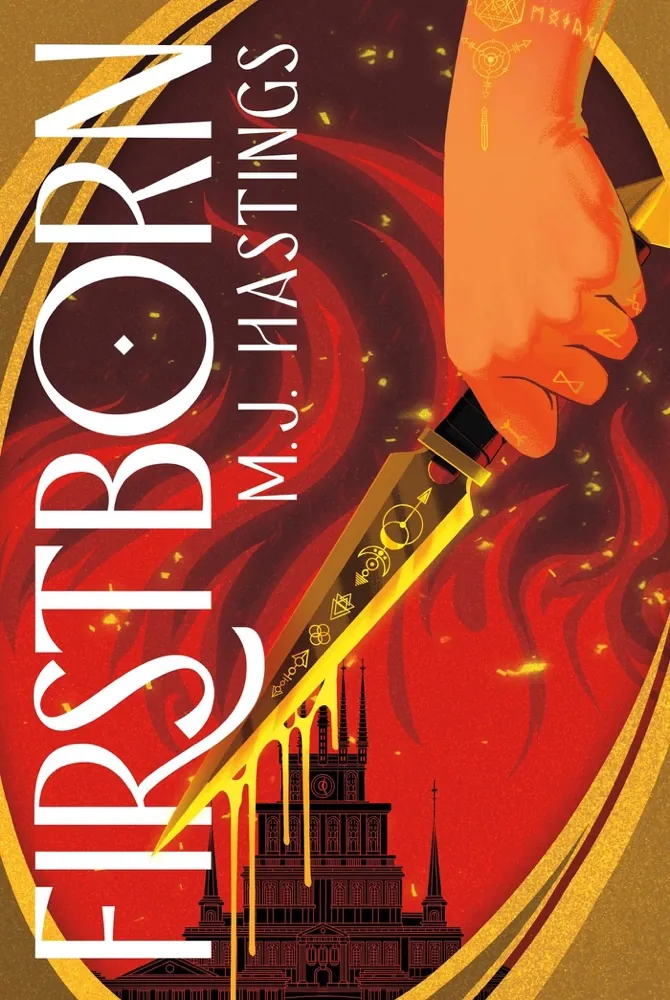
Author: M.J. HastingsPage Count: UnknownPublication Date: Expected publication 2026-09-01 APL Oh, Firstborn—the kind of book that makes you clutch your copy like it’s a rare vintage Bordeaux, the kind you sip slowly while debating whether to order the truffle risotto or the black truffle risotto. M.J. Hastings has already staked her claim in the Fourth Wing–Red Queen–The Cruel Prince trifecta of morally fraught, sword-wielding, heart-pounding escapades, and this? This is the one where she leans into the Hunger Games’ brutal efficiency but dresses it in the kind of lush, political intrigue that makes you wonder if she’s been secretly reading The Lies of Locke Lamora between drafts. The synopsis is deliciously vague—because, darling, the best dystopian romantasy thrives on implication. We have Bryn Ruelle, a Firstborn soldier—so, the elite, the warriors, the ones who earn their place by proving they can take a life. And not just any life; the synopsis drops the Long Night trial like a velvet glove over a knife, the kind of initiation that’s equal parts military boot camp and psychological warfare. The first children take up arms. How poetic. How chilling. It’s the kind of opening line that makes you pause mid-sip of your espresso martini, because—let’s be honest—when was the last time you read a dystopian where the birth order wasn’t just a gimmick but the entire architecture of survival? And then there’s the plot—or what we can glean from it. A kidnapping threat against the Lastborn, a traitor-born enemy who’s alluring (because of course they are; Hastings has a soft spot for morally ambiguous love interests, remember The Cruel Prince’s Jace?), and a choice so brutal it makes you wince. Her country, or her family? That’s the kind of dichotomy that doesn’t just drive a plot—it haunts it. It’s the kind of tension that lingers like the aftertaste of a well-aged whiskey, the kind that makes you turn the page at 3 a.m. because you need to know which way she’ll jump. But—and this is where the synopsis falters—where’s the texture? The synopsis reads like a press release for a luxury watch: sleek, polished, but oddly devoid of the soul of the mechanism. We get the idea—birth order as fate, the cost of defiance, the slow burn of romance—but where’s the grit? Where’s the sense of a world so vivid you can smell the iron on the blades or the damp earth of the training grounds? The praise quotes are excellent—Ann Liang’s “I couldn’t put the book down” is the kind of endorsement that makes you trust your instincts—but they’re also generic. This is the problem with synopses that rely on tropes rather than tone. Fourth Wing didn’t just tell us Kat’s world was brutal; it showed us the weight of her wings, the sting of betrayal, the way her body remembered every scar. Where’s that here? Yet—and this is the real question—does it matter? Because if Hastings delivers on the promise of her earlier work, we might not need every gritty detail spelled out. She’s the queen of atmospheric tension, the kind of author who can make a single line—the third children are taken—feel like a dagger to the ribs. The synopsis is elegant in its vagueness, like a well-tailored suit that hints at the body beneath without revealing too much. And that’s exactly how it should be. My prediction? This will be the book that makes readers forget they were ever in the mood for something lighter. It’ll have the political maneuvering of The Poppy War, the emotional gut-punch of The Selection, and the slow-burn romance that makes you hate the heroine for being so relatable. And if Hastings pulls it off—and she always does—it’ll be the kind of book you’ll recommend to your book club while sipping a glass of something very expensive, the kind that makes your date across the table raise an eyebrow and say, “You’re that kind of person.” Now, if you’ll excuse me, my tailor’s waiting to fit me for the new suit I’ll be wearing when I finally crack this one open. #BookTok #DystopianRomance #MustRead2026 Related InsightsThe Truth About Forever Book Review and Summary Bloodlines Book Review and Summary Feminism for the 99% Book Review and Summary{ "@context": "https://schema.org", "@type": "FAQPage", "mainEntity": [ { "@type": "Question", "name": "What is the main focus of Firstborn Book Review and Summary?", "acceptedAnswer": { "@type": "Answer", "text": "Everything you need to know about Firstborn with our detailed review." } }, { "@type": "Question", "name": "Who authored the comprehensive guide on Firstborn Book Review and Summary?", "acceptedAnswer": { "@type": "Answer", "text": "This detailed article and its insights were carefully researched and authored by Tiago Silva." } }, { "@type": "Question", "name": "Where can I find more related content about Books?", "acceptedAnswer": { "@type": "Answer", "text": "You can explore more articles, detailed reviews, and similar insights by browsing the Related Insights section at the bottom of this article or visiting our dedicated Books category page." } } ] }
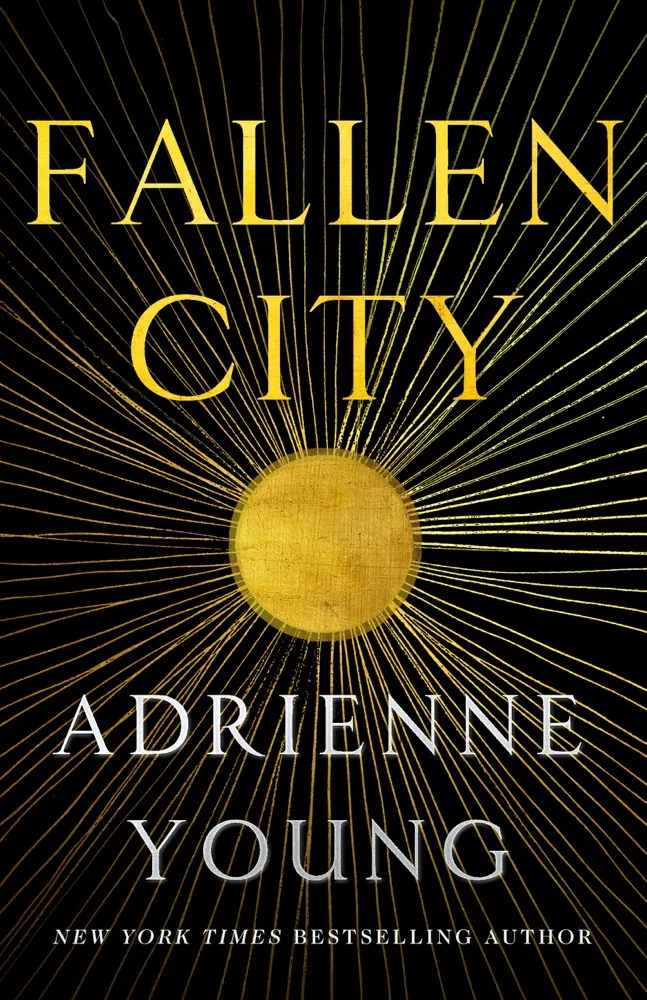
Author: Adrienne YoungPage Count: UnknownPublication Date: Expected publication 2026 APL Sipping a chilled vintage Sancerre aboard this gleaming Eurostar carriage as golden August sunshine floods the windows, one's mind naturally drifts to matters of exquisite drama. The European countryside rolls past in a glorious, sun-drenched blur of vineyards and châteaux. And what better companion for such leisurely transit than the impending literary release of Adrienne Young’s Chosen Son? The Aesthetic of Rebellion Young returns to the grand walled city of Isara, a setting practically dripping with old-world prestige and political decadence. Yet, the synopsis keeps things teasingly vague regarding the actual architecture of this rebellion—a cardinal sin for world-building connoisseurs who prefer their uprisings meticulously detailed from page one. Does Isara smell of marble dust and expensive perfume, or merely the sweat of disgruntled legionnaires? One hopes for the former. After all, if the proletariat is going to dismantle a corrupt regime, they ought to do it in bespoke attire. A Romance Curdled by Destiny Enter Luca Matius and Maris Casperia. A legionnaire and a Magistrate's daughter. A tale as old as time, really—or at least as old as the last three romantasy blockbusters currently dominating the New York Times bestseller list. One detects distinct echoes of Rebecca Yarros’s militaristic trials paired with the atmospheric court politics of Sarah J. Maas. But can Young elevate this well-worn trope above mere genre fodder? Fascinating in theory. Maris is entangled with the last Priestess wielding stolen magic from an Old War. And Luca is groomed for the Forum until a catastrophe ruins his neatly scheduled calendar. Naturally, a holy war tears them apart just as they spark a calculated alliance. How terribly inconvenient for their social calendar. A Cinematic Gamble The publisher’s marketing copy leans heavily into grand, sweeping declarations about gods writing stories and fates diverging on opposite sides of barricades. High stakes? Undoubtedly. But the synopsis suffers from a distinct lack of narrative specificity. We are told a secret comes to light and chaos ensues, yet we are left entirely in the dark about the actual mechanics of this divine script. A clever marketing ploy, or simply a manuscript still finding its footing in the editing suite? Time will tell. Prediction time. Young will undoubtedly deliver a gorgeously paced, emotionally bruising third-act separation that leaves readers gasping into their pillows. Whether the political machinations hold up under serious scrutiny remains to be seen. But who reads grand fantasy for structural integrity anyway? We read it for the yearning, the aesthetics, and the delicious agony of star-crossed misery. The train rattles past another breathtaking stretch of French countryside, the midday heat shimmering off the tracks. Another glass of wine beckons. Will Luca and Maris survive the gods' divine interference? Or will they simply become collateral damage in a centuries-old turf war? Related InsightsTrial by Fire Book Review and Summary Look What the Cat Dragged In Book Review and Summary Allegiant Book Review and Summary{ "@context": "https://schema.org", "@type": "FAQPage", "mainEntity": [ { "@type": "Question", "name": "What is the main focus of Chosen Son (Fallen City Duology, #2) Book Review and Summary?", "acceptedAnswer": { "@type": "Answer", "text": "Everything you need to know about Chosen Son (Fallen City Duology, #2) with our detailed review." } }, { "@type": "Question", "name": "Who authored the comprehensive guide on Chosen Son (Fallen City Duology, #2) Book Review and Summary?", "acceptedAnswer": { "@type": "Answer", "text": "This detailed article and its insights were carefully researched and authored by Tiago Silva." } }, { "@type": "Question", "name": "Where can I find more related content about Books?", "acceptedAnswer": { "@type": "Answer", "text": "You can explore more articles, detailed reviews, and similar insights by browsing the Related Insights section at the bottom of this article or visiting our dedicated Books category page." } } ] }
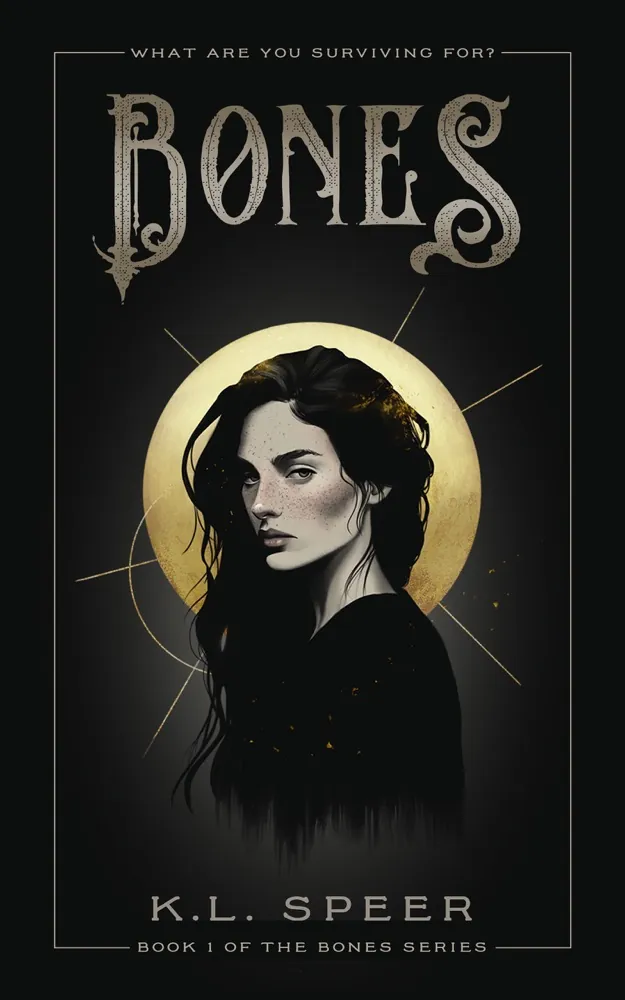
Author: K.L. SpeerPage Count: UnknownPublication Date: Expected publication 2026 APL Sipping a cold brew in a noisy Manhattan café, I felt a familiar wave of exhaustion wash over me when the press release for Bones: A Novel hit my screen. Another female healer, another traumatic past that taught her how to survive, and another metaphorical bloodstain that simply won’t wash off her hands. The literary world has abused this "broken but deadly" heroine trope so much that the words themselves are starting to bleed. Yet, there is a strange, dark detail in this first installment of The Bone Series that kept me glued to the screen: the moment a soul escapes twelve years of raider captivity, only to realize that freedom is just a different kind of cage. Fascinating in theory. Our protagonist, Bones, finally secures her freedom after years of brutal imprisonment—or so she thinks. The reality is that her miraculous healing power will forever paint a target on her back. The blurb drags us to a northwest mountain stronghold known as the Vault. This is where the author makes their true gamble. We discover that her captors aren't just a random gang, but a tight-knit crew. And at the heart of this crew stands Trey. Is this Stockholm syndrome, or a meticulously crafted enemies-to-lovers arc? Time will tell. The author has built a psychological minefield, blending Bones's severe trauma with a terrifying attraction to Trey. The concept of weaponizing her healing powers to root out a budding revolution is brilliant. But the real question remains: will this book actually plunge into the depths of revolution and psychological fragmentation? Or will all this philosophical posturing about "what are you surviving for" be sacrificed for cheap romance? A dangerous gamble. This story will either honor twelve years of trauma and deliver a chilling survival epic, or it will remain a shallow fantasy written simply to fill pages. Let's hope the author doesn't disappoint us in that mountain stronghold. Related InsightsFetal Position Book Review and Summary Record Lows Book Review and Summary Adam and Eve Book Review and Summary{ "@context": "https://schema.org", "@type": "FAQPage", "mainEntity": [ { "@type": "Question", "name": "What is the main focus of Bones: A Novel (The Bone Series) Book Review and Summary?", "acceptedAnswer": { "@type": "Answer", "text": "Everything you need to know about Bones: A Novel (The Bone Series) with our detailed review." } }, { "@type": "Question", "name": "Who authored the comprehensive guide on Bones: A Novel (The Bone Series) Book Review and Summary?", "acceptedAnswer": { "@type": "Answer", "text": "This detailed article and its insights were carefully researched and authored by Tiago Silva." } }, { "@type": "Question", "name": "Where can I find more related content about Books?", "acceptedAnswer": { "@type": "Answer", "text": "You can explore more articles, detailed reviews, and similar insights by browsing the Related Insights section at the bottom of this article or visiting our dedicated Books category page." } } ] }
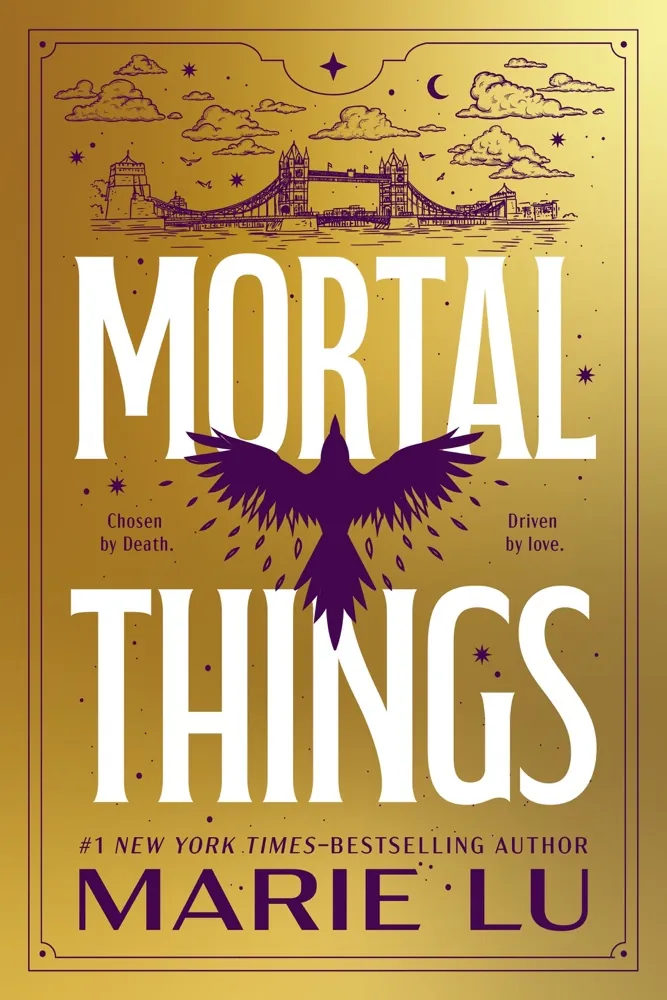
Mortal Things Author: Marie LuPage Count: UnknownPublication Date: Expected publication 2026-10-27 APL Title: Step Into the Dark Dream: Marie Lu Returns with Mortal Things Literary journalists and fantasy fans alike have a monumental date circled on their calendars: October 27, 2026. That is the day #1 New York Times-bestselling author Marie Lu—renowned for her blockbuster hits and gripping world-building—returns to the shelves with a cinematic and sweeping new fantasy titled Mortal Things. For readers who have followed Lu’s illustrious career through her phenomenal previous bestsellers, this upcoming release promises a thrilling shift into a dark, intoxicating new arena. Early buzz is already reaching a fever pitch, backed by glowing endorsements from industry heavyweights. Victoria Aveyard, #1 New York Times-bestselling author of the Red Queen series and the Realm Breaker trilogy, calls it "A dark dream of a book." Meanwhile, Rebecca Ross, #1 New York Times-bestselling author of Divine Rivals, praises it as "A riveting, magical read that is impossible to put down." Set in a world of insatiable immortals, their eternal rivalries, and the humans trapped between them, Mortal Things is being heralded as a must-read for fans of Heartless Hunter and A Darker Shade of Magic. Collectors will also want to take note: the stunning first edition features a foiled jacket, making it an instant centerpiece for bookshelves everywhere. What can readers expect when they open the pages? According to the official synopsis: Rose Lin Fairchild didn’t believe in gods, but one chose her anyway. Rose despises Raven, the god of Death. His mysterious commands. His mercurial moods. His closed heart. But most of all, she loathes that she was forced to become his Harbinger, a human mercenary tasked to fulfill their god’s every want and whim. Still, she would do it again, because being a Harbinger is the only thing keeping her best friend alive. When a murder rocks the world of the gods, Rose is suddenly thrust into the immortal realm's spotlight as Raven's heir. This is her chance to free her friend once and for all. But in order for her to ascend, she must first prove herself to the other gods—and the one person standing in her way is a fellow Harbinger. Étienne Beauchard is notorious for his sly wit and charming good looks. Rose can’t stand that he is the one assigned to test her abilities, but as their initial hostility evolves into an intense attraction, they find that the gods’ secrets go deeper than they ever expected. Something is wrong in the immortal world, something that threatens to break their bond and engulf them all in war. As Rose and Étienne fight to uncover the truth and trust each other with their hearts, they realize that everything hinges on the same question: How far would you go to save the person you love? With high-stakes romance, divine politics, and a dangerous mystery at its core, Mortal Things is shaping up to be one of the most talked-about fantasy releases of 2026. Mark your calendars for October 27 and prepare to enter the realm of the immortals. #MarieLu #MortalThings #FantasyBooks #BookTok #YA möglichst #BookLover Related InsightsOkumanın Sihirli Dünyasına Bir Yolculuk: Neden Kitaplar Hala En İyi Dostumuz? Don't Let Him In Book Review and Summary Layla Book Review and Summary{ "@context": "https://schema.org", "@type": "FAQPage", "mainEntity": [ { "@type": "Question", "name": "What is the main focus of Mortal Things Book Review and Summary?", "acceptedAnswer": { "@type": "Answer", "text": "Everything you need to know about Mortal Things with our detailed review." } }, { "@type": "Question", "name": "Who authored the comprehensive guide on Mortal Things Book Review and Summary?", "acceptedAnswer": { "@type": "Answer", "text": "This detailed article and its insights were carefully researched and authored by Tiago Silva." } }, { "@type": "Question", "name": "Where can I find more related content about Books?", "acceptedAnswer": { "@type": "Answer", "text": "You can explore more articles, detailed reviews, and similar insights by browsing the Related Insights section at the bottom of this article or visiting our dedicated Books category page." } } ] }
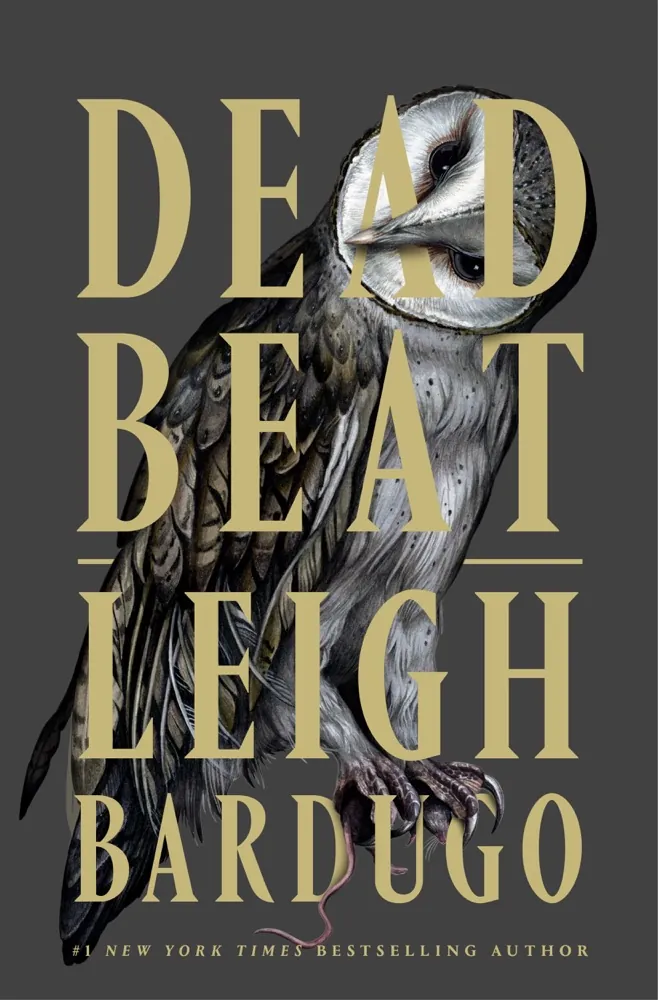
Dead Beat (Ninth House Trilogy, #3) Author: Leigh BardugoPage Count: UnknownPublication Date: Expected publication 2026-09-15 APL Gates of Hell, Open Wide: What to Expect from Leigh Bardugo’s Dead Beat For fans of dark academia and masterclass fantasy, the wait is almost over. Leigh Bardugo, the #1 New York Times bestselling author whose intricate world-building has captivated millions across the globe, is set to return with Dead Beat. Slated for publication on September 15, 2026, this upcoming title marks the explosive, highly anticipated conclusion to the acclaimed Ninth House trilogy. If you loved the razor-sharp grit of Ninth House and the breathless pacing of Hell Bent, Bardugo’s latest installment promises to push her characters to their absolute breaking point. While the exact page count remains under wraps, the official synopsis sets the stage for a high-stakes, apocalyptic confrontation in New Haven. As the tagline warns: Hell is empty and all the devils are here. According to the official publisher synopsis, Alex Stern made it to hell and back more than once, but this time she left the door open behind her. Demons are creeping through the streets of New Haven and the Yale campus, feeding on the souls of the living and terrifying the dead. While Alex and her allies can hunt them, it is only a matter of time before the gates to the underworld open entirely, leading to a war they cannot win. To stop the impending catastrophe, Alex and her team will have to dig deep into the darkest secrets of Yale and its elite societies, all while uncovering the terrifying truth hidden within Alex’s own blood. Complicating matters further, Alex must contend with a corrupt Lethe Board and a deadly vampire who shares his own mysterious connection to the societies. Yet, there is a glimmer of hope amidst the chaos. For the first time in her life, Alex won't have to face the fight alone. Dawes, Turner, Mercy, and Tripp are all stepping up to play their parts. Most crucially, Alex’s mentor—the golden boy Darlington, who spent so long trapped in her head—is finally back in the flesh, though now burdened with dangerous and unpredictable powers of his own. With Hell itself stalking the delegates of Lethe House, the characters are about to learn a brutal lesson: demons don’t play by human rules. As September 2026 approaches, the literary world is watching closely to see how Bardugo will tie together the threads of her dark, visceral universe. Whether you've followed Alex Stern's journey from the very beginning or are looking forward to this monumental trilogy-ender, Dead Beat is shaping up to be one of the most talked-about fantasy releases of the year. Mark your calendars for September 15, 2026, and prepare yourself to step back onto the Yale campus—because once the door to hell is left open, closing it is going to cost everything. #NinthHouse #LeighBardugo #DeadBeat #DarkAcademia #FantasyBooks #BookTok Related InsightsSmall Kingdoms and Other Stories Book Review and Summary My Grandmother Asked Me to Tell You She's Sorry (Spanish Edition) Book Review and Summary Capital Mysteries #12: The Ghost at Camp David Book Review and Summary{ "@context": "https://schema.org", "@type": "FAQPage", "mainEntity": [ { "@type": "Question", "name": "What is the main focus of Dead Beat (Ninth House Trilogy, #3) Book Review and Summary?", "acceptedAnswer": { "@type": "Answer", "text": "Everything you need to know about Dead Beat (Ninth House Trilogy, #3) with our detailed review." } }, { "@type": "Question", "name": "Who authored the comprehensive guide on Dead Beat (Ninth House Trilogy, #3) Book Review and Summary?", "acceptedAnswer": { "@type": "Answer", "text": "This detailed article and its insights were carefully researched and authored by Tiago Silva." } }, { "@type": "Question", "name": "Where can I find more related content about Books?", "acceptedAnswer": { "@type": "Answer", "text": "You can explore more articles, detailed reviews, and similar insights by browsing the Related Insights section at the bottom of this article or visiting our dedicated Books category page." } } ] }
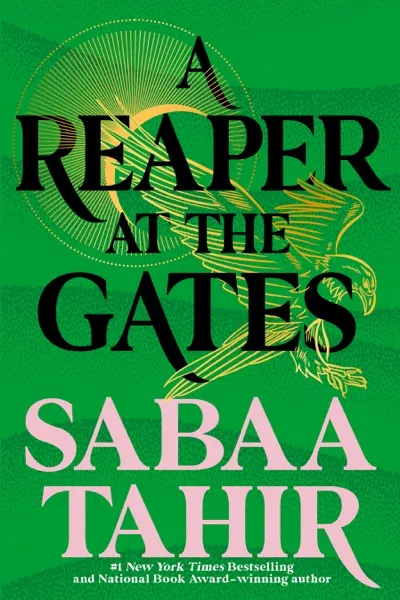
Reaper at the Gates Author: Sabaa TahirPage Count: UnknownPublication Year: 2018-GB Reaper at the Gates: A Triumph of Myth, Magic, and Unrelenting Fate Sabaa Tahir’s Reaper at the Gates, the final installment in her An Ember in the Ashes quartet, is a masterclass in high-stakes fantasy—where gods meddle, destinies are written in blood, and the line between salvation and annihilation is drawn in the sand. With its explosive conclusion, Tahir cements her place among the greats of modern epic fantasy, delivering a story that is as emotionally devastating as it is narratively satisfying. This is not just a conclusion to a beloved series; it’s a reckoning, a war cry, and a whispered prayer all at once. At its core, Reaper at the Gates is about the cost of freedom. Tahir’s world, inspired by ancient Rome but steeped in original mythology, is one where oppression is institutionalized, where the Scholars are enslaved, and the Masks—elite warriors—enforce brutal order. Yet beneath the empire’s gleaming armor lies rot: corruption, betrayal, and the gnawing question of whether any system deserves to survive. The novel forces its characters—and readers—to confront whether freedom is worth the bloodshed required to take it. Elias, the prodigal son of the empire turned reluctant hero, carries the weight of this dilemma. His journey from soldier to rebel is not one of triumphant idealism but of grim resolve. Tahir doesn’t romanticize revolution; she shows its scars, its moral compromises, and the way power corrupts even the purest intentions. Thematically, the book interrogates fate versus choice. The gods of Tahir’s universe are capricious, their designs often cruel. The title itself—Reaper at the Gates—evokes the figure of Death, a reminder that no matter how hard mortals fight, mortality (and the gods) will have the final say. Yet Tahir’s genius lies in how her characters defy this notion. Laia, the indomitable Scholar girl who becomes a spy and then a leader, embodies this defiance. Her arc is one of quiet revolution—not through swordplay, but through cunning, sacrifice, and an unshakable belief in the possibility of change. Her relationship with Elias, fraught with tension and love, is the emotional heartbeat of the series. Tahir writes their dynamic with such raw intimacy that their every glance, every hesitation, feels like a knife twist. Their love is not a fairy tale; it’s a battlefield where trust is the rarest currency. Tahir’s prose is cinematic, her pacing relentless. She balances large-scale battles—described with visceral detail—with intimate character moments that linger. The world-building is rich but never overwhelming; the magic system, tied to blood and memory, feels both ancient and urgent. There’s a brutal honesty to her storytelling. Characters die. Plans fail. Sacrifices are made that reverberate across the narrative. And yet, in the darkness, there’s light: in Laia’s resilience, in Helene’s unexpected growth, in the quiet defiance of those who refuse to kneel. Tahir doesn’t shy away from the ugliness of war—its collateral damage, its psychological toll—but she also doesn’t let it overshadow hope. The novel’s structure is a masterstroke. Tahir weaves multiple perspectives with precision, each character’s voice distinct and compelling. Helene, the once-fanatical Mask, undergoes a transformation that is both surprising and earned. Her internal conflict—between duty and self-preservation—adds a layer of complexity to the story. Meanwhile, the introduction of new characters, like the enigmatic Fenrys, expands the world without feeling forced. The stakes escalate with every chapter, culminating in a finale that is equal parts heartbreaking and triumphant. What makes Reaper at the Gates truly special, however, is its unflinching exploration of power. Tahir doesn’t just ask who deserves to wield it; she asks what it does to those who seek it, and those who are crushed beneath it. The empire is not just a villain; it’s a reflection of systems we recognize—corrupt, entrenched, and resistant to change. Yet Tahir’s message is not nihilistic. It’s a call to arms, a reminder that even in the face of overwhelming odds, the fight for justice is worth the cost. Sabaa Tahir has crafted not just a conclusion, but a legacy. Reaper at the Gates is a story for the oppressed, the dreamers, and the rebels—the kind of book that lingers long after the last page. It’s a testament to the power of storytelling to inspire, to provoke, and to endure. #ReaperAtTheGates #EmberInTheAshes #FantasyBooks #SabaaTahir #EpicFantasy #BookReview Related InsightsScene Partner Book Review and Summary A Light in the Attic Book Review and Summary Merciful is the Dark (Cruel is the Light, #2) Book Review and Summary{ "@context": "https://schema.org", "@type": "FAQPage", "mainEntity": [ { "@type": "Question", "name": "What is the main focus of Reaper at the Gates Book Review and Summary?", "acceptedAnswer": { "@type": "Answer", "text": "Everything you need to know about Reaper at the Gates with our detailed review." } }, { "@type": "Question", "name": "Who authored the comprehensive guide on Reaper at the Gates Book Review and Summary?", "acceptedAnswer": { "@type": "Answer", "text": "This detailed article and its insights were carefully researched and authored by Tiago Silva." } }, { "@type": "Question", "name": "Where can I find more related content about Books?", "acceptedAnswer": { "@type": "Answer", "text": "You can explore more articles, detailed reviews, and similar insights by browsing the Related Insights section at the bottom of this article or visiting our dedicated Books category page." } } ] }

Am I Right or Am I Right? Author: Barry JonsbergPage Count: UnknownPublication Date: 2008-PRH Calma Harrison is a force of nature—brash, self-assured, and utterly convinced she knows exactly how the world should work. She’s the kind of protagonist who strides through life with unshakable confidence, certain that her opinions are gospel truth. And why wouldn’t she be? Calma’s got the wit, the sass, and the unfiltered commentary to back it up. That’s what makes Am I Right or Am I Right? by Barry Jonsberg such a deliciously unpredictable ride. At its core, this novel is about perception versus reality—a theme brilliantly explored through Calma’s relentless meddling in everyone else’s business. She’s the human equivalent of a bull in a china shop, convinced that her direct, often abrasive, interventions will set things straight. Whether it’s confronting a would-be robber at the Crazi-Cheep supermarket, navigating her mother’s mysterious double life, or interrogating her new best friend’s secrets, Calma operates on the assumption that she alone holds the key to fixing what’s broken. The irony, of course, is that her confidence is as much her greatest asset as it is her Achilles’ heel. The more she insists she’s right, the more she risks being spectacularly wrong. Jonsberg’s writing style is a masterclass in sharp, humorous, and deeply human storytelling. His prose crackles with energy, mirroring Calma’s own restless spirit. There’s a biting wit to the dialogue, a sense of immediacy that pulls you into Calma’s chaotic world. The humor isn’t just for laughs; it’s a coping mechanism, a shield against the chaos of her life. Her father’s sudden reappearance after years of absence, her mother’s secretive behavior, and the unraveling of what she thought were solid friendships—all of it is filtered through Calma’s sardonic lens. Jonsberg doesn’t shy away from the messiness of adolescence; instead, he leans into it, crafting a narrative that feels raw and real. What makes Calma so compelling is her complexity. She’s not just a brash, opinionated teen—she’s deeply vulnerable beneath the bravado. Her need to control every situation stems from a place of insecurity, a fear of the unknown and the unpredictable. The novel’s brilliance lies in how it gently dismantles her certainty without ever diminishing her spirit. By the end, Calma learns that being right isn’t always about having the answers—sometimes it’s about admitting when you don’t. Jonsberg’s ability to balance humor with heart is what sets this book apart. The tone is lighthearted, even laugh-out-loud funny at times, but it never undercuts the emotional weight of Calma’s journey. There’s a tenderness beneath the snark, a recognition of the universal teenage struggle to make sense of a world that often feels out of sync with your expectations. Am I Right or Am I Right? is more than just a coming-of-age story—it’s a celebration of imperfection. Calma’s journey is a reminder that growth isn’t about always being right; it’s about being brave enough to admit when you’re wrong. And in a world that often rewards confidence over humility, that’s a lesson worth learning. #CalmaHarrison #BarryJonsberg #YAComedy #ComingOfAge #TeenFiction #SelfDiscovery Related InsightsFleet of Ghosts Book Review and Summary White Sky, Black Ice Book Review and Summary Falling Like Snow (Bramble Falls #2) Book Review and Summary{ "@context": "https://schema.org", "@type": "FAQPage", "mainEntity": [ { "@type": "Question", "name": "What is the main focus of Am I Right or Am I Right? Book Review and Summary?", "acceptedAnswer": { "@type": "Answer", "text": "Everything you need to know about Am I Right or Am I Right? with our detailed review." } }, { "@type": "Question", "name": "Who authored the comprehensive guide on Am I Right or Am I Right? Book Review and Summary?", "acceptedAnswer": { "@type": "Answer", "text": "This detailed article and its insights were carefully researched and authored by Tiago Silva." } }, { "@type": "Question", "name": "Where can I find more related content about Books?", "acceptedAnswer": { "@type": "Answer", "text": "You can explore more articles, detailed reviews, and similar insights by browsing the Related Insights section at the bottom of this article or visiting our dedicated Books category page." } } ] }
-
 Tiago Silva
 - 28 Jun, 2026 10:26
King of Wrath / King of Pride / King of Greed Book Review and Summary
King of Wrath / King of Pride / King of Greed Author: Ana HuangPage Count: UnknownPublication Year: 2023-GB Ana Huang’s King of Wrath / King of Pride / King of Greed—the final installment in her Twisted Love trilogy—is a scorching, emotionally charged finale that cements her reputation as a master of modern romance with a dark, addictive edge. Huang doesn’t just tell stories; she crafts psychological cathedrals where love and obsession blur into indistinguishable forces, leaving readers breathless and begging for more. If you’ve devoured the first two books in the series, Twisted Love and Twisted Games, then this concluding chapter was always going to be a masterclass in payoff—brutal, satisfying, and unapologetically intense. At its core, the Twisted Love trilogy explores the cyclical nature of power, desire, and self-destruction through the lens of three morally ambiguous, devastatingly attractive antiheroes—each embodying a deadly sin: wrath, pride, and greed. This final installment, King of Greed, hands the narrative baton to Rhys Holloway, a man whose wealth and ruthlessness are as legendary as his capacity for emotional manipulation. But beneath the tailored suits and diamond-crusted smiles lies a man who has spent a lifetime believing love is a transaction, a weakness, something to be extracted rather than given. When he’s forced into a twisted alliance with a woman who sees right through his armor, the collision of their worlds isn’t just inevitable—it’s cataclysmic. Huang’s genius lies in her ability to dissect toxic dynamics with surgical precision while making them feel irresistibly romantic. Rhys isn’t a hero. He’s not even an antihero in the traditional sense—he’s a villain who seduces you with his charm, his intelligence, and the raw, unfiltered vulnerability he only allows himself in the darkest corners of his mind. His relationship with the unnamed female lead (a fierce, morally grounded survivor) isn’t a love story in the conventional sense. It’s a war. A battle of wills where every touch, every whispered word, every betrayal is both a weapon and a wound. Huang doesn’t shy away from the ugliness of their dynamic—she revels in it, turning it into something hypnotic. The tension isn’t just sexual; it’s existential. You’ll find yourself questioning whether what they share is love at all, or just two broken people latching onto each other in a desperate bid to feel something real. What sets this trilogy apart is Huang’s refusal to romanticize abuse or unhealthy behavior. The characters are flawed, their love is messy, and their happiness is hard-won. Yet, there’s a magnetic pull to their stories because Huang doesn’t let them off the hook easily. Rhys, for all his cruelty, isn’t without depth. His backstory—hinted at in previous books—explains his obsession with control, his fear of vulnerability, and his twisted belief that love must be earned through suffering. The female lead, though initially a victim of his games, refuses to be a doormat. Their push-and-pull is electric, a dance where each step forward feels like a surrender and each retreat feels like victory. Huang’s prose is sharp, unflinching, and laced with a dark humor that catches you off guard. She writes with the kind of confidence that makes you feel like you’re eavesdropping on a private conversation between two people who can’t help but destroy each other—and themselves—in the process. The pacing is relentless. There are no slow burns here, no drawn-out build-ups. Every chapter feels like a punch to the gut, followed by a whisper in your ear that lingers long after the last page. The emotional payoff in King of Greed is brutal, but it’s also cathartic. Huang doesn’t offer easy resolutions. She gives you scars, and you wear them like badges of honor. This trilogy is more than just a romance—it’s a cultural phenomenon. It’s the kind of book that spreads like wildfire because it refuses to play by the rules. It’s messy. It’s uncomfortable. It’s real. And in a genre often criticized for its sanitized fantasies, Huang’s work feels like a breath of fresh, albeit scorching, air. Whether you’re a longtime fan or a newcomer seduced by the hype, King of Greed will leave you breathless, heartbroken, and utterly obsessed. It’s not just a conclusion to a trilogy—it’s a testament to the idea that love, in all its twisted glory, is the most dangerous addiction of all. #TwistedLoveTrilogy #KingOfGreed #DarkRomance #AnaHuang #MorallyGrayLove #ToxicRelationships Related InsightsEspíritu (Cemetery Boys, #2) Book Review and Summary Kurtulan Kizlar Book Review and Summary Pack La tapadera (Contiene: La tapadera / El intercambio) / The Firm Pack (Includes The Firm, The Exchange) Book Review and Summary{ "@context": "https://schema.org", "@type": "FAQPage", "mainEntity": [ { "@type": "Question", "name": "What is the main focus of King of Wrath / King of Pride / King of Greed Book Review and Summary?", "acceptedAnswer": { "@type": "Answer", "text": "Everything you need to know about King of Wrath / King of Pride / King of Greed with our detailed review." } }, { "@type": "Question", "name": "Who authored the comprehensive guide on King of Wrath / King of Pride / King of Greed Book Review and Summary?", "acceptedAnswer": { "@type": "Answer", "text": "This detailed article and its insights were carefully researched and authored by Tiago Silva." } }, { "@type": "Question", "name": "Where can I find more related content about Books?", "acceptedAnswer": { "@type": "Answer", "text": "You can explore more articles, detailed reviews, and similar insights by browsing the Related Insights section at the bottom of this article or visiting our dedicated Books category page." } } ] }
- Tiago Silva
- 22 Jun, 2026 13:22
Poesía reunida César Vallejo (Edición conmemorativa de la RAE y la ASALE) / Collected Poems by César Vallejo (Commemorative Edition by the RAE and ASALE) Book Review and Summary
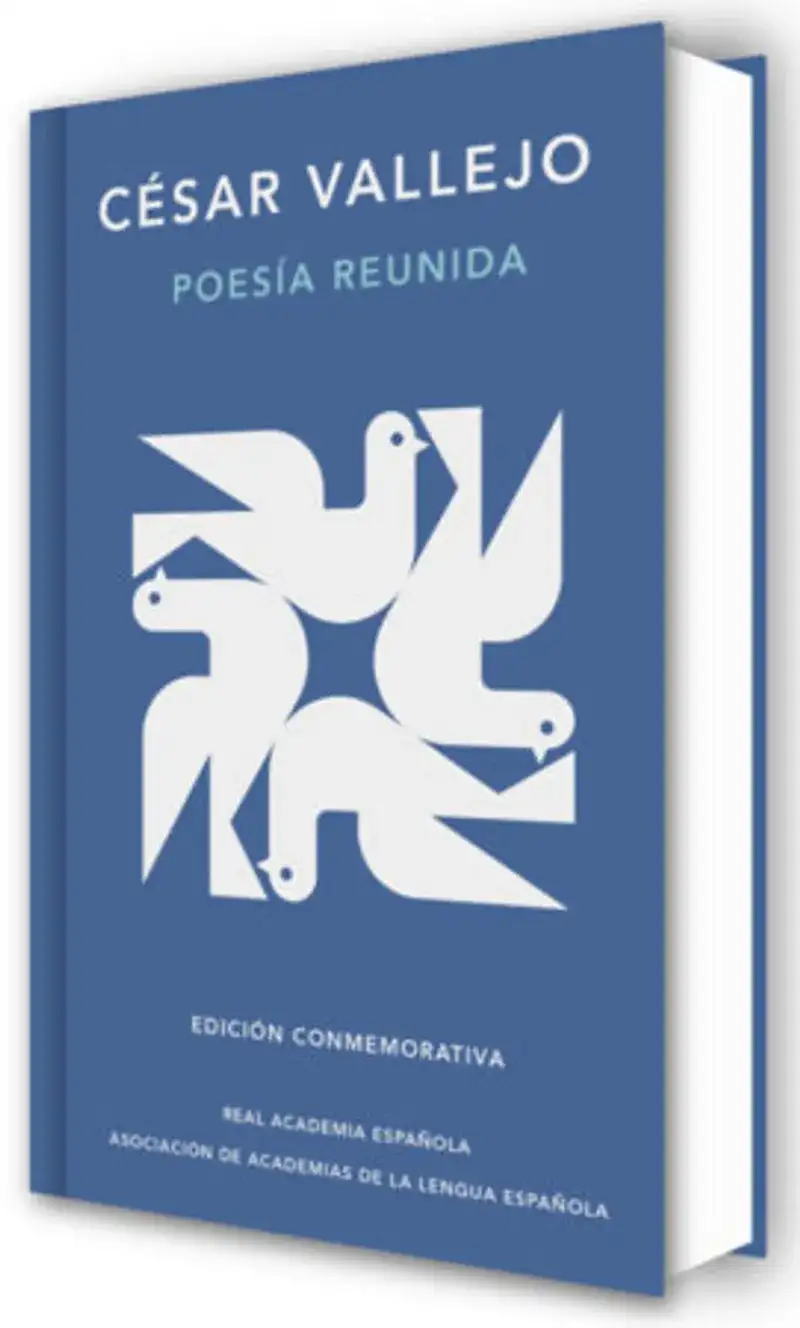
Poesía reunida César Vallejo (Edición conmemorativa de la RAE y la ASALE) / Collected Poems by César Vallejo (Commemorative Edition by the RAE and ASALE) Author: César VallejoPage Count: UnknownPublication Date: 2026-PRH César Vallejo’s Poesía reunida (Collected Poems), forthcoming in a landmark commemorative edition by the Royal Spanish Academy (RAE) and the Association of Spanish Language Academies (ASALE), is not merely a retrospective of one of Latin America’s most visionary poets—it is a seismic event in world literature. Scheduled for publication in 2026 to coincide with the 130th anniversary of Vallejo’s birth, this definitive volume arrives at a moment when poetry itself is being redefined by fragmentation, exile, and the raw urgency of human suffering. Vallejo, a poet who once wrote that “all sentiment is partial,” offers in this collection a totalizing vision of art as both wound and balm, prophecy and elegy. At the heart of Vallejo’s poetry is the theme of human solidarity in adversity—a theme that grows more urgent with each passing decade. Born in Peru in 1892 and later immersed in the bohemian ferment of Paris, Vallejo’s work traverses geographic and linguistic borders, yet never loses sight of the universal plight of the marginalized. His poems, whether rooted in the Andean highlands or drifting through European cafés, pulse with the heartbeat of the oppressed. In Trilce (1922)—one of the most radical collections of modern Spanish-language poetry—Vallejo dismantles syntax and punctuation to mirror the disorientation of modern life. Yet beneath the linguistic rupture lies a profound empathy: for the unemployed worker, the abandoned lover, the dying child. In poem after poem, Vallejo transforms personal grief into collective mourning, making every sorrow a shared one. Vallejo’s style is unmistakable and revolutionary. He wields language like a surgeon’s scalpel, dissecting emotion with clinical precision while infusing each incision with raw lyricism. His syntax often feels broken, as if the weight of existence has fractured the very tools of expression. In Poema XXVIII from Trilce, he writes:“¡Y el perro, el perro que no tiene perro! ¡El perro que no tiene perro y mira!”The repetition and exclamation mark the absence, the loneliness of a creature without its kind. Vallejo doesn’t just describe pain—he makes it visible, tangible, etched into the structure of the line. This technique—what critics have called his “poetry of the stutter”—is not decorative; it is ethical. It forces the reader to slow down, to stumble, to feel the same disorientation that afflicts the poem’s subjects. His later work, penned in exile and marked by the Spanish Civil War, deepens this commitment. In España, aparta de mí este cáliz (1939), written during the war, Vallejo elevates poetry to the level of spiritual resistance. The title, echoing Christ’s words on the cross, signals a poet not only bearing witness but offering himself as sacrifice. The poems here are incantatory, rhythmic, almost biblical in scope. Yet they remain grounded in the concrete horrors of war: children with “blue lips of hunger,” mothers clutching “empty breasts.” Vallejo’s genius lies in this alchemy—turning political outrage into spiritual transcendence without erasing the flesh-and-blood reality of suffering. What makes this commemorative edition by the RAE and ASALE so significant is its commitment to completeness and context. While earlier editions have gathered Vallejo’s verse, this one promises to include previously uncollected poems, variant drafts, and critical essays that illuminate the poet’s creative process. Given Vallejo’s habit of revising obsessively—often tearing up pages and starting anew—such editorial rigor is essential. The RAE’s imprimatur also signals a recognition of Vallejo as a central figure in the Spanish language, not just Peruvian or Latin American. This is poetry that belongs to the world. Reading Vallejo is to enter a world where language is not a shield but a wound. His poems do not comfort; they unsettle. They do not resolve; they persist. In an era when poetry is often dismissed as ornamental or irrelevant, Vallejo’s work stands as a defiant assertion of art’s moral necessity. He reminds us that to write is to bear witness, to love is to suffer, and to exist is to be in solidarity with all who hurt. This collected edition is not just a book—it is an act of cultural reparation, a gathering of scattered voices into a single, trembling chorus. It invites us to remember that poetry, at its highest, is not decoration but consecration. And César Vallejo, in every line, consecrates the pain of being human. #VallejoEterno #PoesíaReunida #TrilceYMásAllá #PoesíaComoResistencia #CésarVallejo2026 #LiteraturaQueDuele Related InsightsSomeone to Trust Book Review and Summary The Arabian Nights Book Review and Summary Sharpe's Command Book Review and Summary{ "@context": "https://schema.org", "@type": "FAQPage", "mainEntity": [ { "@type": "Question", "name": "What is the main focus of Poesía reunida César Vallejo (Edición conmemorativa de la RAE y la ASALE) / Collected Poems by César Vallejo (Commemorative Edition by the RAE and ASALE) Book Review and Summary?", "acceptedAnswer": { "@type": "Answer", "text": "Everything you need to know about Poesía reunida César Vallejo (Edición conmemorativa de la RAE y la ASALE) / Collected Poems by César Vallejo (Commemorative Edition by the RAE and ASALE) with our detailed review." } }, { "@type": "Question", "name": "Who authored the comprehensive guide on Poesía reunida César Vallejo (Edición conmemorativa de la RAE y la ASALE) / Collected Poems by César Vallejo (Commemorative Edition by the RAE and ASALE) Book Review and Summary?", "acceptedAnswer": { "@type": "Answer", "text": "This detailed article and its insights were carefully researched and authored by Tiago Silva." } }, { "@type": "Question", "name": "Where can I find more related content about Books?", "acceptedAnswer": { "@type": "Answer", "text": "You can explore more articles, detailed reviews, and similar insights by browsing the Related Insights section at the bottom of this article or visiting our dedicated Books category page." } } ] }
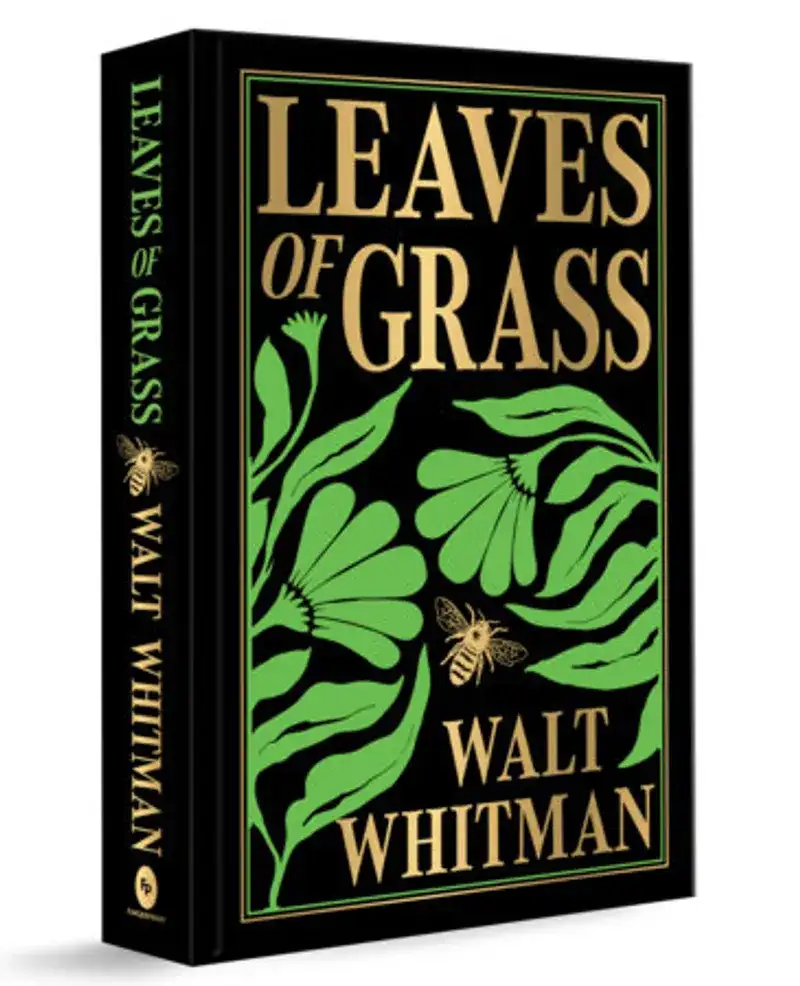
Leaves of Grass Author: Walt WhitmanPage Count: UnknownPublication Date: 2026-PRH Walt Whitman’s Leaves of Grass, published in 2026, is not just a collection of poems—it is a living, breathing manifesto of democracy, sensuality, and the boundless energy of existence. More than a century and a half after its initial appearance, Whitman’s work remains a radical act of defiance against the constraints of traditional poetry, a celebration of the individual within the vast, interconnected web of humanity. This new edition, curated with modern sensibilities yet faithful to the original spirit, reaffirms its place as one of the most transformative works in American literature. At its core, Leaves of Grass is an ode to the self and the collective. Whitman dismantles the barriers between the poet and the world, between the sacred and the profane, between the solitary soul and the teeming multitude. His famous declaration, “I contain multitudes,” is not a boast but a revelation—each person is a universe unto themselves, and poetry is the medium through which these universes communicate. The 2026 edition amplifies this theme with subtle modernizations in language and punctuation, making Whitman’s vision more accessible without diluting its raw power. The poems pulse with an electric vitality, as if written not in ink but in the blood of experience. Whitman’s style is revolutionary in its simplicity and grandeur. He rejects the ornate metaphors and rigid structures of his contemporaries, opting instead for free verse that flows like the Mississippi River—unpredictable, vast, and unstoppable. His lines stretch and contract, mirroring the rhythms of breath, the cadence of speech, the undulating motion of life itself. There is a hypnotic quality to his repetition, a chant-like incantation that draws the reader into a trance of pure sensation. “I celebrate myself, and sing myself,” he begins, and in that declaration, he invites the reader to do the same—not just to read, but to feel, to be. The sensuality of Leaves of Grass is another of its enduring shocks. Whitman writes of the body with a reverence that borders on the sacred. He touches upon flesh not as something to be hidden or ashamed of, but as a source of joy, connection, and divine revelation. “I am large, I contain multitudes,” he writes, and in that line, he embraces every aspect of human experience—pleasure, pain, lust, tenderness—without judgment. This edition’s inclusion of previously suppressed or lesser-known poems further underscores Whitman’s unapologetic eroticism, making the collection even more audacious and relevant in an era where bodily autonomy and self-expression are fiercely contested. Democracy, too, is a central theme. Whitman envisions a nation—and by extension, a world—where every voice is heard, where the laborer and the aristocrat, the slave and the free, the immigrant and the native, all contribute to the grand chorus of humanity. His poems are a call to unity, but not a forced or superficial one. He acknowledges conflict, difference, and even violence, yet insists that these are part of the same tapestry. “Do I contradict myself? / Very well then I contradict myself, / (I am large, I contain multitudes.)” This embrace of contradiction is the essence of democracy—a system that thrives on debate, on the clash of ideas, on the messy, beautiful reality of a people in motion. The 2026 edition’s layout and accompanying essays also deserve praise. The typography breathes, with spaces that invite pauses and line breaks that feel intentional rather than arbitrary. The critical apparatus, while not overwhelming, provides crucial context, tracing Whitman’s influences from Emerson’s transcendentalism to the rough-and-tumble streets of Brooklyn. One particularly striking addition is a series of contemporary responses to Leaves of Grass, written by poets from marginalized communities who grapple with Whitman’s legacy—his blind spots regarding race and gender, his unquestioned whiteness in a time of reckoning. These voices do not diminish Whitman’s genius but place it in a necessary, evolving conversation. If there is a flaw in this edition, it is perhaps in its attempt to modernize Whitman’s language too gently. Some purists may argue that the original’s archaic diction and unorthodox punctuation are part of its charm, and that softening it risks diluting its raw, unfiltered power. Yet the trade-off is worth it—for a new generation of readers, the accessibility of this edition ensures that Whitman’s message does not remain trapped in the past but leaps forward, alive and urgent. Leaves of Grass is more than a book; it is an experience. It is the sound of the ocean in your ears, the thrum of a crowd in a city square, the quiet hum of a solitary walk at dusk. It is a mirror held up to life, unflinching and radiant. Whitman does not offer answers so much as he offers presence—an invitation to be, in all your messy, magnificent complexity. This 2026 edition reminds us why Whitman’s work endures: because it is not just a relic of the 19th century, but a prophecy of what humanity could still become. In a world that often feels fragmented, Leaves of Grass is a balm and a challenge—a reminder that we are all, in the end, leaves of the same grass. #WaltWhitman #LeavesOfGrass #PoetryThatMatters #DemocracyInVerse #SensualityAndSoul #AmericanLiterature Related InsightsUna luna sin miel Book Review and Summary Here One Moment Book Review and Summary Being Ace Book Review and Summary{ "@context": "https://schema.org", "@type": "FAQPage", "mainEntity": [ { "@type": "Question", "name": "What is the main focus of Leaves of Grass Book Review and Summary?", "acceptedAnswer": { "@type": "Answer", "text": "Everything you need to know about Leaves of Grass with our detailed review." } }, { "@type": "Question", "name": "Who authored the comprehensive guide on Leaves of Grass Book Review and Summary?", "acceptedAnswer": { "@type": "Answer", "text": "This detailed article and its insights were carefully researched and authored by Tiago Silva." } }, { "@type": "Question", "name": "Where can I find more related content about Books?", "acceptedAnswer": { "@type": "Answer", "text": "You can explore more articles, detailed reviews, and similar insights by browsing the Related Insights section at the bottom of this article or visiting our dedicated Books category page." } } ] }
- Tiago Silva
- 12 May, 2026 21:33
Promesas de Dios para tiempos difíciles / God's Promises when you are hurting Book Review and Summary
Promesas de Dios para tiempos difíciles / God's Promises when you are hurting Author: Jack CountrymanPage Count: UnknownPublication Date: 2021-PRH "God’s Promises for When You Are Hurting" by Jack Countryman: A Beacon of Hope in Life’s Darkest Valleys In a world that often feels broken and overwhelming, where pain, loss, and uncertainty can leave us gasping for air, God’s Promises for When You Are Hurting by Jack Countryman arrives not just as a book, but as a lifeline—a gentle yet powerful reminder that even in our deepest struggles, we are never, ever alone. This isn’t merely a devotional or a collection of verses; it’s a heartfelt invitation to anchor your soul in the unshakable truth of God’s Word when every other voice seems to whisper despair. Countryman, a seasoned editor and author known for curating Scripture with profound sensitivity, has crafted a book that feels like a whispered comfort from a trusted friend. The premise is simple yet revolutionary: when words fail us, when grief robs us of speech, when fear silences our prayers, the Bible still speaks. And it speaks loudly—with promises of hope, healing, and divine presence. This book distills that truth into 58 carefully selected themes, each designed to meet you right where you are, whether you’re drowning in sorrow, wrestling with doubt, or simply needing a moment of quiet reassurance. What stands out immediately is the book’s structure—intuitive yet deeply intentional. Instead of overwhelming the reader with an endless stream of verses, Countryman organizes the content into four clear sections:“What to do When You Are…” – A lifeline for the grieving, the lonely, the depressed, or the anxious. Here, the focus isn’t just on feeling better but on doing—taking small, faith-filled steps toward healing. “What to do When You…” – Addresses practical struggles like needing confidence, facing disappointment, or waiting on God’s timing. It’s like having a wise mentor guiding you through the fog. “Truth from the Bible About…” – Delves into foundational truths—God’s plan for your life, the power of prayer, the sufficiency of His Word. It’s theology in bite-sized, heart-sized portions. “The Love of God Is Healing for Your Life…” – A soothing balm for the weary soul, reminding us of eternal promises, unchanging love, and the hope that outlasts every trial.Countryman’s writing style is understated but profound. He doesn’t rely on flowery prose or emotional manipulation; instead, he lets Scripture do the heavy lifting. Each chapter is concise, often just a few pages, yet packed with verses that resonate like a familiar hymn. The tone is warm, pastoral, and deeply empathetic—never preachy, always inviting. It’s the kind of book you can read in one sitting or keep on your nightstand, flipping to a page that speaks directly to your heartache in that moment. One of the book’s greatest strengths is its accessibility. Whether you’re a seasoned believer or someone who’s never opened a Bible, the language is clear, the themes universal, and the hope undeniable. It’s not a book that demands you have all the answers; it’s a book that meets you in the questions, the tears, and the silent spaces where words feel inadequate. For those who’ve walked through the valley of the shadow of death—literally or emotionally—this book is a treasure. It doesn’t promise a quick fix or a painless path, but it does promise that every tear is seen, every wound is known, and every broken heart is held by a God who is both sovereign and tender. In an era where self-help books promise quick solutions and motivational speakers urge us to “manifest” our way out of pain, God’s Promises for When You Are Hurting offers something far more reliable: the unchanging Word of a God who keeps His promises. If you’re searching for a gift—whether for yourself or someone in pain—this book is more than a present. It’s a message. A declaration. A whisper of hope in the dark. And in those moments when you feel like you can’t pray, it prays for you. #GodsPromises #HealingWords #FaithInHardTimes #ChristianEncouragement #BibleStudy #HopeForTheBroken Related InsightsHere One Moment Book Review and Summary Just a Shot Away: Martin Scorsese's Life in Film Book Review and Summary Fair Ones Book Review and Summary{ "@context": "https://schema.org", "@type": "FAQPage", "mainEntity": [ { "@type": "Question", "name": "What is the main focus of Promesas de Dios para tiempos difíciles / God's Promises when you are hurting Book Review and Summary?", "acceptedAnswer": { "@type": "Answer", "text": "Everything you need to know about Promesas de Dios para tiempos difíciles / God's Promises when you are hurting with our detailed review." } }, { "@type": "Question", "name": "Who authored the comprehensive guide on Promesas de Dios para tiempos difíciles / God's Promises when you are hurting Book Review and Summary?", "acceptedAnswer": { "@type": "Answer", "text": "This detailed article and its insights were carefully researched and authored by Tiago Silva." } }, { "@type": "Question", "name": "Where can I find more related content about Books?", "acceptedAnswer": { "@type": "Answer", "text": "You can explore more articles, detailed reviews, and similar insights by browsing the Related Insights section at the bottom of this article or visiting our dedicated Books category page." } } ] }
Story of My Life Author: Lucy ScorePage Count: UnknownPublication Year: 2025-GB Lucy Score’s Story of My Life: A Masterclass in Emotional Storytelling That Will Leave You Breathless Few books manage to weave together heartbreak, redemption, and the quiet magic of everyday life with the precision of a seasoned wordsmith. Lucy Score’s Story of My Life (2025) is one such triumph—a novel that doesn’t just tell a story but lives in the reader’s mind long after the final page. With its razor-sharp prose, deeply relatable characters, and a narrative that oscillates between laughter and tears, this book cements Score’s reputation as a modern literary powerhouse. Whether you’re a longtime fan of her work or a newcomer to her storytelling, Story of My Life is a must-read that transcends the boundaries of genre fiction, offering a universal exploration of love, loss, and the stories we tell ourselves to survive. At its core, Story of My Life is a story about the fragments of our past that shape us—and the unexpected moments that stitch those fragments back together. The novel follows the life of its unnamed protagonist, a woman whose journey is as much about self-discovery as it is about the people who leave indelible marks on her soul. Score’s genius lies in her ability to balance introspection with external conflict, creating a narrative that feels both intimate and expansive. The book unfolds through a series of vignettes—some tender, some painful—each one a piece of a larger puzzle that slowly reveals the protagonist’s true self. It’s a structure that mirrors the way memory works: fragmented, nonlinear, and often surprising in its clarity. One of the most compelling aspects of Story of My Life is its exploration of memory and identity. Score doesn’t shy away from the messy, contradictory nature of human experience, and her protagonist is a masterclass in flawed humanity. She’s not a heroine in the traditional sense; she’s messy, contradictory, and deeply human. Her flaws make her relatable, her vulnerabilities make her compelling, and her resilience makes her unforgettable. The supporting cast is equally rich, with secondary characters who feel like real people rather than plot devices. Each interaction—whether a fleeting conversation or a life-altering revelation—adds depth to the story, making the world of Story of My Life feel vividly alive. Score’s writing style is another standout feature of the novel. Her prose is lyrical yet accessible, with a rhythm that pulls the reader forward without ever feeling rushed. She has a knack for capturing the small, poignant moments that define a life—the way a certain song can transport you back to a specific time, the quiet comfort of a familiar scent, the ache of a memory that refuses to fade. The emotional resonance of the book is undeniable, but it never veers into melodrama. Instead, Score trusts her readers to feel deeply, allowing the story to unfold with a natural grace that feels both effortless and meticulously crafted. The themes of Story of My Life are universal yet deeply personal. At its heart, the novel is about the stories we tell ourselves to make sense of our lives—the narratives we cling to, the ones we rewrite, and the ones we finally let go. It’s about the people who become part of our story, whether for a season or a lifetime, and how those connections shape who we become. Score also delves into the idea of legacy—not just the stories we leave behind, but the ones we carry with us, the ones that define us in ways we can’t always articulate. It’s a meditation on what it means to be human, to love, to lose, and to find yourself again in the most unexpected places. What makes Story of My Life truly special is its ability to resonate on multiple levels. It’s a book that will make you laugh, cry, and pause to reflect on your own life. It’s a story about the power of small moments, the importance of connection, and the beauty of imperfection. Score doesn’t offer easy answers or neat resolutions; instead, she presents life as it is—messy, beautiful, and endlessly surprising. The result is a novel that feels like a conversation with a close friend, one that leaves you feeling seen, understood, and deeply moved. For readers who love character-driven fiction with emotional depth and lyrical prose, Story of My Life is a must-read. It’s a book that lingers, that haunts you in the best way, and that reminds you why stories matter. Lucy Score has crafted something extraordinary here—a novel that doesn’t just entertain but transforms. #LucyScore #StoryOfMyLife #LiteraryFiction #EmotionalJourney #MustRead2025 Related InsightsLethal Kiss Book Review and Summary Clara Poole and the Long Way Round Book Review and Summary Call Down the Hawk Book Review and Summary{ "@context": "https://schema.org", "@type": "FAQPage", "mainEntity": [ { "@type": "Question", "name": "What is the main focus of **Story of My Life** Book Review and Summary?", "acceptedAnswer": { "@type": "Answer", "text": "Everything you need to know about **Story of My Life** with our detailed review." } }, { "@type": "Question", "name": "Who authored the comprehensive guide on **Story of My Life** Book Review and Summary?", "acceptedAnswer": { "@type": "Answer", "text": "This detailed article and its insights were carefully researched and authored by Tiago Silva." } }, { "@type": "Question", "name": "Where can I find more related content about Books?", "acceptedAnswer": { "@type": "Answer", "text": "You can explore more articles, detailed reviews, and similar insights by browsing the Related Insights section at the bottom of this article or visiting our dedicated Books category page." } } ] }
Upgrade Author: Blake CrouchPage Count: UnknownPublication Year: 2022-GB Blake Crouch’s Upgrade is a high-octane, cerebral thriller that hurtles the reader into a near-future where the boundaries between human and machine blur—sometimes literally. Published in 2022, the novel cements Crouch’s reputation as a master of speculative fiction, crafting a story that is as intellectually stimulating as it is viscerally gripping. With his signature blend of rapid pacing, sharp prose, and moral complexity, Crouch doesn’t just entertain; he forces us to confront unsettling questions about identity, evolution, and the price of progress. At its core, Upgrade is a meditation on what it means to be human in an age of artificial enhancement. The premise is deceptively simple: Logan Ramsay, a geneticist working on a cutting-edge project to cure neurodegenerative diseases, stumbles upon a discovery that could accelerate human evolution—or doom the species. When he accidentally upgrades his own DNA, he gains extraordinary cognitive and physical abilities, but at a cost that unfolds in ways both thrilling and terrifying. The novel explores the dual-edged sword of enhancement: the allure of transcending our biological limits versus the potential for creating a new, hierarchical humanity where the "upgraded" become a new elite, leaving the rest behind. Crouch’s genius lies in his ability to weave hard science into a narrative that feels urgent and personal. He doesn’t bog the reader down with excessive jargon; instead, he uses Logan’s perspective to make complex genetic and neurological concepts accessible without dumbing them down. The science serves the story, not the other way around, which is a rare feat in speculative fiction. The pacing is relentless—every chapter ends with a revelation or a cliffhanger, propelling the reader forward with the same breathless urgency as Logan’s own transformation. What makes Upgrade more than just a sci-fi action romp is its deep philosophical undercurrents. Crouch doesn’t shy away from the ethical dilemmas posed by his premise. Is it ethical to alter human DNA, even with the best intentions? What does it mean to be "human" when someone can outthink and outperform others with a simple genetic tweak? The novel forces us to grapple with these questions alongside Logan, whose own moral compass is tested as he realizes the full implications of his discovery. The villain—if there is one—isn’t a mustache-twirling caricature but a system of power, a natural extension of human greed and ambition. Crouch’s prose is taut and efficient, mirroring the precision of his protagonist’s mind. He avoids purple prose, favoring clear, punchy sentences that keep the momentum going. Yet, there are moments of lyrical beauty, particularly in Logan’s introspective passages, where Crouch explores the emotional toll of his transformation. The internal conflict Logan faces—between his newfound power and his lingering humanity—is as compelling as the external threats he encounters. This balance between the cerebral and the visceral is what makes Upgrade so compelling. The novel also excels in its world-building, painting a near-future that feels both familiar and unsettlingly plausible. Crouch doesn’t rely on flashy futuristic tech; instead, he extrapolates from current trends in genetic editing, AI, and social inequality. The result is a world that doesn’t feel like a distant sci-fi fantasy but a possible extension of our own trajectory. The dystopian elements creep in gradually, making the stakes feel more real and immediate. One of the most striking aspects of Upgrade is its exploration of power dynamics. The upgraded humans in the novel aren’t just smarter or stronger—they become a new class, wielding influence that reshapes society. Crouch doesn’t shy away from the darker implications of this, showing how quickly privilege and inequality can calcify into something far more sinister. The novel’s climax is a masterclass in tension, where personal stakes collide with global consequences. Crouch’s ability to blend hard science with high-stakes drama is on full display here. Fans of his Wayward Pines trilogy or Dark Matter will find much to love in Upgrade, but it stands well on its own as a standalone thriller. The novel is a cautionary tale, a thriller, and a philosophical inquiry all rolled into one—a rare achievement in modern fiction. In the end, Upgrade is about more than just the next step in human evolution; it’s about the choices we make when faced with the unknown. Crouch doesn’t offer easy answers, but he does deliver a story that lingers, one that challenges us to think about what we’re willing to sacrifice for progress. It’s a book that entertains, provokes, and haunts—and that’s the mark of truly great speculative fiction. #UpgradeBook #BlakeCrouch #SciFiThriller #NearFutureFiction #GeneticEngineering #HumanEvolution
- Tiago Silva
- 02 May, 2026 04:37
DK Super Readers Level 1 A Day in the Life of a Pilot Book Review and Summary
DK Super Readers Level 1 A Day in the Life of a Pilot Author: DKPage Count: UnknownPublication Date: 2025-PRH A Day in the Life of a Pilot, the latest installment in the DK Super Readers series, is an engaging and informative read that is sure to captivate young minds. Published in 2025, this Level 1 reader is specifically designed to help children develop their reading skills while introducing them to the fascinating world of aviation. The author, DK, has done an excellent job in crafting a narrative that is both fun and educational, making it an ideal choice for early readers. The book takes readers on a thrilling journey, showcasing a day in the life of a pilot. From preparation to takeoff, and from navigating through the skies to landing safely back on the ground, the text provides a comprehensive overview of a pilot's responsibilities and experiences. The language is simple and easy to understand, making it perfect for children who are just beginning to develop their reading skills. One of the standout features of this book is its carefully leveled text, which uses Lexiles to ensure that children are set up for success. The engaging narrative is complemented by beautiful illustrations, making the reading experience both enjoyable and interactive. The author's use of descriptive language helps to paint a vivid picture in the reader's mind, allowing children to imagine themselves in the pilot's seat. The book is not only entertaining but also educational, providing children with a unique opportunity to learn about a day in the life of a pilot. The text is filled with interesting facts and tidbits, making it an excellent choice for kids who are curious about the world of aviation. The author's ability to balance fun and learning is impressive, making A Day in the Life of a Pilot an excellent addition to any child's bookshelf. The DK Super Readers series is known for its high-quality content, and A Day in the Life of a Pilot is no exception. The book is well-researched, and the author's passion for the subject matter is evident throughout the narrative. The text is engaging, and the illustrations are visually appealing, making it a great choice for reading aloud or for early readers to tackle on their own. In conclusion, A Day in the Life of a Pilot is an excellent choice for children who are looking to develop their reading skills while learning about a fascinating topic. The book is engaging, informative, and fun, making it an ideal choice for early readers. With its carefully leveled text and beautiful illustrations, this book is sure to delight children and parents alike. #LearnToRead #AviationForKids #DKSuperReaders #PilotLife #KidsLiterature #ReadingIsFun Related InsightsLonesome Dove Book Review and Summary Anna and the French Kiss Book Review and Summary Anthropodermische Bibliopegie: Eine Makabre Reise in die Welt der in Menschenhaut gebundenen Bücher{ "@context": "https://schema.org", "@type": "FAQPage", "mainEntity": [ { "@type": "Question", "name": "What is the main focus of DK Super Readers Level 1 A Day in the Life of a Pilot Book Review and Summary?", "acceptedAnswer": { "@type": "Answer", "text": "Everything you need to know about DK Super Readers Level 1 A Day in the Life of a Pilot with our detailed review." } }, { "@type": "Question", "name": "Who authored the comprehensive guide on DK Super Readers Level 1 A Day in the Life of a Pilot Book Review and Summary?", "acceptedAnswer": { "@type": "Answer", "text": "This detailed article and its insights were carefully researched and authored by Tiago Silva." } }, { "@type": "Question", "name": "Where can I find more related content about Books?", "acceptedAnswer": { "@type": "Answer", "text": "You can explore more articles, detailed reviews, and similar insights by browsing the Related Insights section at the bottom of this article or visiting our dedicated Books category page." } } ] }
Where It All Began Author: Lucy ScorePage Count: UnknownPublication Year: 2025-GB Imagine yourself standing at the crossroads of life, where the journey of self-discovery and the pursuit of love converge, and the path you choose will forever alter the trajectory of your existence. This is the poignant and thought-provoking landscape that Lucy Score masterfully crafts in her 2025 global bestseller, Where It All Began. With its universal themes and relatable characters, this novel has captured the hearts of millions, cementing its place as a contemporary literary masterpiece. At the heart of Where It All Began lies an exploration of the human condition, delving into the complexities of identity, love, loss, and the interconnectedness of lives. Score's writing is akin to a rich tapestry, intricately weaving together the threads of her characters' stories, creating a narrative that is both deeply personal and universally relatable. The characters, with their flaws and strengths, leap off the page, inviting readers to embark on their journeys of growth, healing, and transformation. One of the most compelling aspects of Where It All Began is its thoughtful examination of the main themes. Score tackles the concept of beginnings, not just as a physical or temporal starting point, but as an emotional and psychological one. She adeptly explores how our perceptions of where it all began—be it a relationship, a career, or a personal journey—can shape our understanding of ourselves and our place in the world. This reflective approach fosters a deep sense of introspection, encouraging readers to ponder their own life journeys and the moments that have defined them. The characters in Where It All Began are multidimensional and authentically drawn, with each one contributing uniquely to the narrative's depth and complexity. Score has a remarkable ability to capture the essence of human emotion, rendering her characters' experiences with such vividness and sincerity that it becomes impossible not to empathize with them. The relationships between characters are equally well-crafted, reflecting the full spectrum of human interaction, from the tender and nurturing to the challenging and transformative. Lucy Score's writing style in Where It All Began is engaging, evocative, and masterfully paced. She possesses a keen sense of storytelling, balancing the lighter moments of humor and joy with the darker, more introspective passages, creating a narrative that flows like a river, ever-changing yet constant in its depth. Her prose is poetic and accessible, painting vivid pictures that allow readers to immerse themselves fully in the world she has created. The global acclaim that Where It All Began has received is a testament to Score's skill as a storyteller and her ability to touch hearts and minds across cultures and continents. The book's resonance can be attributed to its timeless themes and its capacity to inspire reflection, hope, and a deeper understanding of the human experience. Where It All Began is not just a novel; it is an experience—a journey of discovery, love, and the profound realization that where it all began is not just a point in time, but a continuous process of growth, learning, and becoming. In conclusion, Where It All Began by Lucy Score is a masterpiece of contemporary literature, offering readers a profound, emotionally charged, and deeply rewarding experience. As we navigate the complexities of our own lives, seeking answers to the questions of where it all began and where we are headed, this novel stands as a powerful reminder of the beauty, resilience, and transformative potential of the human spirit. #WhereItAllBegan #LucyScore #GlobalBestseller #ContemporaryLiterature #BookReview
One of us is next Author: Karen M. McManusPage Count: UnknownPublication Year: 2020-GB Karen M. McManus delivers another gripping psychological thriller in One of Us Is Next, the sequel to her breakout hit One of Us Is Lying. Where the first book left us questioning who could be trusted, this installment dives even deeper into the murky waters of high school power dynamics, secrets, and the ripple effects of past lies. If One of Us Is Lying was a storm, One of Us Is Next is the thunder that follows—loud, unexpected, and impossible to ignore. At its core, the novel explores the fragility of reputation and the danger of becoming the next target in a cycle of vengeance. Set in the same elite Bayview High School, the story picks up months after the infamous Bayview Four case, where four students were falsely accused of murder. Now, another dangerous game unfolds when an anonymous gossip app resurfaces, spreading rumors that threaten to destroy the lives of its users. The twist? The app isn’t just a digital weapon—it’s a catalyst for a very real and very personal vendetta. McManus masterfully weaves multiple perspectives, each voice distinct yet equally compelling, as we navigate the blurred lines between truth and manipulation. What stands out most in McManus’s writing is her ability to craft characters who feel achingly real. Phoebe, the new protagonist and daughter of one of the Bayview Four, is sharp, observant, and deeply flawed—just like the rest of us. Her internal conflict mirrors the book’s central theme: the cost of silence and the pressure to conform. Then there’s Knox, the golden boy with a secret, whose polished exterior hides a web of deceit. His chapters are particularly gripping because McManus doesn’t shy away from exploring the moral ambiguity of privilege. Privilege here isn’t just about wealth; it’s about the unspoken rules that protect the powerful and punish the vulnerable. The author’s style is a blend of suspense and dark humor, something that keeps the story from feeling too heavy despite its serious themes. McManus excels at dropping breadcrumbs—subtle hints that make readers question everything they think they know. The prose is snappy, with dialogue that crackles with tension, and the pacing is relentless. Just when you think you’ve pieced together the puzzle, she pulls the rug out from under you again. Another strength is the way McManus handles the legacy of the first book. One of Us Is Next works as a standalone, but for those familiar with the Bayview Four, it’s a thrilling continuation. The unresolved threads from the first novel—like Bronwyn’s legal battles or Addy’s newfound independence—are woven seamlessly into the plot, giving fans a satisfying sense of continuity. Yet, McManus ensures the story doesn’t feel like a retread. Instead, it evolves, exploring darker corners of teenage life: the pressure to perform, the fear of being exposed, and the lengths people will go to protect their secrets. The book’s title isn’t just a clever nod to the first installment; it’s a chilling reminder that in high school, everyone is a potential target. The gossip app, a modern-day version of the school rumor mill, becomes a metaphor for the way information can be weaponized. McManus doesn’t just critique the toxicity of teenage gossip; she dissects how societal structures enable it. The characters’ struggles with guilt, betrayal, and redemption are universal, which is why the story resonates beyond its high school setting. If there’s one critique to offer, it’s that some plot twists might feel a tad convenient. However, in a genre where shock value is often prioritized, McManus strikes a balance between plausibility and surprise. Her characters’ choices, while sometimes extreme, are rooted in their fears and desires, making their actions feel earned. Ultimately, One of Us Is Next is more than a sequel—it’s a standalone thriller with the depth and intensity of the original. Karen M. McManus once again proves her mastery of the YA thriller genre, crafting a story that’s as thought-provoking as it is entertaining. It’s a book that lingers, leaving readers to question not just the characters’ motives, but their own. #OneOfUsIsNext #KarenM.McManus #YAThriller #PsychologicalSuspense #TeenDrama #BookTok Related Insights'The Portrait That Bore the Weight of a Soul: Why Oscar Wilde’s Dorian Gray Still Haunts Us' Espíritu (Cemetery Boys, #2) Book Review and Summary Are You There God? It’s Me, Margaret Book Review and Summary{ "@context": "https://schema.org", "@type": "FAQPage", "mainEntity": [ { "@type": "Question", "name": "What is the main focus of One of us is next Book Review and Summary?", "acceptedAnswer": { "@type": "Answer", "text": "Everything you need to know about One of us is next with our detailed review." } }, { "@type": "Question", "name": "Who authored the comprehensive guide on One of us is next Book Review and Summary?", "acceptedAnswer": { "@type": "Answer", "text": "This detailed article and its insights were carefully researched and authored by Tiago Silva." } }, { "@type": "Question", "name": "Where can I find more related content about Books?", "acceptedAnswer": { "@type": "Answer", "text": "You can explore more articles, detailed reviews, and similar insights by browsing the Related Insights section at the bottom of this article or visiting our dedicated Books category page." } } ] }
Fine Art of Faking It Author: Lucy ScorePage Count: UnknownPublication Year: 2025-GB The Fine Art of Faking It: A Masterclass in Modern Romance That Feels Like Real Life There’s a certain magic in a love story that doesn’t just sweep you off your feet but makes you feel like you’re standing right beside the characters, watching their messy, beautiful lives unfold. The Fine Art of Faking It by Lucy Score is that kind of book—a global bestseller that doesn’t just capture the reader’s attention but holds it hostage until the very last page. With its sharp wit, heartfelt emotion, and a cast of characters so vivid you’ll swear you’ve met them before, this novel is more than just a romance; it’s a testament to the power of authenticity in a world that often rewards performance over truth. At its core, The Fine Art of Faking It explores the duality of human nature—the masks we wear to fit in, the facades we maintain to protect ourselves, and the courage it takes to peel them away. The story follows a protagonist who has spent years crafting a carefully curated persona, only to find that the real life she’s been avoiding might be the one worth living. Score delves deep into the theme of self-discovery, weaving it seamlessly into a narrative that’s as much about personal growth as it is about love. The tension between who we pretend to be and who we truly are is a universal struggle, and Score handles it with a deft touch, making the emotional journey as compelling as the romantic one. The characters in The Fine Art of Faking It are the beating heart of the novel. They’re flawed, relatable, and deeply human—flaws and all. The protagonist, in particular, is a standout, her journey from guarded skepticism to open-hearted vulnerability feeling achingly real. Her counterpart, the love interest, is equally compelling, bringing a mix of charm, complexity, and quiet strength to the story. Their chemistry is electric, crackling with tension and tenderness in equal measure. Score has a knack for crafting dialogue that feels spontaneous and authentic, making every interaction between the leads feel like a stolen moment in time. The supporting cast is just as memorable, each character adding depth and texture to the world Score has built. Score’s writing style is a masterclass in modern romance. Her prose is crisp and engaging, with a rhythm that keeps the pages turning effortlessly. She balances humor and heartbreak with ease, ensuring that the emotional beats land with impact without ever feeling overwrought. The pacing is tight, with just enough twists and turns to keep readers on their toes, but never so convoluted that the story loses its emotional core. Score also excels at creating a sense of place, immersing the reader in a world that feels lived-in and vibrant. Whether it’s the cozy small-town setting or the bustling energy of a city, the atmosphere is always vivid and inviting. What sets The Fine Art of Faking It apart from other romance novels is its refusal to shy away from the messy, complicated realities of life and love. Score doesn’t just deliver a feel-good story; she delivers a story that feels true. The themes of identity, belonging, and the courage to be yourself resonate deeply, making this book more than just a temporary escape—it’s a mirror held up to the reader’s own life. The romance isn’t just a backdrop; it’s a catalyst for growth, a force that pushes the characters (and the reader) to confront their own fears and insecurities. For anyone who’s ever felt like they were performing a role rather than living their life, The Fine Art of Faking It will strike a chord. It’s a book that reminds us that the most beautiful relationships—and the most authentic lives—are built on honesty, even when it’s scary. Score’s storytelling is a balm for the soul, a reminder that sometimes, the greatest act of courage is to stop faking it and start being real. If you’re a fan of romance that’s as smart as it is swoon-worthy, or if you’ve ever craved a love story that feels like it could happen to anyone, this book is a must-read. It’s a story that lingers long after the last page, a testament to the power of love, laughter, and the fine art of being yourself. #RomanceBooks #LucyScore #BookReview #ModernLoveStory #MustRead Related InsightsEldest Book Review and Summary Todos los fines del mundo / All the Ends of the World Book Review and Summary Im Westen nichts Neues Book Review and Summary{ "@context": "https://schema.org", "@type": "FAQPage", "mainEntity": [ { "@type": "Question", "name": "What is the main focus of **Fine Art of Faking It** Book Review and Summary?", "acceptedAnswer": { "@type": "Answer", "text": "Everything you need to know about **Fine Art of Faking It** with our detailed review." } }, { "@type": "Question", "name": "Who authored the comprehensive guide on **Fine Art of Faking It** Book Review and Summary?", "acceptedAnswer": { "@type": "Answer", "text": "This detailed article and its insights were carefully researched and authored by Tiago Silva." } }, { "@type": "Question", "name": "Where can I find more related content about Books?", "acceptedAnswer": { "@type": "Answer", "text": "You can explore more articles, detailed reviews, and similar insights by browsing the Related Insights section at the bottom of this article or visiting our dedicated Books category page." } } ] }
The Light We Carry Author: Michelle ObamaPage Count: UnknownPublication Date: 2024-PRH Michelle Obama’s The Light We Carry is not just another self-help book—it is a luminous guide to navigating life’s storms with grace, resilience, and an unshakable sense of self. Released in 2024, this follow-up to her bestselling memoir Becoming is a masterclass in turning personal wisdom into universal tools for anyone feeling overwhelmed by the chaos of modern life. With her signature blend of warmth, wit, and unflinching honesty, Obama dismantles the myth that we must have all the answers. Instead, she offers something far more valuable: a lantern to light our way when the path ahead is unclear. At its core, The Light We Carry is about illumination—not in the sense of grand revelations, but in the quiet, steady glow of self-awareness and connection. Obama posits that each of us carries an inner light, a source of strength that can guide us through uncertainty, doubt, and even despair. The book’s central metaphor is deceptively simple: just as a single candle can pierce the darkest night, our individual lights—when shared—can transform not only our own lives but the world around us. This idea is both comforting and radical. In an era where division and disinformation often feel like the default setting, Obama’s message is a call to action: You are not powerless. Your light matters. What makes this book so compelling is Obama’s refusal to offer platitudes. She doesn’t pretend to have a one-size-fits-all solution to life’s messiest problems. Instead, she invites readers into her own struggles—her fears as a mother, her frustrations as a woman navigating male-dominated spaces, her exhaustion as a public figure under constant scrutiny. By doing so, she normalizes the very feelings that so many of us try to hide: the self-doubt, the imposter syndrome, the moments when even the strongest among us wonder if they’re enough. Her honesty is disarming, making the book feel less like a lecture and more like a conversation with a trusted mentor. Obama’s style is as much about what she says as how she says it. She writes with the rhythm of a storyteller, weaving personal anecdotes with broader reflections on race, gender, and visibility. Her humor shines through even in heavy moments—whether she’s recounting her husband’s quirks as a partner or describing the absurdity of being the first Black First Lady in a country still grappling with its identity. Yet beneath the wit lies a steely resolve. She doesn’t shy away from hard truths, whether it’s about the exhaustion of being a symbol or the pressure to "go high" when others stoop low. Her advice is practical, rooted in lived experience rather than abstract theory. She talks about "starting kind," a principle that sounds simple but is revolutionary in a world that often rewards cynicism. She discusses the importance of assembling a "kitchen table" of trusted friends and mentors—a metaphor that evokes both warmth and strategy, the idea that no one succeeds alone. One of the book’s most powerful sections explores the intersection of visibility and vulnerability. Obama writes candidly about the double-edged sword of being seen—how it can feel like both a burden and a gift. She acknowledges the exhaustion of being a role model, of constantly being watched and judged, while also recognizing the power of representation. Her words resonate deeply in an age where social media amplifies both connection and comparison. She doesn’t offer easy fixes for the pressure to perform or the fear of failure, but she does provide a framework for resilience: Your light is not diminished by the darkness around you. In fact, it’s in contrast to that darkness that your light shines brightest. The Light We Carry is ultimately a book about agency. Obama doesn’t just tell readers to "be hopeful" or "stay strong"—she shows them how. She breaks down the tools she’s used to navigate her own life: the habit of gratitude, the practice of setting boundaries, the courage to embrace discomfort. She reminds us that growth often happens at the edges, in the spaces where we feel uncertain but choose to push forward anyway. Her message is not about achieving perfection but about embracing the messy, imperfect journey of becoming. If Becoming was a portrait of a life in motion, The Light We Carry is a manual for living well within that motion. It’s a book for anyone who has ever felt lost, who has ever wondered if they have what it takes to weather the storms ahead. Obama’s genius lies in her ability to make the profound feel personal, to turn her own struggles into a roadmap for others. This is not a book to be read once and shelved. It’s a book to return to, to underline, to share with a friend who’s going through a tough time. It’s a reminder that even in the darkest moments, we are never truly alone—because we carry our light with us, and that light is meant to be shared. In a world that often feels fractured, The Light We Carry is a balm. It doesn’t promise to solve everything, but it does promise something just as valuable: the tools to keep going, to keep shining, and to trust that our light—no matter how small—can make a difference. #TheLightWeCarry #MichelleObama #SelfHelp #Resilience #Becoming #Empowerment Related InsightsBetter Than the Movies Book Review and Summary Raven Cycle Series Collection 4 Books Set By Maggie Stiefvater Book Review and Summary Catch-22 Book Review and Summary{ "@context": "https://schema.org", "@type": "FAQPage", "mainEntity": [ { "@type": "Question", "name": "What is the main focus of The Light We Carry Book Review and Summary?", "acceptedAnswer": { "@type": "Answer", "text": "Everything you need to know about The Light We Carry with our detailed review." } }, { "@type": "Question", "name": "Who authored the comprehensive guide on The Light We Carry Book Review and Summary?", "acceptedAnswer": { "@type": "Answer", "text": "This detailed article and its insights were carefully researched and authored by Tiago Silva." } }, { "@type": "Question", "name": "Where can I find more related content about Books?", "acceptedAnswer": { "@type": "Answer", "text": "You can explore more articles, detailed reviews, and similar insights by browsing the Related Insights section at the bottom of this article or visiting our dedicated Books category page." } } ] }